
Table of Contents
The Rise of the 6.7L: Heavy-Duty Capability Meets Strict Emissions
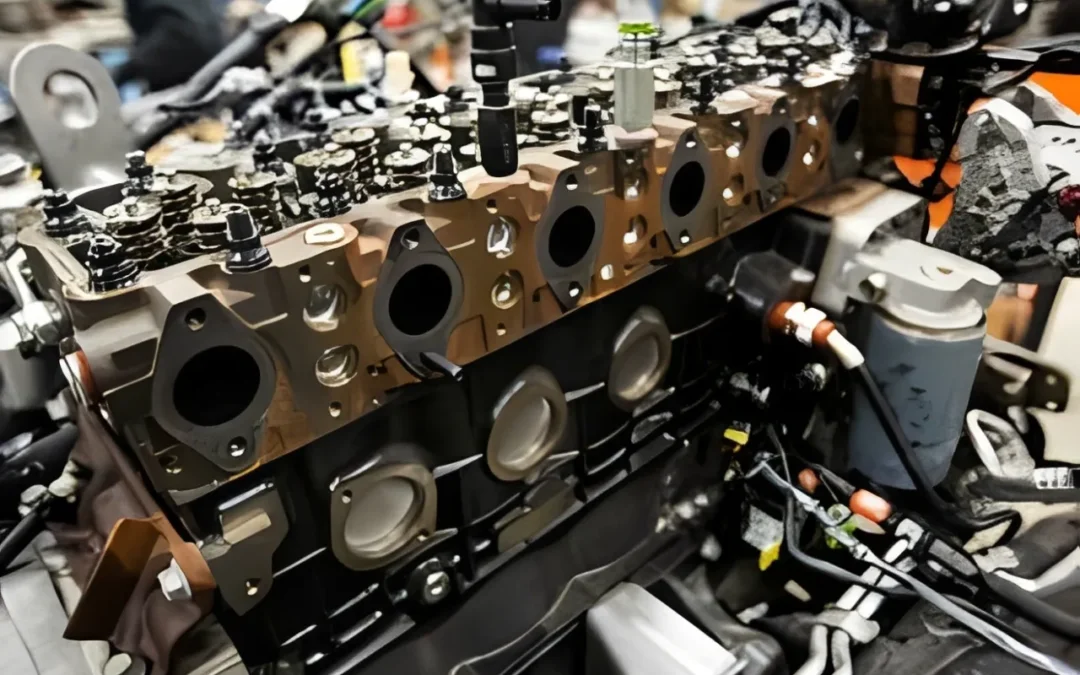
When the 6.7 Cummins engine replaced the legendary 5.9L in 2007.5, it completely shifted the heavy-duty pickup segment. Installed primarily in Ram 2500 and Ram 3500 chassis, this inline-six diesel was engineered to handle massive payloads while complying with stringent EPA regulations.
To meet these standards, Cummins integrated complex Exhaust Gas Recirculation (EGR), Diesel Particulate Filters (DPF), and Selective Catalytic Reduction (SCR) systems. While successful in reducing soot, these systems fundamentally altered the thermal dynamics of the engine, introducing dangerous levels of exhaust backpressure and heat saturation.
Key Operational Stress Data (Compared to Pre-Emissions 5.9L):
- Exhaust Gas Temperature (EGT) under load: Spikes frequently exceed 1,200°F (650°C) during active DPF regeneration.
- Drive Pressure (Exhaust Backpressure): Can exceed 60+ psi under heavy throttle, pushing back against the exhaust valves.
- Cooling System Thermal Load: Increased by up to 25%, placing massive stress on the factory water pump and cylinder head passages.
This delicate balance between high-output tuning and emissions-restricted airflow is precisely where catastrophic top-end failures begin.

Core 6.7 Cummins Specs and Mechanical Limits
Understanding the exact 6.7 Cummins specs reveals exactly why certain internal components fail when the engine is pushed beyond its factory thresholds.
Torque Evolution & Turbocharger Data:
| Model Year | Output Specs | Peak Torque | Turbocharger Type |
| 2007.5 – 2012 | 350 HP | 650 lb-ft | Holset HE351VE VGT |
| 2013 – 2018 | 370 HP | 800 lb-ft | Upgraded Holset HE300VG |
| 2019 – 2024 (HO) | 400 – 420 HP | 1,000 – 1,075 lb-ft | High-Output VGT / CGI Block |
As torque increased by over 60% across the generations, cylinder firing pressures skyrocketed. However, the factory cylinder head clamping force did not always scale proportionally.
- Mechanical Limit 1: Factory Torque-to-Yield (TTY) head bolts stretch under sustained boost pressures above 35 psi.
- Mechanical Limit 2: VGT turbo bearings degrade rapidly when engine oil viscosity breaks down from excessive EGR soot contamination.
The 5 Most Common 6.7 Cummins Problems
The following mechanical failures represent the vast majority of real-world repair cases for the 6.7 Cummins platform in fleet and heavy-towing operations.
1. The Infamous 6.7 Cummins EGR Problems
The 6.7 Cummins EGR problems are the root cause of most secondary engine failures. The system routes hot exhaust gases back into the intake, creating a toxic mix of oily soot.
- Root Causes: Heavy carbon solidification inside the EGR valve and thermal stress cracking inside the EGR cooler core.
- Failure Data: EGR-related faults account for over 30% of early emissions-related shop visits, with coolers frequently rupturing between 80,000 and 150,000 miles.
- Consequence: When the cooler cracks, coolant flashes to steam in the exhaust or hydro-locks the cylinders, leading to bent connecting rods.
2. VGT Turbo Actuator Failure
The Variable Geometry Turbocharger (VGT) requires precise electronic control to adjust exhaust flow.
- Root Causes: Exhaust soot binds the sliding nozzle ring inside the turbo housing. The electronic actuator motor burns out trying to force the jammed ring to move.
- Repair Cost: Standalone actuator replacement ranges from $800–$1,500. A full Holset HE300VG turbo replacement easily exceeds $3,000.
3. Blown 6.7 Cummins Head Gasket
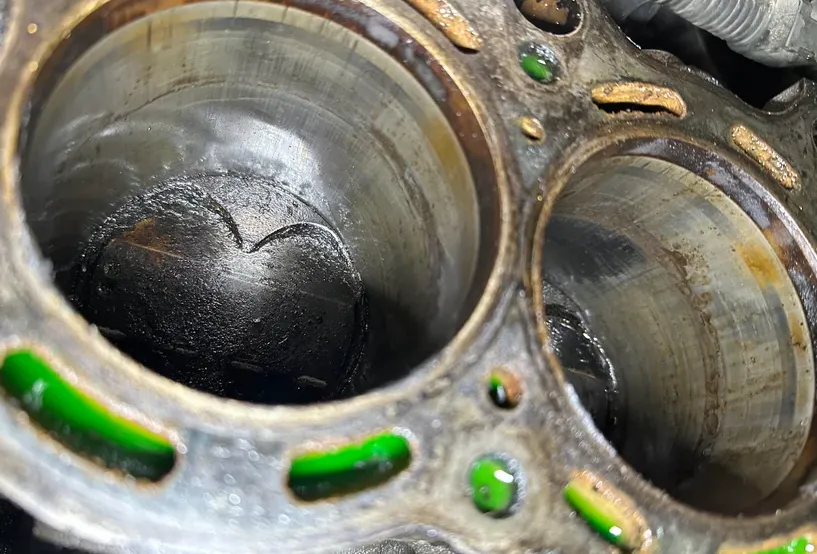
The 6.7 Cummins head gasket failure is the most dreaded and expensive top-end disaster.
- Why It Happens: High cylinder pressures (especially on tuned trucks) physically stretch the factory head bolts. This allows the cylinder head to lift millimeters off the block, blowing the gasket outward.
- Real-World Towing Failure Case: A hot-shot trucker hauling a 16,000-lb fifth-wheel up a 6% continuous grade experienced a sudden, violent coolant purge from the degas bottle. Shop diagnosis revealed a blown rear head gasket between cylinders 5 and 6. The root cause? A heavily restricted DPF caused exhaust drive pressures to spike to 65 psi, lifting the cylinder head under maximum load.
4. CP4 Injection Pump Disasters (2019-2020)
For a brief period, Ram transitioned from the ultra-reliable Bosch CP3 to the Bosch CP4.2 high-pressure fuel pump.
- Known Issues: The CP4 pump is highly sensitive to the lack of lubricity in US-spec Ultra-Low Sulfur Diesel (ULSD). The internal roller lifters can rotate out of alignment, sending metallic shrapnel through the entire fuel system.
- Repair Cost: Requires replacing the pump, injectors, lines, and fuel rails—often totaling $8,000 to $10,000.
5. Grid Heater Bolt Failure (The "Killer Bolt")
Unlike traditional glow plugs, the 6.7 Cummins uses an intake grid heater. Over time, the electrical nut/bolt securing the power wire inside the intake manifold arcs, degrades, and snaps off.
- Impact: The solid steel bolt drops directly into cylinder #6. The piston crushes the bolt into the cylinder head, destroying the block, piston, and valves instantly.
⚠️ Critical Technical Warning
Running a 6.7 Cummins engine with a known cooling system leak or an ignored check engine light will rapidly induce thermal runaway.
Once coolant temperatures exceed 230°F (110°C), the massive cast-iron cylinder head begins to warp. If the head warps beyond 0.006 inches, standard resurfacing is no longer viable. A simple gasket leak quickly transforms into a $6,000+ complete top-end overhaul.
Beyond thermal runaway, another hidden danger accelerating 6.7 Cummins engine failures is severe oil dilution. During active DPF regeneration cycles, raw diesel fuel is injected late into the exhaust stroke to raise exhaust temperatures. However, excessive fleet idling or frequently interrupted highway regenerations cause this unburned diesel to wash past the piston rings directly into the crankcase.
This phenomenon drastically lowers the engine oil’s viscosity and destroys its protective film strength. When the main bearings, camshaft, and VGT turbo journal bearings are forced to operate on diesel-thinned oil, premature metal-to-metal wear is inevitable. To protect your heavy-duty investment, commercial fleet operators must never ignore regeneration warnings and should utilize routine oil analysis to detect early fuel contamination before it destroys the internal rotating assembly.
Maintenance Manual Insights
Certified heavy-duty diesel repair manuals provide a grim statistic:
80%
of blown head gaskets in modern 6.7 Cummins engines are caused by localized overheating and excessive exhaust backpressure resulting from neglected cooling and emissions systems.
Critical Thermal Data:
- Optimal Operating Temp: 190°F – 200°F (88°C–93°C)
- Overheat Danger Threshold: 220°F (104°C)
- Head Warp Risk Zone: 230°F+ (110°C+)
What the Industry Experts Say
"The 6.7-liter bottom end is virtually bulletproof, but the emissions gear cooks the top end. If you pull the head off one of these trucks, do not put factory parts back in. Upgrading to an MLS gasket and heavy-duty head studs rated for 220,000 psi is absolutely essential if you tow heavy."
– Senior Diesel Technician
Upgrade or Rebuild? Navigating the True Costs
When calculating your true 6.7 Cummins repair cost, labor accounts for over 50% of the bill due to the immense teardown time. If the cab is lifted and the engine is disassembled, reinstalling standard OEM components is a major tactical error.
OEM vs. Upgraded Rebuild Components:
| Component Category | Standard OEM Replacement | VP GASKET / Heavy-Duty Upgrade |
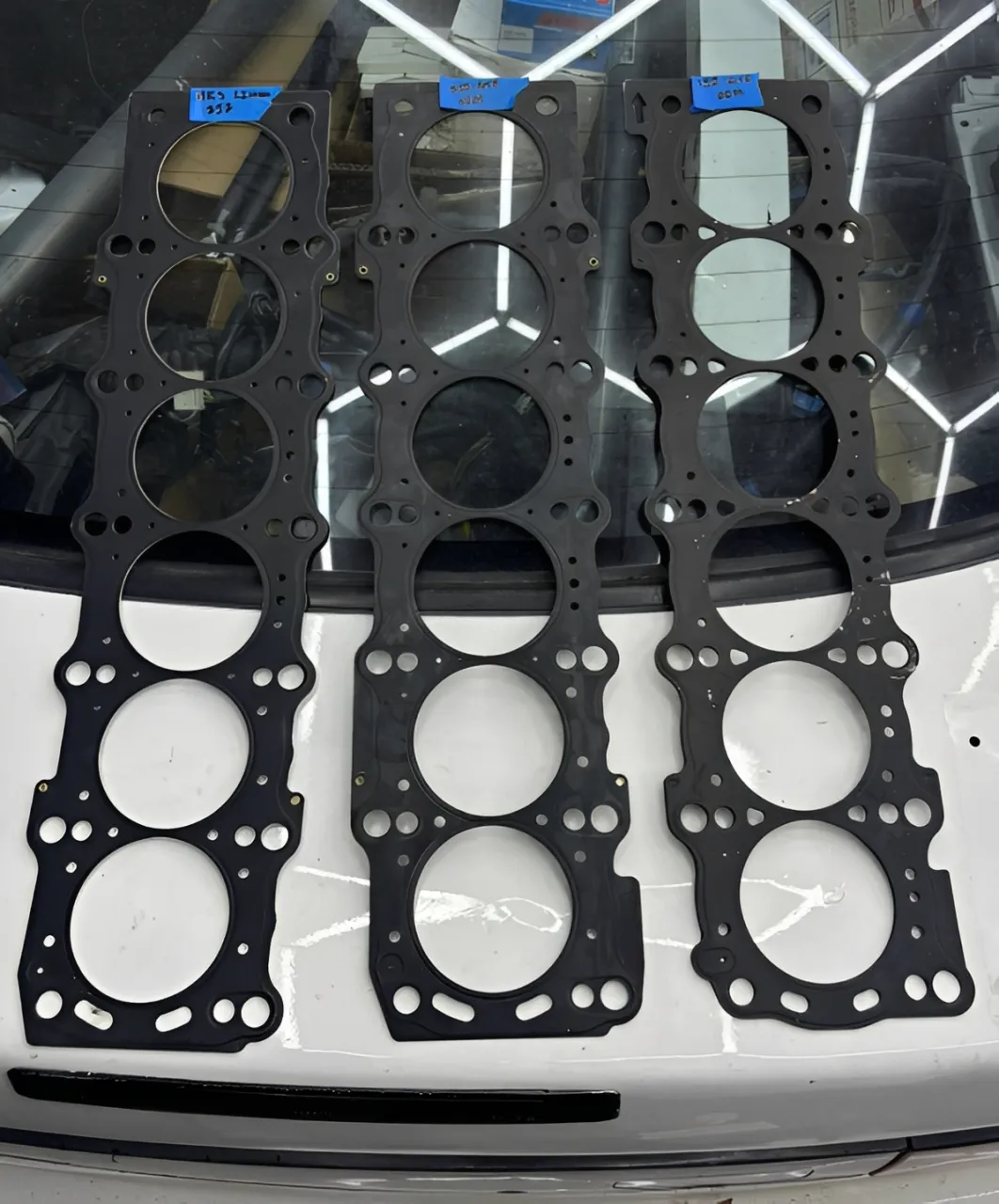
| Cylinder Head Gasket (Ref: OEM 4337457) | Standard Multi-Layer Steel | FKM-Coated Advanced MLS (Higher thermal threshold) |
| Head Fasteners | Torque-to-Yield Bolts (One-time use) | Forged H11/8740 Steel Head Studs (Reusable, 220k psi rating) |
| Valve Cover / Upper Seals | Standard NBR Rubber | Premium Viton/Silicone Blends for extreme heat resistance |
| EGR / Turbo Gaskets | Basic stamped steel | Multi-layer embossed stainless steel |
By installing upgraded sealing components, fleets reduce repeat failure rates by over 40%, completely offsetting the initial parts cost.
Fortify Your Heavy-Duty Ram with VP GASKET
For high-load commercial applications, standard aftermarket components are a liability. When rebuilding a 6.7 Cummins, you need engineering that matches the abuse the engine takes.
The VP GASKET Advantage:
- Complete Overhaul Kits: Direct replacements for Cummins Upper Engine Gasket Sets (e.g., Ref: 4337457, 5259444) and Lower Engine blocks.
- Reinforced MLS Technology: Precision-engineered sealing design formulated specifically to withstand high-boost, tuned applications.
- Fleet-Ready Supply: Fast global delivery and technical consultation for independent diesel repair shops and large fleet operators.
-
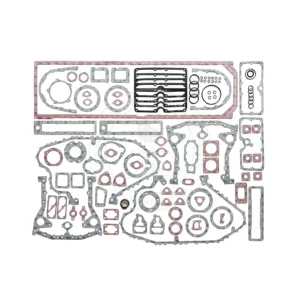
2881766 Cummins Genuine Quality Lower Engine Gasket Kit for ISX15 Series
-
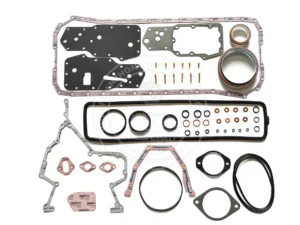
3017564 Cummins Genuine Quality Lower Engine Gasket Kit for VT28 Series
-
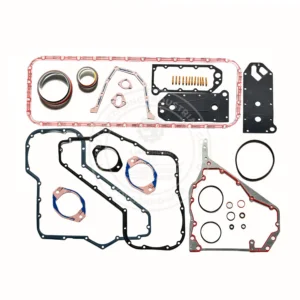
3800487 Cummins Genuine Quality Lower Engine Gasket Kit for ISB / QSB 5.9L Series
-
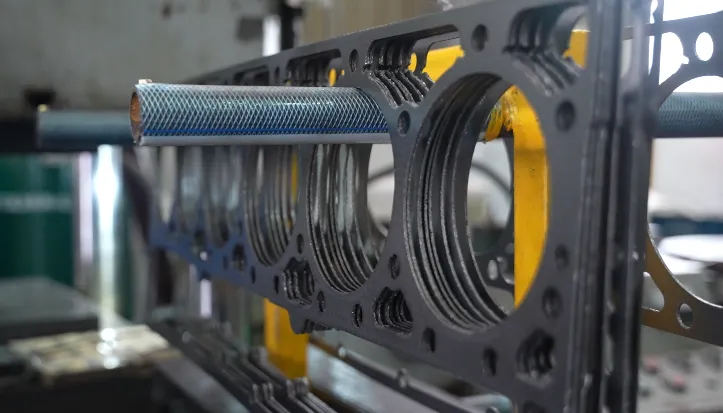
3800558 Upper Engine Gasket Set for Cummins 6CT 8.3L – Premium Overhaul Kit
Contact Our Technical Sales Team
Are you preparing to tear down a high-mileage Ram 2500, or looking to stock reliable rebuild kits for your diesel repair facility? Avoid repeat failures and reduce long-term 6.7 Cummins repair costs with our high-performance overhaul solutions.
FAQ
What is the most common problem in modern 6.7 Cummins engines?
The most frequent failures stem from the emissions equipment, specifically clogged EGR coolers, stuck VGT turbo actuators, and DPF restriction leading to high exhaust backpressure.
How much does it cost to fix a blown 6.7 Cummins head gasket?
Depending on shop rates and machine shop resurfacing times, a complete head gasket job ranges from $3,500 to over $6,000. Upgrading to head studs will add to the initial cost but prevent future failures.
How long does a 6.7 Cummins engine last?
With meticulous cooling system maintenance and frequent oil changes to combat soot contamination, the lower rotating assembly can easily exceed 350,000 to 500,000 miles before requiring an out-of-frame rebuild.
Should I use OEM parts or upgrade during a head gasket repair?
If you tow heavy or use aftermarket tuning, upgrading to an FKM-coated MLS gasket and heavy-duty head studs is highly recommended over standard OEM replacements to handle the increased cylinder pressure.
Exactly what causes the head gasket to blow on these engines?
The combination of factory Torque-to-Yield head bolts stretching under high turbo boost pressure, combined with extreme heat cycles from the EGR system, causes the head to lift and the gasket seal to break.