
Table of Contents
The Industrial Workhorse Under Pressure
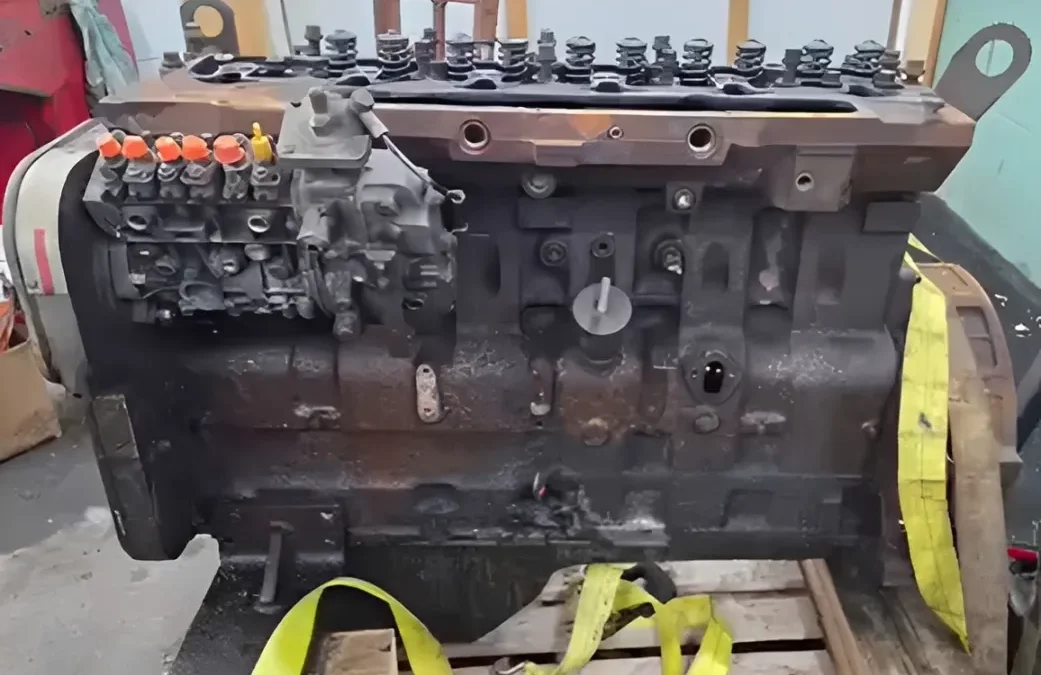
The 8.3 Cummins engine has earned a legendary, nearly mythical reputation across multiple heavy industries. Whether installed in massive agricultural tractors, over-the-road commercial trucks, luxury Class A RVs, transit buses, or offshore marine vessels, the 8.3 Cummins platform is widely recognized as one of the most durable medium-duty diesel engines ever produced.
Known under several alphanumeric codes, including the Cummins 6CT and Cummins ISC 8.3, this inline-six diesel became famous because of its perfect balance between massive low-end torque output, mechanical simplicity, and an incredibly long service life.
When properly maintained, the data proves its longevity. Many 8.3 Cummins engines easily exceed:
- 500,000+ miles in grueling commercial over-the-road use.
- 20,000+ operating hours in continuous marine applications.
- Decades of operation in stationary agricultural and generator environments.
However, legendary durability does not equal invincibility.
The single biggest mistake owners make is assuming this massive engine can survive indefinitely without strict preventive maintenance. In reality, neglected coolant chemistry, worn cylinder liner O-rings, failing high-pressure injection systems, and degraded cylinder head gaskets can quickly transform the 8.3 Cummins from a dependable workhorse into a catastrophic financial burden.
A failed 8.3 Cummins stops commercial operations immediately. Lost daily productivity, massive heavy-duty towing costs, prolonged downtime, and emergency shop rates often exceed the cost of proper preventive maintenance many times over.
This comprehensive technical guide explains the critical 8.3 Cummins specs, analyzes common Cummins ISC 8.3 reliability concerns, diagnoses notorious 8.3 Cummins injection pump problems, explores the hidden dangers of wet sleeve cavitation, and details how to select the best 8.3 Cummins rebuild kit to guarantee your engine survives its next life cycle.
Breaking Down the 8.3 Cummins Specs and Applications
The 8.3 Cummins engine was not built for light-duty pickup trucks; it was strictly designed as a medium-duty industrial platform capable of handling continuous, heavy-load operation.
8.3 Cummins Core Engineering Specs
| Engine Specification | Detail Data / Measurement | Engineering Benefit |
| Engine Type | Inline 6-Cylinder Diesel | Inherently balanced design; massive low-end torque. |
| Displacement | 8.3 Liters (505 cubic inches) | Large capacity allows for lower stress under load. |
| Block Configuration | Wet Sleeve Design | Highly rebuildable; superior heat transfer from cylinders. |
| Horsepower Range | 250 HP to 450 HP (Marine) | Highly adaptable to specific commercial applications. |
| Peak Torque Range | 660 lb-ft to 1,250 lb-ft | Capable of moving 40,000+ lb gross vehicle weights. |
| Aspiration | Turbocharged & Aftercooled | Maximizes oxygen density for clean, powerful combustion. |
| Block / Head Material | Heavy Cast Iron | Extreme resistance to warping and block distortion. |
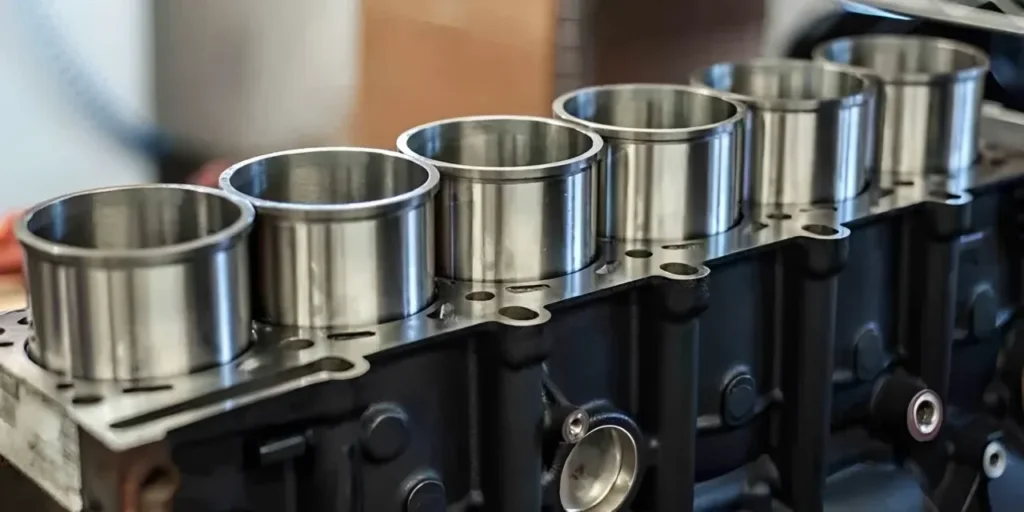
The "wet-sleeve" architecture is arguably the engine’s most important and defining design feature. Unlike standard "parent-bore" engines (such as the smaller 5.9L Cummins), wet-sleeve diesel engines use thick, removable cast-iron cylinder liners that are directly surrounded by flowing engine coolant.
This design improves heat transfer and makes the engine infinitely rebuildable without requiring extensive machine-shop boring. However, wet sleeves also create major sealing challenges. The critical rubber liner O-rings located at the bottom of the cylinder liner must maintain perfect coolant sealing under extreme vibration, temperature, and pressure. Once these lower seals degrade, coolant dumps directly into the oil pan, destroying the engine rapidly.
Why the Cummins 8.3 Marine and RV Applications Differ
The 8.3 Cummins platform appeared in a massive range of commercial and industrial applications.
Common Industrial Applications
| Industry Sector | Typical Equipment / Vehicles | Primary Engine Stressor |
| RV Industry | Monaco, Fleetwood, Winnebago | Long periods of inactivity; coolant degradation. |
| Agriculture | Case IH, Versatile, Sprayers | Extreme dust ingestion; constant high-load lugging. |
| Marine | Cummins 8.3 marine vessels | Continuous high RPM; saltwater cooling corrosion. |
| Commercial Trucks | Freightliner, International | Extreme mileage; variable towing loads. |
| Transit / Emergency | Gillig buses, Fire Apparatus | Severe stop-and-go idling; rapid heat cycling. |
This incredibly wide compatibility is exactly why the demand for an OEM-grade 8.3 Cummins rebuild kit remains extremely high globally. Many rebuild components, such as MLS head gaskets and lower seals, are interchangeable across the ISC 8.3, 6CT 8.3, and QSC marine platforms.
However, application differences drastically affect reliability and failure modes.
For example, the Cummins 8.3 marine platform operates under completely different stress conditions compared to RVs. Marine engines sustain continuous high RPMs, constant turbocharger pressure, and harsh saltwater cooling exposure. These conditions aggressively attack exhaust manifold gaskets, cylinder head gaskets, and heat exchanger O-rings.
In stark contrast, RV applications typically suffer from the exact opposite problem: long idle periods, infrequent operation, and severe coolant degradation caused by years of storage inactivity, which rots the rubber seals from the inside out.
Cummins ISC 8.3 Reliability: Common Mechanical Flaws
The Cummins ISC 8.3 reliability reputation is generally excellent. However, several recurring, well-documented mechanical problems continue to affect these aging engines. Understanding these issues is essential before a catastrophic failure occurs.
CAPS Injection Pump Failures
One of the most notoriously expensive 8.3 Cummins injection pump problems involves the CAPS (Cummins Accumulator Pump System) fuel system, which was introduced on the electronic ISC engines to meet stricter emissions standards.
While the CAPS system improved fuel delivery precision, the pump itself became one of the engine’s most controversial and fragile components.
Common CAPS Failure Symptoms:
- Extremely hard starting or failure to start.
- Random engine shutdowns while driving.
- Severe power loss under heavy load (dead pedal).
- Excessive white or black exhaust smoke.
CAPS Fuel System Repair Costs
| CAPS System Component | Estimated Replacement Cost (USD) | Primary Cause of Failure |
| CAPS Injection Pump | $3,000 – $5,500 | Low fuel lubricity (ULSD fuel) causing internal rotor seizing. |
| Fuel Injector Set (6) | $2,000 – $4,000 | Fuel contamination scoring the injector nozzles. |
| Fuel Lift Pump | $300 – $900 | Electrical failure; leaks causing air intrusion. |
| Stator / Sensors | $500 – $1,200 | Heat degradation of wiring harnesses. |
The CAPS pump relies entirely on the diesel fuel itself for internal lubrication. Modern Ultra-Low Sulfur Diesel (ULSD) lacks the lubricity of older fuels, which accelerates pump wear. Many operators now install aftermarket upgraded lift pumps (like FASS or AirDog) to ensure the CAPS pump receives steady, pressurized, highly filtered fuel.
Wet Sleeve Cavitation and Coolant Leaks
Wet sleeve cavitation remains one of the most destructive hidden failures on the 8.3 Cummins.
Cavitation occurs when microscopic vapor bubbles form in the coolant due to the severe vibration of the cylinder firing. When these bubbles collapse against the outside of the cast-iron cylinder liner, they act like microscopic jackhammers. Over time, this process erodes deep pits into the liner wall, eventually punching a tiny hole straight through into the combustion chamber.
Furthermore, if the coolant chemistry is ignored, the lower liner O-rings harden and crack. Once these lower seals fail, the results are devastating:
- Coolant pours directly into the engine oil pan.
- The oil turns into a useless, milky sludge.
- Bearing lubrication instantly collapses.
- The main bearings spin, resulting in massive crankshaft damage and complete lower-end engine failure.
Proper Supplemental Coolant Additive (SCA) maintenance is the only way to coat the liners and reduce cavitation erosion.
What the Industry Experts Say
Heavy-duty diesel technicians consistently identify fluid maintenance as the single most important factor dictating 8.3 Cummins longevity.
- "The vast majority of catastrophic 8.3 Cummins failures we rebuild begin with neglected coolant chemistry. Operators religiously focus on oil changes but completely ignore testing the cooling system until cavitation literally eats through the liners."— Fleet Diesel Rebuild Specialist
- " Cummins 8.3 marine engines are incredibly durable, but heat exchanger maintenance and raw water gasket inspections are absolutely critical because marine cooling systems operate under continuous, punishing thermal stress."— Marine Diesel Technician
Citify Integration: Mastering Heavy-Duty Torque Procedures
Overhauling a massive wet-sleeve block like the 8.3 Cummins requires absolute precision during engine reassembly. Proper torque procedures directly dictate whether your new head gasket seals perfectly or blows out under heavy boost, and whether your cylinder liners seat correctly.
➡️ To ensure your engine seals perfectly during reassembly, review our related technical guide: Cummins ISX15 Torque Specs: 10 Essential Torque Values for Flawless Engine Rebuilds.
(While focused on the larger 15L platform, the same rigid torque-to-yield principles and angle-gauge tightening techniques apply directly to the 8.3L block).
Do Not Ignore Exhaust Manifold Shrinkage
⚠️ Warning:
A rhythmic ticking noise under heavy load is a massive red flag on the 8.3 Cummins engine.
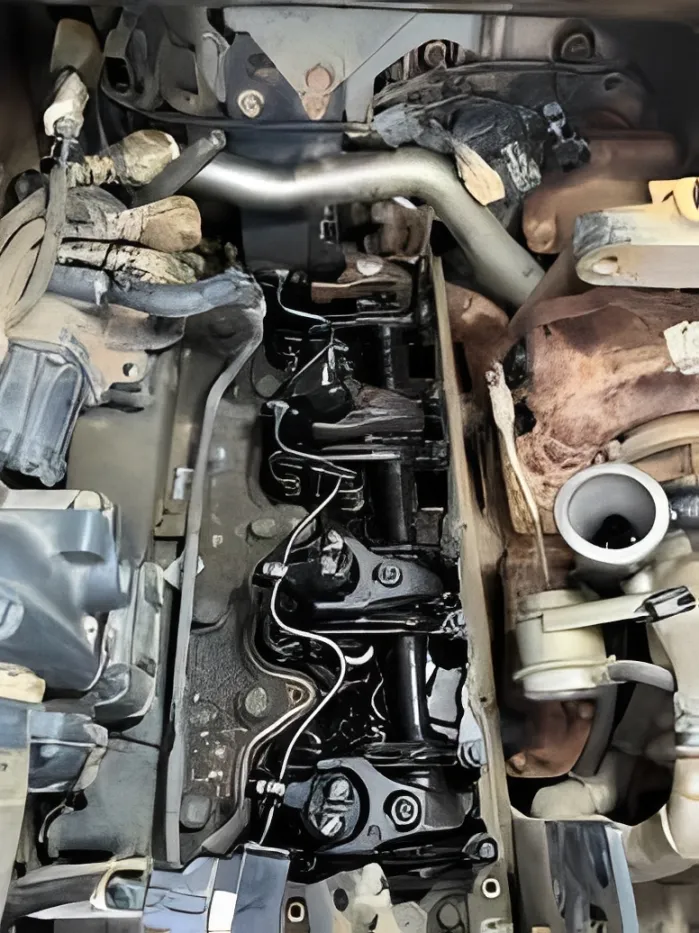
Exhaust manifold shrinkage is an extremely common, systemic issue. Repeated, extreme heat cycles from the turbocharger gradually cause the heavy cast-iron exhaust manifold to physically shrink and warp.
As the manifold shrinks, it places immense sheer force on the mounting bolts, eventually snapping the exhaust studs flush with the cylinder head. This creates severe exhaust leaks, turbo spool inefficiency, and dangerously high Exhaust Gas Temperatures (EGTs). Always inspect for black soot tracks around the exhaust ports during routine servicing. Replacing warped manifolds and broken studs early prevents highly expensive cylinder head machining later.
82%
OF Lower-end catastrophic failures on wet-sleeve diesel engines are directly caused by compromised liner O-rings allowing coolant to dilute engine oil, which is why regularly pressure testing the cooling system, as mandated in the factory repair manual, is vital.
Choosing the Right 8.3 Cummins Rebuild Kit
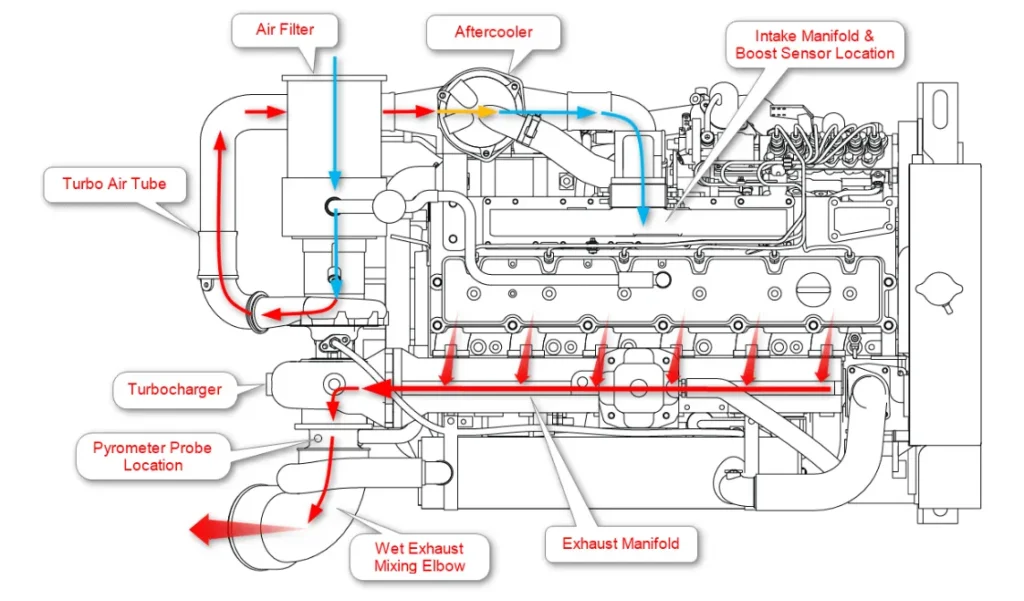
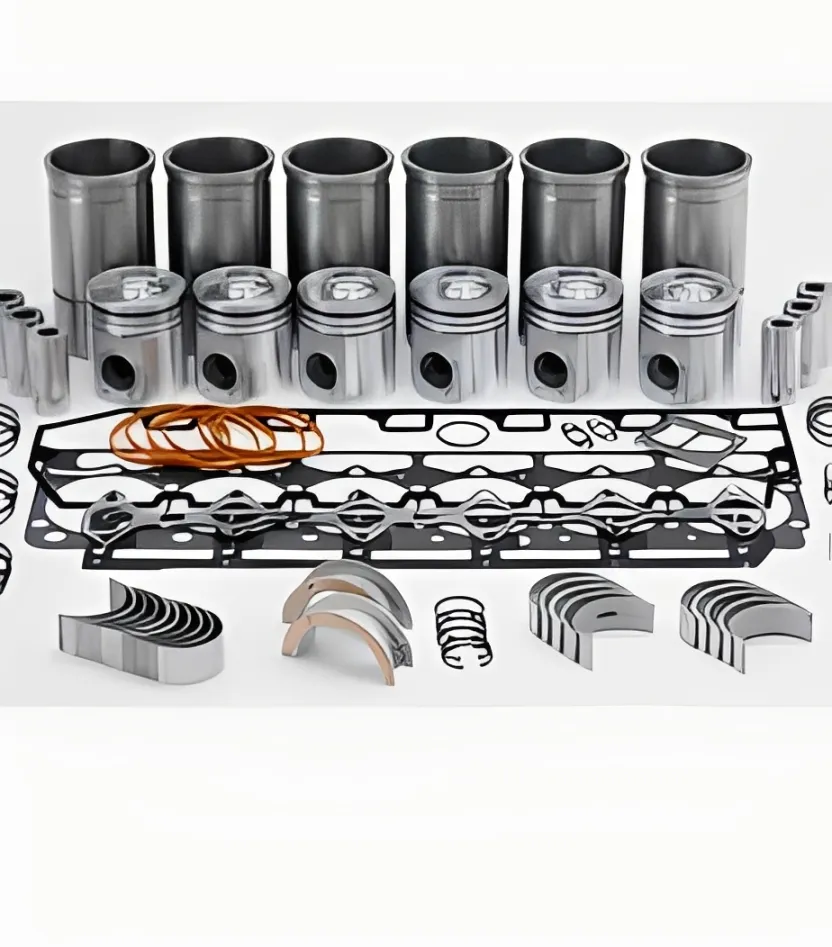
When the time finally comes to overhaul the engine, selecting the correct 8.3 Cummins rebuild kit determines whether the engine survives for another two decades or fails prematurely within a year.
Cheap, aftermarket white-box gasket kits often utilize low-grade rubber compounds, inferior sealing coatings, and weak fire ring materials on the head gaskets. These low-cost components frequently blow out under heavy commercial towing loads.
Essential Components of a Premium 8.3 Cummins Rebuild Kit
| Required Rebuild Component | Material Standard | Primary Engineering Purpose |
| Cylinder Head Gasket | MLS (Multi-Layer Steel) | Provides extreme high-pressure combustion sealing and prevents head lift under turbo boost. |
| Cylinder Liner O-Rings | High-Temp FKM / Viton | Prevents fatal coolant contamination from entering the oil pan. |
| Upper Gasket Set | Premium Elastomers | Complete sealing for the valve cover, intake plate, and exhaust manifold. |
| Lower Gasket Set | Silicone / FKM | Heavy-duty crankcase sealing and massive oil pan leak prevention. |
| Main & Rod Bearings | Tri-Metal / Copper Lead | Withstands the massive downward force of the piston firing. |
Professional diesel rebuilders increasingly demand FKM elastomer seals because they provide vastly higher heat resistance, better synthetic oil compatibility, and a significantly longer lifespan under brutal thermal cycling compared to standard nitrile rubber.
Securing Your Investment: Why Premium Seals Matter
When an 8.3 Cummins engine fails, the ripple effects are massive. Commercial fleet operations grind to a halt. Cross-country RV trips are ruined, leaving families stranded. For marine operators, an engine failure can create highly dangerous offshore situations.
Attempting to save a few hundred dollars by using cheap, unverified aftermarket gaskets during a $10,000+ engine rebuild is a terrible financial gamble.
VPGASKET manufactures heavy-duty, OEM-grade sealing solutions specifically engineered to handle the extreme cylinder pressures and thermal dynamics of the 8.3 Cummins block. By utilizing our precision-cut MLS head gaskets and advanced, chemically resistant FKM rubber O-rings, you guarantee your engine rebuild will last for hundreds of thousands of miles.
Our complete overhaul gasket kits permanently resolve factory weak points, ensuring your equipment stays out of the repair shop and remains profitable in the field.
Contact Us
If your diesel repair shop, commercial fleet, or marine service center specializes in rebuilding the legendary 8.3 Cummins platform, VPGASKET is ready to supply the premium sealing components you need.
Wholesale & Technical Support:
- Email: [email protected]
- Website: VPGASKET.com
Contact our B2B sales team today for bulk pricing on our complete 8.3 Cummins rebuild kit catalog, custom heavy-duty sealing solutions, and global export support for your engine machine shop.
FAQ
What is the most common failure on the 8.3 Cummins?
One of the most devastating hidden failures involves wet sleeve cavitation and the subsequent failure of the lower liner O-rings, which allows coolant to fatally contaminate the engine oil. Exhaust manifold shrinkage is also highly common.
Are 8.3 Cummins engines reliable?
Yes, the Cummins ISC 8.3 reliability reputation is extremely strong, bordering on legendary. However, this reliability only exists when owners strictly maintain coolant SCA chemistry, lubrication systems, and replace aging sealing components.
What causes 8.3 Cummins injection pump problems?
On electronic ISC models, CAPS injection pump failures are highly common and are usually caused by low fuel lubricity (due to modern ULSD fuels), severe fuel contamination, overheating, and inadequate lift pump filtration.
How long does an 8.3 Cummins last?
Properly maintained 8.3 Cummins engines routinely exceed 500,000 miles in commercial trucking applications, and can easily operate for tens of thousands of hours in steady-state marine or industrial environments.
What should a quality 8.3 Cummins rebuild kit include?
To guarantee longevity, a premium 8.3 Cummins rebuild kit must include a Multi-Layer Steel (MLS) head gasket, high-temperature FKM rubber seals, wet sleeve liner O-rings, intake/exhaust gaskets, turbo mounting gaskets, and heavy-duty front and rear main seals.