
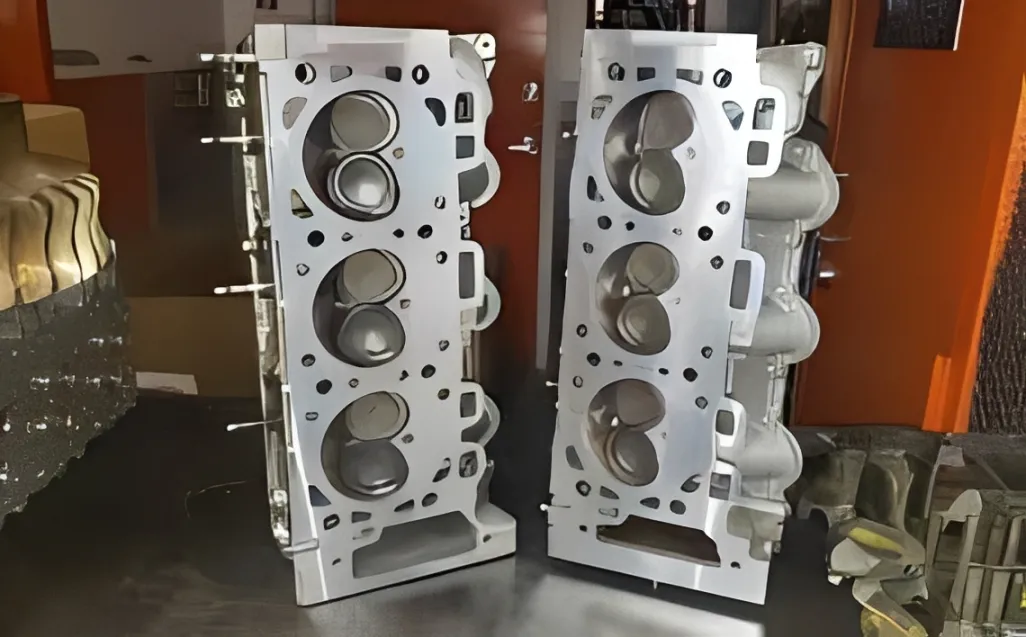
Understanding the Scope of Head Gasket Replacement
When fleet operators and mechanics ask, how long does it take to replace a head gasket, they often assume it is a simple remove-and-install job. In reality, a head gasket replacement is a highly technical, multi-stage process involving deep diagnostics, heavy disassembly, precision inspection, machine shop resurfacing, and meticulous reassembly.
The gasket itself is just one component in a complex system that must seal extreme combustion pressures, high-flow coolant, and synthetic engine oil simultaneously. Any failure in surface preparation or machining will inevitably lead to a repeat blowout.
For commercial diesel engines, extended downtime directly drains fleet revenue. Therefore, having a realistic answer to how long does it take to replace a head gasket is absolutely critical for planning maintenance schedules and controlling overhead costs.
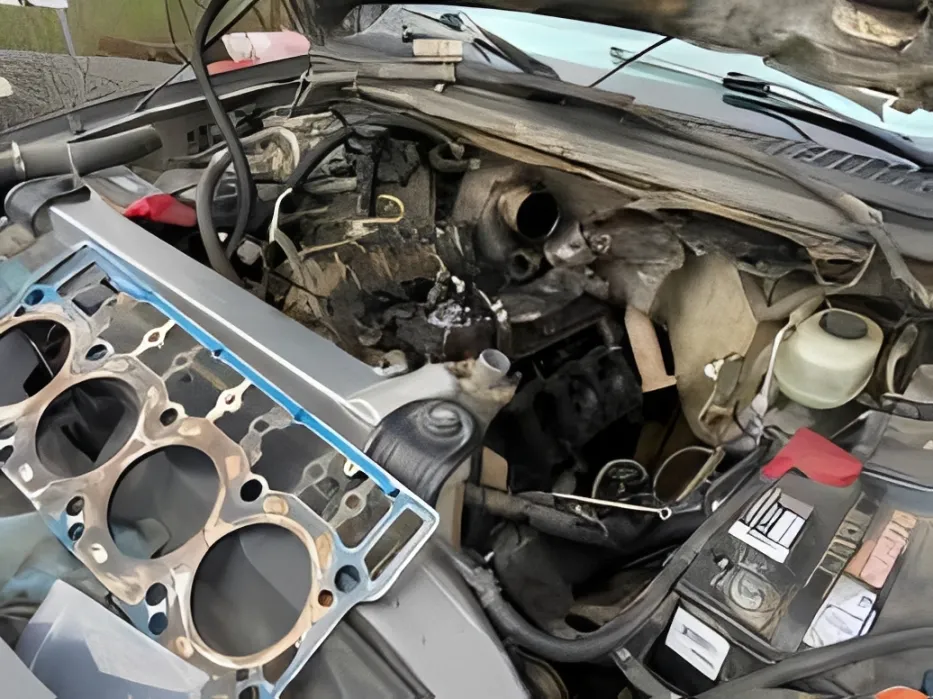
Breaking Down Head Gasket Replacement Labor Hours
Accurate mechanic labor time guide data depends heavily on the engine's architectural design, chassis accessibility, and internal condition. Below is a realistic breakdown based on heavy-duty industry repair standards.
Inline-4 vs. V8 vs. Heavy-Duty Inline-6
If you want to calculate exactly how long does it take to replace a head gasket, you must first identify the engine platform. For heavy-duty applications such as the Cummins ISB or ISX series, technicians must remove massive turbochargers, intercooler piping, heavy exhaust manifolds, and high-pressure fuel systems before even reaching the cylinder head.
| Engine Type | Typical Labor Hours (Teardown & Assembly) | Complexity Notes |
| Inline-4 (Passenger Vehicles) | 8 – 10 Hours | Easier top-end access, fewer heavy components. |
| V6 / V8 (Light/Medium Trucks) | 12 – 18 Hours | Complex V-block layout; dual cylinder heads require more teardown. |
| Heavy-Duty Inline-6 (Cummins ISX/ISB) | 15 – 25+ Hours | Commercial diesel engine teardown time is significantly higher. Requires overhead lifting cranes. |
The Hidden Time-Consumer: Machining and Resurfacing
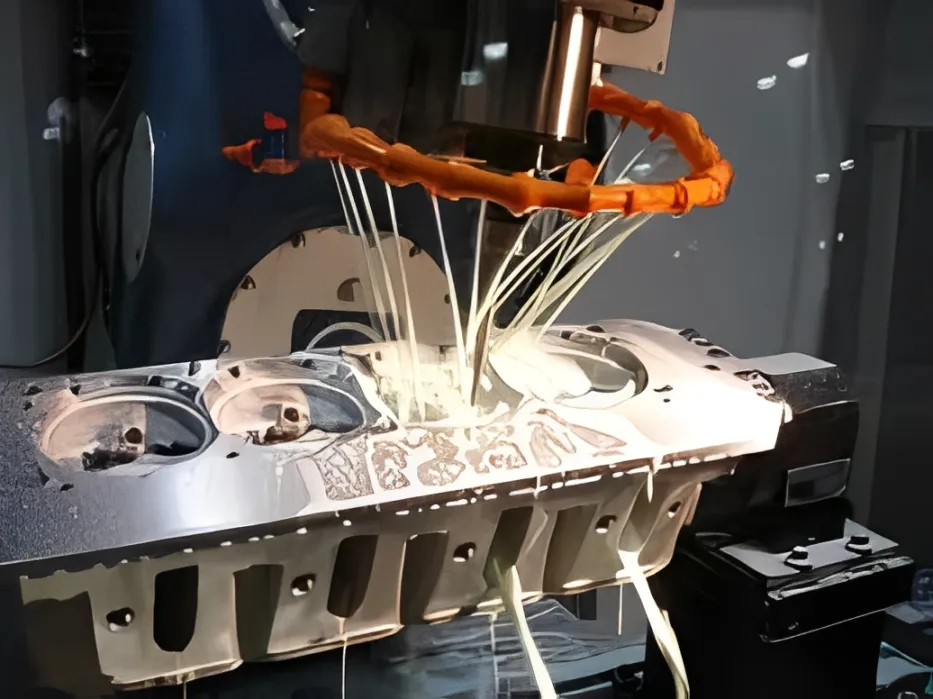
The most underestimated factor when estimating how long does it take to replace a head gasket is the mandatory machine shop time. You cannot simply bolt a new gasket onto a warped cylinder head.
Typical machining cylinder head time includes:
- Crack Inspection: Magnaflux testing to locate microscopic thermal stress fractures.
- Flatness Measurement: Using a precision straightedge and feeler gauge.
- Surface Resurfacing: Milling the cylinder head deck to meet the strict roughness (Ra) requirements of modern MLS (Multi-Layer Steel) gaskets.
Machining Time Table:
| Machining Process | Active Time Required | Real-World Shop Delay |
| Inspection & Testing | 2 – 4 hours | N/A |
| Surface Milling | 3 – 6 hours | N/A |
| Machine Shop Queue | N/A | 1 to 3 Days |
Important Insight: Even if the physical wrench-turning labor takes only a single 15-hour shift, machine shop delays frequently extend the total truck downtime to 3–5 days.
Factors That Can Extend Repair Times Unpredictably
Even with a highly accurate mechanic labor time guide, unexpected internal damage can derail your schedule. When customers ask how long does it take to replace a head gasket, you must account for these common commercial diesel delay factors:
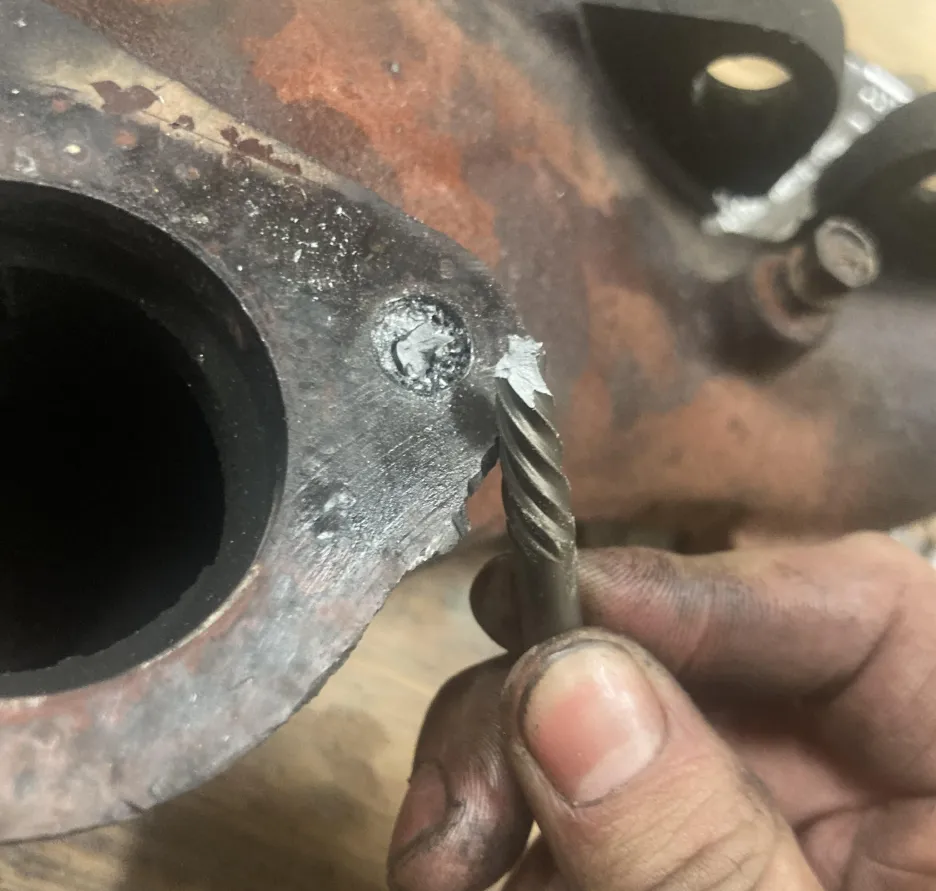
- Corroded Fasteners: Broken exhaust manifold bolts that require careful drilling and extraction.
- Cylinder Liner Drop: In wet-sleeve diesels, mechanics must measure liner protrusion. Sunk liners require block counterboring.
- Severe Warpage: A cylinder head warped beyond maximum machining limits must be completely replaced.
- System Flushing: Coolant mixed with engine oil requires extensive chemical flushing of the cooling system.
These unexpected factors can easily add 4 to 12 hours of labor, especially in older, high-mileage commercial fleets.
The Financial Impact: Preventive vs. Reactive Replacement Timelines
When fleet directors and heavy-duty shop managers ask how long does it take to replace a head gasket, they often fail to distinguish between a scheduled preventative maintenance overhaul and a catastrophic, mid-highway blowout scenario. If you are scheduling a preventative rebuild before the sealing material physically tears, the answer to how long does it take to replace a head gasket becomes a highly predictable and manageable metric. In this perfectly controlled environment, your procurement team can order the necessary heavy-duty VP GASKET kits well in advance, pre-book the critical machine shop queue, and perfectly streamline the commercial diesel engine teardown time. A precisely scheduled replacement typically adheres closely to the strict 15 to 25 labor hours outlined in a standard mechanic labor time guide. This means the heavy-duty commercial vehicle is safely back on the highway, actively generating freight revenue within a tightly controlled three-day window.
However, when an engine seal fails catastrophically under extreme commercial load, the exact answer to how long does it take to replace a head gasket changes dramatically. A blown gasket almost always leads to extreme coolant-to-oil cross-contamination, severely warped cylinder heads, and dangerously scored cylinder liners due to sudden overheating. In these severe, reactive repair scenarios, technicians must spend extensive additional labor hours chemically flushing the entire cast-iron engine block, cleaning the radiator, and purging the lubrication system of toxic sludge. This chaotic situation turns a standard mechanical repair into an unpredictable logistical ordeal, proving that accurately calculating how long does it take to replace a head gasket is heavily dependent on the exact moment you choose to bring the commercial diesel engine into the workshop.
Furthermore, successfully forecasting how long does it take to replace a head gasket is deeply tied to the initial diagnostic phase of the repair process. Many inexperienced technicians waste crucial fleet labor hours misdiagnosing a failed Exhaust Gas Recirculation (EGR) cooler, a damaged injector cup, or a cracked air compressor as a blown cylinder head gasket. By the time they actually confirm the failure and begin the heavy teardown, they have already burned through a full day of expensive diagnostic labor. To truly optimize how long does it take to replace a head gasket, modern fleet maintenance facilities must implement standardized, high-pressure cooling system testing protocols before a single bolt is turned.
Once the teardown actually begins, utilizing premium, exact-fit components—like our metal-reinforced VP GASKET Multi-Layer Steel seals—ensures that the reassembly phase proceeds flawlessly without mechanics fighting misaligned dowel pin holes or incorrect gasket thickness. Every single additional hour that your heavy-duty truck sits dead in the bay waiting on delayed machining cylinder head time or backordered aftermarket parts translates directly to thousands of dollars in lost logistical revenue. Ultimately, when a commercial logistics client calls your service center asking how long does it take to replace a head gasket, they are not just asking for a mechanical timeline; they are demanding a precise financial projection of their lost operational capacity.
What the Industry Experts Say
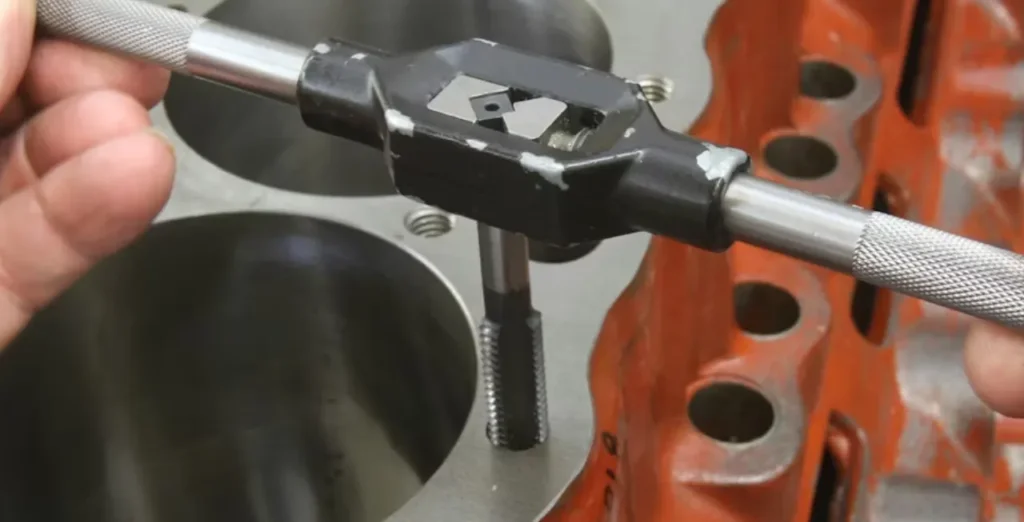
"Skipping block deck cleaning and thread chasing may save you 30 minutes today, but it almost always leads to improper torque and a blown gasket next week. In fleet operations, this 'time-saving' mistake results in thousands of dollars in secondary downtime and duplicated repair costs."
— Fleet Maintenance Supervisor David Carter
This insight proves that trying to unnaturally shorten the time it takes to replace a head gasket often creates massive long-term financial losses.
⚠️ Critical Technical Warning: Hydraulic Lock
Rushing the cleaning process of the engine block deck will inevitably leave microscopic debris and trapped fluids.
Surface preparation is not optional. It is the most critical step in sealing.
80%
of repeat head gasket failures are caused by mechanics failing to clean the blind head bolt holes. If engine oil or coolant is left inside the bolt hole, threading the bolt creates a "hydraulic lock." The torque wrench will click, but the gasket will not actually be clamped down, preventing proper sealing and leading to early gasket failure shortly after the repair.
—According to standard engine repair manuals,
Maximize Uptime with VP GASKET Solutions
Reducing head gasket replacement labor hours is not only about technician skill; the precision and quality of the replacement parts play a major role.
Why VP GASKET Helps Reduce Total Teardown Time:
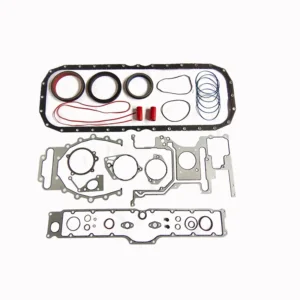
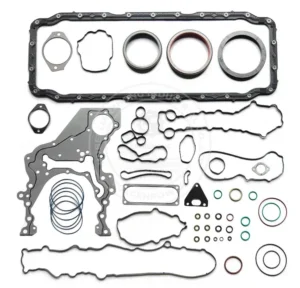
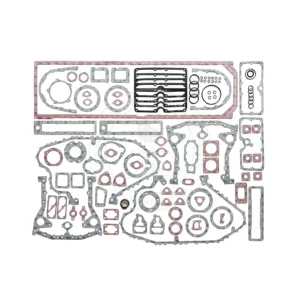
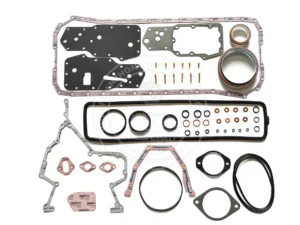
- Complete Demand Efficiency: Our comprehensive gasket kits include every necessary seal and O-ring, eliminating parts sourcing delays in the middle of a teardown.
- Superior Installation Experience: Our premium Multi-Layer Steel (MLS) gaskets feature advanced FKM elastomer coatings, ensuring the correct compression ratio immediately upon torque application.
- Operational Advantage: Exact-fit engineering drastically lowers the risk of rework, resulting in a faster, more secure installation cycle.
Related Products
Real Workshop Data – Time vs. Outcome
| Scenario | Total Repair Time | Final Result |
| Rushed Repair (Skipped Cleaning) | 1 – 2 days | High probability of immediate repeat failure. |
| Standard Repair (Low-Quality Parts) | 2 – 4 days | Moderate lifespan; higher risk of future leaks. |
| Proper Machining + VP GASKET | 3 – 5 days | Permanent seal and long-term fleet reliability. |
Partner With Us for Efficient Repairs
Reducing repair time without sacrificing engineering quality is the key to running a profitable heavy-duty maintenance operation. With VP GASKET, you receive precision-engineered gasket kits designed to reduce installation complexity and improve repair reliability.
See Our Sealing Technology in Person:
Are you looking to secure a leak-free environment for your commercial engines? Meet our engineering team at the upcoming Australian Auto Aftermarket Expo (AAAE) to discuss heavy-duty diesel solutions.
Melbourne, Australia | May 14 - 16, 2026 | Booth U28i
Reduce your workshop turnaround times today.
FAQ
Exactly how long does it take to replace a head gasket on a commercial diesel engine?
If you are wondering how long does it take to replace a head gasket on a heavy-duty diesel engine, expect 15 to 25+ hours of physical mechanic labor. However, total truck downtime usually extends to 3 to 5 days due to mandatory machine shop resurfacing.
Why does machining take so long?
The actual milling only takes a few hours, but comprehensive inspection, Magnaflux testing, and machine shop scheduling queues add significant, unavoidable delays to the repair timeline.
Can a head gasket replacement be done in one day?
Only in ideal conditions on small passenger cars that do not require cylinder head machining. It is physically impossible and highly not recommended for commercial heavy-duty diesel engines.
What is the biggest cause of repeat head gasket failure?
Improper block cleaning and incorrect torque application. Specifically, trapped fluids cause hydraulic lock in the bolt holes.
How can fleet repair time be reduced?
Using complete, high-quality gasket kits from VP GASKET and strictly following correct OEM preparation procedures reduces unexpected delays, missing parts, and costly rework.