
Table of Contents
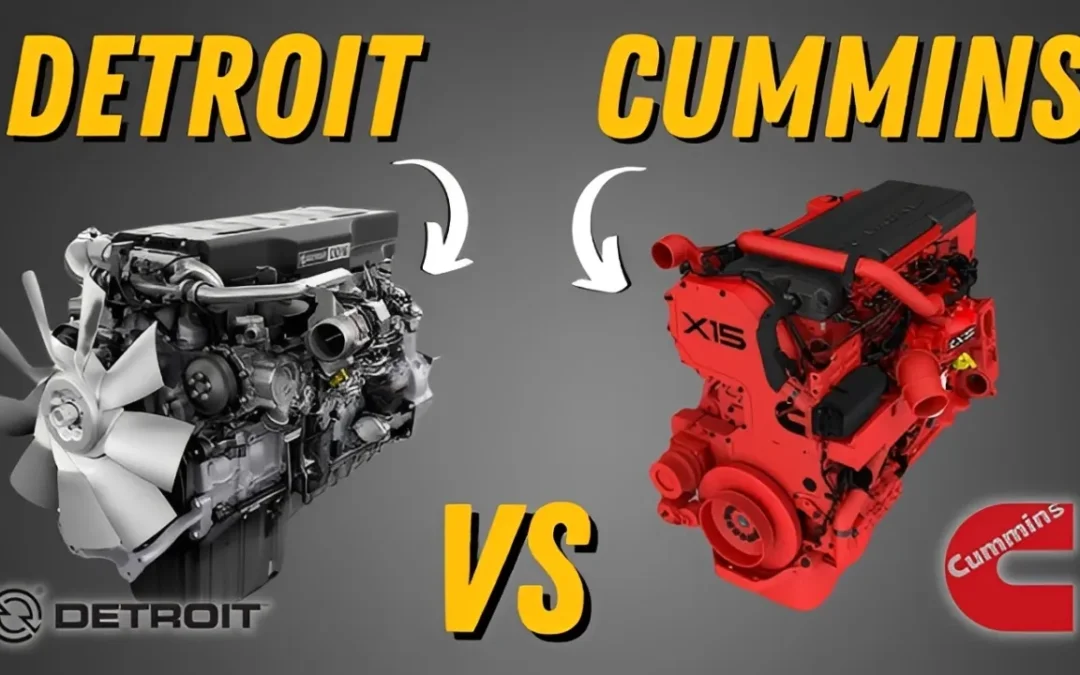
Decoding the Heavy-Duty Giants: Cummins X15 vs Detroit DD15
In the North American Class 8 heavy-duty truck and long-haul logistics sectors, fleet procurement decisions have always centered on total cost of ownership (TCO) and maximum uptime. When operations directors evaluate the underlying technical fundamentals, the comparison between the Cummins X15 and the Detroit DD15 is the most critical technical consideration. Both of these heavy-duty diesel engines boast a B50 design life of up to 1.2 million miles, but they employ fundamentally different engineering philosophies regarding combustion chamber thermodynamics, fuel injection pathways, and underlying cylinder block structures.
For commercial fleets hauling a Gross Combination Weight Rating (GCWR) of 80,000 pounds (or more), simply comparing horsepower figures is meaningless. The true test lies in how the engine maintains mechanical integrity under sustained peak cylinder pressure (PCP) and extreme exhaust backpressure. Starting with raw technical data, we will examine the differences in reliability between these two engines under extreme operating conditions.
"When evaluating the total cost of ownership for a commercial fleet, a thorough Cummins X15 vs Detroit DD15 comparison is the most critical step in maximizing long-term uptime and profitability."
Fuel System Architecture: XPI vs. ACRS
"A major deciding factor in the Cummins X15 vs Detroit DD15 debate comes down to how each platform handles extreme fuel injection pressures and the resulting thermal stress on the engine block."
Cummins X15 XPI (Extreme Pressure Injection) Dynamics
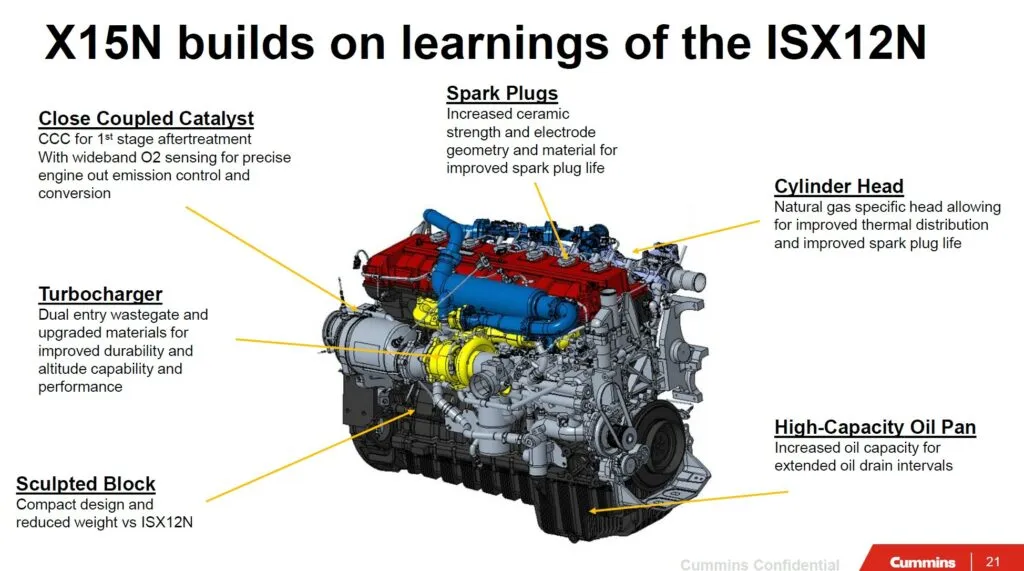
The Cummins X15 features an Extreme Pressure Injection (XPI) common-rail fuel system. The system’s mechanical pump is capable of generating extreme injection pressures of up to 35,000 psi (approximately 2,400 bar).
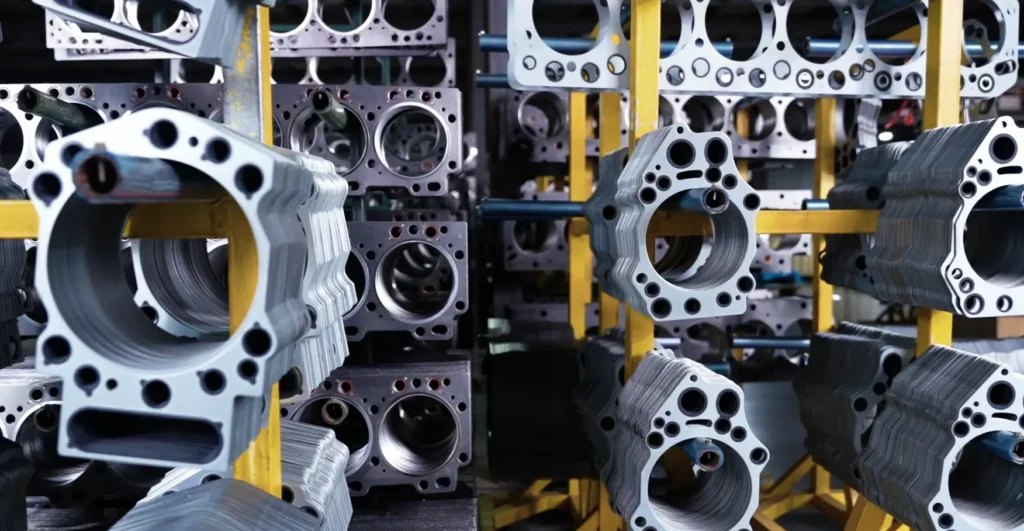
This extreme atomization breaks fuel particles down to the micron level, enabling near-perfect air-fuel mixing during the compression stroke. However, the 35,000 psi injection pressure directly results in extremely intense peak combustion pressures. This instantaneous mechanical expansion force places extremely demanding requirements on the tensile strength of the cylinder head bolts and the elastic recovery capability of the multi-layer steel (MLS) cylinder head gasket. If inferior seals are used during the rebuild process, the high-pressure combustion gases will instantly breach the sealing barrier.
Detroit DD15 Amplified Common Rail System (ACRS)
The Detroit DD15 employs an Amplified Common Rail System (ACRS) combined with its signature dual overhead camshaft (DOHC) design.
The DOHC architecture not only precisely controls the timing of intake and exhaust valve opening but also directly drives the fuel injection amplifiers via mechanical cams. This design achieves optimal combustion control through hydraulic amplification within the injectors, even at lower initial common rail pressures. Although its peak cylinder pressure is relatively smoother compared to the X15, the complex DOHC gear drive system increases the density of moving parts in the upper engine, placing higher demands on the shear stability of the engine oil and the heat-aging resistance of the valve cover gasket.
| Technical Specifications | Cummins X15 (Performance/Efficiency) | Detroit DD15 |
| Displacement | 14.9L | 14.8L |
| Valvetrain | Single overhead camshaft (SOHC) | Dual Overhead Camshaft (DOHC) |
| Fuel System | XPI (up to 35,000 psi) | ACRS (Amplified Common Rail System) |
| Peak Torque | 1,450 – 2,050 lb-ft | 1,550 – 1,850 lb-ft |
| Base cylinder material | High-strength gray cast iron | Proprietary alloy cast iron |
| B50 Design Life | 1,200,000 miles | 1,200,000 miles |
Cylinder Block and Thermal Stress Management
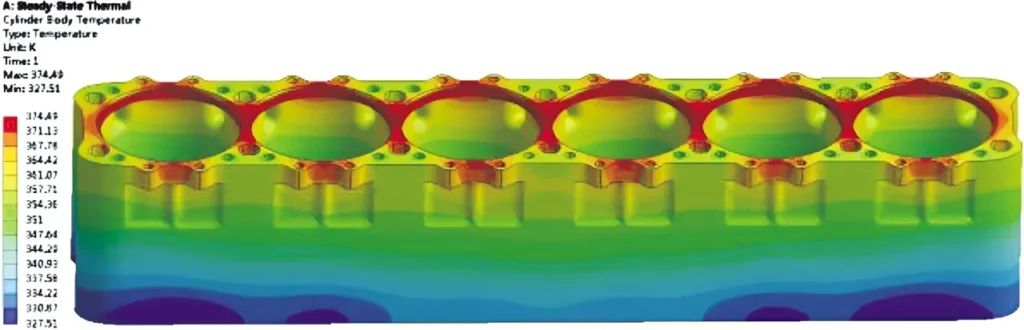
Thermal stress management in the cylinder block directly determines the upper limit of the Cummins X15’s reliability. Under heavy-load hill-climbing conditions, coolant flow rate and the coefficient of thermal expansion of metals are the critical physical factors that determine the engine’s performance.
If you look at a complete cummins x15 vs detroit dd15 teardown, the thermal stress management of the cylinder block quickly reveals which engine is built for extreme heavy-haul longevity.
Iron Casting and Cylinder Liner Cavitation
The Cummins X15 features an exceptionally robust cast-iron cylinder block, with cylinder liners designed to withstand prolonged radial expansion forces. However, heavy-duty wet cylinder liners generate high-frequency micro-vibrations during the piston’s high-frequency reciprocating motion. If the concentration of cavitation suppressant additives (SCA) in the coolant is insufficient, the micro-jets generated by cavitation bubble collapse will directly erode the metal on the outer wall of the cylinder liner, leading to cavitation perforation.
Head Gasket Clamping Force Comparison
When evaluating the reliability of the Cummins X15, the clamping force of the cylinder head is a critical metric. At peak torque output, the internal pressure within the combustion chamber of the X15 is extremely high. The original equipment Torque-to-Yield (TTY) bolts undergo irreversible plastic deformation once they reach the material’s yield point. Once the bolts stretch by more than 0.005 inches, the cylinder head will experience a slight upward displacement (head lift). At this point, only a multi-layer stainless steel (MLS) cylinder head gasket with an extremely high coefficient of elasticity can fill this microscopic gap, preventing catastrophic cross-contamination between coolant and engine oil.
Common Detroit DD15 Engine Problems You Must Monitor
Although the DD15 is known for its excellent fuel economy, fleet maintenance managers must closely monitor specific signs of mechanical deterioration. Understanding Detroit DD15 engine issues is essential for developing a preventive maintenance budget.
Oil Suction Manifold O-Ring Failures
In early DD15 models, one of the most critical Detroit DD15 engine problems is the aging and failure of the O-ring in the oil suction manifold.
From a physical standpoint, the rubber O-ring located inside the oil pan is subjected to prolonged immersion in engine oil that reaches temperatures as high as 120°C and contains acidic soot. Standard NBR rubber completely loses its elasticity and undergoes permanent compression deformation after thousands of hours of thermal cycling. This causes the oil pump to draw in air during suction, resulting in an instantaneous drop in oil pressure. The moment the main bearings lose hydrodynamic lubrication, metal-to-metal boundary friction occurs, causing the crankshaft to seize.
Asymmetrical Turbocharger Carbon Build-up
The DD15’s asymmetrical turbocharger specifically uses exhaust gases from the first three cylinders to drive the EGR system, while exhaust gases from the rear three cylinders are used to drive the turbine. Although this airflow distribution improves exhaust gas recirculation efficiency, it also leads to uneven carbon buildup on the turbine blades and inside the EGR cooler. Carbon buildup significantly increases exhaust backpressure, which in turn forces high-temperature exhaust gases to impact the exhaust manifold gasket.
Vehicle Platform and Engine Compatibility Matrix
| (Vehicle Brand) | (Compatible Models) | (Engine Option) | (Application) |
| Freightliner | Cascadia, 122SD | Detroit DD15 / Cummins X15 | Long-haul logistics / Heavy-duty haulage |
| Western Star | 49X, 57X | Detroit DD15 / Cummins X15 | Mining / Special Heavy-Duty / Road Trains |
| Kenworth | T680, W990 | Cummins X15 | Commercial Fleets / Independent Owners |
| Peterbilt | 579, 389 | Cummins X15 | Highway Transportation / Heavy Construction |

⚠️ Critical Technical Warning
Operating either the Cummins X15 or Detroit DD15 with degraded EGR coolers will introduce ethylene glycol directly into the combustion chamber. This chemical reaction instantly destroys the oil's Total Base Number (TBN), neutralizing its acid-fighting capability. The resulting highly acidic sludge leads to immediate main bearing boundary friction, rapidly accelerating camshaft wear, and ensuring a catastrophic crank failure within hundreds of miles.
Maintenance Manual Insights
Certified heavy-duty engine overhaul manuals provide unequivocal data regarding top-end structural integrity:
80%
of catastrophic top-end failures in commercial diesel engines originate from micro-leaks in factory composite gaskets failing to handle exhaust backpressure spikes under maximum load conditions.
What the Industry Experts Say
"The DD15 is engineered for extreme precision in its fuel mapping and valvetrain, but the X15's massive bottom end can withstand significantly higher rotational mass stress. However, neither block is immune to high-boost physics. Both platforms absolutely require FKM-coated MLS gaskets during a mid-life rebuild to survive the thermal saturation and boost parameters generated by modern VGT turbochargers."
– Senior Fleet Diagnostician Marcus Thorne
When asked to summarize the ultimate Cummins X15 vs Detroit DD15 performance battle, fleet diagnosticians point directly to material science and cylinder pressure limits.
Why Upgraded Sealing Dictates Heavy-Duty Diesel Engine Overhaul Success
Whether addressing Detroit DD15 engine issues or performing a routine Cummins X15 overhaul, the labor costs associated with a heavy-duty diesel engine overhaul are extremely high. Removing single- or dual-overhead camshafts, extracting heavy-duty injectors, and hoisting cast-iron cylinder heads weighing hundreds of pounds typically incurs thousands of dollars in labor costs alone.
In a heavy-duty diesel engine overhaul of this scale, the greatest technical blind spot lies in the use of single-layer gaskets that adhere to the original specifications during reassembly.
Under heavy load conditions, the peak firing pressure of modern X15 and DD15 engines can easily exceed 200 bar. Original composite or single-layer steel gaskets are unable to maintain a micro-seal under such extreme mechanical deformation. Only by upgrading to FKM (fluorocarbon rubber)-coated multi-layer steel (MLS) gaskets with multi-wave recovery capability can the immense pressure generated during each combustion cycle be perfectly contained within the cylinder, thereby fundamentally eliminating the massive financial losses associated with rework.
Secure Your Fleet's Compression with Advanced Materials: The VP GASKET Advantage
In commercial fleet operations, there is zero tolerance for component failure. VP GASKET is committed to providing materials science solutions that exceed OEM standards for heavy-duty customers worldwide.
Key Engineering Benefits of VP GASKET for Your Fleet:
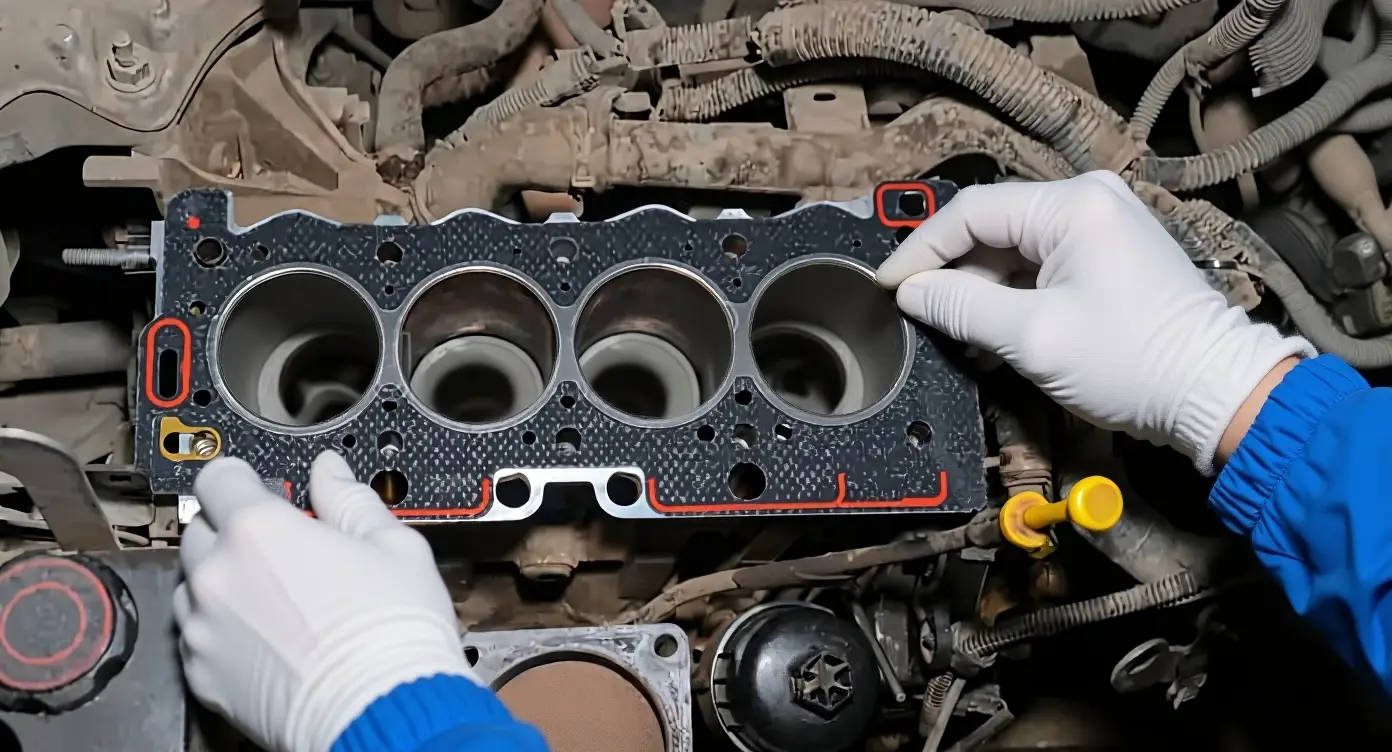
Extreme Cylinder Pressure Resistance (3,500 psi Tolerance): Our Multi-Layer Stainless Steel (MLS) cylinder head gaskets utilize precision corrugated forming technology and are specifically designed to withstand the extreme combustion pressures of modern high-pressure common-rail diesel engines.
Chemical Defense Coating (FKM Viton Coating): To combat acid corrosion from synthetic motor oil and high-temperature coolant, the surface is coated with a premium fluorocarbon rubber (FKM) layer, ensuring the gasket maintains long-term elasticity under extreme temperature fluctuations.
Elimination of Assembly Stress (Precision Tolerances): Perfectly matched to the complex oil and water passages of the X15 and DD15 engines, these gaskets eliminate micro-leaks and significantly extend maintenance intervals following engine overhauls.
Real-world customer case study:
A North American logistics fleet operating over 200 Freightliner Cascadia trucks previously experienced frequent valve seat failures caused by boost pressures exceeding 40 psi while hauling 80,000-pound loads in mountainous terrain. After implementing VP GASKET’s MLS Upper Overhaul Kit, the fleet not only eliminated cylinder pressure leaks but also successfully extended engine maintenance intervals by 30%, reducing annual maintenance costs per vehicle by over $2,500.
Heavy-Duty Diesel Engine Overhaul Seals Cross-Reference and Replacement Guide (OEM Cross-Reference)
| Component | Target Engine | OEM | Upgrade Line | Technical Benefit |
| Upper Engine Gasket Kit | Cummins ISX15 / X15 | 4352581 | VP-X15-MLS-U | MLS construction, reinforced metal ring in the combustion chamber, extremely high burst pressure resistance |
| Lower Block Gasket Kit | Cummins ISX15 / X15 | 4352582 | VP-X15-FKM-L | Highly acid-resistant fluorocarbon rubber base seal, eliminating oil leaks |
| Valve Cover Gasket | Detroit DD15 | A4720101180 | VP-DD15-VC | High-temperature-resistant silicone composite material to prevent oil leaks in DOHC engines |
| Oil Pan Gasket | Detroit DD15 | A4720140222 | VP-DD15-OP | Reinforced molded rubber, resistant to sulfide attack |
| Turbocharger Installation Kit | X15 / DD15 | - | VP-HD-TURBO-KIT | High-temperature alloy steel flange gaskets, designed to prevent high-temperature backpressure leaks |
Contact Us: Engineer Your Fleet's Future Reliability
Don’t let flimsy, low-quality gaskets ruin the underlying structure of your engine, which is worth tens of thousands of dollars. Whether you’re planning annual preventive maintenance for your fleet or need to establish a reliable, high-quality parts supply chain for a large repair center, VP GASKET is your most dependable engineering partner.
We offer specialized sealing solutions for Cummins X15, Detroit DD15, and the full range of heavy-duty industrial diesel engines.
FAQ
What is the biggest difference in a cummins x15 vs detroit dd15 fuel system comparison?
The primary difference lies in the injection architecture. The Cummins X15 uses the XPI system, generating up to 35,000 psi via a mechanical pump, while the Detroit DD15 utilizes the ACRS system powered by dual overhead camshafts (DOHC) to amplify pressure.
Are Detroit DD15 engine problems expensive to fix?
Yes, issues like oil suction manifold O-ring failures or asymmetrical turbocharger carbon buildup require significant labor hours for teardown, making premium replacement seals mandatory to prevent repeat failures.
How does head gasket design affect Cummins X15 reliability?
The X15 produces massive peak firing pressures. If a standard gasket is used, the cylinder head lift under extreme boost will cause a blowout. Upgrading to a Multi-Layer Steel (MLS) gasket ensures the engine maintains full compression reliability.
When should I perform a heavy-duty diesel engine overhaul on these engines?
Most commercial fleets plan a mid-life top-end or in-frame overhaul between 600,000 and 800,000 miles to replace degrading gaskets, bearings, and valvetrain components before catastrophic failure occurs.
Why choose VP GASKET for my fleet's rebuild?
VPGASKET manufactures FKM-coated MLS sealing solutions that far exceed standard aftermarket materials. Our kits are engineered specifically to withstand the extreme thermal loads and cylinder pressures of high-output engines like the X15 and DD15.