
Table of Contents
The Hidden Link Between Your RAM 2500 DEF Tank Size and Sudden Limp Mode
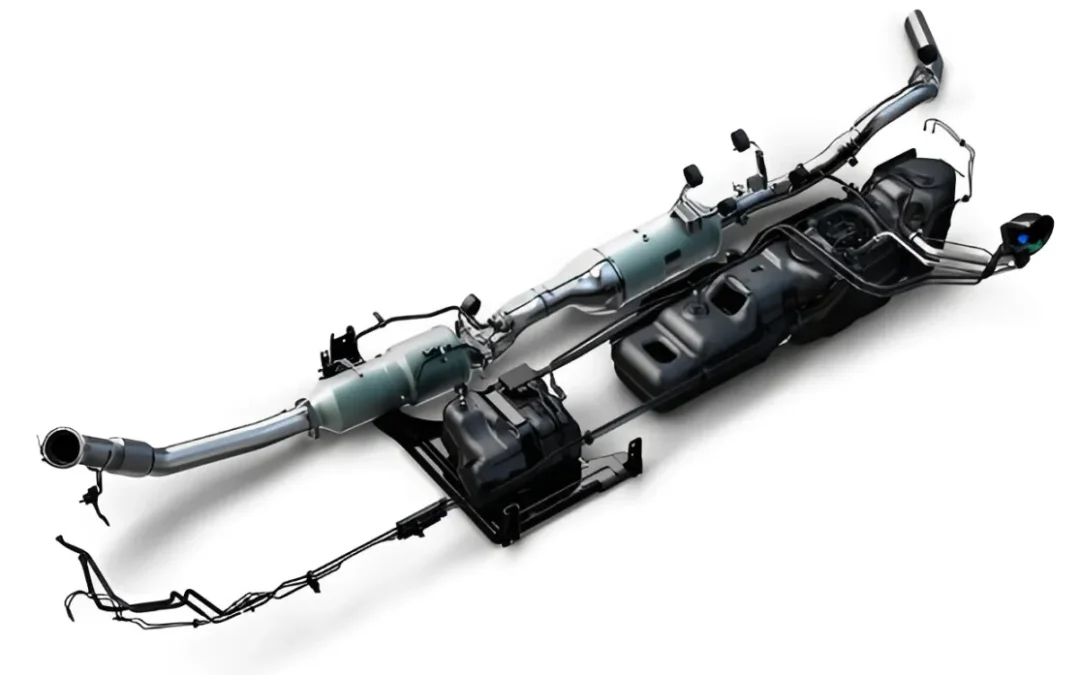
When purchasing a heavy-duty diesel truck, many owners focus entirely on horsepower, maximum payload, towing numbers, and transmission strength. However, one highly overlooked mechanical detail causes thousands of frustrating roadside breakdowns every single year: a misunderstanding of the RAM 2500 DEF tank size and its associated emissions management system.
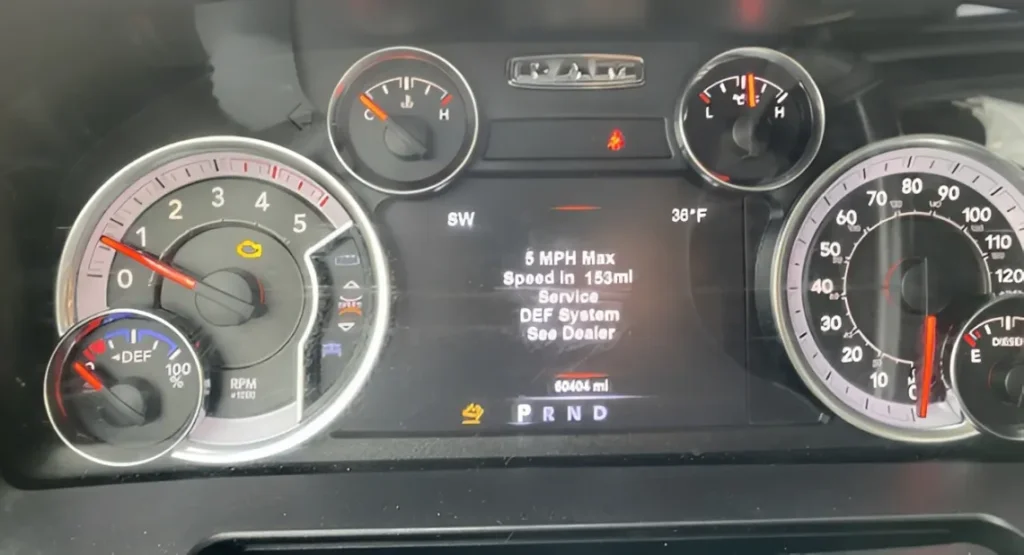
Modern RAM 2500 trucks equipped with the legendary 6.7L Cummins Turbo Diesel engine rely heavily on Diesel Exhaust Fluid (DEF) to maintain strict government emissions compliance and avoid immediate engine derate. Once the DEF fluid level becomes critically low, the truck's computer system can force the engine into a restricted power mode, also known as "limp mode," severely limiting your speed and towing capability until the fluid is restored. For commercial hotshot operators, construction contractors, RV owners, and heavy towing users, this restriction can become a major operational disaster.
The biggest frustration for customers is not simply locating and filling the DEF tank. The real issue is understanding how fluid consumption drastically changes under different driving conditions. Many owners mistakenly assume the published RAM 2500 DEF fluid capacity guarantees a long, predictable operating range. In reality, heavy payload hauling, extended high idle times, extreme ambient temperatures, and poor-quality fluid dramatically reduce that expected range.
If you have ever searched for exactly "how many gallons of DEF does a RAM 2500 hold," you are likely trying to solve a real-world operational downtime problem, not just looking for a simple specification in an owner's manual. The latest RAM 2500 models equipped with the Cummins 6.7 diesel engine consume DEF at rates typically ranging from 2% to 5% of total diesel fuel consumption. However, under severe conditions, this calculation changes completely.
Understanding your RAM 2500 DEF tank size helps you actively prevent:
- Unexpected limp mode activation on the highway.
- Selective Catalytic Reduction (SCR) sensor failures.
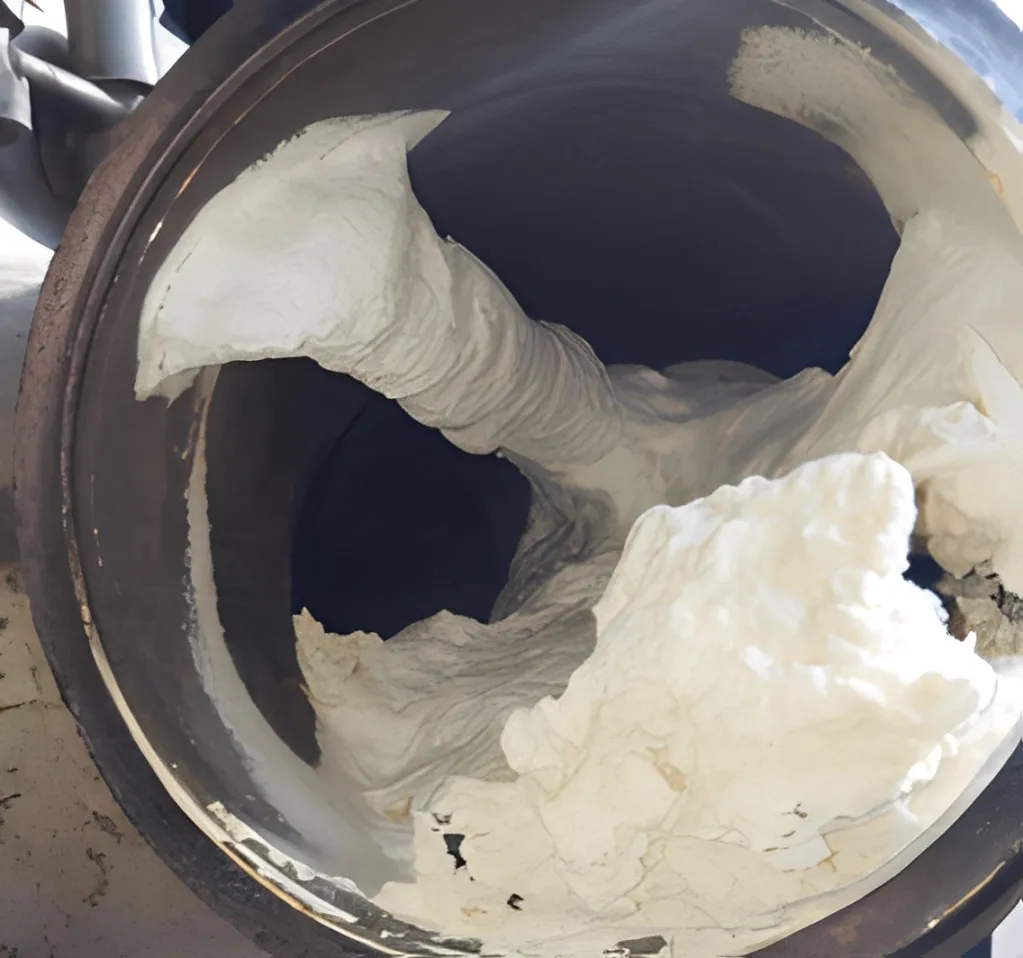
- DEF crystallization inside the injector nozzle.
- Expensive NOx sensor replacements and DPF regeneration problems.
For many of our commercial fleet customers, understanding proper fluid management and upgrading their exhaust sealing systems has reduced emissions-related service visits by more than 40% during high-load seasonal operations.
Breaking Down the Exact RAM 2500 DEF Fluid Capacity by Model Year
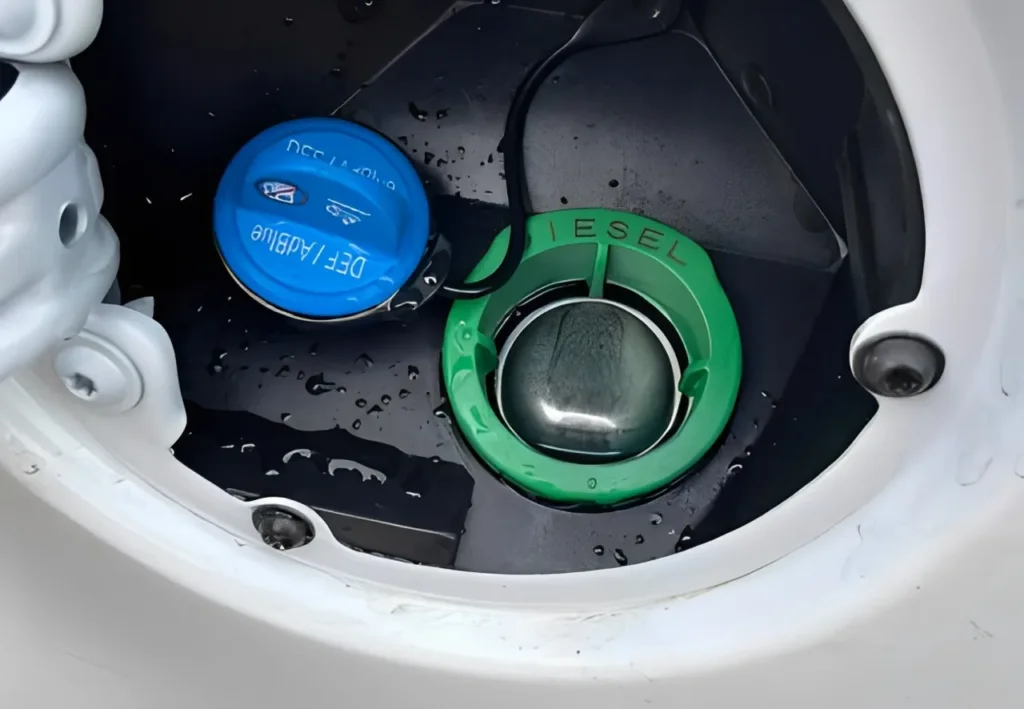
The actual RAM 2500 DEF tank size varies slightly depending on your specific model year, cab configuration, drivetrain layout, and factory fuel tank combinations. Knowing exactly what equipment is installed on your chassis is the first step in planning long-haul maintenance.
Below is a practical, highly detailed reference table for commonly searched Cummins-equipped RAM 2500 trucks.
RAM 2500 DEF Fluid Capacity and Tank Layouts
| Model Year | Engine Platform | Approximate DEF Capacity | Fuel Tank Options | Typical Cab Configuration |
| 2013 - 2018 | 6.7L Cummins Diesel | ~5.5 gallons (20.8 Liters) | 31 or 32 gallons | Standard / Mega Cab |
| 2019 - 2022 | 6.7L Cummins Diesel | ~5.5 gallons (20.8 Liters) | 31 to 50 gallons | Crew Cab / Mega Cab |
| 2023 - 2025 | 6.7L Cummins Standard & HO | ~5.5 gallons (20.8 Liters) | 31 to 50 gallons | Crew Cab / Mega Cab |
| Chassis Cab | 6.7L Cummins Commercial | ~9.0 gallons (Optional) | 52 to 74 gallons | Commercial Fleet Vehicles |
When asking how many gallons of DEF a RAM 2500 requires, the average answer for consumer trucks remains approximately 5.5 gallons across most modern diesel configurations.
However, truck owners must understand an incredibly important engineering reality: A larger fuel tank does not increase the RAM 2500 DEF tank size proportionally.
This means trucks ordered with the massive optional 50-gallon diesel fuel tanks still only carry approximately 5.5 gallons of emissions fluid. Under long-distance towing conditions, your fluid refill intervals become much shorter than your fuel refill intervals. You may find yourself stopping for DEF long before you need to stop for diesel.
Standard Cab vs. Mega Cab Configurations and RAM 2500 DEF Tank Size
The specific cab design of your truck slightly changes the overall weight distribution, aerodynamics, and fuel system packaging. Mega Cab models generally have a higher starting curb weight, an increased passenger load capacity, and a different rear suspension geometry.
Although the RAM 2500 DEF fluid capacity itself usually remains identical to standard cabs, Mega Cab trucks towing heavy trailers often experience much higher real-world consumption. Because the truck is heavier and less aerodynamic, the engine works harder. This leads to faster SCR activation cycles, increased exhaust temperatures, and much more frequent DEF injection events to neutralize the resulting nitrogen oxides (NOx).
How DEF Usage While Towing Heavy Affects Your Range
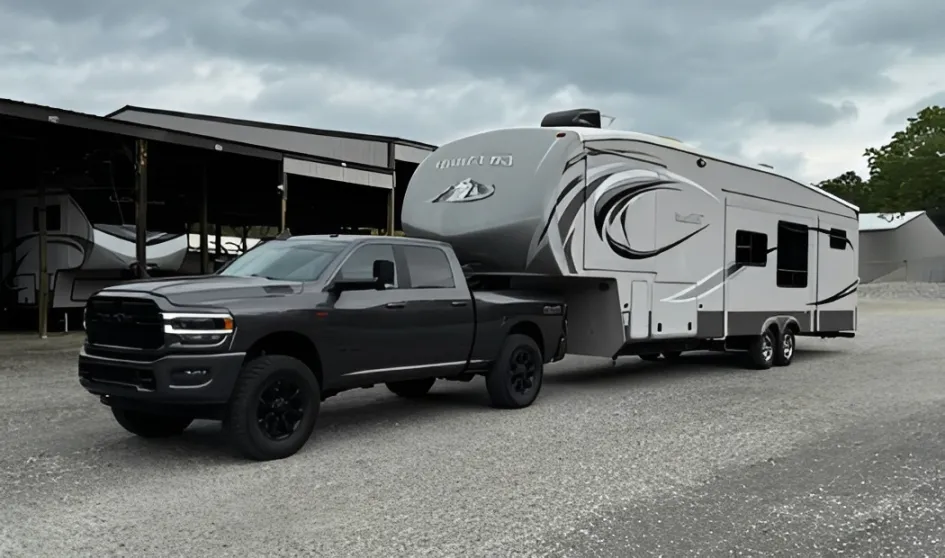
Your DEF usage while towing heavy loads is directly and inextricably connected to your exhaust gas temperature (EGT) and your SCR catalyst demand. The basic chemistry of modern diesel emissions dictates that the harder the engine works, the more fluid it requires.
When you tow a heavy load:
- The engine burns significantly more diesel fuel to generate torque.
- Higher fuel consumption under heavy load drastically increases NOx emissions.
- The computer commands the DEF injector to spray more fluid into the exhaust stream to convert the toxic NOx into harmless nitrogen and water vapor.
This is exactly why drivers searching for information on DEF usage while towing heavy often discover that their refill frequency completely doubles under severe towing cycles.
Estimated DEF Range Based on Driving Conditions (Assuming 5.5 Gallon Tank)
| Driving Condition / Load | Estimated Fuel Economy | Estimated DEF / Fuel Ratio | Expected DEF Range (Full Tank) |
| Empty Highway Driving | 18 - 20 MPG | ~2.0% | 800 - 1,200 miles |
| Moderate Towing (5,000 lbs) | 12 - 14 MPG | ~3.0% | 500 - 750 miles |
| Heavy Fifth-Wheel (15,000+ lbs) | 8 - 10 MPG | ~4.5% to 5.0% | 300 - 500 miles |
A RAM 2500 pulling a massive 15,000-pound fifth-wheel camper, an enclosed car trailer, heavy construction equipment, or a large livestock trailer will consume fluid nearly twice as fast compared to unloaded highway operation.
Furthermore, environmental conditions matter heavily for your RAM 2500 DEF tank size efficiency:
- High altitude driving increases turbocharger demand, leading to richer fueling and higher NOx.
- Hot summer climates raise SCR catalyst temperatures naturally.
- Heavy stop-and-go city traffic increases the frequency of DPF (Diesel Particulate Filter) active regenerations.
What the Industry Experts Say About RAM 2500 DEF Tank Size and Systems
- Senior Diesel Emissions Specialist – Michael Reeves"Most truck owners completely underestimate how quickly Diesel Exhaust Fluid degrades after exposure to heat or contamination. Once microscopic crystallization begins inside the injector nozzle or the tank neck, the SCR system becomes highly unreliable very fast, regardless of your total tank size."
- Fleet Maintenance Director – Daniel Foster"Idle time is one of the biggest hidden factors affecting overall fluid usage. Commercial trucks sitting at job sites idling for hours to power inverters or maintain cabin climate will consume fluid at rates owners never expect, quickly draining their 5.5-gallon reserves."
- Cummins Platform Technician – Anthony Miller"Cheap, uncertified fluid actively destroys expensive emissions systems. We regularly see contaminated fluid permanently damage lift pumps, internal tank heaters, and highly sensitive NOx sensors on otherwise completely healthy 6.7L trucks."
Never Ignore RAM 2500 DEF Fluid Capacity and Quality
WARNING: Never Ignore Strict DEF Quality Standards
Understanding how many gallons of DEF a RAM 2500 holds is useless if you put the wrong fluid into the system. You must never top off your DEF tank with unsealed fluid, expired fluid, low-quality generic fluid, or fluid from contaminated storage containers.
Diesel Exhaust Fluid is composed of 32.5% highly pure urea and 67.5% deionized water. It is incredibly sensitive to dirt, dust, and mineral contamination. Pouring poor-quality fluid into your RAM 2500 DEF tank size can immediately trigger a cascade of severe mechanical and electronic failures, including:
- Persistent SCR efficiency check engine codes.
- DEF quality sensor permanent faults.
- Hard crystallization inside the exhaust injector nozzle.
- Immediate limp mode activation and engine derate conditions.
Overfilling the tank is equally dangerous. The fluid expands naturally under temperature changes. Forcing excess fluid to the very top of the filler neck can create immense pressure buildup inside the system and accelerate hard crystallization around the cap, which damages the venting system.
A contaminated system can easily generate massive repair bills exceeding $1,500 for a simple injector replacement, and upwards of $4,000 for a complete SCR catalyst and pump replacement. Always purchase sealed, API-certified fluid.
Troubleshooting DEF System Warnings and Cummins DEF Tank Upgrade Options
Modern RAM 2500 trucks contain highly complex emissions monitoring systems. Even a minor related fault can trigger persistent dashboard warning messages. Understanding these warnings early helps you avoid catastrophic downtime.
Reading the Dashboard Gauge Accurately
Many owners misunderstand how the fluid gauge behavior actually works. Unlike instant fuel gauges, DEF level sensors utilize ultrasonic technology or float systems that update very slowly. They often lag after a refill and rely on complex temperature compensation algorithms.
Common, completely normal behaviors include a gauge delay immediately after filling, sudden level drops after a restart, or slightly inaccurate readings during extreme cold weather. However, if you experience persistent empty warnings immediately after filling your RAM 2500 DEF fluid capacity, it may indicate a failed internal heater, a level sensor malfunction, or a crystallized injector.
Winter Driving and DEF Freezing Issues
Diesel Exhaust Fluid freezes solid at approximately 12°F (-11°C). To combat this, RAM 2500 trucks include internal tank heaters, heated supply lines, and SCR temperature management systems. However, cold-weather failures still happen frequently when the heaters burn out.
Drivers operating in freezing northern climates should always store extra fluid indoors, avoid using partially opened containers, and try to keep the tank above half full during winter to allow the heater to work efficiently without burning out.
For commercial operators frustrated by the factory limitations, exploring a Cummins DEF tank upgrade has become popular. Aftermarket companies offer heavy-duty aluminum skid plates to protect the factory plastic tank from off-road debris, and some specialized upfitters offer auxiliary tanks or relocation kits for chassis-cab models to increase total capacity for long-haul routes.
Load Miscalculation and RAM 2500 DEF Tank Size
79%
of all emissions-related customer complaints stem directly from drivers who completely misunderstand their DEF usage while towing heavy loads.—Based on comprehensive diesel service shop intake records.
Many drivers calculate their diesel fuel range perfectly but entirely ignore the SCR duty cycle, high towing elevations, extreme ambient heat, extended idle hours, and the frequency of active DPF regeneration. This leads directly to unexpected fluid depletion and sudden limp mode on the highway.
To correctly prevent these issues, operators must track their engine hours alongside their mileage and carry high-quality spare fluid when crossing mountainous terrain or hauling heavy equipment.
Citify Integration: Complete Your Heavy-Duty Maintenance Ecosystem
To truly maximize the reliability of your RAM 2500, managing your emissions fluid is only one part of the puzzle. The health of your exhaust system is directly tied to the health of your engine oil. When internal engine oil breaks down, it creates excessive soot that flows directly into your DPF and SCR systems, forcing the truck to consume significantly more DEF to clean the exhaust.
To build a complete, bulletproof maintenance strategy, we strongly recommend reviewing our comprehensive technical guide:
➡️ 7 Critical Cummins Engine Oil Change Intervals You Can’t Ignore
By understanding exactly when to change your engine oil based on towing severity, you drastically reduce the amount of soot your engine produces. Less soot means less active DPF regeneration, which ultimately lowers your exhaust temperatures and reduces your overall DEF usage while towing heavy. This integrated approach to fluid management saves you thousands of dollars over the lifespan of your Cummins engine.
Dealing with Emissions Headaches? Why You Should Contact Us for Cummins Parts
Constant dashboard warnings remove the confidence that owners expect from a heavy-duty diesel truck. Our B2B and fleet customers frequently contact us after experiencing repeated limp mode activation, unexplained fluid loss, towing-related emissions faults, and recurring exhaust leaks.
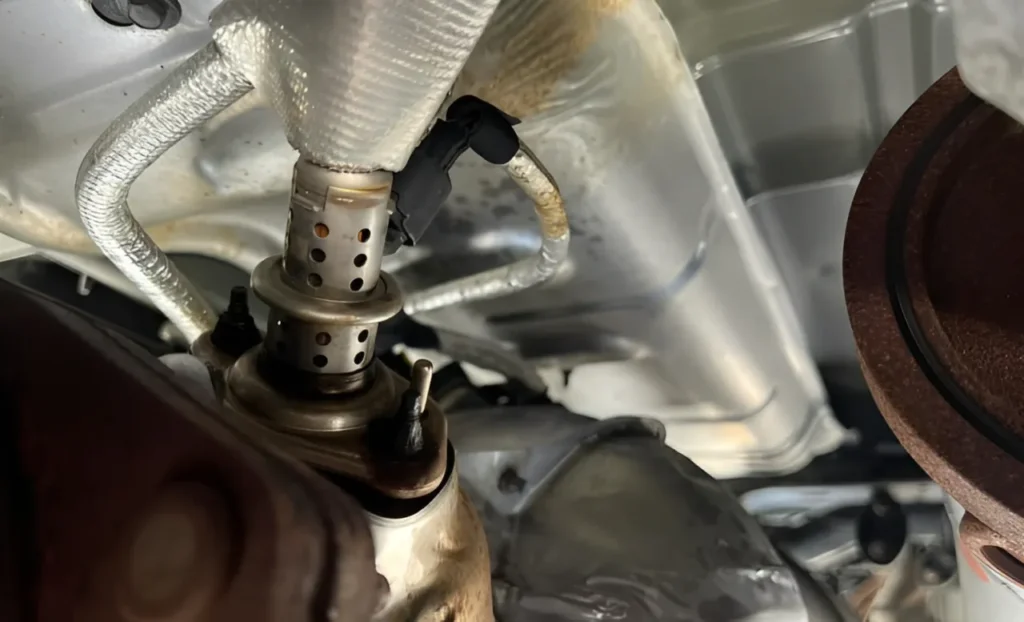
Instead of replacing random, expensive electronic parts, our diesel sealing specialists help identify the root mechanical cause. Often, the SCR system fails to dose the fluid correctly because there is a microscopic exhaust leak before the NOx sensor. If the exhaust gasket between the DPF and the SCR catalyst is leaking, the sensors read incorrect oxygen levels, causing the system to over-inject fluid and drain your RAM 2500 DEF tank size prematurely.
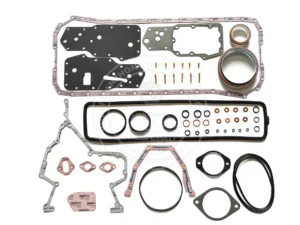
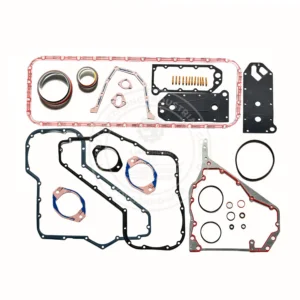
At VP GASKET, we assist with premium emissions component sealing, high-temperature DPF gaskets, precision O-rings for DEF injectors, and complete heavy-duty towing maintenance overhaul kits.
Our Product Advantages:
- Extreme Heat Resistance: Our Multi-Layer Steel (MLS) exhaust gaskets prevent leaks before the SCR catalyst, ensuring your sensors read correctly.
- Chemical Immunity: We utilize premium FKM (Fluoroelastomer) materials for injector O-rings that will never degrade when exposed to acidic exhaust fluids.
- Direct OEM Fitment: Exact compatibility for your specific Cummins 6.7L exhaust and emissions hardware.
If your truck experiences abnormal fluid usage, repeat SCR faults, or visible exhaust soot leaks under the cabin, our technical manufacturing team can provide a permanent sealing solution rather than a temporary dealership repair.
Compatible Vehicles, Engine Applications, and Sealing Data
Understanding exactly which parts fit your truck is crucial for maintaining your emissions system.
Compatible Vehicles and Cummins Engine Applications
| Vehicle Platform | Engine Specification | Emissions System Type | Typical Operational Use |
| RAM 2500 HD | 6.7L Cummins ISB | SCR + DPF | Standard Heavy-Duty Consumer Towing |
| RAM 3500 HD | 6.7L Cummins HO (High Output) | SCR + DPF | Extreme Fifth-Wheel and Commercial Towing |
| RAM 4500 / 5500 | 6.7L Cummins Chassis Cab | Commercial SCR | Heavy Flatbed / Service Truck Applications |
| Freightliner M2 | Cummins ISB 6.7 Commercial | Heavy-Duty SCR | Vocational / Delivery Fleet Use |
Common Replaceable DEF and Emissions Components
| System Component | Upgraded Sealing Solution Available | Customer Benefit |
| DEF Injector Nozzle | Premium FKM Viton O-Rings | Prevents external fluid weeping and crystallization. |
| DPF to SCR Flange | Multi-Layer Steel (MLS) Gasket | Stops exhaust leaks that confuse NOx sensors. |
| EGR Cooler Gaskets | High-Temperature Graphite | Prevents coolant from entering the exhaust stream. |
| Exhaust Manifold | Heavy-Duty MLS with Fire Rings | Maintains turbo drive pressure and proper EGTs. |
Related Products
Why High-Quality Sealing Components Matter in DEF Systems
Diesel Exhaust Fluid systems operate under extreme conditions. They face massive thermal cycling (from freezing winter nights to 1,000°F exhaust temperatures), constant chemical exposure from urea, extreme chassis vibration, and severe pressure fluctuations.
Low-quality aftermarket gaskets and rubber seals often fail early under these conditions. By utilizing VP GASKET's upgraded sealing kits, you drastically reduce the risk of coolant contamination, injector leaks, and premature sensor damage. Customers using our premium sealing materials frequently report significantly lower annual maintenance costs, fewer dashboard fault codes, improved uptime, and vastly better towing confidence. This is exactly why premium sealing matters for your heavy-duty Cummins platform.
FAQ
Exactly how many gallons of DEF does a RAM 2500 hold?
Most modern RAM 2500 diesel trucks (from 2013 to the present) hold approximately 5.5 gallons (20.8 Liters) of DEF fluid, regardless of whether you have the standard or the optional high-capacity diesel fuel tank.
Does DEF usage while towing heavy really increase that much?
Yes. Heavy towing significantly increases the engine's workload, which generates more NOx emissions. The system must inject much more fluid to clean the exhaust, often cutting your fluid range in half.
Is a Cummins DEF tank upgrade available for my truck?
While you cannot easily swap the factory plastic tank on a standard pickup due to space limitations, many aftermarket companies offer heavy-duty aluminum skid plates for protection, and specialized upfitters offer auxiliary tanks for commercial chassis-cab models.
Can fluid freeze inside my RAM 2500 DEF fluid capacity tank?
Yes, Diesel Exhaust Fluid freezes solid at approximately 12°F (-11°C). However, RAM 2500 trucks are equipped with internal heaters that normally thaw the fluid automatically shortly after the engine is started.
What actually happens if my RAM 2500 DEF tank size drops to empty?
If you ignore the warnings and run empty, the truck's computer will force the engine into a severe derate (limp mode), limiting your speed to around 5 MPH, and eventually preventing the engine from restarting until certified fluid is added.