
Table of Contents
The Reality Behind the Liebherr R9800 Price
Why is the Liebherr R9800 so incredibly expensive?
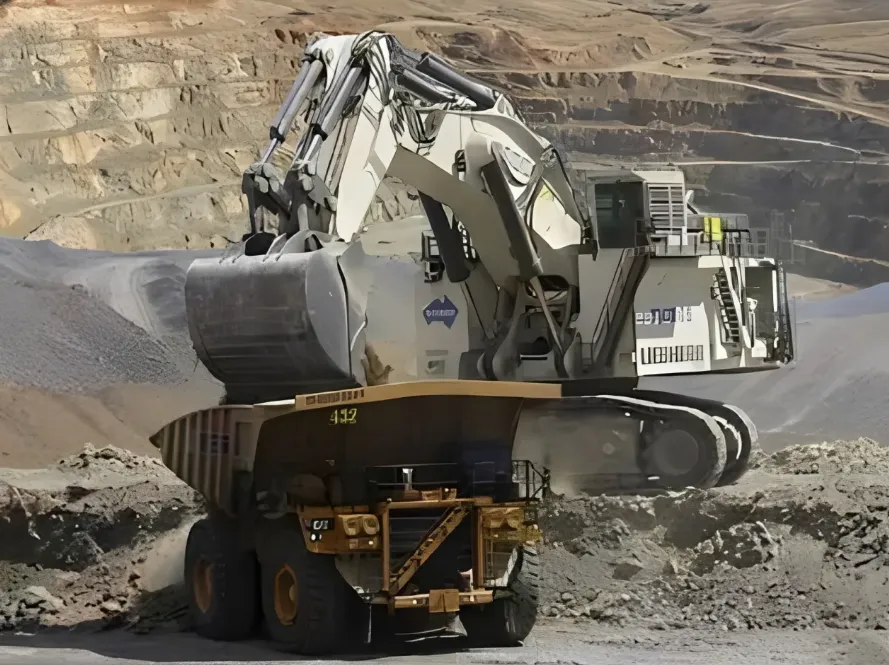
If you ask the average person, they might point to the machine’s 800-ton weight, the massive amount of steel, or the nearly 4000 horsepower pushed out by its twin V16 engines. But if you ask an experienced mine manager, they will tell you something completely different.
The real weight of the Liebherr R9800 price isn't just the multi-million dollar sticker on the window. The true cost—and the true value—comes down to what happens if this giant machine stops working.
When an excavator of this size breaks down unexpectedly, it creates an instant chain reaction across the entire mine. Haul trucks line up with nowhere to go. Rock crushers run empty. The machine keeps burning fuel without getting any work done. In a large open-pit mine, just one single hour of downtime can cost tens of thousands, or even hundreds of thousands, of dollars.
That is why mine owners don't just buy the Liebherr R9800 as a simple digging tool. They buy it as the beating heart of their production line. The massive initial purchase price is really just your entry ticket into high-volume mining.
Breaking Down the Liebherr R9800 Cost of Ownership
To really understand the Liebherr R9800 cost of ownership, you have to look at two very different types of expenses: the money you spend on day one, and the money you spend every day after.
CapEx vs. OpEx Breakdown for Ultra-Large Excavators
| Expense Category | Percentage of Total Lifecycle Cost | What it Includes |
| Capital Expenditure (CapEx) | Approx. 20% - 25% | Initial purchase price, specialized transport logistics, multi-day assembly labor, and mine site preparation. |
| Operational Expenditure (OpEx) | Approx. 75% - 80% | Daily diesel fuel, hydraulic oil replacement, wear parts (bucket teeth), engine rebuilds, operator labor, and routine maintenance. |
As the data shows, for ultra-large mining excavators, the daily running costs will quickly pass the original purchase price over the machine’s 10 to 15-year lifespan.
The True Cost of One-Hour Downtime
Mining companies measure success by the "cost-per-ton" of dirt moved. Because of this, every single minute counts.
The Domino Effect of Unplanned Downtime
| Consequence of Breakdown | Immediate Financial Impact | Long-Term Business Impact |
| Idle Haul Trucks | Reduced the daily output of refined ore to sell. | Lowered tons-per-hour efficiency across the entire fleet. |
| Starved Rock Crushers | Processing plants drop below minimum operating capacity. | Reduced daily output of refined ore to sell. |
| Emergency Repair Labor | Paying mechanics overtime rates to rush fixes. | Higher overall Liebherr R9800 parts price due to expedited shipping. |
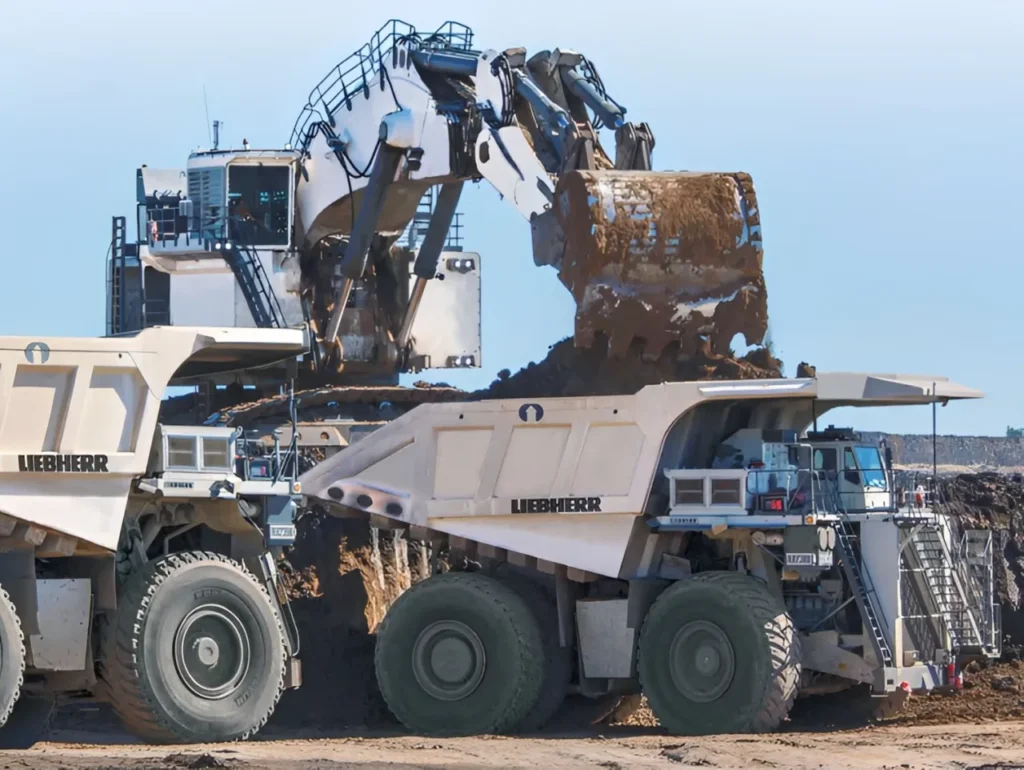
The R9800 was built specifically to stop these interruptions. When paired with the right 220-ton to 360-ton haul trucks, it finishes a loading cycle in under 60 seconds. That blazing speed is how the machine pays for itself.
Liebherr R9800 Maintenance Cost: Fluids, Engines, and Logistics
The ongoing Liebherr R9800 maintenance cost is huge compared to standard heavy equipment. But in the mining world, maintenance isn't optional—it is the only way to survive.
Massive Consumables and Fluid Costs
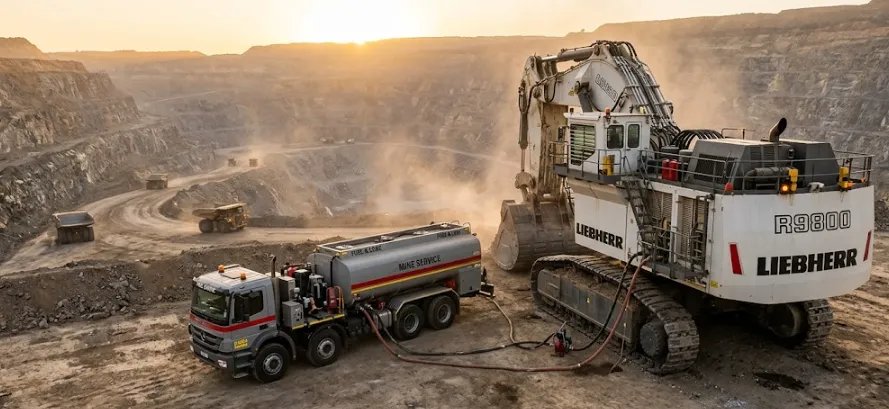
This machine drinks fluids in staggering amounts. Just doing a routine fluid change costs more than buying a new family car.
Consumables & Fluid Replacement Data
| Fluid / Consumable Type | Approximate Capacity | Why it is Expensive |
| Diesel Fuel Tank | Nearly 20,000 Liters | Burns thousands of liters a day at full throttle; highly sensitive to global fuel prices. |
| Hydraulic Oil System | Nearly 10,000 Liters | Requires specialized, high-grade hydraulic fluid to maintain 350+ bar of pressure without foaming. |
| Engine Coolant | Hundreds of Liters | Must prevent dual 2000-HP engines from melting in 40°C (100°F+) desert environments. |
Managing the Cummins QSK60 Engine Lifecycle
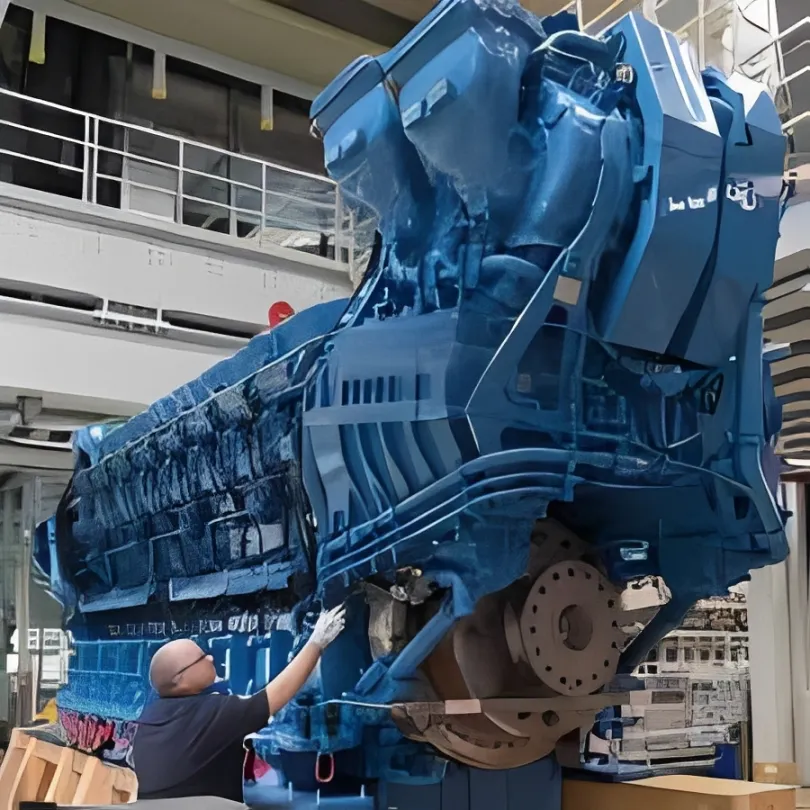
Keeping the dual engines running is one of the biggest ongoing expenses. Taking care of these massive engines means constantly checking the cooling systems, turbochargers, and gaskets. As we explained in our past article, "Ultimate Guide to Heavy-Duty Engine Rebuilds," taking apart and fixing commercial mining engines like the Cummins QSK60 requires highly careful planning. If you don't plan, the Cummins QSK60 overhaul cost—between parts and mechanic hours—can easily spiral completely out of control.
Citify Integration: The True Cost of Engine Rebuild Precision. When managing the massive costs of a Cummins engine overhaul, the parts price is only a fraction of the total risk. If your mechanics rush the assembly process, you will be paying for the same rebuild twice.
Whether you are overhauling a QSK60 mining engine or a highway truck engine, precision torque is everything. Read our highly detailed engineering guide: ➡️ Cummins ISX15 Torque Specs: 10 Essential Torque Values for Flawless Engine Rebuilds
By understanding the critical importance of torque-to-yield fasteners and precise head bolt sequences, you can ensure your massive engine rebuilds remain sealed, preventing costly repeat failures in the field.
80%
ofUncontrollable maintenance budget overruns on super-large excavators are caused by secondary engine damage from minor fluid leaks, underscoring the need to follow the strict inspection protocols outlined in the OEM heavy equipment repair manual.
Warning
Don't Let Poor Planning Ruin Your ROI
Paying the Liebherr R9800 price premium means absolutely nothing if your mine is not ready to support it.
One of the biggest mistakes a mine can make is poor fleet matching. If your haul trucks are too small, they won't be able to keep up with the excavator’s loading speed. If your haul roads are weak, the heavy trucks will get stuck. If your mechanics aren't properly trained or you don't keep the right spare parts in stock, your repairs will take weeks instead of hours. The R9800 is built for mines that need to move fast and load heavy. If you don't plan properly, buying this machine will simply highlight your mine's weaknesses.
What the Industry Experts Say
“In the eyes of my owners, the initial purchase price is secondary. The real metric is cost-per-ton loaded. If a machine runs steadily and limits downtime, it pays for itself very quickly.”
Daniel Foster — Mining Equipment Economist
“Downtime is the most expensive component of mining operations. Reliability always outperforms cheap maintenance decisions when you are running 800-ton equipment.”
Kevin Duarte — Heavy Mining Maintenance Consultant
Reducing Liebherr R9800 Parts Price and Avoiding Catastrophe
How do you keep the long-term Liebherr R9800 parts price under control? You need a solid strategy and a strict maintenance schedule.
Standard Preventive Maintenance Schedule to Reduce Costs
| Operating Hours | Required Maintenance Action | Goal of Maintenance |
| Every 250 Hours | Grease joints, check air filters, inspect for minor hydraulic drips. | Catch dust intrusion and small seal failures early. |
| Every 1,000 Hours | Major hydraulic filter replacements, engine oil changes. | Prevent dirty oil from scoring the massive hydraulic pump bearings. |
| Every 15,000+ Hours | Planned mid-life engine overhaul (e.g., Cummins QSK60). | Prevent catastrophic piston or crankshaft failure before it happens. |
Liebherr designed this machine with wide, spacious service platforms so mechanics can reach parts safely. When repairs take less time, you save on labor costs. Over a 10 to 15-year lifespan, those saved hours add up to millions of dollars. Mining operators also focus heavily on reducing Liebherr R9800 downtime by keeping important spare parts on the shelf and fixing minor wear before it becomes a major emergency.
Protect Your Mining Investment with VPGASKET
When you invest millions of dollars into the Liebherr R9800 price, protecting that huge investment actually comes down to the smallest parts on the machine: the seals and gaskets.
Common High-Risk Engine Seals (Cummins QSK60)
| Engine Part | Risk if the Gasket Fails | VPGASKET Solution |
| Cylinder Head | Coolant leaks into the oil, destroying the main bearings instantly. | OEM-grade Multi-Layer Steel (MLS) Head Gaskets. |
| Oil Pan / Lower Block | Massive oil loss leading to engine seizure. | High-Temperature FKM Rubber Seals. |
| Turbocharger Flange | Exhaust leaks causing a loss of boost pressure and power. | Extreme-heat graphite and steel gaskets. |
Related Products
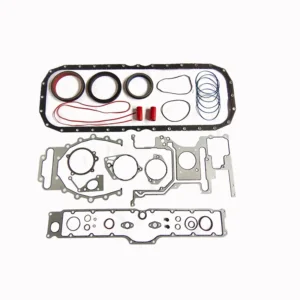
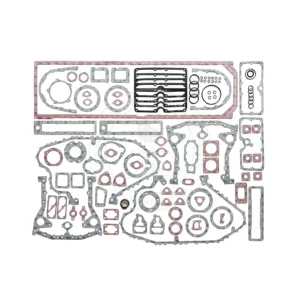
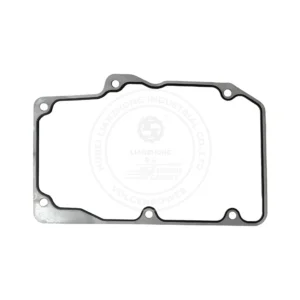
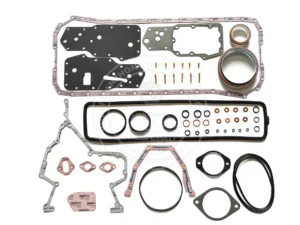
Trying to save a few dollars by using cheap, low-quality engine seals is one of the most expensive mistakes a mining fleet can make. That is why you need VPGASKET. We provide world-class, heavy-duty engine overhaul gasket kits built specifically for the brutal conditions of open-pit mining.
By trusting VPGASKET, you prevent dangerous coolant and oil leaks, extend the time between your engine overhauls, and drastically lower your long-term operating costs. A reliable engine seal is the smartest, most cost-effective way to protect your mining productivity.

Contact Us
If you manage purchasing for mining equipment, fix heavy-duty diesel engines, or run a large open-pit mining fleet, our team is ready to help you succeed.
We proudly provide:
- Cummins QSK60 heavy-duty gasket kits
- Extreme-environment mining engine seals
- OEM-grade overhaul components
- Technical support for massive mining rebuilds
Don't let a bad seal cost your mine hundreds of thousands of dollars in downtime. Contact us today to request a quote for our high-performance mining engine gasket solutions.
FAQ
What affects the Liebherr R9800 price the most?
The biggest factors are the engine choice (Cummins or MTU), the massive logistics of transporting the machine in pieces to your site, and the infrastructure your mine needs to support it.
What is the biggest operational expense after purchasing the R9800?
Downtime is by far the most expensive issue. When the R9800 stops, the haul trucks stop, and the mine stops making money. Fuel and hydraulic fluids are also massive daily costs.
Why are Cummins QSK60 engines expensive to maintain?
These massive V16 engines work under extreme stress all day long. They require highly precise maintenance, perfect cooling management, and premium gasket systems to keep the dirt out and the fluids in.
How can mines reduce Liebherr R9800 maintenance costs?
The best way to save money is through preventive maintenance. Catching small leaks early, keeping critical parts on the shelf, and using top-tier, OEM-grade engine gaskets will prevent catastrophic failures and keep repair bills low.