

The Dilemma: Faced with increasingly stringent global emissions regulations like EPA 2027 and Euro VII, alongside rising operating costs, modern commercial fleets find themselves in a tough spot. Do you continue relying strictly on traditional diesel and risk heavy non-compliance penalties, or aggressively transition to new energy sources and face the massive capital risks of technology lock-in?
The Value Preview: This article provides an in-depth look at the industry's latest, most practical solution to this challenge—the Cummins HELM Platform. We will explore how this revolutionary multi-fuel architecture achieves a perfect balance between efficiency and emissions through a "single base architecture, multiple fuel options" approach.
The Reader Benefit: Furthermore, we will explain why a seemingly small sealing component—such as a premium VP Gasket—can be the critical factor determining the reliability of your entire engine under demanding, high-pressure operating conditions. By reading on, you will learn exactly how to "de-risk" your commercial fleet using a progressive technological path, gaining actionable insights to optimize your long-term Total Cost of Ownership (TCO).
(Estimated reading time: 5 minutes)
Table of Contents
What is the Cummins HELM Platform?
Definition and Core Concepts of the Cummins HELM Platform
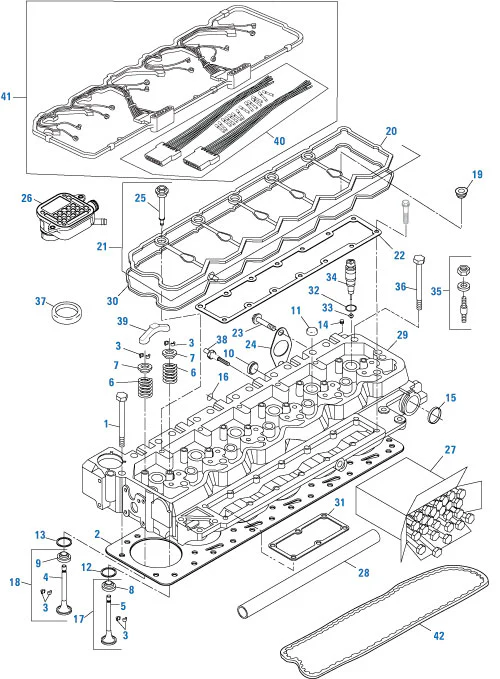
The Cummins HELM Platform is not just a single engine model; it is a revolutionary, fuel-agnostic engine architecture strategy. "HELM" stands for Higher-Efficiency, Lower-Emissions, Multiple Fuels. It marks Cummins' official transformation from a traditional "single-fuel engine manufacturer" to a true "platform-based energy solution provider." Its core mechanical strength lies in sharing common base components below the head gasket, while adapting to different fuels simply by swapping out the components located above the cylinder head.
How the Cummins HELM Platform Achieves Higher Efficiency and Lower Emissions
The Cummins HELM Platform actively breaks down historical technical barriers, achieving a "triad" of operational efficiency, strict emissions control, and fuel flexibility. Through advanced combustion optimization—such as the integration of a 48-volt electrical system for rapid aftertreatment heating—the HELM architecture seamlessly supports advanced diesel, natural gas, gasoline, and future hydrogen fuel pathways. It significantly reduces the carbon footprint without sacrificing heavy-duty power.
Why the Cummins HELM Platform is Crucial for Commercial Transport
In the heavy-duty transport sector, pure electrification still faces severe physical limitations regarding payload weight and driving range. The Cummins HELM Platform aligns perfectly with rapidly evolving global emissions regulations. By utilizing this platform, fleets can transition cost-effectively, drastically reducing the commercial risks associated with long-term, unproven technology lock-in.
The Cummins HELM Platform and the "Destination Zero" Strategy
How the Cummins HELM Platform Connects to Destination Zero
As the beating heart of Cummins' corporate "Destination Zero" strategy, the Cummins HELM Platform builds a highly practical bridge between traditional internal combustion engines (ICE) and a future zero-carbon vision. It serves as a vital technological pathway to achieving net-zero emissions, allowing businesses to adapt at their own pace.
A Long-Term Path Toward Cleaner Commercial Engines
Decarbonization is a marathon, not a sudden technological leap. The Cummins HELM Platform emphasizes achieving incremental, measured carbon emission reductions through continuous optimization of the base engine architecture. This enables logistics companies to advance their environmental goals while still utilizing existing, mature fuel infrastructure networks.
Why Near-Zero Emissions Are Crucial for Fleets
Fleets face dual pressures: regulatory compliance and profitability. Near-zero emissions represent not only a defensive measure against government environmental regulations but also a proactive strategy to optimize Total Cost of Ownership (TCO). By boosting fuel efficiency and slashing carbon tax expenses, the Cummins HELM Platform directly protects your profit margins.
Key Advantages of the Cummins HELM Platform
Enhanced Fuel Economy and Operational Efficiency
Through optimized combustion chamber designs, friction control in the piston skirts, and intelligent 48V system optimization, the Cummins HELM Platform significantly reduces fuel consumption over the entire lifecycle. For example, the 2027 X15 advanced diesel boasts up to a 4% improvement in fuel efficiency, ensuring maximum vehicle uptime during grueling long-haul operations.
Reduced Emissions to Meet Regulatory Requirements
Forward-looking engineering allows the Cummins HELM Platform to easily comply with upcoming next-generation EPA 2027 and Euro VII emission standards. The engine architecture utilizes next-generation Selective Catalytic Reduction (SCR) and heated aftertreatment systems, completely eliminating fleet concerns regarding the premature retirement of vehicles due to non-compliance.
Multi-Fuel Capability for Flexible Transition Strategies
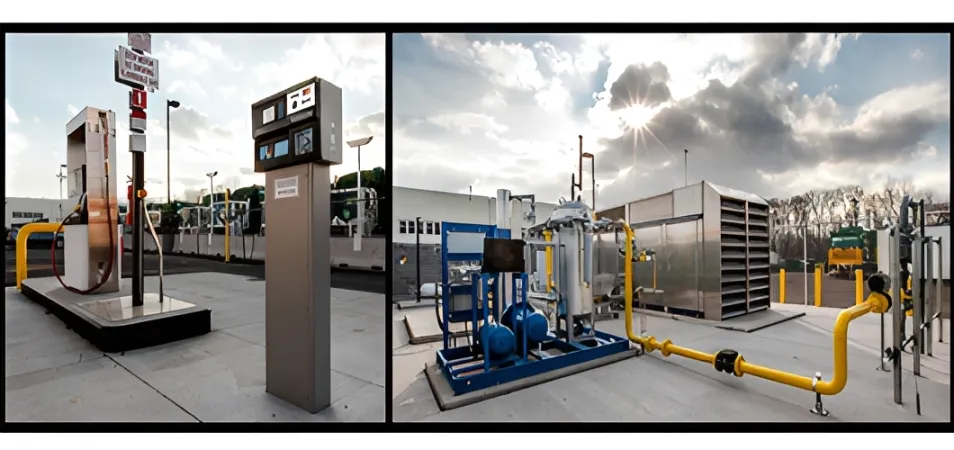
The platform puts the choice of energy directly back into the hands of the market. By supporting multiple fuel types, fleets can completely avoid absolute reliance on a single, volatile energy source. You can flexibly devise phased upgrade and replacement plans based on the availability and maturity of regional fuel infrastructure.
Classification of Cummins HELM Engine Platforms by Application
To fully understand the versatility of the Cummins HELM Platform, we must look at the specific data. Below is a detailed breakdown of how these engines match up to your commercial needs.
Cummins HELM Platform Specifications & Fuel Compatibility
| Engine Platform | Fuel Configurations | Max Power Output | Max Torque | Primary Application |
| X15 Series | Advanced Diesel, Natural Gas (X15N), Hydrogen (X15H) | Up to 605 HP | 2050 lb-ft | Heavy-duty long-haul logistics, 44-ton freight |
| X10 Series | Advanced Diesel (Replacing L9 and X12) | Up to 450 HP | 1650 lb-ft | Heavy/Medium-duty mixed fleets, vocational, transit |
| B-Series | Diesel (B7.2), Gasoline (B6.7 Octane) | Up to 340 HP | 1000 lb-ft | Urban delivery, school buses, municipal vehicles |
X15 Platform (Heavy-Duty Performance)
A mainstay in the heavy-duty truck sector, the X15 Cummins HELM Platform maintains exceptional torque (up to 2050 lb-ft) and durability. Its expansion into natural gas (X15N) and hydrogen (X15H) unlocks immense potential for long-haul logistics looking to cut carbon without losing pulling power.
X10 Platform (Core Efficiency for Medium-Duty Loads)
Bridging the gap between medium and heavy-duty applications, the X10 is a clean-sheet design that combines robust power with a sculpted, lightweight block. It serves as the core of efficiency for urban delivery, regional transport, and specialized vocational vehicles.
B-Series Platform (Light-Duty & Future-Fuel Adaptability)
Renowned for its compactness and relentless reliability, the B-Series Cummins HELM Platform (including the new B7.2 Diesel and B6.7 Octane) offers highly flexible powertrain solutions for light commercial vehicles, providing a flawless technical foundation for a rapid transition to cleaner energy.
Why the Multi-Fuel Capability of the Cummins HELM Platform is Crucial
Mitigating Transition Risks for Fleet Operators
Betting on a single new energy technology often entails high costs associated with trial and error. The multi-fuel architecture of the Cummins HELM Platform allows fleets to avoid the financial shock of a "one-time, disruptive" energy overhaul, ensuring a smooth, calculated transition for your heavy assets.
Future-Proofing Business Operations
You are investing not merely in an engine, but in a highly evolvable technology platform. This forward-looking investment allows for dynamic, real-time adjustments in response to unpredictable fluctuations in energy prices and government policies over the coming decade.
Why a Phased Transition is More Realistic
Compared to the massive capital expenditure (CapEx) required for a complete fleet replacement and the rebuilding of electrical or hydrogen refueling infrastructure, phased investment is logical. It allows companies to generate consistent profits using existing, mature diesel/natural gas technologies while gradually funding the shift toward a zero-emission future.
Expert Perspectives on the Cummins HELM Platform
Industry Views on Balancing Efficiency and Emissions
Industry engineers generally regard the Cummins HELM Platform as the "optimal solution within realistic physical constraints." Rather than blindly pursuing zero emissions on paper, it employs extreme engineering optimization to extract maximum kinetic value from every drop of fuel within the current supply chain ecosystem.
The Importance of Engine System Integration
Experts note that a multi-fuel architecture places unprecedented demands on system integration. This represents not merely a revolution in combustion systems, but a deep, complex synergy among 48V after-treatment systems, electronic controls, and fundamental mechanical structures.
How Experts Guide Engine Selection Decisions
For various application scenarios, the core expert recommendation is "matching." From the high-torque X15 engine used in long-haul logistics to the B-series for urban distribution, the choice of the Cummins HELM Platform must align precisely with the vehicle's actual payload, route characteristics, and local refueling infrastructure.
Cummins HELM Platform Engine System Reliability
Why Engine Performance Hinges on System-Level Reliability
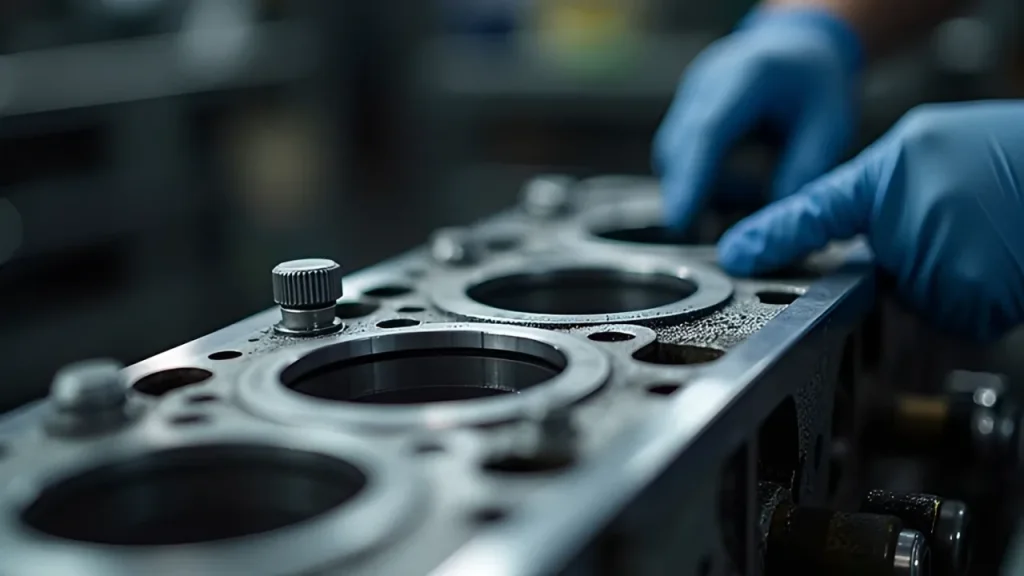
The "law of the minimum" (or the "barrel effect") is particularly pronounced in precision heavy-duty engineering. No matter how advanced the Cummins HELM Platform's design blueprint may be, its actual performance depends entirely on the physical stability of every fundamental component—such as seals, bearings, and fasteners—under extreme operating conditions.
Why Sealing Components are Critical in Modern Engines
The shift toward multi-fuel capabilities and near-zero emissions means these engines must withstand higher compression ratios, more extreme peak cylinder pressures, and much more complex combustion chemistry. This poses catastrophic challenges for traditional sealing components, making OEM-grade or superior aftermarket gaskets an absolute necessity.
How Gasket Quality Affects Emissions Stability
Even a micron-level sealing failure (micro-leakage) can lead to a drastic loss of combustion chamber pressure, the disastrous mixing of oil and coolant, or toxic exhaust gas leakage. This not only instantly destroys the engine's fuel economy but also causes irreversible poisoning of the sensitive after-treatment system, directly undermining the Cummins HELM Platform emissions control targets.
VPGasket Sealing Solutions for the Cummins HELM Platform
Sealing Solutions for the Demanding HELM Environment
To meet the rigorous physical demands of the Cummins HELM Platform—characterized by high compression ratios and multi-fuel operation—VPGasket provides specialized, advanced sealing solutions. Whether addressing the high permeability of hydrogen molecules in the X15H or the intense peak pressures of the X15 advanced diesel combustion, VPGasket’s cutting-edge materials science ensures a flawless, blowout-proof seal.
VPGasket Heavy-Duty Sealing Solutions for Cummins Engines
| VPGasket Component | Premium Material | Platform Compatibility | Core Benefit for Customer |
| MLS Cylinder Head Gaskets | Multi-Layer Steel with FKM Coating | X15, X10, B-Series | Endures massive peak cylinder pressures; prevents compression loss. |
| High-Temp Exhaust Seals | Graphite Composite & Stainless Steel | X15N, X15H, X10 | Manages extreme thermal cycling; protects aftertreatment systems. |
| FKM Valve Cover Gaskets | Fluoroelastomer (FKM) Rubber | B7.2, B6.7, X10 | Resists chemical degradation from modern multi-fuel combustion blow-by. |
Related Products
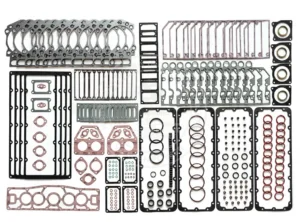
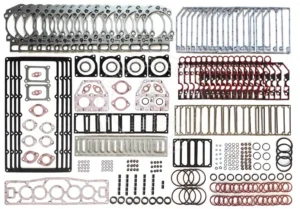
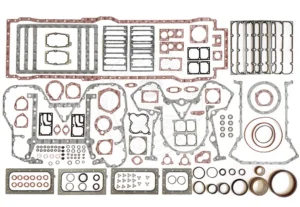
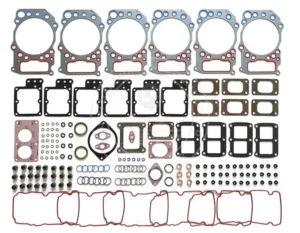
Gasket Performance in Low-Emission Engines
In near-zero-emission engines, VPGasket’s high-precision gaskets effectively contain every ounce of cylinder pressure. This ensures that every drop of fuel is perfectly converted into useful work, stabilizing the combustion process and absolutely minimizing both mechanical and thermal losses.

Customer Testimonial:
"Since we integrated VPGasket's MLS head gaskets into our engine rebuilds for our heavy-haul fleet, our downtime has dropped by 30%. The materials easily handle the extreme pressures of our modern Cummins engines, protecting our margins and keeping our trucks on the road where they belong." — Mark T., Fleet Maintenance Director
Supporting Long-Term Engine Durability and Reliability
As the Cummins HELM Platform continues to improve efficiency, reduce emissions, and enhance multi-fuel flexibility, the reliability of every supporting component becomes increasingly critical.
Sealing performance plays an unsung yet vital role in this system-level evolution. Backed by world-class manufacturing expertise and dedicated B2B customer service, VPGasket designs sealing solutions specifically for the demanding environments of modern commercial engines. We help fleets translate the TCO advantages of the Cummins HELM Platform into tangible, long-term profits on the balance sheet by extending the engine's service life and significantly lengthening maintenance intervals.