
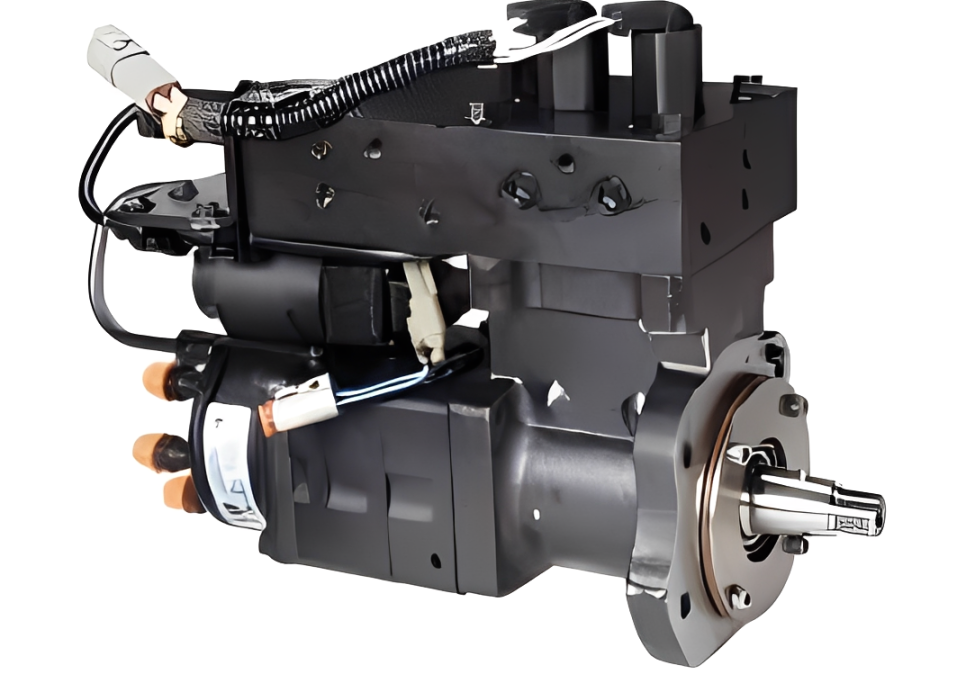
If you are dealing with sudden heavy-duty engine power loss, you are probably asking yourself: 8.3 ISC Cummins caps pump are they reliable? You are not alone. A motorhome owner was climbing a steep mountain road when his Cummins 8.3 ISC engine suddenly lost power and struggled under the heavy load, leaving him worried about a massive repair bill. For many owners facing similar sudden shutdowns or stalling, the repair shop delivers expensive news: the Cummins CAPS fuel pump may be failing.
Value Teaser: This scenario raises one major question for diesel owners, but the answer is more complicated than a simple “yes” or “no.” The CAPS (Cummins Accumulator Pump System) is a precision fuel system capable of delivering hundreds of thousands of miles of service. Most catastrophic breakdowns do not happen overnight; they are preceded by minor, preventable issues like air leaks and fuel starvation that slowly destroy the pump from the inside out.
Benefits of Reading: In this guide, you will learn why the fuel system developed a mixed reputation, exactly what failures actually look like, and how owners successfully improve reliability. You will also discover how proper gasket and seal maintenance can prevent expensive fuel system damage, backed by hard compatibility data and diagnostic matrices to help you make an informed decision for your vehicle.
Estimated Reading Time: 8 minutes.
Table of Contents
Understanding the Fuel System: 8.3 ISC Cummins CAPS pump: Are they reliable?
The Cummins ISC 8.3L is widely respected in motorhome and commercial truck applications for its structural durability. However, the fuel delivery mechanism operates differently than traditional systems. Unlike engine oil-lubricated mechanical pumps, the CAPS pump depends heavily on the diesel fuel itself for both lubrication and cooling.
This creates the central reliability issue: the CAPS pump is not necessarily weak on its own; rather, the fuel environment surrounding it determines how long it survives. When evaluating fuel components, understanding their specific functions helps clarify why contamination or air intrusion is so devastating.
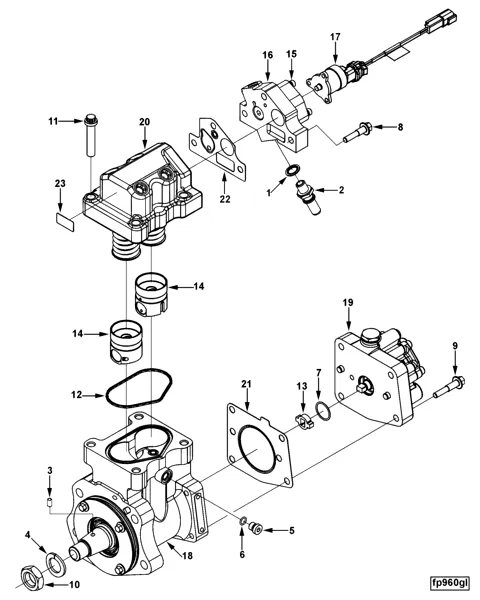
CAPS System Core Components and Functions
| Component | Critical Function within the Fuel System |
| High-pressure pump | Generates the immense fuel injection pressure required for operation. |
| Accumulator | Stores pressurized fuel to ensure consistent delivery to injectors. |
| Electronic actuator | Precisely controls fuel delivery timing and volume. |
| Fuel passages | Provide internal lubrication and thermal cooling using diesel fuel. |
Fleet Maintenance Data: 8.3 ISC Cummins CAPS pump are they reliable in Commercial Use?
Many owners assume every CAPS failure is caused by a factory defect in the pump itself. However, experienced diesel technicians consistently find that the root cause begins much earlier in the fuel supply chain. A CAPS pump must receive a consistent, positive fuel supply; if it is forced to pull fuel through restrictions, destructive vacuum conditions develop.
As one diesel injection specialist summarized: "A CAPS pump is a precision fuel system. Fuel quality, filtration, and maintaining proper inlet pressure are critical for long-term reliability".
Root Causes of Internal CAPS Pump Damage
| Contributing Cause | Destructive Effect on CAPS Pump |
| Air entering fuel lines | Causes severe cavitation and poor, inconsistent fuel delivery. |
| Restricted fuel filters | Creates pump starvation, forcing the pump to work harder. |
| Low fuel lubricity | Increases internal friction and mechanical wear on precision parts. |
| Weak lift pump | Creates insufficient inlet pressure, leading to vacuum stress. |
| Damaged seals/gaskets | Allows undetectable air leaks into the suction side of the system. |
The Science of CAPS Failure: Understanding Cavitation and ULSD
To truly understand why the CAPS pump is so vulnerable to air leaks, we must look at the physics of heavy-duty diesel fuel delivery. The internal accumulator operates under extreme pressure, often exceeding 15,000 PSI. When a degraded mounting seal or aging O-ring allows even a microscopic amount of air to enter the suction side, it creates a destructive fluid dynamics phenomenon known as cavitation.
As these tiny air bubbles are dragged into the high-pressure zone of the CAPS pump, they violently collapse. This rapid collapse creates microscopic shockwaves that act like a high-speed sandblaster against the hardened steel of the pump’s internal plungers and barrels. Over time, this relentless erosion causes irreversible metal fatigue, scoring, and internal pressure loss.
Furthermore, the industry transition to Ultra-Low Sulfur Diesel (ULSD) has severely compounded this issue. Older diesel formulas contained sulfur that provided a natural cushioning and lubricating effect for these fast-moving precision parts. Today’s ULSD runs significantly "drier." When you combine the aggressive shockwaves of cavitation from an air leak with the reduced lubrication of modern ULSD, the CAPS pump is essentially tearing itself apart from the inside. This is why maintaining a 100% airtight seal across the entire fuel system is not just recommended—it is an absolute mechanical requirement for engine survival.
After learning about the destructive nature of cavitation and modern ULSD, you might still wonder: Are 8.3 ISC Cummins CAPS pumps reliable under these harsh conditions? The answer is yes, provided you maintain a completely airtight system.
Diagnostic Warning Signs: 8.3 ISC Cummins CAPS pump: Are they reliable When Symptoms Appear?
Searching for failure symptoms usually means an owner has already noticed something highly unusual regarding engine performance. Fortunately, the CAPS system almost always provides operational warning signs long before a complete failure leaves you stranded.
A highly typical scenario involves a motorhome climbing a steep grade. The turbocharger operates normally, but engine RPM drops and acceleration completely disappears. High fuel demand during mountain climbs, heavy towing, or highway acceleration exposes hidden weaknesses in fuel delivery.
When facing these sudden power losses on the highway, many frustrated owners immediately ask: 8.3 ISC Cummins caps pump are they reliable? The good news is that they are highly dependable if you catch these early warning signs.
5 Warning Signs of Impending Fuel System Failure
| Symptom / Warning Sign | Potential Root Cause | Operating Condition |
| Hard Starting / Long Cranking | Air entering fuel lines, fuel drain-back, or damaged fuel seals. | Engine sits overnight. |
| Engine Stalling / Shutdown | Fuel starvation, weak lift pump, or internal pump wear. | Heavy loads or steep grades. |
| White or Black Smoke | Incorrect fuel pressure preventing complete combustion. | Acceleration / Driving. |
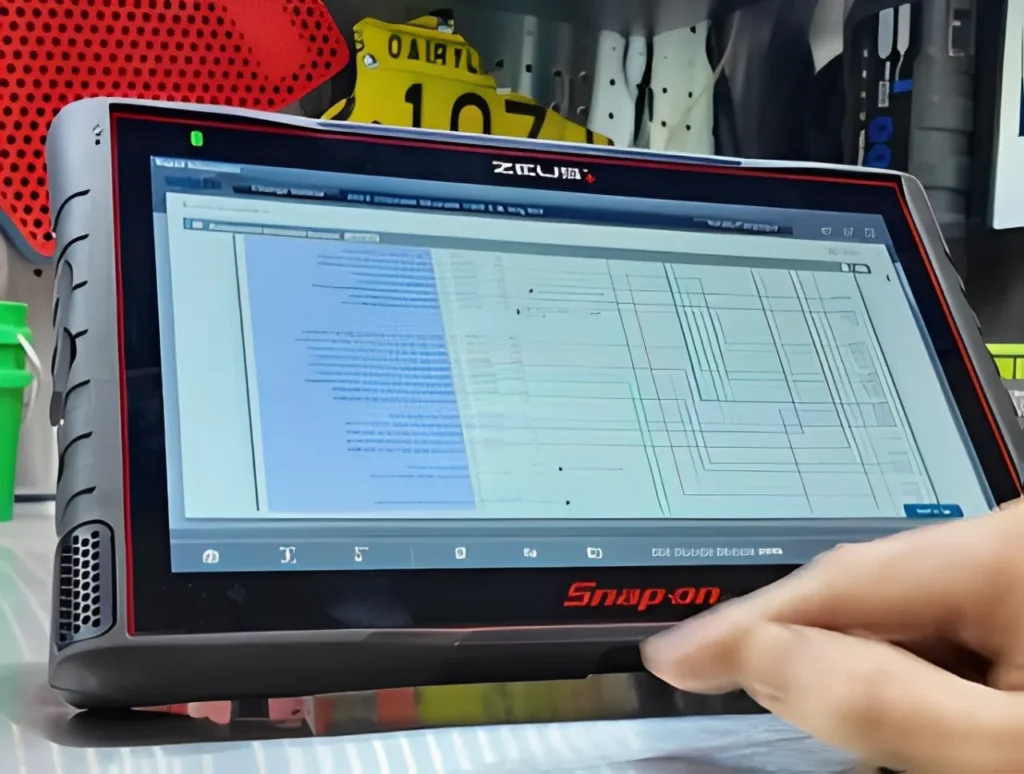
| Fault Codes 277 / 278 | Electronic CAPS control issue or fuel supply restriction. | Intermittent. |
| Unpredictable Restarts | System temporarily recovers after engine cools down. | After sudden shutdown. |
Proven Maintenance Methods to Protect Your Fuel System
The best question an owner can ask is not simply whether the pump is reliable, but rather: "How do you make an 8.3 ISC Cummins CAPS pump reliable for the long term?"
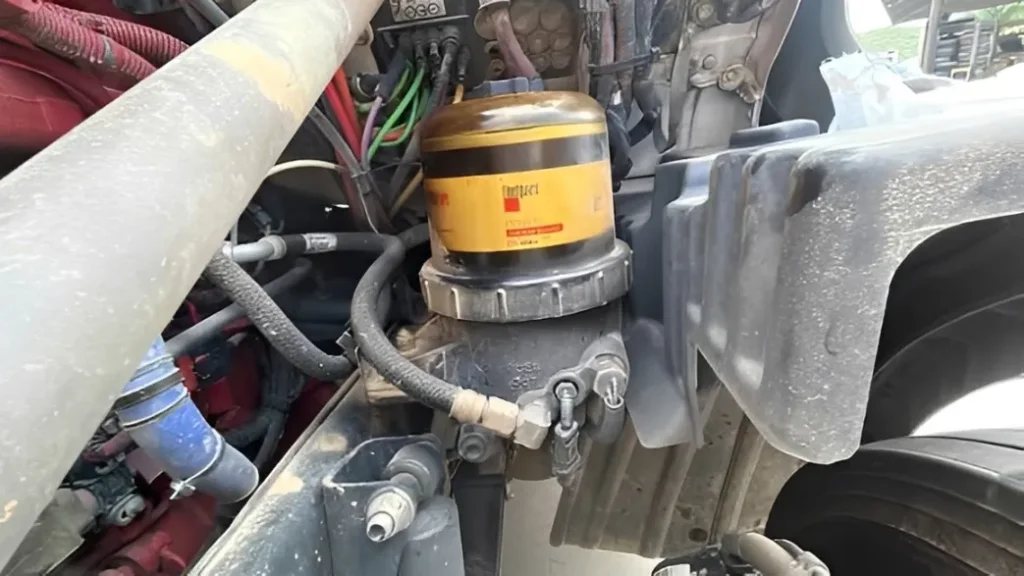
The original design requires the CAPS pump to draw fuel all the way from the tank. Over time, restrictions increase this suction demand. Many experienced owners install a supplemental lift pump system to ensure positive fuel pressure before the CAPS pump. This reduces vacuum conditions, lowers cavitation risk, and significantly reduces internal pump stress.
Fuel Inlet Pressure: Factory Setup vs. Lift Pump Upgrade
Notice how the factory setup drops into dangerous vacuum (negative PSI) under heavy engine load.
Furthermore, modern ultra-low sulfur diesel (ULSD) contains significantly less sulfur than older diesel fuels, which negatively impacts natural fuel lubricity. Owners must evaluate their fuel chemistry and utilize lubricity additives to protect the precision components inside the accumulator.
Recommended Fuel System Preventive Maintenance Intervals
| Maintenance Item | Suggested Service Interval | Purpose |
| Primary fuel filter inspection | Routine service checks. | Identify early contamination. |
| Fuel filter replacement | Every 15,000–30,000 miles. | Prevent pump starvation. |
| Fuel quality inspection | Before extended storage periods. | Prevent algae and moisture. |
| Add lubricity treatment | When operating with modern ULSD fuel. | Compensate for low lubricity. |
Why Sealing Integrity Matters: Our Competitive Advantage
💡 Pro Tip for Fuel System Longevity: Did you know that over 50% of CAPS pump failures originate from microscopic air leaks in the broader fuel delivery network? Upgrading your entire setup with a premium fuel system gasket kit is one of the smartest ways to prevent cavitation and ensure your high-pressure pump receives the flawless fuel supply it needs to survive.
A common misunderstanding is that every fuel delivery problem requires a complete $5,000 pump replacement. In reality, massive mechanical failures often begin with something microscopic: a failed gasket or seal. A damaged mounting gasket does not always cause fuel to leak; instead, it allows air to enter the suction side of the system, leading directly to a loss of prime and severe cavitation.
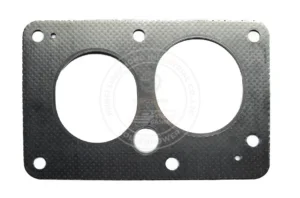
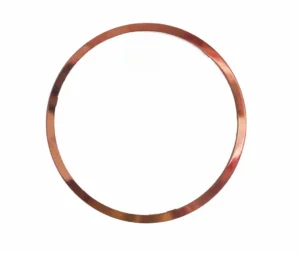
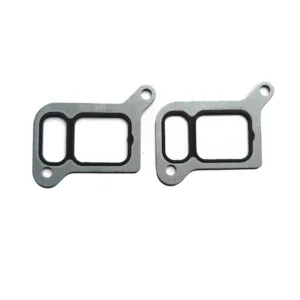
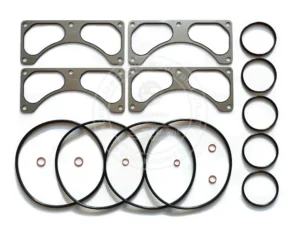
This is exactly where VPGASKET provides a massive competitive advantage. We focus exclusively on precision-manufactured gasket solutions designed to withstand the brutal heat, vibration, and chemical exposure of demanding diesel environments. Our premium Cummins 8.3 ISC CAPS fuel pump seal kits are engineered with accurate cutting, consistent thickness, and perfect bolt-hole alignment to guarantee sealing pressure.
VPGASKET Seal Kit Protection Areas
| Seal Location | Potential Problem if Degraded | How VPGASKET Solves It |
| Pump mounting gasket | Air intrusion into the fuel system. | Advanced anti-crush materials maintain sealing pressure. |
| Fuel line seals | External fuel leaks and pressure drops. | Precision-cut dimensions ensure a perfect drop-in fit. |
| Accumulator O-rings | Loss of prime and hard starting. | High-grade elastomers resist modern chemical breakdown. |
| Housing seals | Internal system contamination. | Handles extreme engine block heat and heavy vibration. |
Related Products
Customer Success and the True Cost of Neglect
Replacing an aging seal kit during routine service is an incredibly cost-effective preventive step compared to the alternative. A remanufactured CAPS pump easily costs between $2,500 and $5,000, with professional labor adding another $800 to $1,500, bringing a total repair well over $4,000+. Meanwhile, a premium seal kit and fresh filters cost only $100 to $300.
Before spending thousands of dollars on a complete rebuild, fleet managers often ask us: 8.3 ISC Cummins caps pump are they reliable enough to justify this massive repair cost? Real-world data proves that with upgraded seals and fresh filters, they absolutely are.
CAPS Pump Expected Lifespan Simulator
Drag the slider to see how air intrusion from bad gaskets destroys the pump.
Real-world owner experiences validate this approach. One commercial operator reported running multiple CAPS-equipped engines to approximately 300,000 miles per truck without a single pump failure simply by prioritizing fuel lubrication and filter maintenance. Another RV owner noted that after replacing a leaking lift pump and installing proper seals, their "finicky" CAPS system continued operating normally without any additional expensive upgrades.
The final verdict is clear: The engine block itself is durable, and the CAPS pump will reward you with years of dependable service—but only if you protect it. By diagnosing fuel delivery problems early, avoiding dry-running the pump, and relying on precision sealing solutions from VPGASKET, you can secure your heavy-duty investment for the long haul.
So, the next time another diesel owner asks you, "8.3 ISC Cummins caps pump are they reliable?", you can confidently tell them that with proper fuel maintenance and precision sealing solutions, they are built to outlast the competition.