
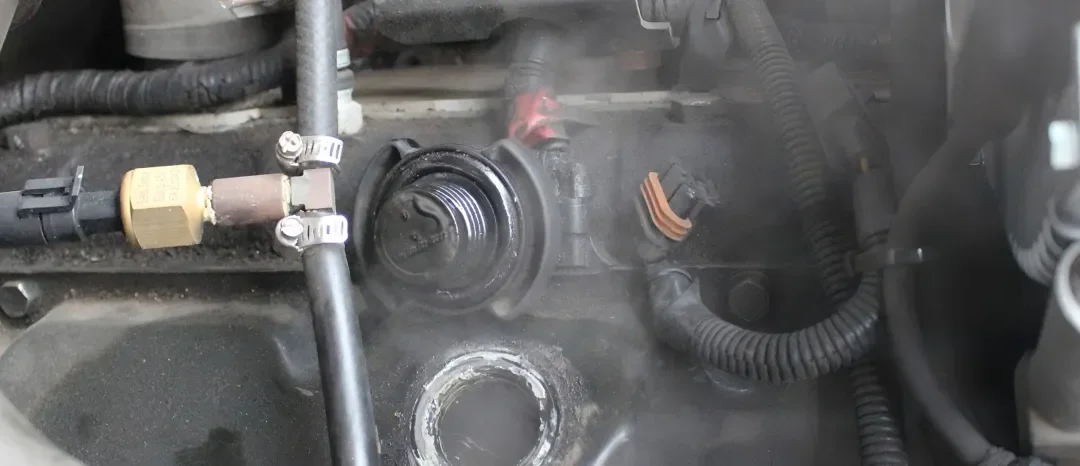
You are sitting at a stoplight in your second-generation Dodge Ram, and suddenly you notice a steady stream of smoke puffing from the breather tube beneath your truck. Panic sets in as you wonder if your engine needs a complete, wallet-draining rebuild.
But here is the truth from years of turning wrenches on these classic diesels: not all vapor means engine death. Older mechanical engines naturally vent to the atmosphere. Knowing exactly how to measure crankcase pressure and identify the real root cause of this smoke can save you thousands of dollars in unnecessary mechanic bills and misdiagnosed repairs.
By reading this guide, you will learn how to accurately diagnose whether you are dealing with normal diesel condensation or severe mechanical wear. You will also get actionable testing methods, comprehensive vehicle compatibility charts, and reliable gasket repair solutions from VPGASKET to safely restore your engine's internal integrity.
Estimated Reading Time: 8 minutes
Table of Contents
Understanding the Mechanics of Blow-by Issues 12 Valve Cummins
To fix a problem, we first need to understand how the engine breathes. In any internal combustion engine, fuel and air ignite inside the cylinder, creating massive pressure that pushes the piston downward. The piston rings are designed to seal this combustion chamber tightly. However, when combustion gases escape past these rings and enter the engine's lower half (the crankcase), it creates pressure. This escaping gas is what causes Blow-by issues in 12-valve Cummins engines.
How Combustion Pressure Creates Blow-by Issues 12 Valve Cummins
A small amount of gas entering the crankcase is expected, especially in older mechanical engines like the 5.9L 5.9 BT. Because these pre-emission engines vent their crankcase gases directly to the atmosphere rather than routing them back into the intake, seeing a light haze is perfectly normal. The real trouble begins when excessive pressure escapes due to worn mechanical components, forcing heavy smoke and oil out of the engine.
Differentiating Normal Vapor from Serious Blow-by Issues 12 Valve Cummins
Many truck owners rush to rebuild their engines after seeing a little vapor, which is a costly mistake. The key to proper diagnosis is looking at the volume and pressure of the smoke, not just its presence. As experts, we look for physical pressure pushing against the engine's seals.
Visual Diagnosis and Severity Matrix
| Visual Condition | Severity Level | Mechanical Meaning |
| Light, wispy vapor from breather | Normal | Standard crankcase ventilation for pre-emission diesels. |
| Slight oil mist under the hood | Common/Low | Aging diesel operation; minor gasket weeping. |
| Heavy, rhythmic smoke pulses | Moderate | Cylinder wall scoring or piston ring wear. |
| Oil cap dances or blows off when loosened | Severe | Major cylinder leakage; extreme crankcase pressure. |
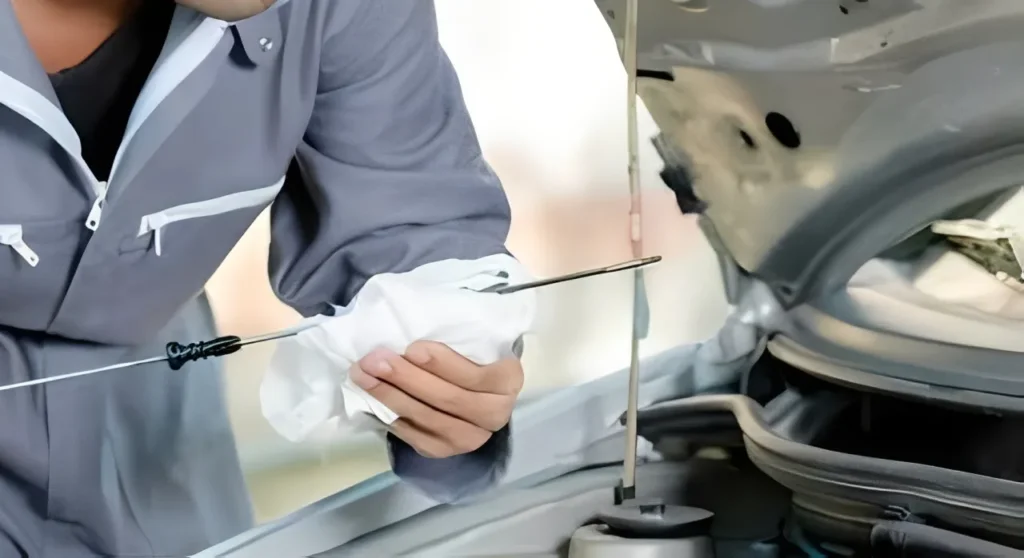
| Dipstick is actively pushed out of its tube | Critical | Imminent engine failure; massive internal pressure. |
6 Warning Signs of Blow-by Issues 12 Valve Cummins
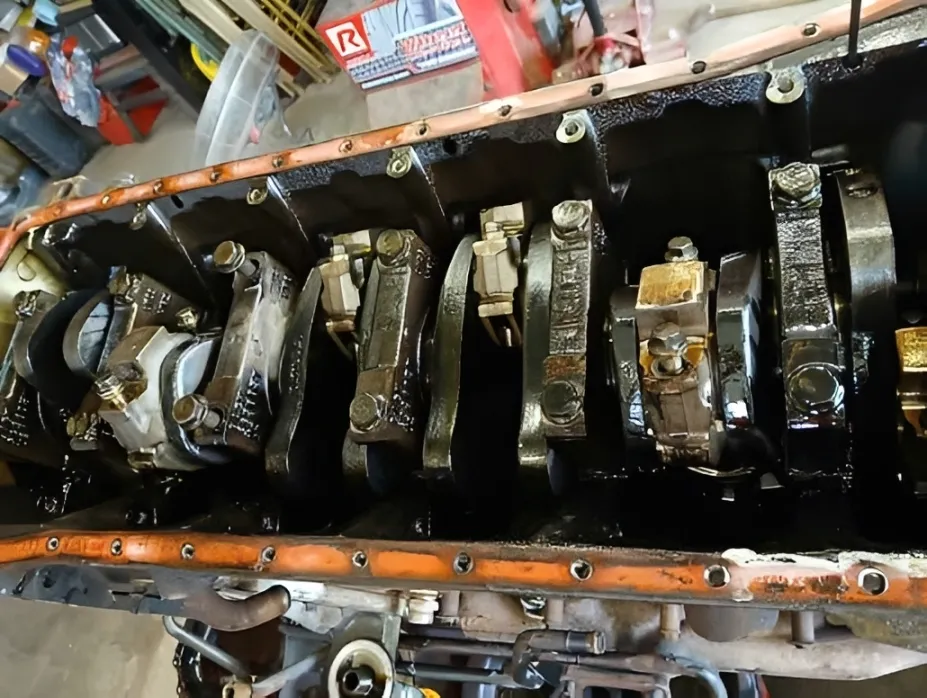
Not every engine producing vapor requires a tear-down. However, if your truck is exhibiting specific secondary symptoms alongside the smoke, it is time to pay close attention. A continuous, thick smoke stream that chugs like a steam locomotive is your first physical warning that combustion gases are blowing completely past the piston rings.
Diagnosing Blow-by Issues 12 Valve Cummins with Oil Consumption
Excessive blow-by rarely happens in isolation; it almost always brings oil problems with it. When crankcase pressure rises too high, it looks for the easiest escape route. This pressure physically pushes engine oil past weak seals, gaskets, and out of the breather tube. If you find yourself constantly topping off your oil, or noticing fresh oil residue soaking the front of your engine block, the internal pressure has exceeded what the gaskets can hold.
Cold Starts and Blow-by Issues 12 Valve Cummins Symptoms
Hard starting on cold mornings is another puzzle piece. While injector issues or a bad fuel shutoff solenoid can cause hard starts, a severe lack of cylinder compression will make a cold diesel engine struggle to fire. If the rings are worn enough to cause massive blow-by, they are also worn enough to lose the compression heat needed to ignite diesel fuel in the morning.
Testing Methods to Verify Blow-by Issues 12 Valve Cummins
A common amateur mistake is condemning an engine based solely on visual smoke. Professional diagnosis requires hard data. Before you pull the engine block, you must measure the actual pressure building up inside the crankcase.
The Manometer Test for Blow-by Issues 12 Valve Cummins
A crankcase pressure test using a simple water manometer is the gold standard for diesel mechanics. By attaching a manometer to the breather tube (or oil fill port) while the engine is running under load, you can measure the pressure in "inches of water." A healthy 12-valve engine will typically show less than 3 to 4 inches of water pressure. Anything nearing 7 to 10 inches confirms severe internal wear.
12 Valve Cummins Blow-by Severity Simulator
Drag the slider to simulate manometer pressure (inches of water) and see engine health status.
Compression Testing for Blow-by Issues 12 Valve Cummins
If the manometer test shows high pressure, a compression test is your next step to pinpoint the exact failing cylinder. A healthy 5.9L engine should show around 400 PSI of compression, with very little variance between the six cylinders. If cylinder number six reads 250 PSI while the rest read 390 PSI, you have found the exact location of your blow-by leak.
Diagnostic Testing Accuracy
| Testing Method | Tool Required | Accuracy Level | What It Actually Tests |
| Visual Inspection | None | Low | Basic vapor presence and smoke color. |
| Oil Cap Movement | None (Loose cap) | Medium | Rough estimate of positive crankcase pressure. |
| Manometer Test | Water Manometer | High | Exact crankcase pressure under engine load. |
| Compression Test | Diesel Compression Gauge | High | Piston ring and valve sealing integrity. |
| Cylinder Leak-Down | Air Compressor & Gauges | Very High | Pinpoints exactly where pressure is escaping. |
Top Mechanical Causes Behind Blow-by Issues 12 Valve, Cummins
Primary Causes of Elevated Crankcase Pressure (Blow-by)
Data based on typical high-mileage 5.9L 12 Valve Cummins tear-downs.
Understanding why these legendary engines eventually develop pressure problems helps you prevent them. While the 12 valve is famous for reaching one million miles, the internal components are still subject to friction, heat, and metal fatigue over decades of heavy towing.
Worn Piston Rings Causing Blow-by Issues 12 Valve Cummins
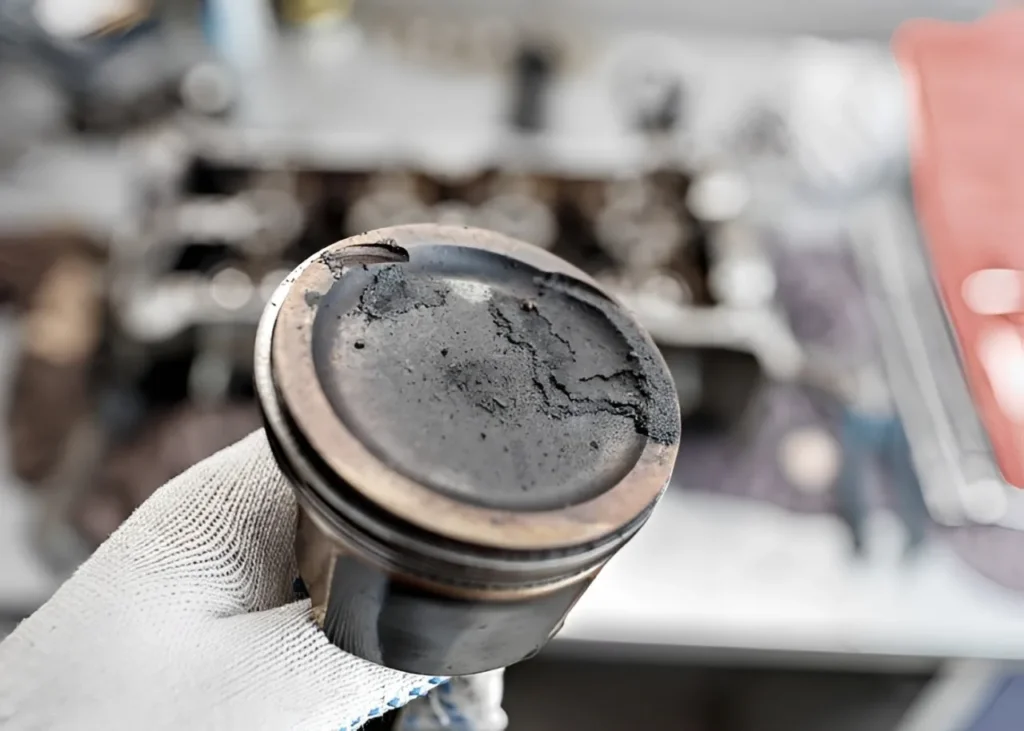
The absolute most common mechanical cause of this issue is piston ring wear. The piston ring has three incredibly demanding jobs: sealing massive combustion pressure, scraping oil off the cylinder wall, and transferring extreme heat away from the piston. After hundreds of thousands of miles, the metal rings lose their outward tension, or the cylinder walls become polished (glazed), allowing high-pressure gas to shoot straight down into the oil pan.
Performance Modifications and Blow-by Issues 12 Valve Cummins
Many enthusiasts modify their trucks for more horsepower. Adding larger injectors, aggressive fuel plates, and bigger turbochargers significantly increases cylinder pressure. Pushing 50 PSI of boost through a stock engine means the sealing system is working far beyond its original factory design. More cylinder pressure directly translates to a higher risk of blowing past the rings or lifting the cylinder head.
Performance Modification Risk Matrix
| Engine Modification Level | Cylinder Pressure Increase | Risk of Excessive Blow-by |
| Completely Stock | None (Factory Specs) | Low (Only age-related wear) |
| Mild Tune / Small Injectors | Moderate | Moderate |
| Large Injectors / Fuel Plate | High | High (Requires frequent monitoring) |
| Compound Turbos / High Boost | Extreme | Highest (Requires upgraded internals) |
Compatibility and Parts for Blow-by Issues 12 Valve Cummins
The 5.9L 12 valve engine was utilized in a massive variety of applications, not just pickup trucks. Knowing your exact engine application ensures you source the correct diagnostic specs and replacement sealing components.
Vehicle Applications Prone to Blow-by Issues 12 Valve Cummins
This engine is most famously associated with early second-generation Dodge Ram trucks, but its industrial variants power heavy machinery worldwide. Whether you are driving a highway tow rig or operating an excavator, the fundamental engine architecture and sealing requirements remain identical.
Engine & Vehicle Compatibility Chart
| Engine Model Designation | Production Years | Common Vehicle/Equipment Applications |
| 5.9L 12 Valve (6BT) | 1989 – 1998 | Dodge Ram 2500 & 3500 Pickup Trucks |
| 6BT Industrial | 1984 – Present | Case Tractors, Excavators, Wood Chippers |
| 6BTA (Aftercooled) | 1989 – 1998 | Marine applications, Commercial Step Vans |
| Cummins 6B | 1984 – 1998 | Generators, Agricultural water pumps |
VPGASKET Solutions for Blow-by Issues 12 Valve Cummins
As mentioned earlier, excessive crankcase pressure will blow out your engine seals, causing massive oil leaks long before the engine completely dies. Not every blow-by problem requires a $5,000 engine rebuild immediately. Often, restoring the engine's external sealing integrity buys you significant time and prevents dangerous oil loss on the highway.
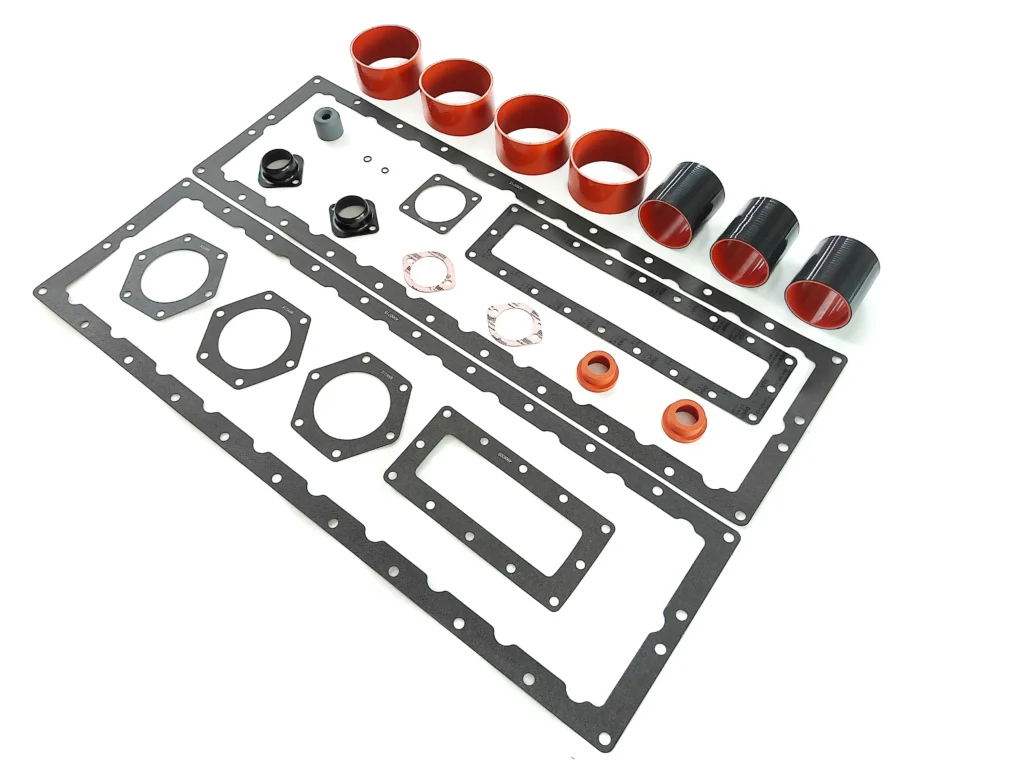
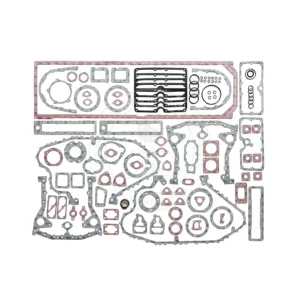
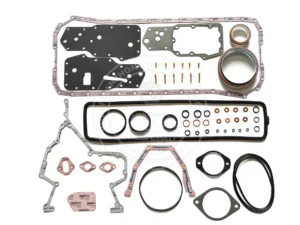
For older, heat-cycled diesel engines, VPGASKET provides precision-engineered sealing solutions. Our gaskets are manufactured specifically to withstand the intense vibration and oil exposure of commercial diesel applications. Replacing aged valve cover seals, oil pan gaskets, and vacuum pump seals with VPGASKET products ensures proper oil containment even when crankcase pressures are slightly elevated.
Essential Gasket Interchangeability Data
| Engine Component | VPGASKET Solution Advantage | Replaces OEM Part Fitment |
| Valve Cover Gaskets | High-temp silicone resists hardening and cracking. | Fits all 1989-1998 5.9L 12V |
| Oil Pan Gasket | Reinforced steel core prevents blowout under pressure. | Fits Dodge Ram 2500/3500 5.9L |
| Front Crank Seal | Features a wear sleeve to protect grooved crankshafts. | Fits 6BT and 6BTA applications |
| Tappet Cover Gasket | Chemical-resistant elastomer stops notorious side-block leaks. | Fits 1989-1998 12V blocks |
| Vacuum Pump Seal Kit | Eliminates power steering oil mixing common on older trucks. | Fits 1991.5-1998 Dodge Rams |
Related Products
Customer Reviews: Protecting the 12 Valve Legacy
Don't just take our word for it. Mechanics and enthusiasts rely on quality parts to keep their high-mileage trucks on the road safely.
- "My 1996 Ram 3500 has 400,000 miles and puffs a bit of vapor. The blow-by was pushing oil past my old brittle valve cover gaskets, making a mess. I swapped them out for a VPGASKET kit, and the engine block has been bone-dry for 30,000 miles. Great competitive advantage over cheap auto-parts store rubber." – Mark T., Diesel Mechanic
- "I thought my engine was toast because of oil leaking near the tappet cover due to some crankcase pressure. Used VPGASKET's heavy-duty seals, and it completely contained the oil loss. Testing showed my compression was actually fine; it was just aged factory gaskets giving out!" – David S., Ram Enthusiast
By utilizing professional diagnostic testing and backing up your aging engine with VPGASKET's premium sealing solutions, you can keep your legendary diesel on the road for decades to come. Ensure you measure pressure before you panic, and never diagnose an engine block by smoke alone!