
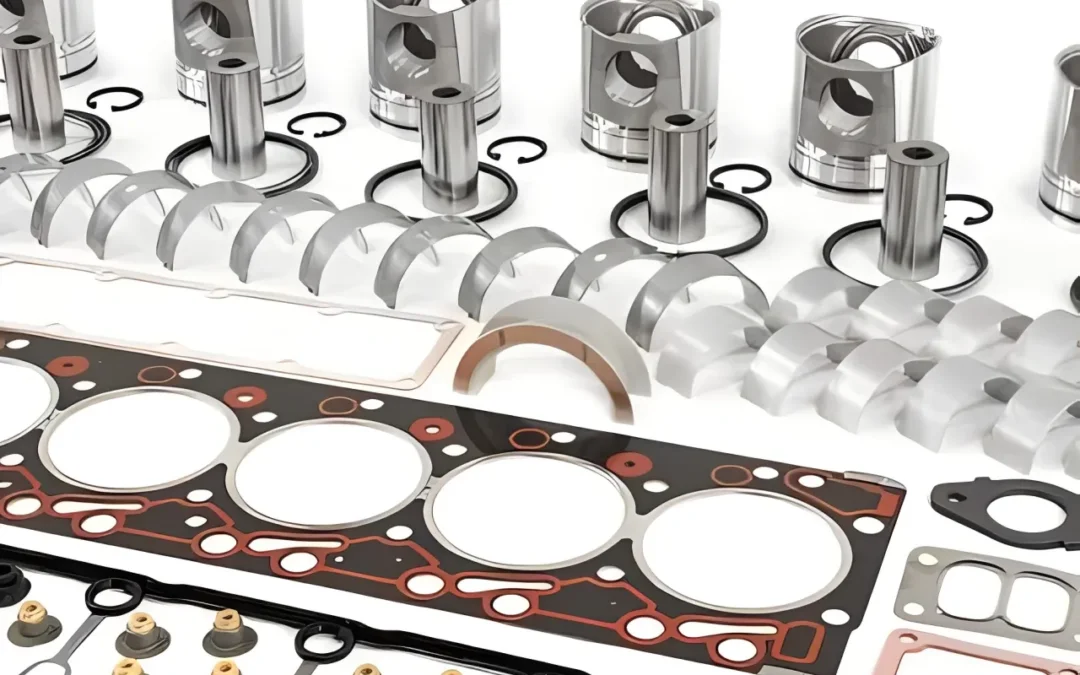
Ordering an overhaul kit using only a vague description like “Cummins ISX15 kit,” “6BT rebuild set,” or “QSB6.7 gasket kit” is a massive gamble that frequently results in the wrong pistons, liners, bearings, seals, or head gasket being delivered to your shop.
A precise component match connects the engine serial number, critical parts list, engine configuration, current component numbers, and repair scope before a part number is ever quoted. Mastering this exact workflow prevents thousands of dollars in commercial downtime, wasted labor, and international return shipping.
In this expert guide, you will learn how to locate the required identification data, effectively use QuickServe information, recognize critical compatibility risks with components like 150mm and 152mm liners, and prepare a foolproof Request for Quotation (RFQ).
Estimated Reading Time: 9 minutes.
Table of Contents
Avoid Wrong Parts With a Precise Cummins Overhaul Kit CPL Lookup
When an engine arrives at your facility for a rebuild, guessing the required parts based on its exterior appearance is a massive financial risk. Cummins officially provides a lookup process based on CPL numbers to eliminate this exact guesswork. The tool covers multiple heavy-duty and mid-range engine families, including B Series, C Series, L Series, L10, M11, ISM, NT, N14, ISX, and high-horsepower platforms.
Without this highly structured approach, a professional B2B supplier cannot guarantee an expensive overhaul order. Understanding the specific data points stamped on the engine block is your first line of defense against catastrophic fitment failures.
Identifiers Decoded in a Cummins Overhaul Kit CPL Lookup
The engine model, ESN, and CPL answer completely different technical questions. They should be used sequentially rather than treated as interchangeable identifiers. Cummins documentation generally describes the ESN as an eight-digit serial number used to access engine-specific manuals. The CPL (Critical Parts List or Control Parts List) identifies a tightly controlled group of engine parts required to produce a specific performance and emissions certification.
Identifier Comparison
| Identifier | What it strictly identifies | What it can safely confirm | What it cannot confirm alone |
| Engine model | General engine family (e.g., 6BT, ISB6.7, ISX15) | Displacement range, basic architecture, and product family | Exact piston, liner, gasket, or bearing combination |
| ESN | One individual engine exactly as originally built | Original build configuration, dataplate data, and parts lists | Undocumented aftermarket modifications completed later |
| CPL | Critical parts associated with a specific performance setup | A compatible group of overhaul-kit options and components | Current cylinder wear dimensions or replacement parts |
| Piston part number | Installed or cataloged piston design | Piston family and related liner-kit group | Every accessory gasket required for the specific repair |
Why ESN Leads the Way in a Cummins Overhaul Kit CPL Lookup
While a CPL is vastly more precise than an engine family name, an ESN-first lookup remains the absolute safest B2B procurement process. Two engines may share a CPL but differ drastically in customer-installed equipment, oil-pan arrangement, accessory drives, or turbo plumbing. Conversely, two engines carrying the same commercial model name may have completely different CPLs.
The most reliable identification hierarchy is: ESN → Engine Dataplate → CPL → Current Piston/Liner Evidence → Overhaul Kit Part Number → Repair Scope Verification.
Overhaul Kit Fitment Accuracy Simulator
Drag the slider to see how providing more data prevents costly wrong-part deliveries.
Step-by-Step Workflow for a Cummins Overhaul Kit CPL Lookup
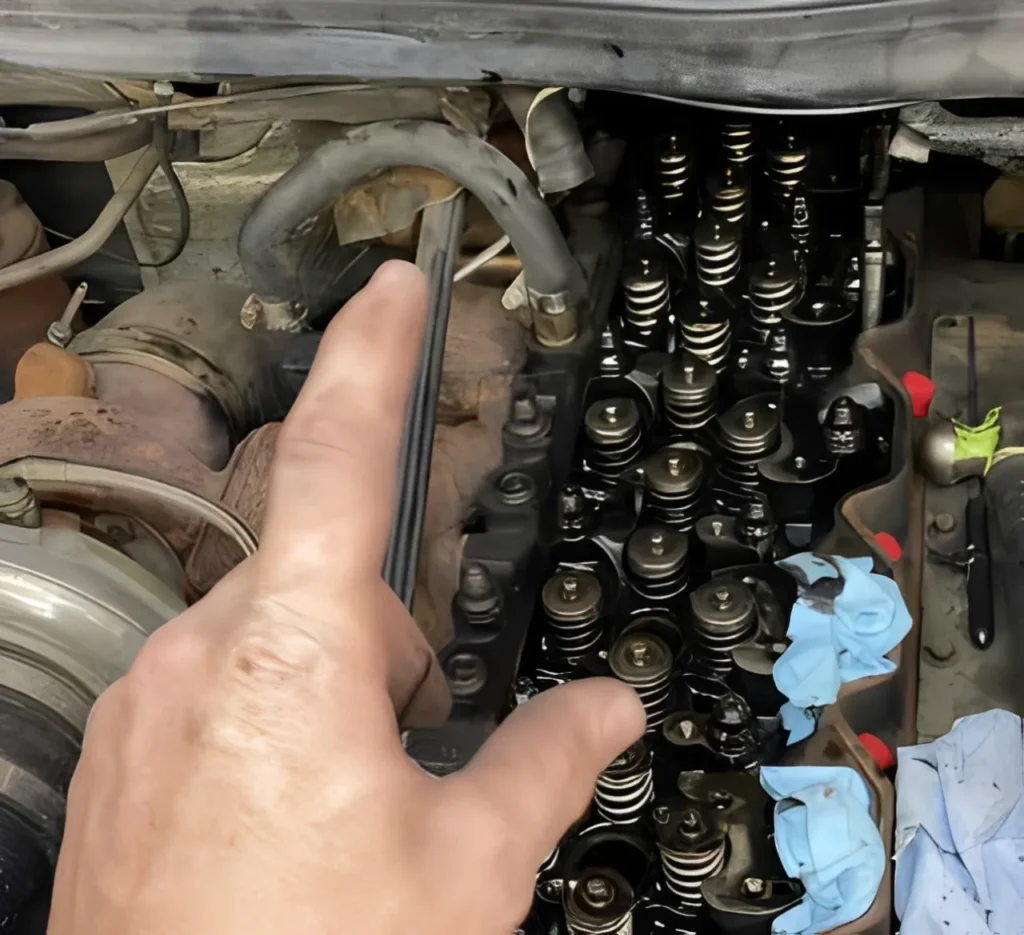
The first place to inspect is always the physical engine dataplate. Depending on the engine family, the plate may be installed on the rocker-lever cover, valve cover, gear housing, or another documented location. For ISX engines, Cummins typically identifies the top of the rocker-lever cover as the dataplate location. When the dataplate is missing or unreadable, never guess the digits. You must check the engine block stamping or consult the equipment maintenance records.
Physical and Digital Steps for a Cummins Overhaul Kit CPL Lookup
A seamless lookup requires connecting physical engine evidence to digital databases to ensure 100% accuracy.
Physical and Digital Identification Workflow
| Step | Action | Information to record | Why it matters |
| 1 | Clean and inspect the engine dataplate | Complete ESN, CPL, model, horsepower, and RPM | Prevents catastrophic errors caused by partially read numbers |
| 2 | Enter the ESN in QuickServe Online | ESN-specific engine content | Confirms that the number actually belongs to the expected engine |
| 3 | Open the dataplate information | CPL, build date, configuration, and related data | Directly connects the specific ESN to the original factory CPL |
| 4 | Open the CPL overhaul lookup | Available kit part numbers | Produces a strictly controlled shortlist of compatible overhaul kits |
| 5 | Define the repair scope | Upper, lower, in-frame, or complete overhaul | Prevents incomplete quotations and missing accessory seals |
QuickServe Procedure for a Cummins Overhaul Kit CPL Lookup
Cummins’ published QuickServe workflow is a vital tool for B2B buyers. To execute a practical lookup, sign in to the platform and enter the complete eight-digit ESN without spaces. Confirm that the returned engine model matches the physical engine sitting in your bay, then open the dataplate tab to record the CPL exactly as displayed. From here, compare the listed piston number, liner size, and technical bulletin requirements before placing an order.
Component Risks Without a Cummins Overhaul Kit CPL Lookup
An engine model is merely a family label, not a complete bill of materials. You might know that a Dodge Ram 2500 utilizes a 6BT, or a Freightliner Cascadia utilizes an ISX15. However, this equipment data should only be used as a helpful clue. You must use the ESN, CPL, and existing part numbers to verify exact fitment.
Model-Only Ordering Risks Prevented by a Cummins Overhaul Kit CPL Lookup
Ordering by the engine model name invites hidden variables into your workshop, resulting in missing seals or incorrect hardware.
Model-Only Ordering Risks
| Engine Description | Hidden Variables Requiring Verification | Potential Wrong Parts Received |
| "Cummins 6BT 5.9" | Mechanical or later configuration, automotive or industrial application, CPL, oil-pan arrangement | Oil-pan gasket, timing-cover seals, head gasket, accessory seals |
| "ISB/QSB 5.9" | Automotive vs industrial calibration, piston version, fuel-system configuration | Piston rings, injector seals, head gasket, and lower set |
| "QSB6.7" | Emissions generation, industrial application, piston and bowl design | Pistons, rings, liners, or parent-bore components |
| "ISC8.3" or "C8.3" | Mechanical vs electronic configuration, CPL, build date, application | Upper kit, fuel-system seals, front and rear seals |
Top Causes of Overhaul Kit Returns (Without CPL Verification)
Industry data shows why ordering by engine family alone is a costly gamble.
The ISX15 Liner Example During a Cummins Overhaul Kit CPL Lookup
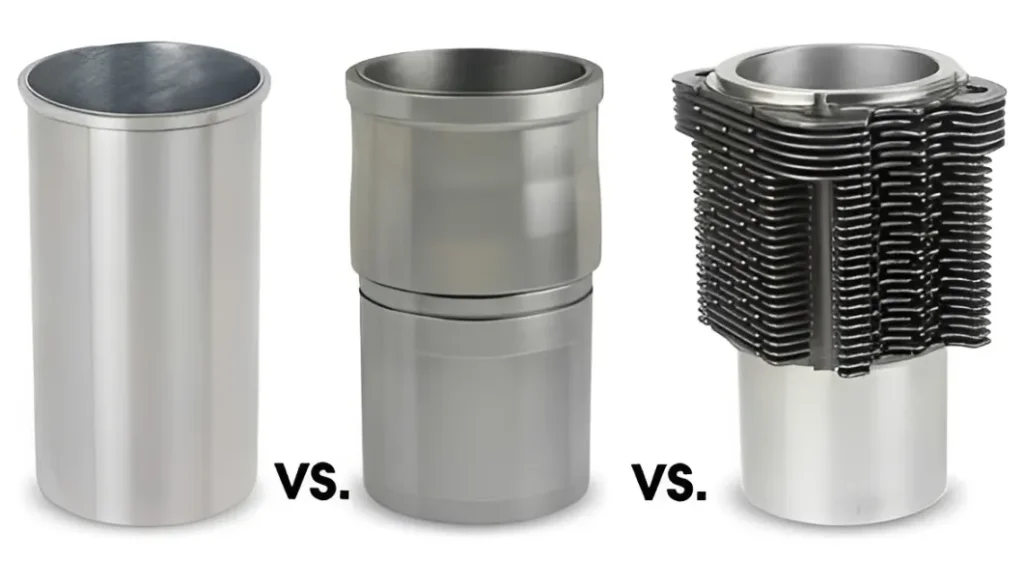
The official ISX overhaul references demonstrate perfectly why model-only ordering fails. For ISX15 EPA 2010 and EPA 2013 engines, different CPL groups map to drastically different kit numbers, particularly concerning cylinder liner dimensions.
ISX15 EPA Generation Examples
| Engine Group | Example CPLs | Example Kit Options | Important Difference |
| ISX15 EPA 1998 | 2629, 8257, 8244 | 6429511 (150 mm); 6429512 (152 mm) | Same CPL group can require completely different liner diameters |
| ISX15 EPA 2007 | 3459, 3229, 2732 | 6429516 (150 mm); 6429517 (152 mm) | Liner size must still be physically specified |
| ISX15 EPA 2010/2013 | 3606, 3766, 3938 | Different 150 mm and 152 mm references | PRO and ELITE tier references vary aggressively by CPL subgroup |
Component Variations Found in a Cummins Overhaul Kit CPL Lookup
A CPL difference does not mean every single part is unique. Rather, it indicates that one or more critical specifications differ just enough to alter performance, durability, or part compatibility.
Specific Parts Affected by a Cummins Overhaul Kit CPL Lookup
Understanding which components change based on configuration is vital for any procurement specialist trying to avoid costly returns.
Components Affected by Configuration
| Component Group | Possible CPL-Related Variation | Ordering Consequence If Wrong |
| Pistons | Bowl geometry, compression height, pin, cooling gallery | Wrong piston alters compression or destroys combustion |
| Piston rings | Ring width, coating, profile, matching piston design | Incorrect rings fail to fit the groove or seal combustion gas |
| Cylinder liners | 150 mm vs 152 mm or another design revision | Liner cannot simply be selected from an “ISX15” tag alone |
| Cylinder-head gasket | Bore opening, fire-ring design, coolant/oil-hole arrangement | Incorrect gasket blocks cooling passages or blows out under load |
Part Supersession Rules for a Cummins Overhaul Kit CPL Lookup
Engineered parts evolve. A superseded number is not automatically interchangeable in every direction. Always confirm the supersession in the current parts catalog, check if the new part requires companion components (like matching rings for a new piston design), and never approve interchangeability from basic dimensions alone.
Preparing RFQs Using Your Cummins Overhaul Kit CPL Lookup
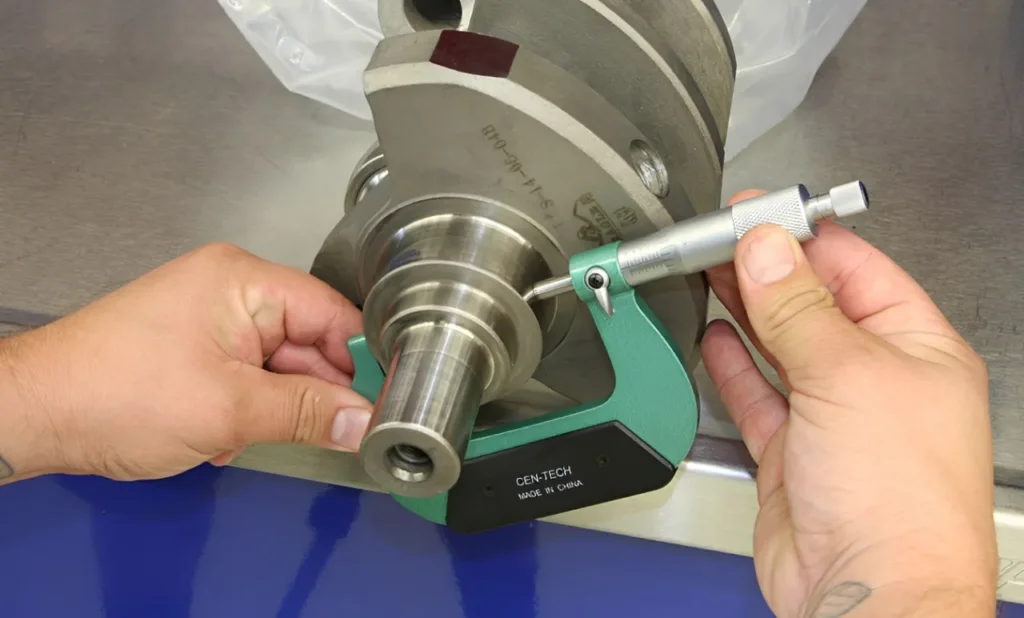
A highly structured Request for Quotation (RFQ) helps your B2B supplier move from a broad model request to a technically defensible part recommendation. Do not delay your procurement process by sending fragmented data. Provide your supplier with the Complete ESN, CPL, Engine Model, Application, Liner Size (Mandatory for ISX), and the specific Repair Scope (Upper, Lower, In-Frame, or Complete).
VPGASKET’s Support for Your Cummins Overhaul Kit CPL Lookup
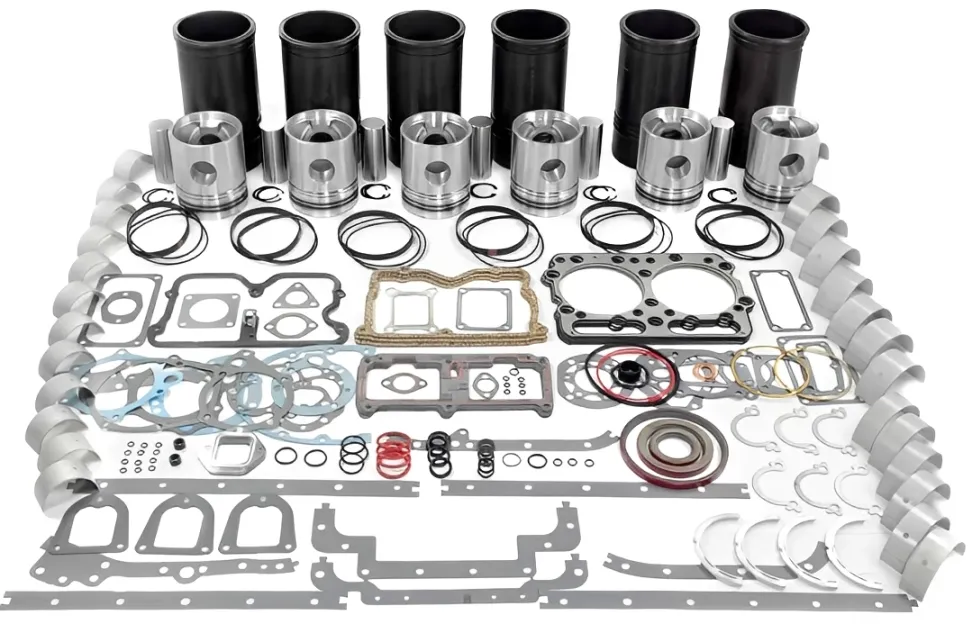
VPGASKET’s role extends far beyond sending you a generic catalog image. When you submit an RFQ, a professional quotation from VPGASKET documents exactly how the proposed part was identified. Our B2B engineering team uses rigorous ESN and CPL screening to narrow broad engine requests to the exact kit family. We also perform a kit-content comparison to identify missing or duplicated seals before shipping.
"Reliable partner for ISX15 overhaul kits. Their logistics team understands the urgency of VOR (Vehicle Off Road) situations. When we struggled with 150mm vs 152mm liner options for our Kenworth fleet, VPGASKET verified our CPL data and supplied the perfect fit. Highly recommended for commercial fleets." — Procurement Specialist, Fleet Services
Final Verification for Your Cummins Overhaul Kit CPL Lookup
An order is ready for final approval only when the identification data, physical engine evidence, and quoted bill of materials align perfectly. Verify that the ESN is readable and complete. Confirm that the CPL matches the dataplate rather than being guessed or copied from a similar engine. Finally, ensure that piston and liner details are physically verified, as an engine may have been previously rebuilt with non-original aftermarket parts.
Frequently Asked Questions About Cummins Overhaul Kit CPL Lookup
Can I identify a kit with only the engine model?
No. The engine model can identify the general product family, but it does not reliably identify the CPL, emissions generation, piston design, liner size, bearing specification, or application-specific gasket arrangement.
Is the ESN more important than the CPL?
The ESN should normally be the starting point because it identifies the individual engine and provides access to the original configuration. The CPL is then used to group critical components. For the absolute safest result, use both.
Why does an ISX15 lookup ask for liner size?
Cummins ISX references show different kit options for 150 mm and 152 mm cylinder liners. The same general model—and sometimes the same CPL group—may be listed with separate liner-size options. The existing liner must be verified.
Submitting Data for a Final Cummins Overhaul Kit CPL Lookup
Do not risk an overhaul schedule, an expensive international shipment, or a critical customer relationship by ordering from the words “ISX15,” “6BT,” or “QSB6.7” alone.
Send VPGASKET your: ESN + CPL + Engine Model + Application + Piston Number + Liner Size + Existing Part Number + Repair Scope.
Our B2B engineering team will use the supplied data to narrow the relevant gasket-kit family, compare available OEM references, review kit contents, and prepare a quotation tailored to your exact destination. Submit your ESN, CPL, and engine photographs today to receive a guaranteed matching recommendation.