
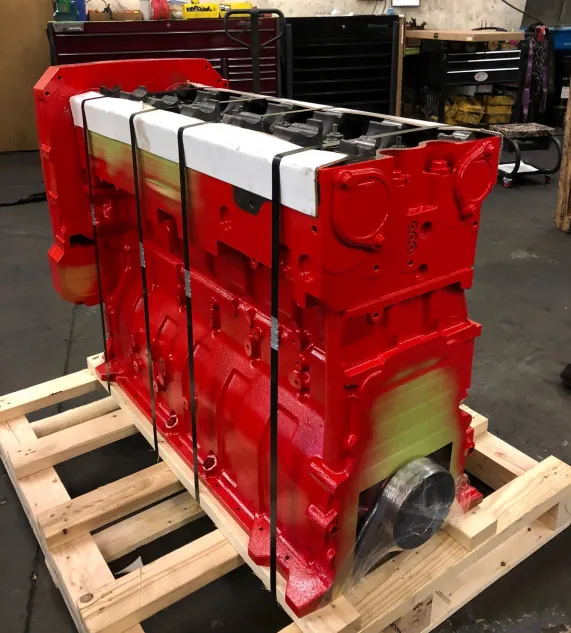
Why the Cummins X15 Dominates Heavy-Duty Trucking
In North American long-haul trucking, fleet uptime is not just a performance metric—it is the absolute core factor that determines profitability. Every hour a heavy-duty truck spends off the road in a repair bay results in direct financial loss and broken logistics contracts. When procuring new assets or planning major overhaul budgets, fleet operators constantly compare the Cummins X15 and the Volvo D13. Both engines are industry giants, designed to move maximum freight across grueling cross-country routes.
However, the purchasing decision is never solely about peak horsepower or fuel economy. It is a complex calculation of long-term reliability, predictive maintenance, and nationwide service accessibility. The Cummins X15 has built an unshakable reputation based on its brute-force durability and an unmatched aftermarket service network. This is precisely why many of the continent's largest logistics fleets continue to rely on it, even when highly integrated, proprietary alternatives like the Volvo D13 are available.
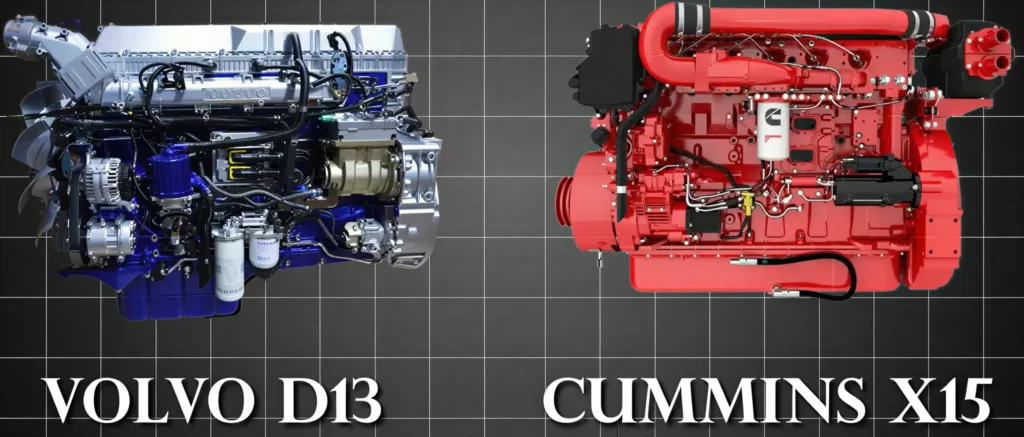
Table of Contents
Engine Architecture and Performance Benchmarks
To understand how these power plants perform on a steep mountain grade, we must look at the foundational engineering.
Decoding the Technical Data
Before making purchasing decisions, evaluating the exact Cummins X15 specs against the Volvo D13 is the first step.
| Technical Parameter | Cummins X15 (Performance / Efficiency) | Volvo D13 |
| Displacement | 14.9L | 12.8L |
| Horsepower Range | 400 – 605 HP | 375 – 500 HP |
| Peak Torque | Up to 2,050 lb-ft | Up to 1,850 lb-ft |
| Fuel Delivery System | XPI (Extreme Pressure Injection) | Advanced Common Rail |
| Compression Ratio | ~18.9:1 | ~17.0:1 |
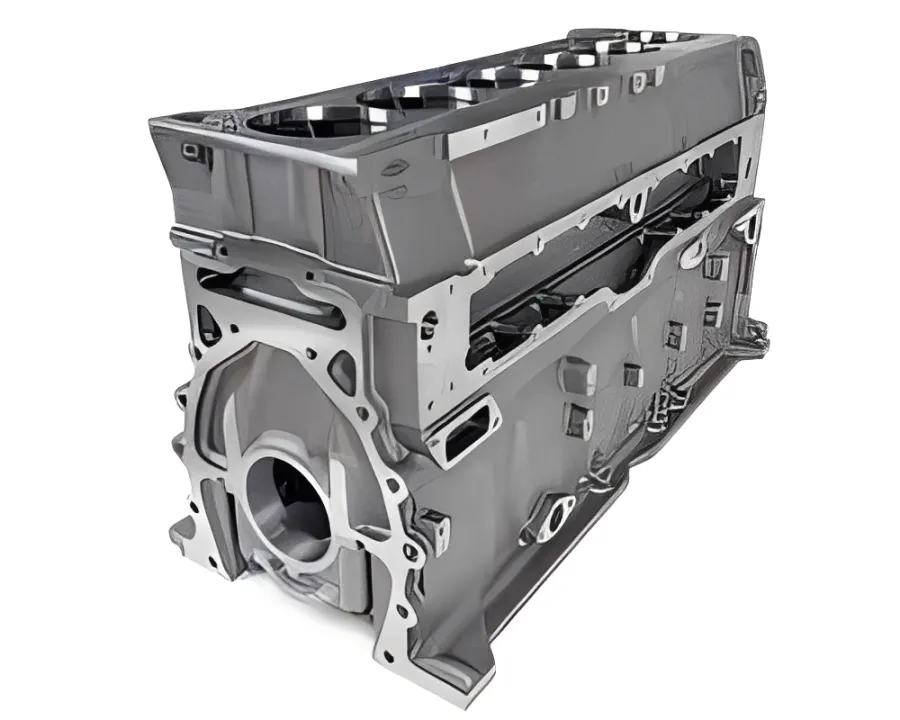
The massive 14.9-liter Cummins X15 delivers significantly higher torque at lower RPMs (down to 1,000 RPM). This structural advantage is critical for heavy-haul, lowboy trailers and steep grades. In contrast, the 12.8-liter Volvo D13 utilizes a lighter, smaller-displacement design, focusing heavily on highway fuel efficiency and maximizing legal payload capacity.
Popular Cummins X15 trucks in North America
Unlike proprietary engines restricted to one brand, the versatility of this engine means you will find Cummins X15 trucks across multiple leading chassis manufacturers.
| Truck Brand | Popular Model | Primary Application |
| Freightliner | Cascadia | Long-haul dry van and refrigerated transport |
| Kenworth | T680 / W990 | Fleet operations and owner-operator heavy haul |
| Peterbilt | 579 / 389 | Premium highway transport |
| International | HX Series / LT | Heavy-duty vocational and regional haul |
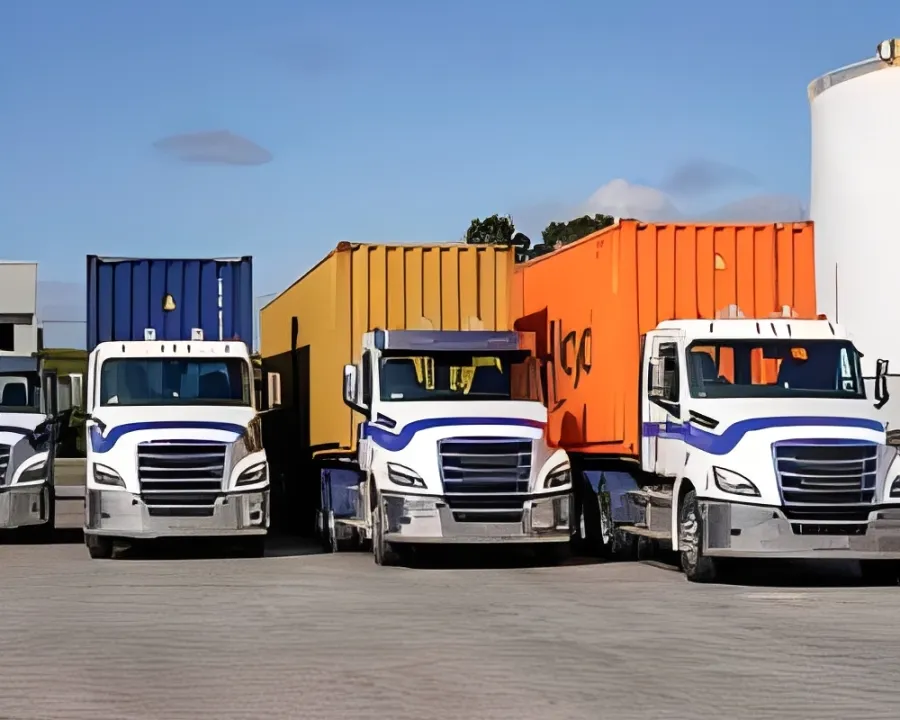
These trucks are specifically chosen by fleet directors for their proven reliability, ease of independent maintenance, and vast aftermarket parts support.
The Ultimate Reliability Comparison: Which Block Lasts Longer?
Reliability is determined by how an engine reacts to thousands of hours of thermal stress, not just its design on paper.
1. Block Durability and Load Capacity
The Cummins X15 utilizes a highly robust, heavy-duty cast-iron block designed for extreme thermal stability. It resists structural deformation even under continuous, 80,000-lb payload loads on steep inclines. The Volvo D13 features a lighter block design. While this drastically improves fuel efficiency and reduces front-axle weight, it may not offer the same sheer physical resilience as the 14.9L Cummins when subjected to extreme vocational abuse.
In-Frame Rebuildability and Lifecycle Extension
When comparing these two powerhouses, fleet managers must also consider what happens at the 500,000 to 700,000-mile mark. The true value of a heavy-duty engine is often determined by its in-frame rebuildability. The Cummins X15 is highly regarded in the North American trucking industry for its straightforward in-frame rebuild process. Mechanics can efficiently replace cylinder liners, pistons, and main bearings without removing the massive engine block from the chassis. This accessibility drastically reduces labor hours, which is a significant advantage when calculating your long-term commercial diesel maintenance cost.
Conversely, while the Volvo D13 can also be rebuilt in-frame, its rear-mounted gear train and tighter chassis integration can make certain heavy-duty repairs more time-consuming for independent shops that are not specialized in Volvo architecture.
During these mid-life overhauls on the Cummins X15, the entire sealing integrity of the engine is reset. When technicians pull the cylinder head, they must use top-tier sealing components to prevent future Cummins X15 issues. Reassembling an engine of this magnitude with inferior rubber or basic single-layer steel gaskets will inevitably lead to compression leaks. By utilizing OEM-grade multi-layer steel gaskets during an in-frame rebuild, fleets can confidently push their trucks past the one-million-mile threshold while keeping their overall commercial diesel maintenance cost strictly within budget.
2. Fuel Efficiency & Transmission Integration
Volvo often wins the fuel economy debate due to the seamless software integration between the D13 engine and the legendary Volvo I-Shift automated manual transmission. However, the Cummins platform offers superior flexibility, pairing flawlessly with the Eaton Endurant transmission, allowing fleets to customize their drivetrains based on specific route topographies.
3. Maintenance Frequency and Ease of Repair
Cummins engines benefit from the largest independent service network in North America. Parts availability is virtually universal, and technician familiarity is exceptionally high. This drastically reduces diagnostic and repair times, a crucial advantage when a truck breaks down in remote areas.
Common Cummins X15 Issues You Must Watch For
Even a legendary heavy-duty platform has specific Cummins X15 issues that mechanics and fleet managers must monitor to prevent catastrophic failures.
EGR Valve and Cooler Failures
Because of strict EPA emissions standards, the Exhaust Gas Recirculation (EGR) system is subjected to extreme soot and heat. The EGR cooler is prone to internal cracking, which allows coolant to leak directly into the exhaust system or cylinders.
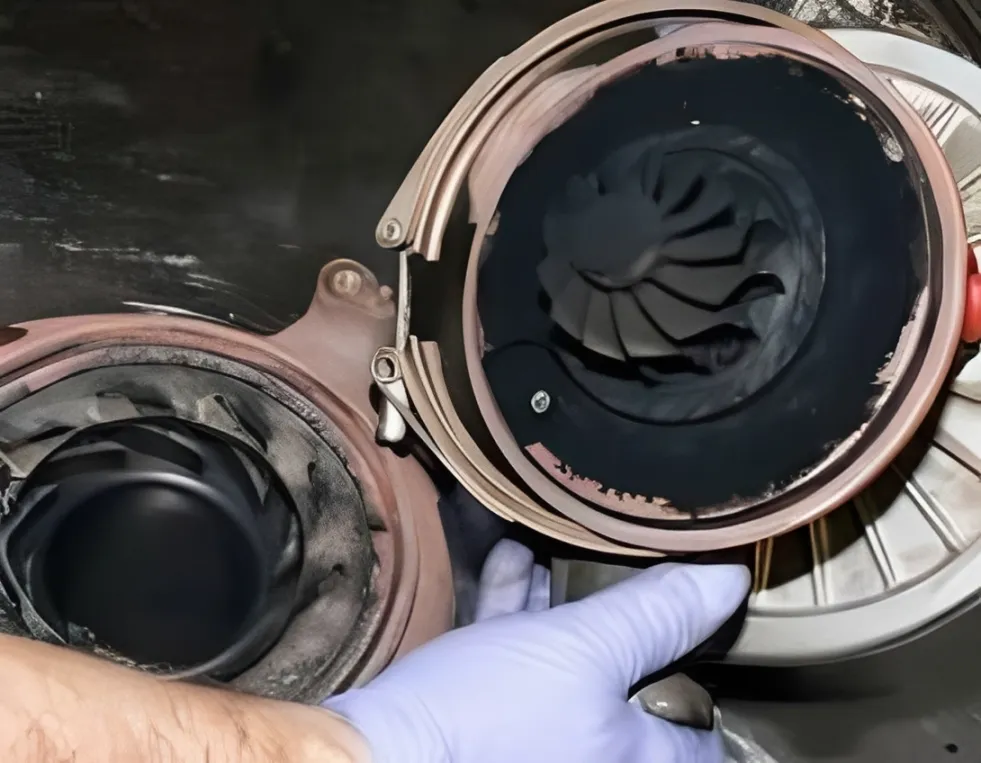
VGT Turbocharger Carbon Buildup
The Variable Geometry Turbocharger (VGT) actuator can become stuck due to heavy carbon buildup. This results in reduced boost pressure, sluggish acceleration, and dangerous spikes in Exhaust Gas Temperatures (EGT).
Upper Cylinder Head Gasket Leaks
Under extreme boost pressure (exceeding 35 PSI) or overheating scenarios, the massive cylinder pressures can physically lift the cylinder head, blowing the head gasket. This is almost always linked to ignored cooling system maintenance or the use of low-quality aftermarket sealing components during a previous rebuild.
Critical Technical Warning
Ignoring mandatory DPF (Diesel Particulate Filter) regeneration cycles and skipping routine EGR maintenance will inevitably lead to extreme exhaust backpressure.
This choked condition drastically increases internal cylinder temperatures and firing pressures. The excess heat will eventually warp the cylinder head, blow the head gasket, and force your fleet into a premature, highly expensive top-end engine rebuild.
Maintenance Manual Insights
80%
of catastrophic heavy-duty diesel engine failures are directly linked to the poor maintenance of emissions systems (EGR/DPF) causing extreme thermal overload — based on commercial diesel service manuals.
How Seal Failures Destroy Your Maintenance Budgets
When evaluating total commercial diesel maintenance cost, fleet managers often hyper-focus on major hard parts like turbochargers and fuel injectors. However, the reality is that minor sealing components can create the largest financial disasters.
The Real Cost Impact of a Blown Gasket:
- Truck Downtime: $800 – $1,500 per day in lost revenue.
- Emergency Towing & Repair Labor: $2,000 to $4,000+.
- Secondary Engine Damage (Coolant in Oil): $5,000 to $15,000+.
The real issue affecting your commercial diesel maintenance cost is not the initial purchase price of an overhaul kit; it is the devastating cost of a repeat failure. A low-quality, cheap gasket that blows out three weeks after installation will instantly cancel out all of your previous maintenance investments.
Related Fleet Strategy Guide: Are you planning a top-end repair or a complete in-frame rebuild for your heavy-duty engine? The parts you choose will dictate your future downtime. Before making a procurement decision, we highly recommend reading our comprehensive [Engine Overhaul Kit Guide: What Brand Should You Choose for Your Rebuild?]. This guide breaks down the exact cost and performance differences between dealer OEM parts and premium aftermarket solutions, helping your fleet save thousands without sacrificing reliability.
What the Industry Experts Say
"The Cummins X15 is a million-mile motor that will often outlast the truck chassis itself. However, this is only true when rigorous maintenance procedures are followed, and high-quality, OEM-grade sealing components are used during major 500,000-mile service intervals. You cannot cut corners on gaskets with 18-to-1 compression."
— Fleet Operations Director
Secure Your Fleet's Lifespan with VP GASKET Solutions
Choosing the correct heavy-duty sealing solution is the most critical decision during an engine rebuild.
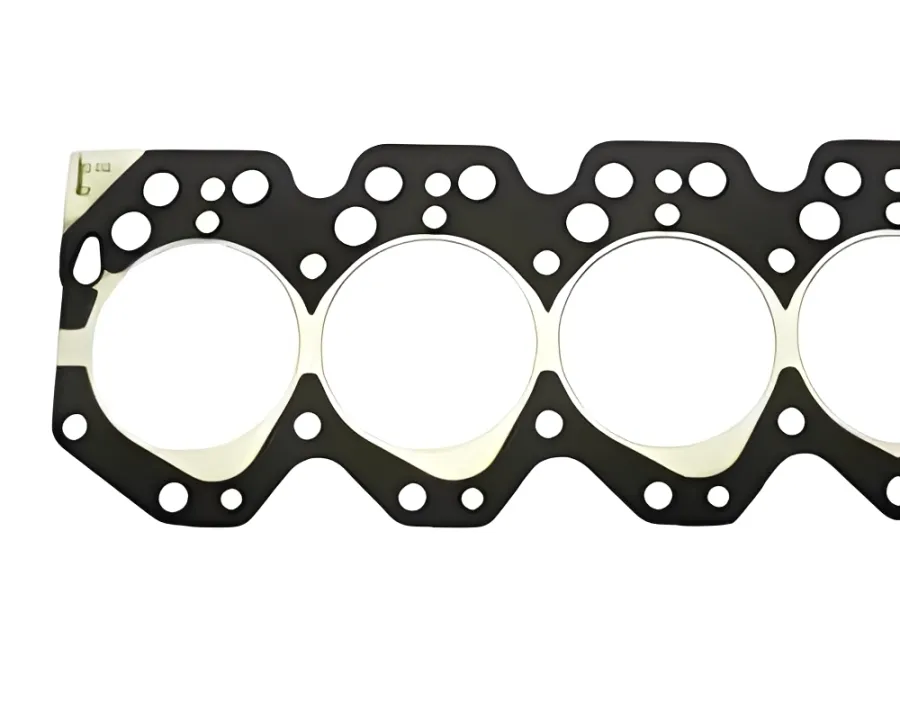
Why Global Fleets Trust VP GASKET:
- Precision Engineering: We utilize advanced Multi-Layer Steel (MLS) gasket designs with FKM elastomer coatings to handle the extreme cylinder pressures of the Cummins X15.
- Operational Advantage: Our gaskets drastically reduce the risk of oil and coolant cross-contamination, providing a stable, unbreakable seal under maximum turbo boost pressure.
- Fleet-Level Value: By eliminating secondary leaks, you guarantee lower truck downtime and significantly longer service intervals.
Real Customer Results:
Commercial fleet customers transitioning to VP GASKET overhaul solutions consistently report a dramatic reduction in repeat top-end repairs, improved long-term compression stability, and a measurable drop in annual maintenance costs.
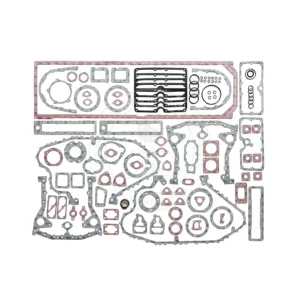
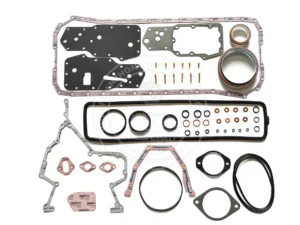
Related Products
Contact Us: Protect Your Engine Investment
In heavy-duty fleet operations, reliability is not optional—it is a mandatory requirement.
If your Cummins X15 or Volvo D13 engines are approaching their major service intervals, the quality of the components you install today will determine your operational downtime tomorrow.
VP GASKET Provides:
- OEM-grade upper and lower gasket kits.
- Advanced technical support for heavy-duty rebuilds.
- Fast, scalable bulk supply for fleet maintenance networks and B2B distributors.
Do not allow a minor sealing failure to stop your entire logistics operation.
Contact our engineering sales team today to secure permanent, reliable sealing solutions for your heavy-duty fleet.
FAQ
Which engine is more reliable for heavy hauling, the Cummins X15 or the Volvo D13?
The Cummins X15 generally offers higher durability and superior low-end torque for extreme heavy loads and steep grades. The Volvo D13 is exceptionally reliable but is engineered with a focus on maximizing highway fuel efficiency and reducing chassis weight.
What are the most common Cummins X15 issues I should look out for?
The most frequent issues involve the emissions systems, specifically EGR cooler internal leaks, DPF sensor failures, VGT turbocharger carbon buildup, and upper cylinder head gasket leaks caused by excessive backpressure.
How long does a Cummins X15 engine typically last?
With rigorous, scheduled maintenance, proper oil analysis, and timely emissions system cleaning, a Cummins X15 is designed to easily exceed 1,000,000 miles before requiring a complete out-of-frame overhaul.
What factors affect commercial diesel maintenance cost the most?
Unexpected downtime, emergency road service labor, and repeat repairs due to using inferior aftermarket parts are the absolute biggest drains on a commercial fleet's maintenance budget.
How can fleet operators reduce catastrophic engine failures?
Regularly cleaning the DPF system to prevent backpressure, strictly adhering to oil change intervals, and using premium, MLS (Multi-Layer Steel) gaskets during rebuilds will significantly reduce the risk of catastrophic engine failure.