
Table of Contents
The Legacy of Cummins in Ram Trucks
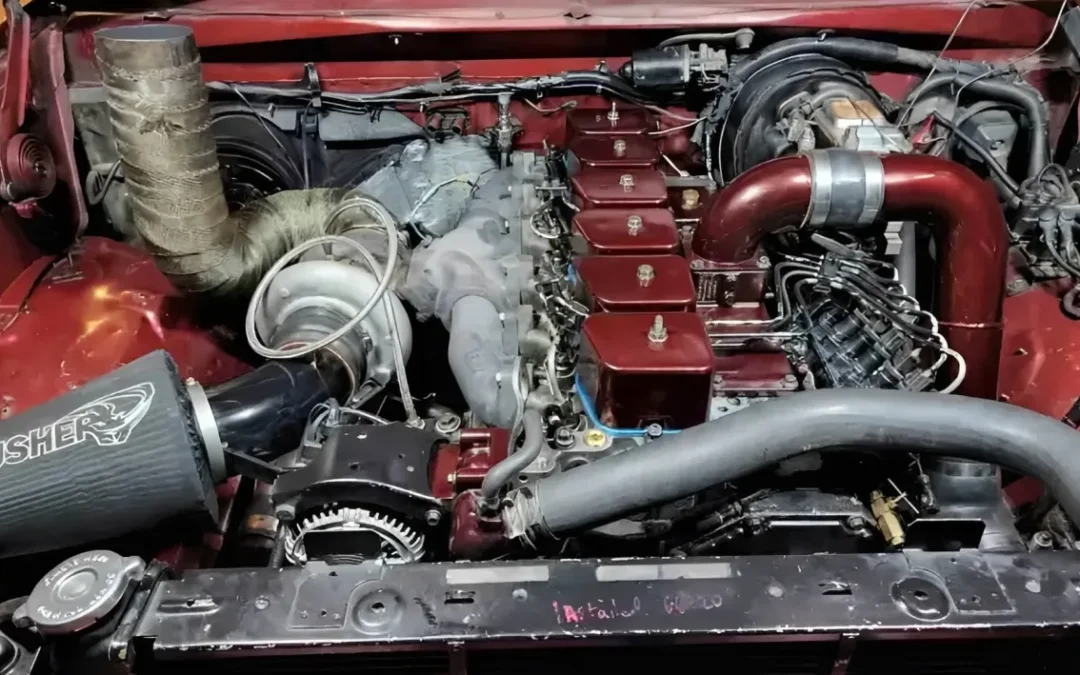
Dodge diesel engines completely transformed the heavy-duty pickup truck market when Cummins commercial power first entered the Dodge Ram lineup in 1989. Before this partnership, most diesel pickups produced by Ford and GM focused mainly on fuel economy, lacking serious hauling muscle. The arrival of the 5.9L Cummins changed everything by delivering massive low-end torque, true commercial-grade durability, and million-mile towing reliability.
Today, Dodge diesel engines remain some of the most highly sought-after heavy-duty trucks in North America.
From commercial farmers and heavy-equipment contractors to RV owners and diesel performance tuners, buyers constantly scour the used market for older and newer Ram HD trucks. The primary reason is almost always the legendary Cummins inline-six engine sitting between the frame rails.
However, the biggest mistake enthusiastic buyers make is assuming all Cummins-powered trucks are equally indestructible.
In reality, each generation features vastly different fuel systems, wildly different emissions equipment, varying head gasket durability, and specific cooling system weaknesses. A freshly waxed exterior and a clean Carfax report do not guarantee a healthy engine. While some generations are famous for million-mile, trouble-free durability, others are known for catastrophic injector failures, stretched factory head bolts, or dangerous cooling system pressurization.
This data-driven guide ranks the Dodge Ram diesel engine history, highlights the best Dodge diesel engine generations, explains common Dodge diesel problems, and details why premium Dodge diesel gasket kits are the ultimate insurance policy for towing reliability.
Exploring the Dodge Ram Diesel Engine History
The Dodge Ram diesel engine history spans more than three decades of continuous Cummins engineering development. Over this period, Dodge diesel engines evolved from fully mechanical, smoky workhorses into highly refined, electronically controlled, high-output towing platforms.
Understanding the engineering shifts between generations is essential when evaluating used Ram trucks.
The Evolution of Dodge Cummins Diesel Engines (1989–Present)
| Cummins Generation | Production Years | Engine Specs & Fuel System | Key Engineering Strength | Primary Known Flaw |
| First Gen (12V) | 1989 – 1993 | 5.9L 12-Valve / VE Rotary Pump | Absolute mechanical simplicity. | Slow performance; very loud. |
| Second Gen (12V) | 1994 – 1998 | 5.9L 12-Valve / P7100 (P-Pump) | Legendary extreme reliability. | Killer Dowel Pin (KDP). |
| Second Gen (24V) | 1998.5 – 2002 | 5.9L 24-Valve / VP44 Electronic | Broader RPM power band. | Catastrophic VP44 pump failure. |
| Third Gen (CR) | 2003 – 2007 | 5.9L 24-Valve / Bosch Common Rail | High horsepower; quiet idle. | Injector wear leading to melted pistons. |
| Modern Era (6.7L) | 2007.5 – Present | 6.7L 24-Valve / Common Rail + EGR/DPF | Massive, class-leading towing torque. | Blown head gaskets due to excessive drive pressure. |
While evolution vastly improved towing capacity and emissions compliance, it also introduced thousands of additional electronic and sealing failure points.
The 12-Valve 5.9L: The Million-Mile Legend
When you ask heavy-duty mechanics to name the best Dodge diesel engine ever built, the majority will point directly to the 1994–1998 12-valve 5.9L Cummins.
The reasons are driven by engineering simplicity:
- Zero Electronics: Mechanical injection means an EMP or dead battery won't stop the engine from running once started.
- Over-Engineered Bottom End: Massive connecting rods and main bearings designed for commercial tractors.
- The P7100 Pump: The legendary "P-Pump" can flow massive amounts of fuel, making it highly desirable for performance tuners.
These trucks are famous for surpassing 500,000 miles with only basic fluid changes. However, even the legendary 12-valve platform has one famous, potentially devastating flaw.
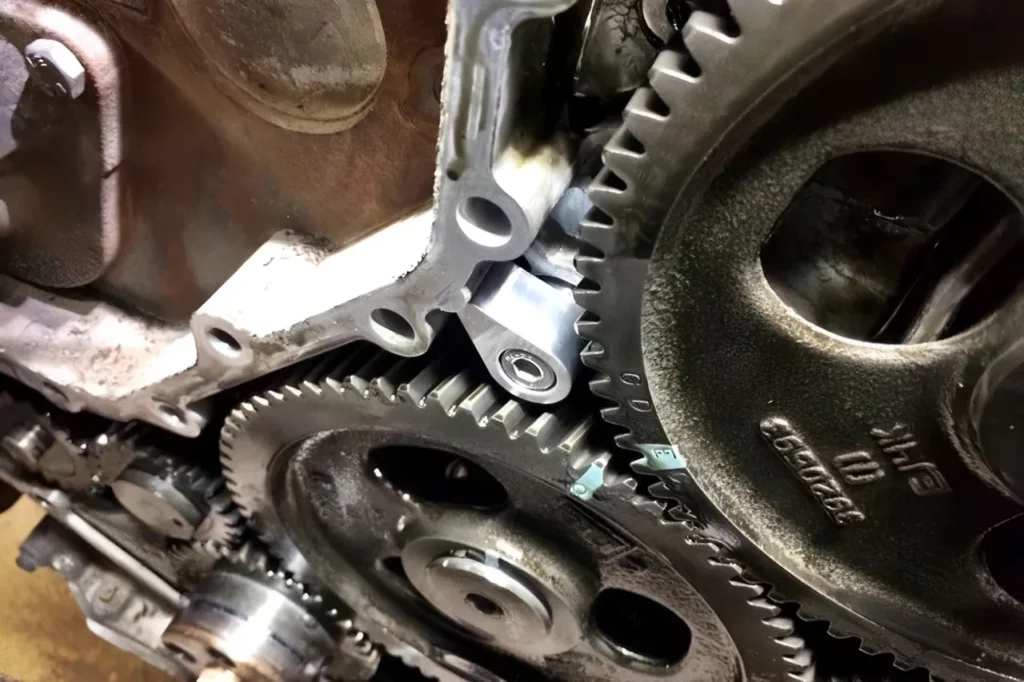
One of the most serious common dodge diesel problems involves the Killer Dowel Pin (KDP). This is a small, unflanged steel alignment pin located inside the front timing gear case. Over years of heavy diesel vibration, the pin can gradually work itself loose and fall directly into the spinning timing gears.
If the KDP falls:
- The timing gears shatter.
- The aluminum front timing housing cracks.
- Camshaft timing is lost, resulting in pistons smashing into valves.
- Complete engine destruction occurs instantly.
The 24-Valve 5.9L and the 6.7L Evolution
The transition to the 24-valve platform in mid-1998 introduced electronic injection. This yielded significantly better throttle response, cleaner emissions, and smoother operation. However, the fuel delivery system introduced severe reliability concerns.
The Bosch VP44 electronic injection pump used from 1998.5 to 2002 became one of the most widely discussed common Dodge diesel problems. The VP44 is lubricated entirely by the diesel fuel passing through it and requires a constant, high-pressure supply from the factory lift pump.
Common VP44 Diagnostic Symptoms
| Symptom Displayed | Mechanical Translation / Cause | Estimated Repair Risk |
| "Dead Pedal" (No throttle response) | The VP44 electronics board has overheated and failed. | $2,000+ (Pump Replacement) |
| Hard Starting (Hot Engine) | Internal rotor wear inside the VP44 pump. | $2,000+ (Pump Replacement) |
| Engine Stumbling / Low Power | Factory lift pump failure starving the VP44 of fuel. | $500 (Lift pump replacement required immediately) |
Later common rail 5.9L engines (2003-2007) fixed the VP44 issue, but the massive 6.7L Cummins introduced entirely new sealing challenges. The modern 6.7L offers immense torque (up to 1,075 lb-ft in current models) and excellent integrated exhaust braking. However, the high boost pressures required to create that power, combined with restrictive emissions systems, create extreme internal thermal stress.
This stress directly targets the cylinder head gasket.
What the Industry Experts Say
Automotive auction inspectors and heavy-duty diesel specialists consistently emphasize that the resale value of Dodge diesel engines is tied entirely to generation-specific reliability and documented maintenance history.
- "The specific engine generation completely dictates the resale value of used Ram HD trucks. Buyers happily pay extreme premium prices for clean 12-valve and early 5.9L common-rail trucks precisely because they lack the expensive emissions failures common to modern trucks." — Heavy-Duty Auction Inspector
- "The vast majority of catastrophic 6.7L failures we inspect in the shop begin with coolant pressurization. This is caused directly by stretched factory head bolts yielding under heavy towing loads, which allows the head gasket to blow." — Fleet Diesel Service Manager
Navigating the Used Market
If you are currently hunting the used market for a heavy-duty tow rig, knowing which Cummins engine is bulletproof is only half the battle. You also need to know which model years have the strongest chassis, the best transmissions, and the fewest electrical gremlins.
➡️ Read our comprehensive truck buyer's guide to make an informed investment: 3 Best RAM 2500 Diesel Years (And the Worst to Avoid).
Combining engine reliability data with intelligent chassis selection helps you make a vastly safer, more profitable long-term investment.
Common Dodge Diesel Problems by Generation
Although Dodge diesel engines remain highly respected globally, every generation has a specific, recurring mechanical "Achilles' heel."
The 6.7L Head Gasket and EGR Failures
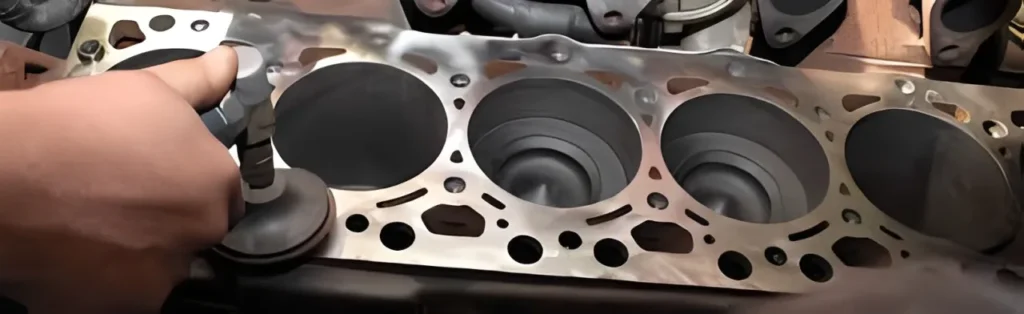
The modern 6.7L Cummins produces significantly higher cylinder pressure than the earlier 5.9L engines. When you combine heavy payload towing, aftermarket performance tuning, and the excessive exhaust drive pressure created by the Variable Geometry Turbocharger (VGT), you place enormous stress on the factory head bolts and the Multi-Layer Steel (MLS) head gaskets.
Once the factory head bolts physically stretch under pressure:
- The cylinder head lifts slightly off the block.
- 2,000+ PSI combustion gases escape the cylinder.
- These gases hyper-pressurize the cooling system.
- The overflow bottle vomits coolant, leading to extreme overheating and warped cylinder heads.
Don’t Tune Without Sealing Upgrades
⚠️ Warning:
Adding a "hot tune" (aftermarket programmer) to a stock Dodge diesel engine is an absolute fast track to blowing the cylinder head gasket.
When you plug in a tuner, you dramatically increase boost pressure and advance fuel injection timing. This radically spikes the internal cylinder pressure far beyond what the factory head bolts were designed to hold. If you plan to increase boost pressure or alter fuel maps on a 5.9L or 6.7L, you must upgrade your engine sealing system and install heavy-duty, high-tensile head studs first.
78%
of extreme coolant pressurization issues on high-horsepower Dodge diesel engines trace back to factory head bolts stretching under heavy towing loads, proving exactly why checking fastener torque values according to the official OEM repair manual is a non-negotiable maintenance step for engine builders.
Essential Dodge Diesel Engine Upgrades for Longevity
Preventive aftermarket upgrades are the only way to help Dodge diesel engines survive heavy fifth-wheel towing, performance tuning, and high-mileage commercial use.
The most effective dodge diesel engine upgrades focus heavily on cooling stability, oil control, sealing reliability, and fuel delivery consistency.
Recommended Reliability Upgrades for Cummins Engines
| Recommended Upgrade | Engine Generation | Primary Mechanical Benefit |
| KDP Fix (Dowel Pin Tab) | 1989 – 1998 (12V) | Secures the alignment pin, preventing catastrophic timing gear destruction. |
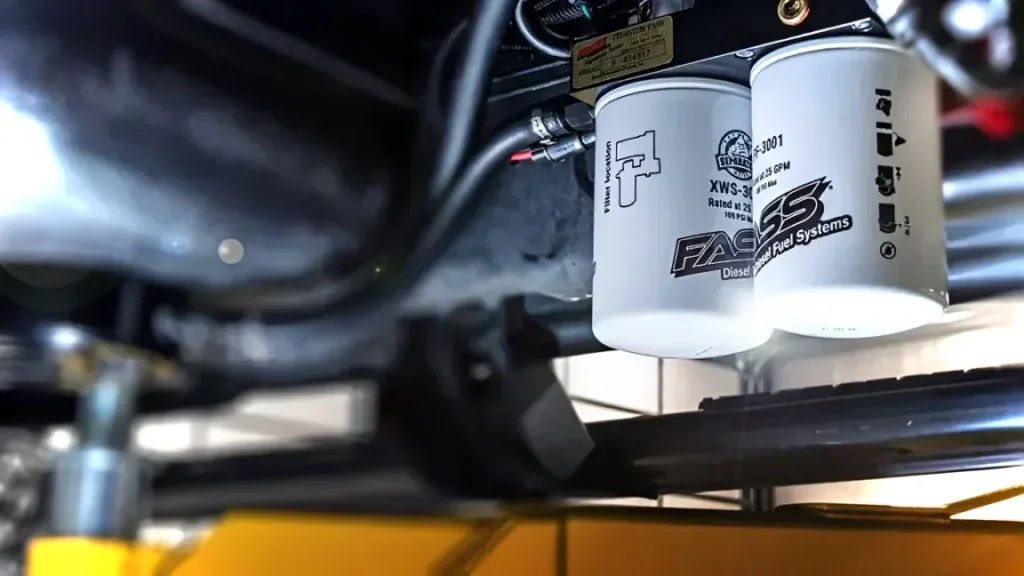
| Upgraded Lift Pump (FASS/AirDog) | 1998.5 – 2002 (24V) | Ensures constant fuel pressure, saving the $2,000 VP44 injection pump. |
| Heavy-Duty Head Studs | All 6.7L / Tuned 5.9L | Replaces stretching factory bolts, clamping the cylinder head down under massive boost. |
| Premium MLS Head Gaskets | All Generations | Utilizes multi-layer steel to provide extreme high-pressure combustion sealing. |
| Coolant Filtration Kits | All Generations | Removes casting sand and debris, protecting the water pump and engine block. |
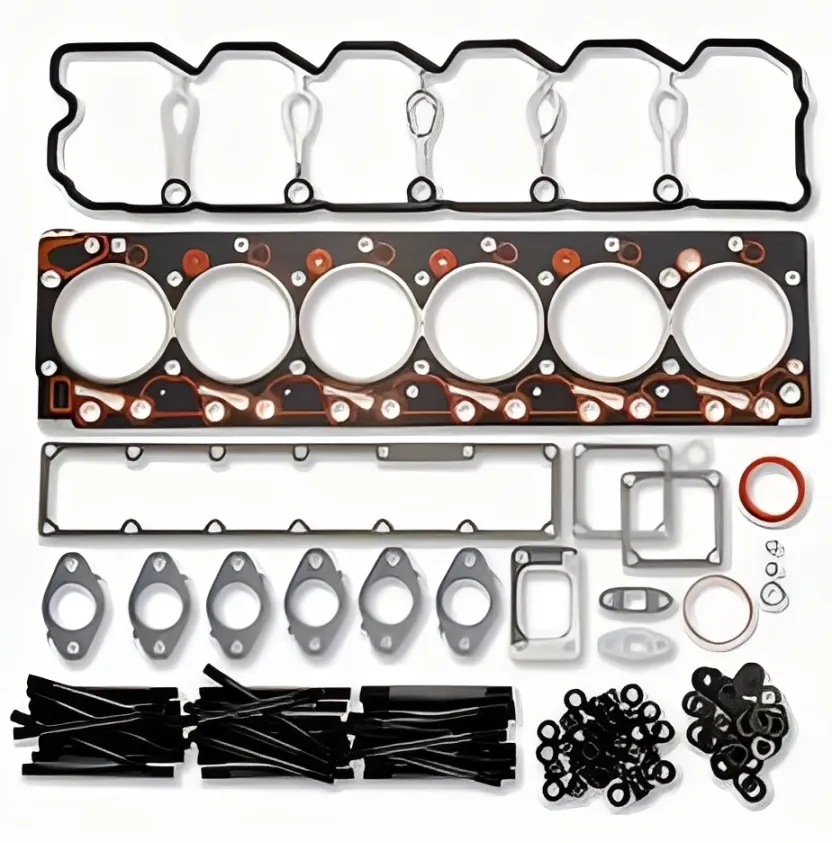
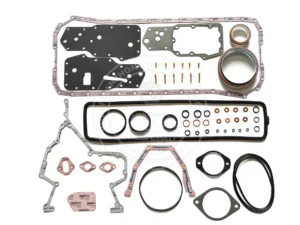
Using high-quality Dodge diesel gasket kits during top-end engine overhauls is especially critical for commercial fleet vehicles and highly tuned performance trucks. Professional repair facilities increasingly recommend upgrading to FKM elastomer sealing materials for valve covers and oil pans because they tolerate much higher temperatures and resist modern synthetic oil degradation far better than factory rubber.
Upgrade Your Cummins Reliability with VPGASKET
Whether you are restoring a classic 12-valve million-mile legend or bulletproofing a modern 6.7L for heavy heavy-hauling, your Dodge diesel engine demands premium sealing to contain its massive torque.
Factory gaskets often fail when the engine is pushed past stock power limits or subjected to the extreme thermal cycling of mountain towing. VPGASKET develops premium, heavy-duty sealing systems engineered specifically for Cummins applications.
Our comprehensive Dodge diesel gasket kits support:
- 5.9L 12-valve Cummins
- 5.9L 24-valve Cummins
- 5.9L Common Rail Cummins
- 6.7L Cummins applications
By choosing our robust sealing technologies—including our precision-cut MLS head gaskets and extreme-temperature FKM rubber seals—you permanently resolve factory weak points. Performance shops and diesel rebuilders using VPGASKET products frequently report zero head gasket blowouts, perfectly stable coolant pressure, and vastly improved long-term towing reliability. Ensure your truck delivers maximum towing power without the fear of coolant leaks by upgrading your sealing components today.
Contact Us
If your business specializes in diesel performance tuning, complete Cummins rebuilding, fleet maintenance, or heavy-duty towing upgrades, VPGASKET can provide the professional sealing solutions your operation demands.
Wholesale & Technical Support:
- Email: [email protected]
- Website: VPGASKET.com
Contact our technical B2B sales team today for wholesale distributor pricing on comprehensive Dodge diesel gasket kits, OEM-grade MLS head gasket upgrades, fleet maintenance support, and custom heavy-duty sealing solutions.
Related Products
FAQ
What is the best Dodge diesel engine?
The vast majority of mechanics and diesel enthusiasts consider the 1994–1998 5.9L 12-valve Cummins (equipped with the mechanical P7100 injection pump) the best Dodge diesel engine ever produced due to its extreme durability, lack of complex electronics, and massive tuning potential.
What are the most common Dodge diesel problems?
Depending on the specific generation, common Dodge diesel problems include the Killer Dowel Pin (KDP) destroying timing gears, VP44 injection pump electrical failures, stretched factory head bolts causing blown head gaskets, and clogged EGR systems on modern 6.7L models.
Are 6.7L Cummins engines reliable?
Yes, the 6.7L Cummins is highly capable and reliable, but only when owners strictly maintain their cooling systems and install heavy-duty head studs and premium MLS head gaskets before adding aftermarket performance tunes.
What upgrades improve Dodge diesel reliability?
The most effective dodge diesel engine upgrades include installing heavy-duty head studs to prevent head lift, utilizing premium MLS head gaskets, upgrading to an aftermarket high-flow lift pump, and installing coolant filtration systems.
Why are Dodge diesel gasket kits important?
Premium Dodge diesel gasket kits are critical because they utilize advanced materials like Multi-Layer Steel (MLS) and FKM rubber to prevent dangerous coolant pressurization, oil seepage, and combustion pressure loss during extreme heavy towing and high-performance operation.