

Table of Contents
Hey there, let's talk about something that's shaking up the entire commercial vehicle world right now. The global rules for commercial trucks are getting much tighter, and fast. The United States Environmental Protection Agency (EPA) just dropped some massive new regulations that are going to completely change the game for commercial transportation, fleet management, and the entire automotive supply chain.
If you're a manufacturer or supplier, getting a grip on the new EPA Heavy Duty Emissions standards isn't just a "nice to have" anymore—it's an absolute must for keeping your business alive. These fresh EPA Heavy Duty Emissions rules set up some seriously strict multi-pollutant limits. Basically, they're forcing Original Equipment Manufacturers (OEMs) to completely rethink how they build engine architectures and handle thermal management systems.
Think of this guide as your roadmap. We're going to break down exactly what the EPA Heavy Duty Emissions regulations actually mean, look at the timeline you need to follow to stay compliant, and explore the different technology paths OEMs can take. Most importantly, we'll dive into what this huge industry shift means for the future of engine sealing and gasket technology. Let's get into it!
What Exactly Are the EPA Heavy Duty Emissions Standards? (Core Definitions)
When we talk about the big EPA Heavy Duty Emissions shift, you have to know that the EPA actually finalized two huge, connected sets of rules. Together, these cover almost every type of vehicle on the road.
Heavy-Duty Vehicles (Phase 3)
At the heart of the commercial side is the EPA Heavy Duty Emissions Phase 3 rule, officially known as the "Greenhouse Gas Emissions Standards for Heavy-Duty Vehicles-Phase 3".
- This rule applies directly to heavy-duty vocational vehicles and tractors.
- The regulations will kick in "starting with model year 2027".
Light-Duty and Medium-Duty Vehicles (Multi-Pollutant Rule)
At the same time, the EPA rolled out the "Multi-Pollutant Emissions Standards for Model Years 2027 and Later Light-Duty and Medium-Duty Vehicles".
- This one covers your everyday passenger cars and light trucks.
- But here's the catch for the commercial sector: it also drops strict rules on "Class 2b and 3 vehicles".
Quick Reference Guide to EPA 2027 Emissions Rules
| Regulatory Focus | Target Vehicle Categories | Implementation Phase | Key Policy Strategy | Source Document |
| Heavy-Duty GHG Phase 3 | Heavy-duty vocational vehicles, commercial tractors | Starting MY 2027 | "starting with model year 2027" | |
| Multi-Pollutant Rule | Passenger cars, light trucks, Class 2b/3 medium-duty | MY 2027 – 2032 | "Multi-Pollutant Emissions Standards for Model Years 2027 and Later Light-Duty and Medium-Duty Vehicles" | |
| Scope of Coverage | Fleet-wide transition | Complete by 2032 | Targets "Class 2b and 3 vehicles" |
Emission Targets: What Do These EPA Heavy Duty Emissions Actually Target?
So, what’s the main goal behind all these EPA Heavy Duty Emissions policies? Simple: the EPA wants to tackle climate change and seriously clean up the air we breathe. They’ve explicitly stated that these new EPA Heavy Duty Emissions guidelines are built to "further reduce harmful air pollutant emissions".
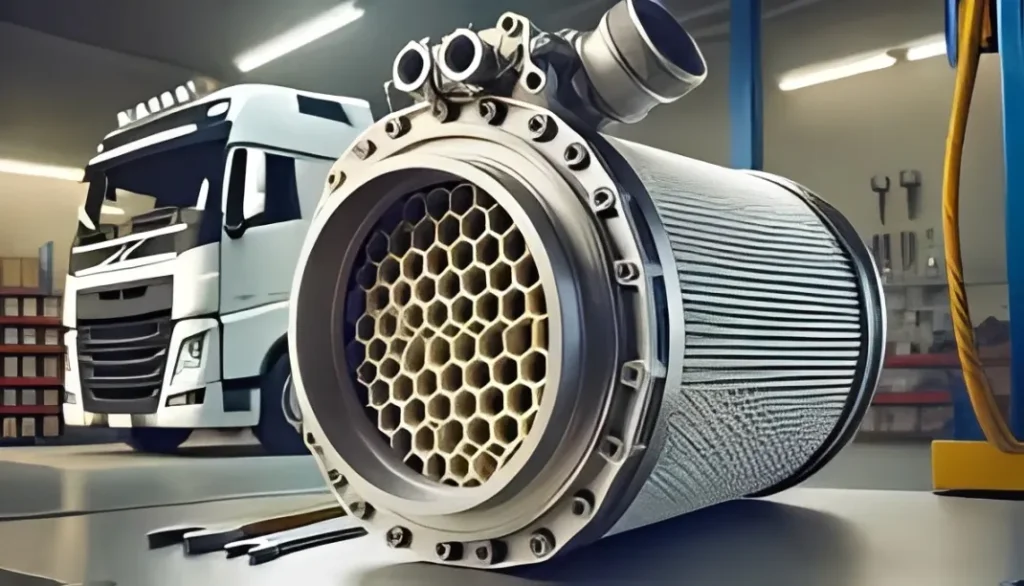
These rules aim to reduce multiple pollutants all at once, hitting both the heavy-duty and medium-duty sectors. The EPA is specifically trying to cut down on "pollutants that create ozone and particulate matter".
Targeted Pollutants Include:
- Greenhouse Gases (GHG): Primarily Carbon Dioxide (CO2).
- Nitrogen Oxides (NOx): A major contributor to smog.
- Particulate Matter (PM2.5): Fine soot particles from combustion.
- Volatile Organic Compounds (VOCs): Hydrocarbon emissions.
The Implementation Timeline: A Phased Approach to EPA Heavy Duty Emissions
One of the most important things to understand about the EPA Heavy Duty Emissions standards is that the government isn't just banning internal combustion engines overnight. Instead, they're using a gradual phase-in structure to give OEMs and the rest of the supply chain a little breathing room to adapt.
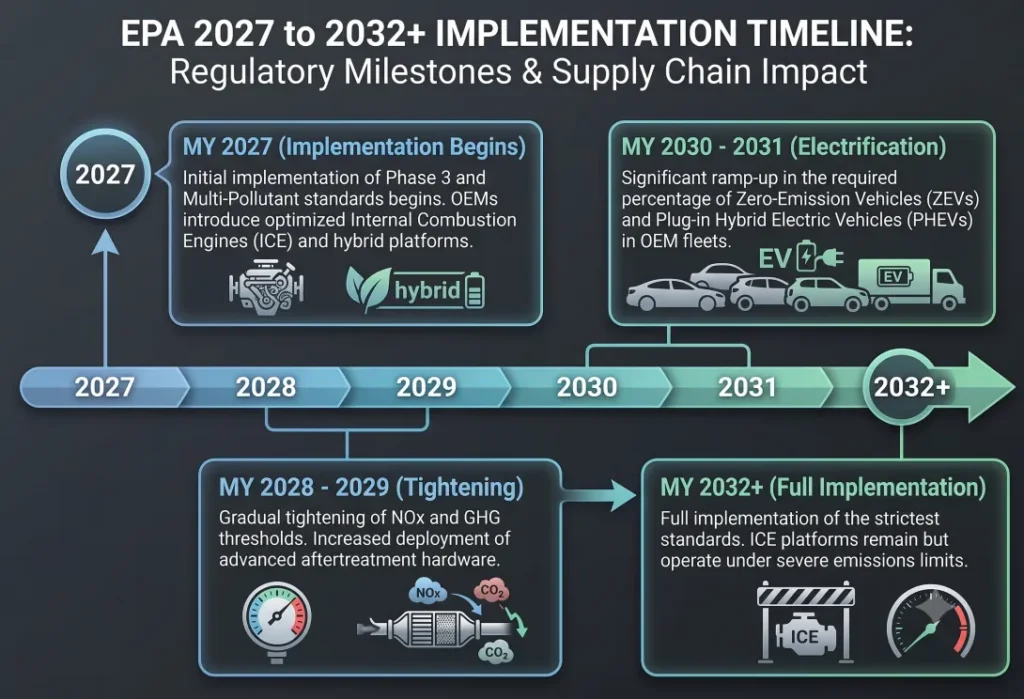
According to the official EPA Heavy Duty Emissions Phase 3 documents, these regulations will "phase in over model years 2027 through 2032". Basically, this means the rules of the game are going to get tougher and tougher with each passing year.
EPA 2027 to 2032 Implementation Timeline
| Model Year (MY) | Regulatory Action & Supply Chain Impact |
| MY 2027 | Initial implementation of Phase 3 and Multi-Pollutant standards begins. OEMs introduce optimized Internal Combustion Engines (ICE) and hybrid platforms. |
| MY 2028 - 2029 | Gradual tightening of NOx and GHG thresholds. Increased deployment of advanced aftertreatment hardware. |
| MY 2030 - 2031 | Significant ramp-up in the required percentage of Zero-Emission Vehicles (ZEVs) and Plug-in Hybrid Electric Vehicles (PHEVs) in OEM fleets. |
| MY 2032+ | Full implementation of the strictest standards. ICE platforms remain but operate under severe emissions limits. |
OEM Technology Paths: The Future of EPA Heavy Duty Emissions Compliance
One really cool feature of the new EPA Heavy Duty Emissions framework is that it’s actually pretty flexible. The EPA intentionally designed these rules to be "technology-neutral and performance-based".
Instead of pointing at one specific type of vehicle and saying "build this," the EPA is "allowing each manufacturer to choose what set of emissions control technologies is best suited for them." This open-ended approach is what will drive the future of EPA Heavy Duty Emissions compliance.
Available OEM Technology Combinations for Compliance
| Powertrain Technology | Description | Expected Engineering Focus |
| Advanced ICE | Highly optimized internal combustion engines | Extreme cylinder pressures, advanced EGR systems, complex exhaust aftertreatment. |
| HEV (Hybrid) | Hybrid Electric Vehicles | Balancing combustion heat cycles with electrical efficiency. |
| PHEV (Plug-in Hybrid) | Heavy-duty plug-in hybrids | Dual thermal management systems for both battery and combustion engine. |
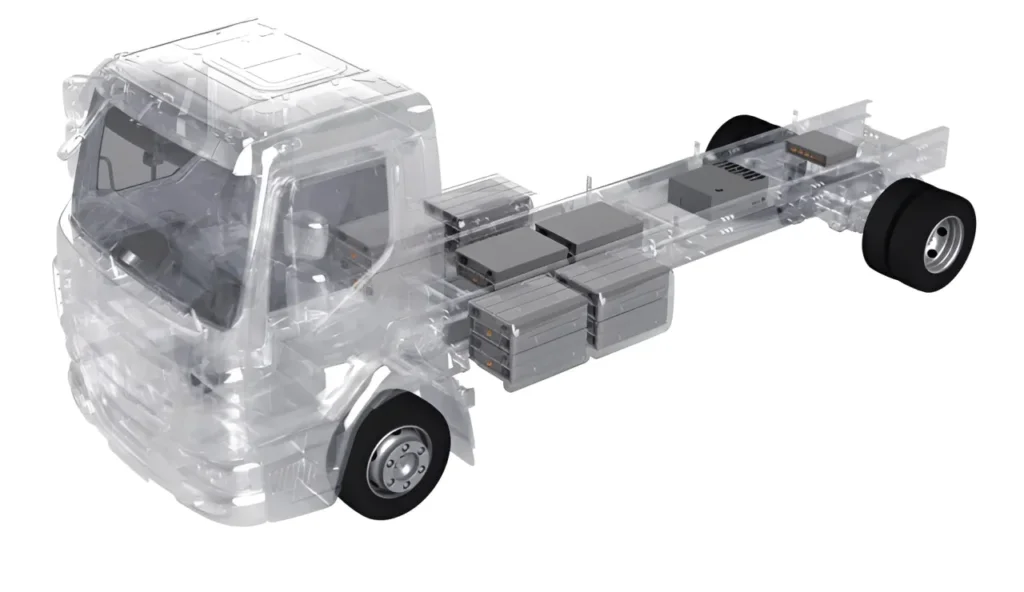
| BEV (Battery Electric) | Pure electric zero-emission vehicles | High-voltage battery isolation, inverter sealing, and coolant management. |
Making Sense of the Commercial Impact of EPA Heavy Duty Emissions

As you can imagine, bringing in these strict EPA Heavy Duty Emissions standards has sparked some serious debates about how much it's all going to cost. But if you look at the EPA's Regulatory Impact Analysis (RIA), they strongly defend the commercial impact of EPA Heavy Duty Emissions. In fact, the EPA projects that in the long run, the "benefits will exceed costs".
Their logic goes like this: Yes, building these vehicles is going to cost more upfront. But those initial price bumps will be totally wiped out by the massive lifecycle savings you get from burning less fuel and spending less money on overall fleet maintenance.
What Do the Experts Say?
"Fleet operators need to stop looking at the 2027 mandates purely as a compliance headache and start looking at Total Cost of Ownership (TCO). Yes, these advanced ICE and hybrid platforms are more complex, but the real financial risk isn't the upfront cost—it’s the downtime. Putting cheap, sub-par aftermarket seals into these high-stress, next-generation engines is a recipe for catastrophic failure. Investing in OEM-grade thermal and sealing management is the only way to protect your uptime."
How EPA Heavy Duty Emissions Reshape the Supply Chain (The VPGASKET Advantage)
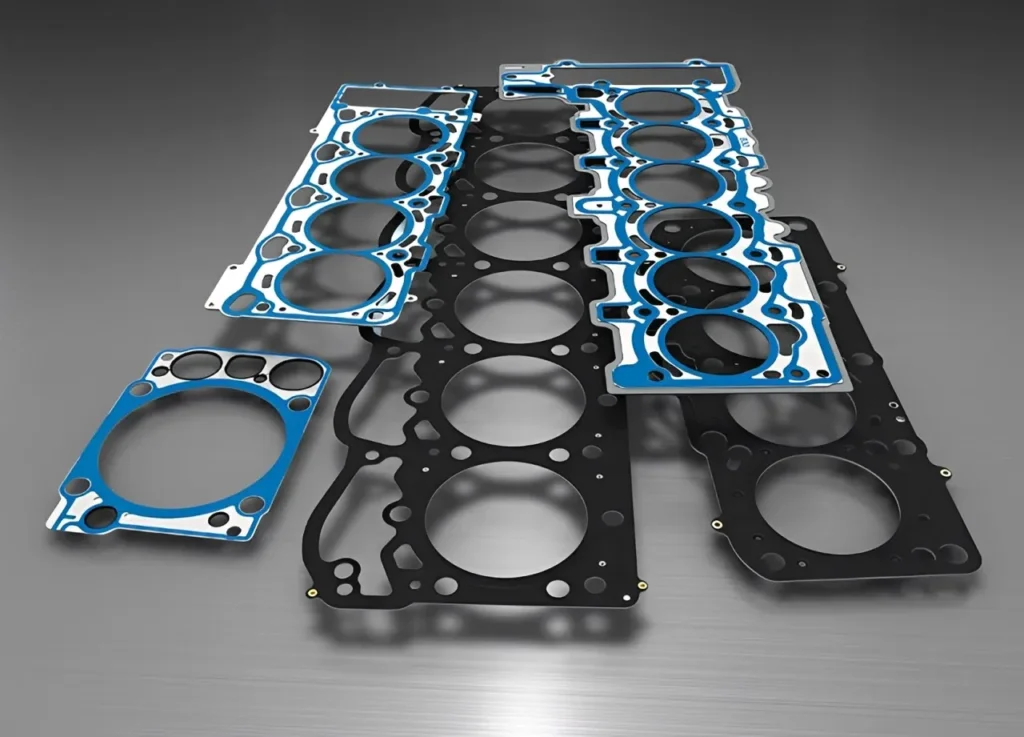
Let's clear something up: the push toward stricter EPA Heavy Duty Emissions standards doesn't mean the internal combustion engine is dead, and it certainly doesn't mean we stop needing premium sealing components. What it actually does is trigger a massive shake-up across the entire supply chain. Gaskets aren't going anywhere; instead, where and how we use them is shifting, and the jobs they have to do are getting way tougher. This is exactly where EPA Heavy Duty Emissions sealing solutions come into play.
The Advanced ICE & Hybrid Era (High-Temperature Sealing)
Because the EPA still lets OEMs build combustion engines under these strict EPA Heavy Duty Emissions limits, those engines will have to run at crazy-high cylinder pressures and temperatures just to squeeze out maximum fuel efficiency. On top of that, they’ll be relying on massive, super-complex Exhaust Gas Recirculation (EGR) and exhaust aftertreatment systems.
This dynamic will create a massive spike in demand for sealing solutions capable of withstanding ultra-high temperatures. Premium Multi-Layer Steel (MLS) gaskets, heavy-duty exhaust manifold gaskets, and highly durable EGR seals will be absolutely critical to keeping these engines compliant.
The EV & Electrification Era (Thermal & Fluid Management)
As fleets start bringing in more Battery Electric Vehicles (BEVs) to hit those strict 2032 targets, the sealing game pivots hard toward thermal management.
Electric commercial trucks require incredibly specialized coolant sealing to protect their massive battery packs. They also need precision insulation systems and environmental sealing for high-voltage inverters and electric traction motors to survive out on the road.
VPGASKET Solutions for the 2027+ Commercial Vehicle Market
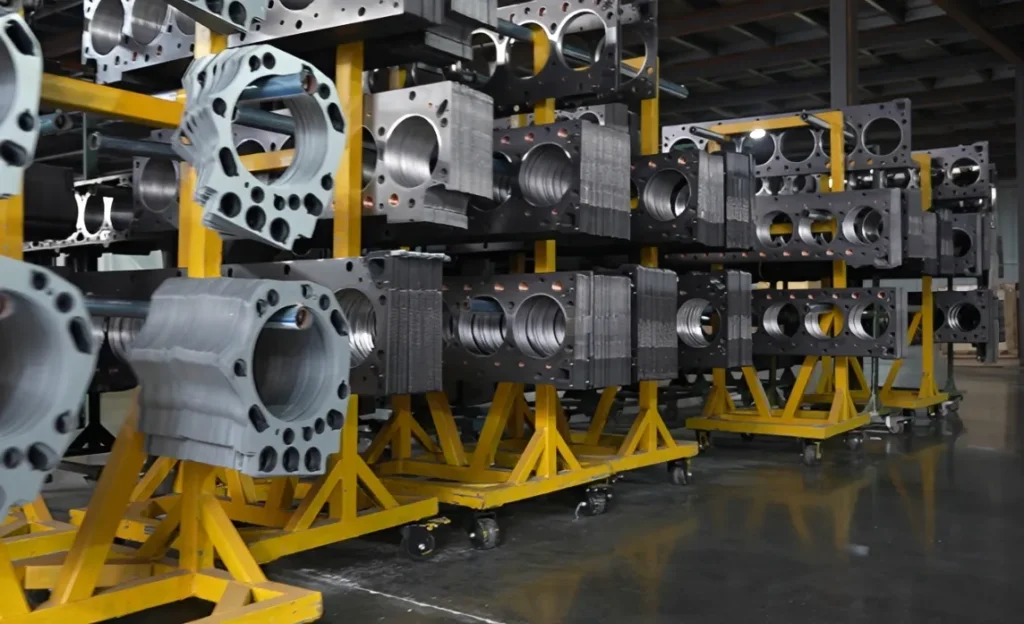
| Vehicle Architecture | Component Challenge under EPA 2027 | VPGASKET Strategic Solution |
| Next-Gen Heavy-Duty ICE | Extreme combustion heat, massive EGR pressures | Premium MLS Head Gaskets, High-Temp Exhaust & EGR Seals |
| Heavy-Duty HEV / PHEV | Frequent thermal cycling (engine turning on/off) | Robust elastomer seals, dynamic fluid containment gaskets |
| Heavy-Duty BEV | Battery thermal runaway protection, coolant leaks | Precision coolant seals, Battery Enclosure Gaskets, Inverter Seals |
The Start of an EPA Heavy Duty Emissions Powertrain Revolution
At the end of the day, the rollout of the EPA Heavy Duty Emissions regulations is the starting gun for a complete powertrain revolution in the global commercial vehicle industry. Traditional internal combustion platforms will probably see their overall market share shrink, but they are absolutely going to remain a vital part of heavy-duty logistics. They're just going to evolve into highly complex, ultra-efficient machines that demand the absolute highest quality replacement parts.
At the same time, the rapid rise of HEV, PHEV, and BEV platforms is going to open up entirely new doors for thermal management and electrical isolation components. Whether you're a fleet operator, an OEM, or a B2B distributor, partnering with a forward-thinking sealing manufacturer like VPGASKET ensures that no matter which technology path you choose, your commercial vehicles will stay compliant, reliable, and leak-free as you navigate the new world of EPA Heavy Duty Emissions.