
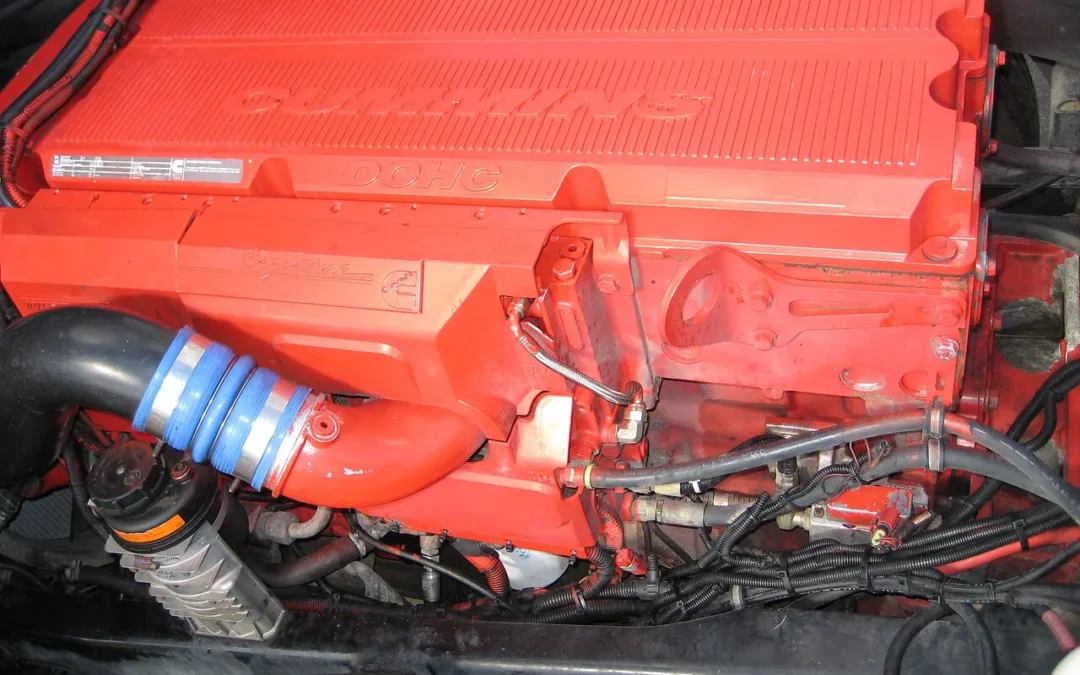
If you spend your life behind the wheel of a big rig, or if you manage a fleet of trucks, you know that your engine is the heart of your business. Right now, one of the biggest debates in the trucking world is the Cummins X15 vs ISX15.
Both of these engines are massive 14.9-liter powerhouses. But they come from two very different times in trucking history. The ISX15 is the older, proven workhorse that mechanics have known and loved for years. The X15 is the newer, smarter, and cleaner version built to meet strict modern emissions rules while saving you money at the fuel pump.
Choosing between them isn't just about looking at horsepower numbers on a piece of paper. You have to think about repair costs, how the truck feels on a steep hill, and how much time it might spend broken down in the shop. In this guide, we are going to keep things simple and conversational. We will look at what real drivers are saying and break down the exact differences you need to know.
Table of Contents
A Quick Look at the Engines (What the Data Says)
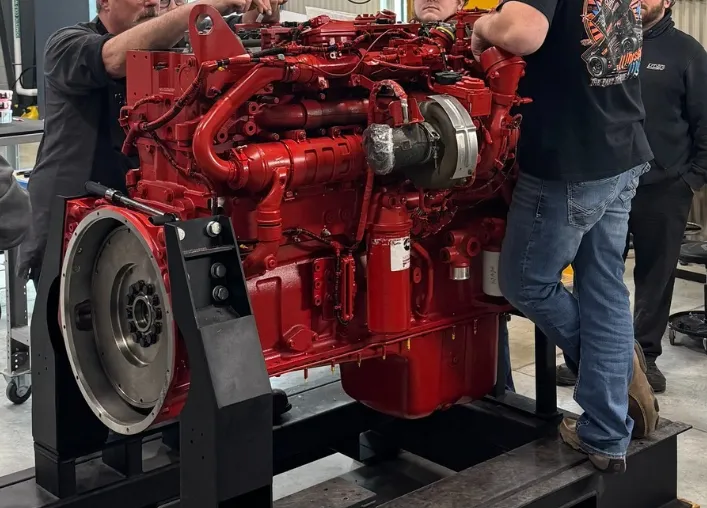
When Cummins decided to move from the ISX15 to the new X15, it wasn't just a simple name change. They wanted to fix the headaches that drivers and fleet owners were having. They focused heavily on making the emissions system (the DPF and SCR) much more reliable, reducing the friction inside the engine, and giving the engine a better "brain" (the ECM) to help predict when parts might fail.
The Basics of the Cummins X15 vs ISX15
| Engine Feature | Cummins ISX15 (The Classic) | Cummins X15 (The Upgrade) |
| Engine Size | 14.9 Liters | 14.9 Liters |
| Horsepower Options | 400 to 600 HP | Up to 605 HP |
| Peak Torque | Up to 2,050 lb-ft | Up to 2,050 lb-ft |
| Fuel System | Older high-pressure system | Newer, ultra-precise fuel system |
| Fuel Economy | Average for its time | noticeably better (saves 3-8% in fleets) |
| Diagnostics | Basic engine codes | Smart, predictive alerts |
How These Engines Evolved Over Time
To really understand the Cummins X15 vs ISX15, we need to look at what they do best and where they sometimes struggle.
The Strengths of the Older ISX15
The ISX15 is legendary for a reason. It has raw, mechanical strength. When you step on the gas, you feel the torque right away, which makes it great for pulling heavy loads from a dead stop. Almost every diesel mechanic in the country knows how to work on an ISX15.
However, the later versions of the ISX15 ran into some well-known snags. Drivers often had to deal with worn-out camshafts, clogged EGR valves, and frustrating issues with the exhaust aftertreatment system.
The Upgrades in the New X15
Cummins listened to these complaints when designing the X15. They improved the pistons and valves to help the engine run smoother and cooler. They completely updated the turbocharger and simplified the emissions system so it wouldn't clog up as easily.
Because of these changes, the X15 burns less fuel and spends less time in the repair shop. It is a much smarter engine, designed to keep your truck on the road, making money.
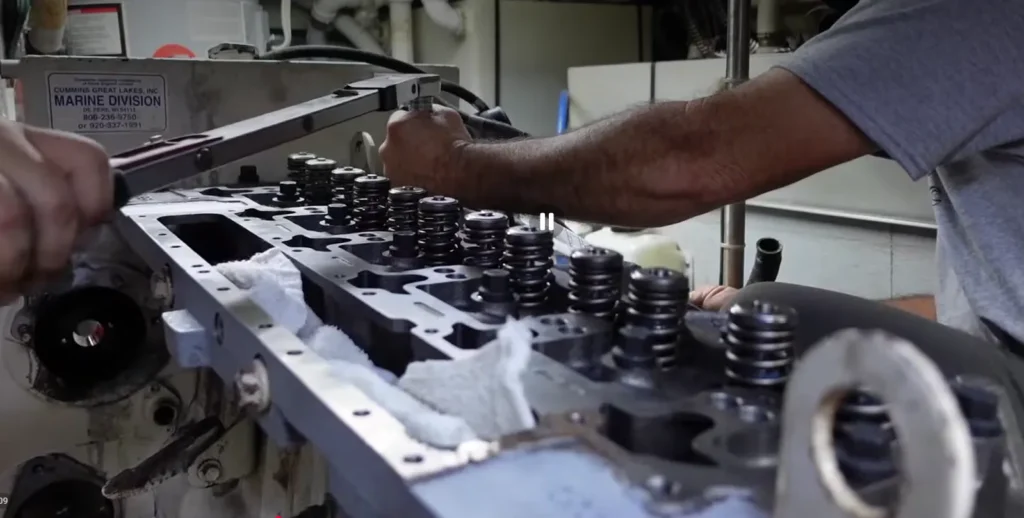
The 7 Biggest Differences in the Cummins X15 vs ISX15 Debate
Let's break down the seven most important things you need to know before you buy, drive, or repair one of these trucks.
1. Fuel Economy (Saving Money at the Pump)
If you are a fleet manager, fuel economy is probably your favorite topic. This is where the X15 really shines.
- ISX15: Fuel mileage is decent, but it really depends on how heavy your foot is.
- X15: This engine is designed for something called "downspeeding." This means the engine provides maximum pulling power at lower RPMs.
Because you don't have to rev the engine as high to get power, the X15 uses less fuel. Over a year of driving, those fuel savings add up to thousands of dollars.
2. What Real Drivers Say About the Driving Feel
If you look at online trucking forums, you will see a lot of strong opinions about how these two engines feel on the road. Some drivers complain that driving a 400 HP X15 up a mountain feels incredibly slow, calling it a "momentum killer".
However, veteran drivers are quick to point out that your hill-climbing speed isn't just about the engine. It depends heavily on your horsepower rating, your transmission, and your rear-end gear ratios. If you are driving a basic 400 HP fleet truck set up for pure fuel economy, it will feel sluggish on hills. But if you get behind the wheel of a 605 HP X15, drivers agree that it is an absolute beast that will easily pull heavy loads up steep grades.
A Warning on Driving the X15: Experienced mechanics and drivers warn that you should never "lug" an X15 engine on a hill. Letting the RPMs drop too low under a heavy load puts massive stress on the engine, and you run the risk of dropping a cylinder liner very quickly. Instead, manually downshift a gear or two to keep the engine RPMs up and keep it healthy.
3. Common Problems and Reliability
When people ask, "Is Cummins X15 a good engine?", the answer is yes, largely because analyzing the Cummins X15 vs ISX15 blueprint shows it fixed many of the older engine's flaws.
Common Headaches Solved
| Engine Type | Most Common Complaints | How It Was Fixed |
| ISX15 | Flattened camshafts, clogged EGR coolers, constant DPF issues. | Needs very strict oil changes to survive. |
| X15 | Drivers "lugging" the engine causing liner drops. | Built with stronger valvetrain parts and much better oil cooling. |
As we noted in a previously written article, "Best Oil for Diesel Engines: 6 Proven Choices to Prevent Catastrophic Wear", feeding your engine the correct, high-quality fluids is the absolute best way to stop these internal parts from breaking down prematurely.
4. Maintenance and Repair Costs
Trucking is a business, and maintenance costs matter. Fleet owners note that the X15 is highly preferred because it has the best regeneration (regen) system on the market. While older engines spent hours stuck in the shop with clogged filters, the X15 stays clean much longer.
Because the X15 has smarter computer systems, mechanics can figure out what is wrong much faster, saving you expensive hourly labor fees.
5. Can You Swap Parts Between Them?
A big question we hear in the shop is whether you can mix and match parts between the two engines. The short answer is: No.
While the outside of the engine block looks similar, the inside is completely different. The pistons, the engine computer (ECM), the fuel system, and the emissions parts do not mix. If you are ordering repair parts, you must be very specific about which engine you have.
6. Emissions System Headaches
Nobody loves dealing with emissions systems, but they are a fact of life. The older ISX15 used early emissions technology that was often clunky and broke down easily. The X15 uses a single, combined module that takes up less space, weighs less, and works much better. It uses Diesel Exhaust Fluid (DEF) more accurately and doesn't require you to manually clean the soot filters nearly as often.
7. How Long Do They Last?
People constantly search online to find out: "How long do Cummins X15 engines last?"
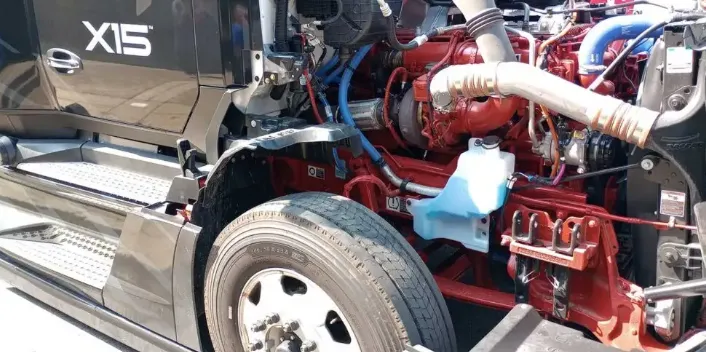
The truth is, both of these engines are built for the long haul. The older ISX15 usually needs an in-frame rebuild around 800,000 to 1 million miles. Because the X15 runs smoother and has less internal friction, a well-maintained X15 can easily push past 1.2 million to 1.5 million miles before needing a major teardown.
What Experts Say About Cummins X15 vs ISX15
Let’s see what the pros have to say about these two giant engines:
- Master Diesel TechnicianDave Anderson"The ISX15 is a great motor, but the newer X15 is just easier to live with. It doesn't break down as often, and the computer tells you exactly what’s wrong before a small leak turns into a blown engine. You just have to remember to drive it right—don't let it lug up hills, or you'll be buying a new engine block."
- Commercial Fleet DirectorSarah Jenkins"When looking at our yearly budgets, the choice is clear. The fuel savings alone on our X15 trucks pay for their routine maintenance. Plus, my drivers spend less time sitting on the side of the road dealing with emissions faults."
Which Trucks Have Which Engine?
If you are shopping for a used truck, here is a quick cheat sheet on where you will usually find these engines.
Common Truck Pairings
| Truck Brand | Where You Find the ISX15 | Where You Find the X15 |
| Freightliner | Older Cascadias (Pre-2017) | Newer Aero Cascadias |
| Kenworth | Classic T800s, T700s | Modern T680s, W990s |
| Peterbilt | Older 386 and 389 models | New 579s and updated 389s |
| Volvo | Older VNL highway trucks | New VNL series (Cummins option) |
Why Good Gaskets Keep You Rolling (The VPGASKET Promise)
No matter who wins the Cummins X15 vs ISX15 debate, both engines share one massive weakness: if a single seal or gasket fails, your truck is dead in the water.
These 15-liter engines create extreme heat and massive pressure. Standard, cheap gaskets cannot survive that kind of stress for a million miles. When a cheap gasket fails, you lose engine oil, your coolant mixes with it, and you are left staring at a massive repair bill.
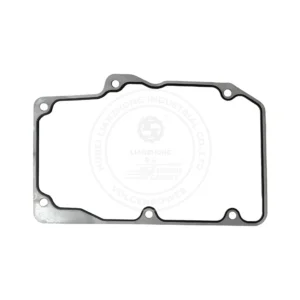
That is why smart mechanics and fleet owners trust VPGASKET. We make heavy-duty, premium sealing solutions right in the Automobile City. Our Multi-Layer Steel (MLS) head gaskets and extreme-temperature rubber seals are built specifically to handle the brutal conditions inside Cummins engines.
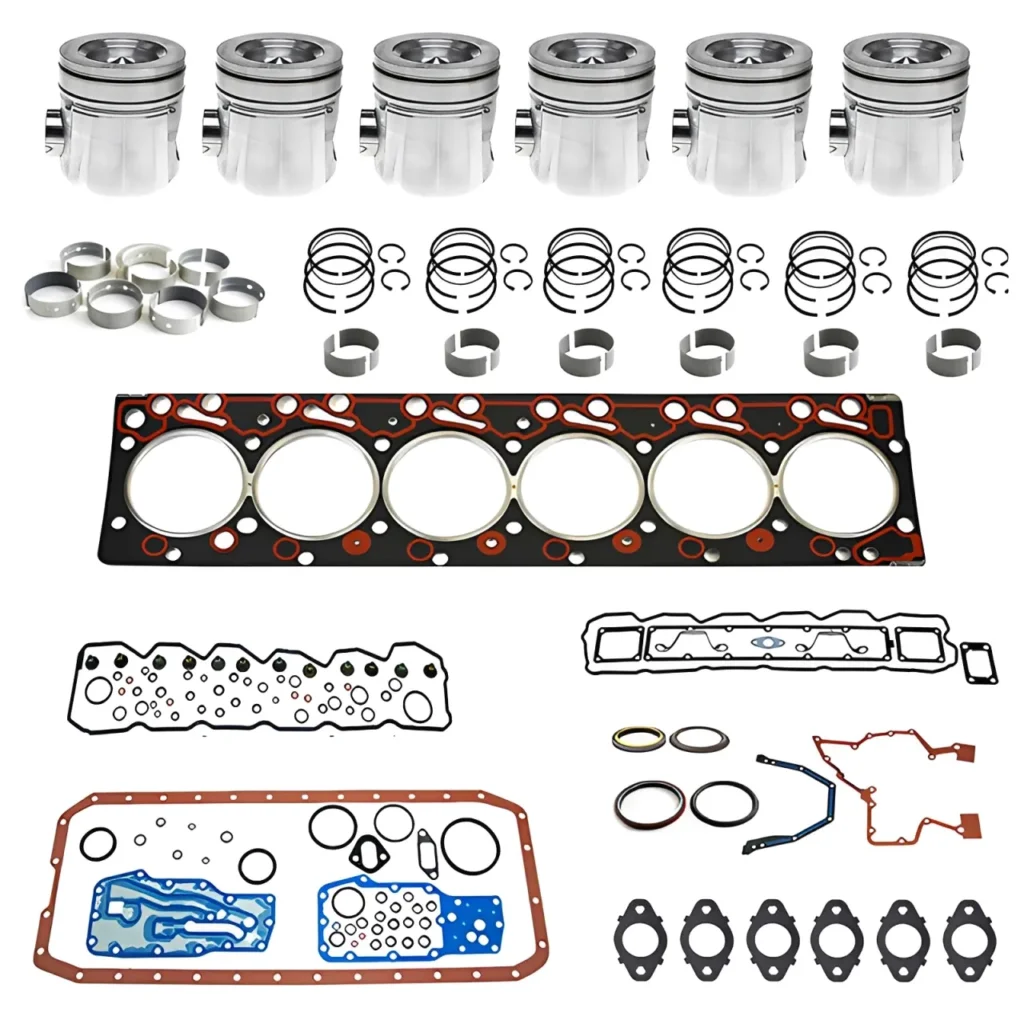
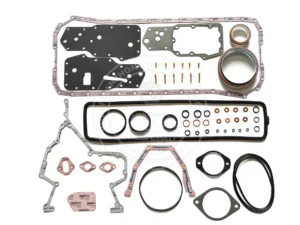
Whether you are trying to keep an old ISX15 alive or performing routine maintenance on a modern X15, our overhaul kits fit perfectly every single time. Our customers tell us that using VPGASKET products completely stops frustrating oil pan drips and dangerous coolant leaks. We give you the peace of mind that your engine is sealed tight, allowing you to focus on the road ahead.
Related Products
Contact Us for Your Engine Rebuild Needs
Are you getting ready to rebuild your Cummins engine? Don't risk your livelihood on cheap, unproven parts. Your truck deserves the best.
Contact our friendly sales team at VPGASKET today. We can help you check parts compatibility, give you great wholesale pricing, and provide you with the exact, high-quality gasket kits you need to keep your rig pulling strong.
FAQ – Cummins X15 vs ISX15
1. Is Cummins X15 a good engine?
Yes, it is highly regarded by fleet managers for its great fuel economy, reliability, and excellent emissions system. Just make sure you drive it correctly and keep the RPMs up on steep hills.
2. How long do Cummins X15 engines last?
With proper maintenance and regular oil changes, a Cummins X15 is built to easily last over 1 million miles before needing a major internal rebuild.
3. How much does a Cummins engine weigh?
Both the X15 and ISX15 are massive, heavy-duty engines. Depending on the exact setup and fluids, they typically weigh around 3,000 to 3,200 pounds.
4. Why does my X15 feel slow going up hills?
Your speed on a hill isn't just about the engine block; it depends on your horsepower rating (like 400HP vs 605HP), your gear ratios, and how your transmission is programmed.
5. Can I use parts from my old ISX15 on a new X15?
No. Even though they look similar on the outside, the internal parts like the pistons, engine computer, and fuel systems are completely different and cannot be swapped.