
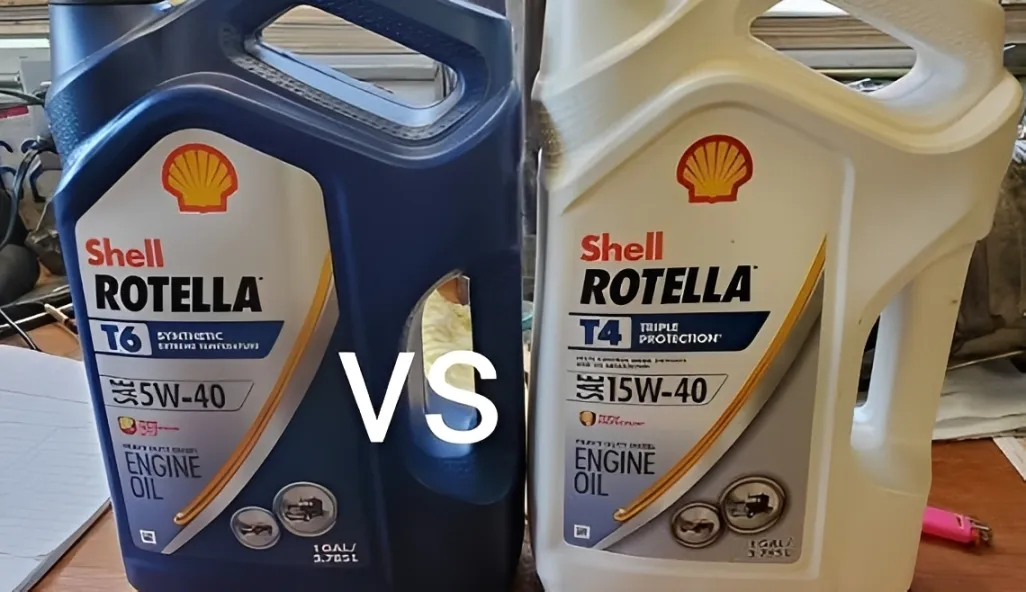
The Problem: Diesel engines are masterpieces of heavy-duty engineering, designed to haul massive loads over hundreds of thousands of miles. However, even the toughest iron blocks share a critical vulnerability: the lubricating oil flowing through their veins. Choosing the wrong viscosity or oil type silently triggers premature mechanical wear, brutal cold starts, rapid carbon buildup, and localized hot spots that drastically shorten your powertrain's life.
The Value Teaser: This technical guide cuts through the marketing noise to reveal the precise fluid dynamics, cold-flow shear properties, and chemical differences between the two most popular heavy-duty lubricants on the market.
The Benefits of Reading: By reading this guide, you will gain the exact engineering knowledge needed to decode oil analysis reports, match the perfect lubricant to your specific climate and engine architecture (from older 5.9L Cummins to modern 6.7L Powerstrokes), and understand how proper lubrication directly preserves the integrity of your engine gaskets and seals.
Estimated Reading Time: 15 minutes
Table of Contents
Decoding the Ratings in the 15W40 vs 5W40 Diesel Oil Debate
To truly understand how lubricants protect heavy-duty engines, we must first decode the Society of Automotive Engineers (SAE) J300 viscosity grading system. These numbers are not random; they are exact measurements of how much resistance the fluid has against flowing at two extreme temperature points.
SAE Viscosity Basics for 15W40 vs 5W40 Diesel Oil
The letter "W" stands for Winter. The number before the "W" indicates the oil's cold-temperature dynamic viscosity and maximum pumping limit. The lower this number, the faster the oil flows during a cold start. The second number (40) dictates the oil's kinematic viscosity once the engine reaches its normal operating temperature, measured at 100°C (212°F).
Cold Start vs High-Temp Protection in 15W40 vs 5W40 Diesel Oil
As shown in the SAE data below, both oils completely share the "40-weight" category when hot. The dramatic engineering difference in the 15W40 vs 5W40 diesel oil debate lies almost entirely in the critical cold-start phase.
SAE Viscosity Limits for Heavy-Duty Oils
| SAE Viscosity Grade | Max Cold-Cranking Viscosity (mPa·s) | Max Cold-Pumping Viscosity (mPa·s) | Kinematic Viscosity at 100°C (cSt) | High-Temp High-Shear (HTHS) at 150°C |
| 5W-40 | 6,600 at -30°C | 60,000 at -35°C | 12.5 to 16.3 | Minimum 3.5 |
| 15W-40 | 7,000 at -15°C | 60,000 at -20°C | 12.5 to 16.3 | Minimum 3.7 |

15W40 vs 5W40 Diesel Oil for Heavy-Duty Engines: Which is Better?
When fleet managers evaluate 15w40 vs 5w40 diesel oil for heavy-duty engines, they are balancing long-term shear stability against rapid lubrication. Heavy-duty applications—like commercial freight trucks, agricultural tractors, and stationary power plants—run continuously under massive loads, requiring immense oil film strength.
15W40 Diesel Oil Advantages and Disadvantages Explained
The classic 15W-40 grade has been the baseline standard for heavy commercial fleets for decades, especially for those utilizing conventional (mineral) base oils.
15w40 diesel oil advantages and disadvantages explained:
- Advantages: Its primary structural advantage is a naturally thick, stable base oil blend. Because its starting viscosity is closer to its target hot viscosity, it requires fewer artificial polymer "viscosity index improvers" (VIIs) to maintain its 40-weight rating under heat. This makes it incredibly resistant to mechanical shear damage when subjected to heavy hauling or high-pressure fuel systems (like the gear-driven injector pumps in older Toyota Land Cruisers, which are notorious for "shredding" thinner oils).
- Disadvantages: Its limitation is glaringly obvious in freezing climates. Conventional 15W-40 thickens significantly as temperatures approach freezing, starving top-end valvetrain components of oil for several seconds during startup.
Why Modern Turbo Diesels Prefer 5W40 Over 15W40 vs 5W40 Diesel Oil
Modern engine architectures and varying operational climates have pushed the industry toward 5W-40 formulas, which are almost exclusively crafted from highly refined Group III or Group IV synthetic base stocks. Its primary advantage is vastly superior cold-pumping performance. At sub-zero startups, it circulates up to three times faster than a standard 15W-40, protecting turbocharger bearings and camshaft lobes from destructive dry metal-on-metal friction before the oil pump reaches full pressure.
5W40 Synthetic Diesel Oil vs 15W40 Conventional Oil: 5 Key Differences
To make an educated choice regarding 15W40 vs 5W40 diesel oil, you must look at the molecular level. Conventional mineral oils are refined directly from crude oil, meaning their molecules are varied in size and structure. Synthetics are chemically engineered with uniform hydrocarbon chains, resulting in a highly stable fluid matrix.
Molecular Breakdown: 5W40 Synthetic Diesel Oil vs 15W40 Conventional Oil
When comparing 5w40 synthetic diesel oil vs 15w40 conventional oil, the difference isn't just about winter flow—it is about chemical durability. Synthetic oils better resist the extremely high-temperature shear inside a turbocharger housing, ensuring the oil doesn't coke up or form sludge that blocks critical return lines.
Chemical & Performance Comparison
| Performance Dimension | 5W-40 Synthetic Diesel Oil | 15W-40 Conventional Diesel Oil |
| Molecular Uniformity | Highly uniform; consistent structure | Variable: natural fluid with trace impurities |
| Oxidation Resistance | Superior; survives heat up to 200°C+ | Moderate; prone to sludge at extreme temps |
| Viscosity Index (VI) | High (160 - 185) | Lower (130 - 145) |
| Volatility (Evaporation) | Low (6% - 9% loss); lowers oil consumption | Higher (11% - 14% loss); causes oil thickening |
| Pour Point Limit | Flows down to -40°C / -40°F | Gel point around -25°C / -13°F |
Cost vs Lifespan in 15W40 vs 5W40 Diesel Oil
The main drawback of 5W-40 relates to operational economics. Synthetic 5W-40 carries a higher upfront procurement cost. For massive fleets utilizing older equipment with shorter drain intervals, high-quality conventional 15W-40 often makes the most financial sense.

7 Warning Signs You Chose the Wrong 15W40 vs 5W40 Diesel Oil
When an engine is mismatched in the 15W40 vs 5W40 diesel oil decision, mechanical components will begin to broadcast clear warning signs. Ignoring these early diagnostic flags will rapidly lead to expensive component failure.
Hard Starts and the 15W40 vs 5W40 Diesel Oil Impact
If your engine cranks slowly and struggles to turn over during the winter, you likely have oil that is too thick. Running 15W-40 mineral oil in sub-zero climates forces the starter motor and batteries to fight against heavy fluid drag, drastically accelerating electrical component fatigue.
7 Diagnostic Signs of Incorrect Oil Viscosity
| Symptom | Mechanical Cause | Potential Long-Term Damage |
| 1. Extended / Hard Cold Starts | 15W40 thickening in freezing weather resists the starter motor. | Burned-out starter; dead batteries. |
| 2. Valvetrain Clatter / Ticking | Thick oil failing to reach lifters/rockers quickly on cold starts. | Scored camshaft lobes; accelerated wear. |
| 3. Excessive Startup Smoke | High-viscosity drag causes unburned diesel to pool in cylinders. | Clogged DPF filters; injector fouling. |
| 4. Sudden Oil Consumption | High volatility of conventional oil evaporating under heavy load. | Low oil pressure; spun engine bearings. |
| 5. Sludge Accumulation | Conventional oil oxidizing beyond its thermal limit. | Blocked oil galleys; oil starvation. |
| 6. Turbocharger Whine | Delayed lubrication to the turbo feed lines on startup. | Destroyed turbo bearings and seals. |
| 7. Premature Gasket Leaks | Degraded, acidic oil attacking elastomer seals. | External oil leaks; coolant cross-contamination. |
How Wrong 15W40 vs 5W40 Diesel Oil Destroys Gaskets (And How VPGASKET Fixes It)
Proper lubrication is vital for engine health, but fluids cannot compensate for structural shifting. When an engine experiences intense pressure fluctuations or harsh hot/cold cycling due to incorrect oil viscosity, the cylinder head expands and contracts at a different rate from the block. This movement exerts a massive lateral shear force across the combustion seal of the head gasket.
To prevent these micro-shifts from destroying gaskets or cross-contaminating coolant and oil, fleet operators upgrade to VPGASKET Multi-Layer Steel (MLS) sealing solutions. These heavy-duty gaskets feature spring-steel layers coated with advanced fluoroelastomers. They act as mechanical springs, maintaining a gas-tight seal even when internal engine temperatures fluctuate wildly due to oil viscosity limits.
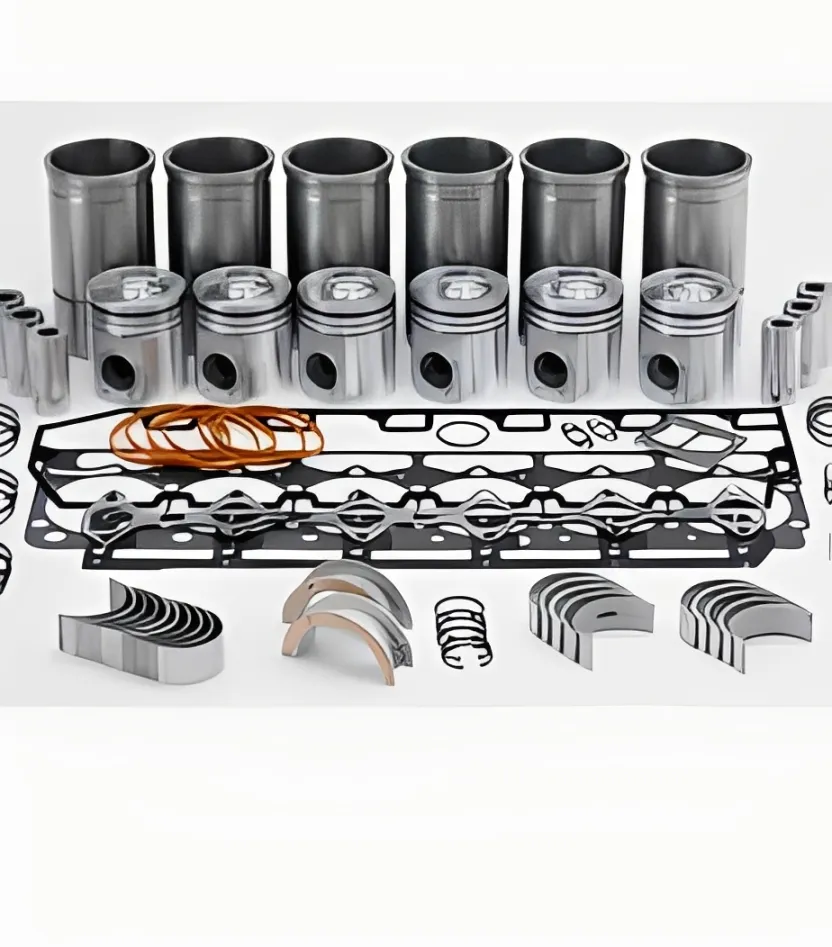
Best Diesel Oil for Cold Weather: 5W40 or 15W40?
The answer to what is the best diesel oil for cold weather, 5w40 or 15w40, depends entirely on your geography and your winter temperature floor.
Sub-Zero Climates: Best Diesel Oil for Cold Weather 5W40 or 15W40
For operators working in climates where winter temperatures consistently drop below 0°F (-18°C)—such as Alaska, Canada, or the Northern US—5W-40 synthetic is unequivocally the best choice. At these extreme lows, 15W-40 conventional oil becomes thick like gel, struggling to pass through the oil pump pickup tube. Utilizing 5W-40 ensures that critical lubrication reaches the upper valvetrain within seconds of ignition, drastically reducing boundary wear rates.
Hot Climates: Best Diesel Oil for Cold Weather 5W40 or 15W40
Conversely, in environments where ambient temperatures rarely drop below freezing, a premium 15W-40 remains a highly effective and reliable choice. The extreme cold-flow benefits of 5W-40 are rarely utilized in consistently hot climates, making the economic and shear-stable profile of a high-quality 15W-40 mineral or synthetic blend the go-to option for heavy commercial vehicles.
Climate & Application Oil Selection Matrix
| Operating Environment / Engine Type | Recommended Viscosity Grade | Primary Selection Criterion |
| Extreme Cold Climates (< 0°F / -18°C) | 5W-40 Synthetic | Critical cold-pumping capability prevents dry starts. |
| Sustained Hot Climates (> 90°F / 32°C) | 15W-40 Conventional / Blend | Stable high-temperature film strength; excellent shear resistance. |
| Modern Turbo / Common Rail Diesels | 5W-40 Synthetic | Faster oil flow to turbo bearings; superior soot control. |
| Older Mechanical Diesels (Wider Tolerances) | 15W-40 Conventional | Thicker base oil film; cost-effective protection for mature seals. |
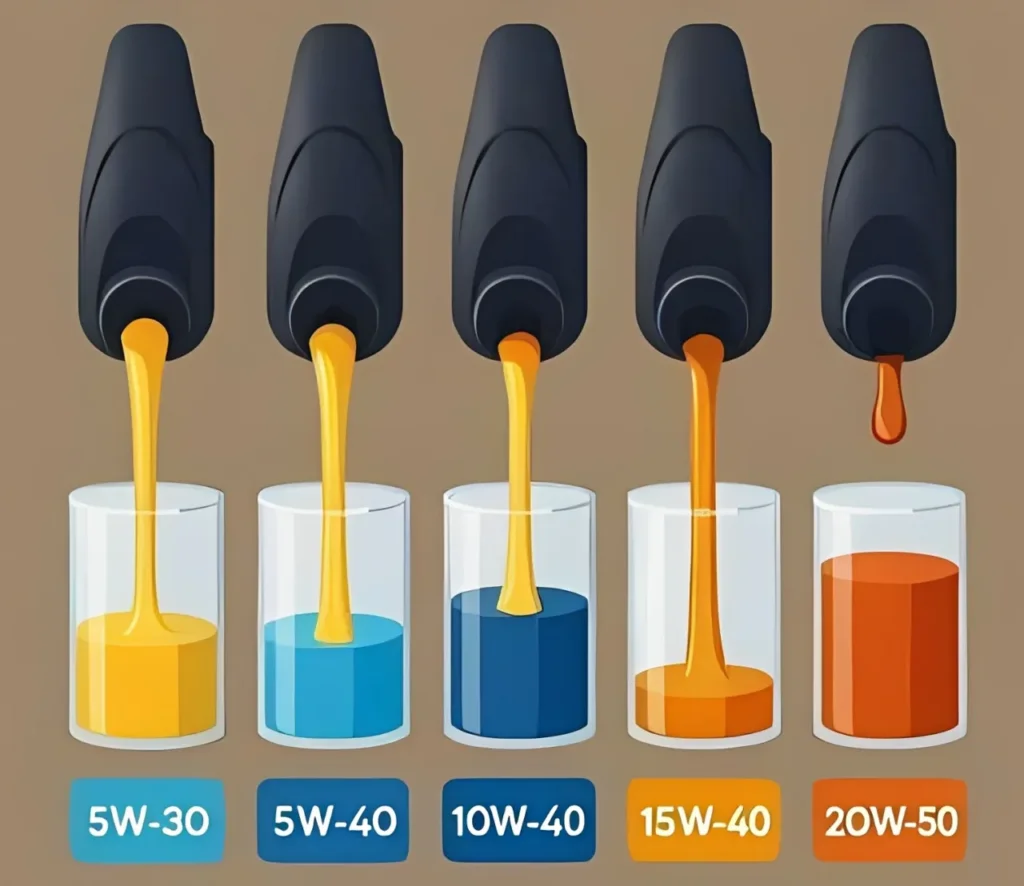
Can You Mix 15W40 and 5W40 Diesel Oil Safely?
A very common question among fleet mechanics is: can you mix 15w40 and 5w40 diesel oil safely? The short answer is yes, but there are strict operational caveats you must understand.
Short-Term Emergencies: Can You Mix 15W40 and 5W40 Diesel Oil Safely?
If you are low on oil in the middle of a haul and only have a different viscosity available, it is always better to mix oils to maintain proper fluid levels than to run the engine dry. As long as both oils carry the same API performance rating (such as CK-4), they are chemically compatible.
OEM Specs to Check Before You Mix 15W40 and 5W40 Diesel Oil Safely
However, doing so alters the overall chemistry of your lubricant. Mixing a conventional 15W-40 with a synthetic 5W-40 will dilute the premium additive package of the synthetic and create an unpredictable cold-temperature viscosity curve (it essentially becomes a synthetic blend of an unknown, mid-range weight). Therefore, while mixing is safe for short-term top-offs, it is not recommended as a long-term preventative maintenance strategy.
Real Owner Reviews
Real-world field feedback from major diesel forums highlights the stark difference between 15W40 and 5W40 diesel oil across different applications.
Cummins & Tractor Owners Discuss 15W40 vs 5W40 Diesel Oil
The Cold Weather Pickup Operator (Colorado Cummins Owner):
"I run a 2006 5.9L Cummins Ram 2500 in Colorado. I had conventional 15W-40 in it, and during a cold snap, it struggled to start—cranking for 10-15 seconds. I switched to a full synthetic 5W-40. The difference is night and day. It fires right up smoothly, and the cold valvetrain clatter is completely gone."
The Heavy-Duty Agricultural Fleet Manager:
"We manage a large fleet of older diesel tractors down South. These engines run under maximum load all day in 90°F+ heat. We’ve run conventional 15W-40 for two decades. Our oil analysis reports show fantastic wear numbers. For our warm climate and older machinery clearances, sticking to quality 15W-40 makes the most sense for performance and cost."
VPGASKET Solutions for 15W40 vs 5W40 Diesel Oil Leaks
Whether you run a 5.9L Cummins on 5W40 in the freezing north or a fleet of John Deere tractors on 15W40 in the sweltering south, your engine seals are under constant attack from thermal stress, internal friction, and pressurized fluid.
When older engines switch to highly-detergent synthetic 5W40, it can sometimes clean away false "sludge seals" and expose weeping gaskets.
VPGASKET Component Upgrades for Diesel Engines
| Engine Component | The Lubrication Challenge | The VPGASKET Solution |
| Cylinder Head Gaskets | Uneven expansion from thermal imbalances and oil viscosity shifts. | Multi-Layer Steel (MLS) design that flexes and recovers under severe pressure. |
| Valve Cover Gaskets | Hot, acidic oil vapors are degrading factory rubber seals. | Premium fluoroelastomer compounds highly resistant to synthetic and conventional oils. |
| Oil Pan / Sump Seals | High crankcase pressures and chemical attack from soot-laden oil. | Heavy-duty, reinforced rigid core gaskets that prevent blow-out and over-torquing. |

Conclusion: Making the Final Call
Your engine's lifespan depends entirely on the fluid protecting its internal moving parts. If you operate modern, turbo-charged diesels in variable or freezing climates, upgrading to a 5W40 synthetic is an easy decision that will massively reduce cold-start wear. If you manage older, heavy-duty machinery in hot climates, a high-quality 15W40 remains a rock-solid, economical powerhouse. Whichever you choose, ensure your engine's critical containment systems are backed by VPGASKET—delivering the ultimate defense against thermal stress, fluid leaks, and blown seals so your rig stays on the road where it belongs.