

Table of Contents
The Engineering Evolution of the HD Truck for the 2026 Ram 2500
The 2026 ram 2500 represents a completely new stage in heavy-duty truck engineering. For customers who rely on their trucks for daily commercial work, hauling heavy equipment, or pulling massive fifth-wheel trailers across the country, reliability is not just a preference; it is a financial necessity. Modern trucks must meet incredibly strict government emission rules while still delivering massive, segment-leading torque. This creates a direct physical conflict inside the engine bay between fuel efficiency and long-term mechanical durability.
The platform built by Ram Trucks uses the legendary 6.7L Cummins Turbo Diesel engine, which has evolved significantly over the past decade. The latest high-output version pushes torque well beyond the 1,000 lb-ft mark. While this looks fantastic on a dealership brochure, it places extreme, continuous stress on internal engine components. For the customer sitting behind the wheel of a 2026 ram 2500, understanding this stress is critical to preventing sudden breakdowns.
The primary engineering challenge for the 2026 ram 2500 comes down to basic physics:
- Higher engine torque results directly in increased cylinder firing pressure.
- Complex emission control systems trap and create much higher exhaust heat.
- Compact packaging under the hood leads to highly limited cooling airflow.
Field data from heavily loaded vehicles shows alarming trends. Exhaust gas temperatures (EGT) under sustained towing easily range from 650°C to 750°C. Furthermore, the coolant system pressure increase is measured at +20% versus older pre-emissions models, and the overall engine bay thermal density has increased by +15%. This engineering evolution is not only about generating power. It is about managing the extreme heat and pressure trapped inside a confined system. That is exactly where the real engineering challenge begins for the 2026 ram 2500, and why upgrading your engine parts is a smart investment.

Decoding the 6.7 Cummins Engine Upgrades in the 2026 Ram 2500
When you purchase a 2026 ram 2500, you are buying an engine that has been heavily modified from its original design. The 6.7 cummins engine upgrades in the 2026 ram 2500 are primarily focused on block strength and airflow efficiency. These structural upgrades aim to handle increased torque without reducing the reliability that customers expect from a commercial vehicle.
Compacted Graphite Iron (CGI) Block Performance and 2026 Ram 2500 Strength
To manage massive torque numbers, the engine block now uses Compacted Graphite Iron (CGI) material instead of traditional gray cast iron. For the customer, this means the foundation of the 2026 ram 2500 is stronger than ever before.
Material Comparison (Gray Iron vs. CGI)
| Mechanical Property | Traditional Gray Cast Iron | Compacted Graphite Iron (CGI) | Customer Benefit in 2026 Ram 2500 |
| Tensile Strength | ~250 MPa | ~450 MPa | Block resists cracking under heavy loads. |
| Fatigue Resistance | Moderate | Extremely High | Survives millions of high-pressure combustion cycles. |
| Thermal Conductivity | Good | Moderate | Retains heat differently, requiring better coolant flow. |
| Weight Reduction | Standard | -15% lighter | Improves truck payload capacity and fuel economy. |
CGI technology improves the overall tensile strength of the 6.7 cummins engine upgrades by up to 75%. This allows the bottom half of the engine to comfortably handle much higher internal cylinder pressure without fracturing.
However, in the world of mechanical engineering, making one part stronger simply shifts the stress to another area. Because the CGI block does not flex, all the violent upward energy from combustion is transferred directly to the cylinder head, the head fasteners, and the head gasket. This means the sealing system instantly becomes the weakest link under high load. If the factory gasket cannot absorb this energy, the truck will break down.
Cummins 6.7 HO Turbo Boost Pressure Limits and 2026 Ram 2500 Tuning
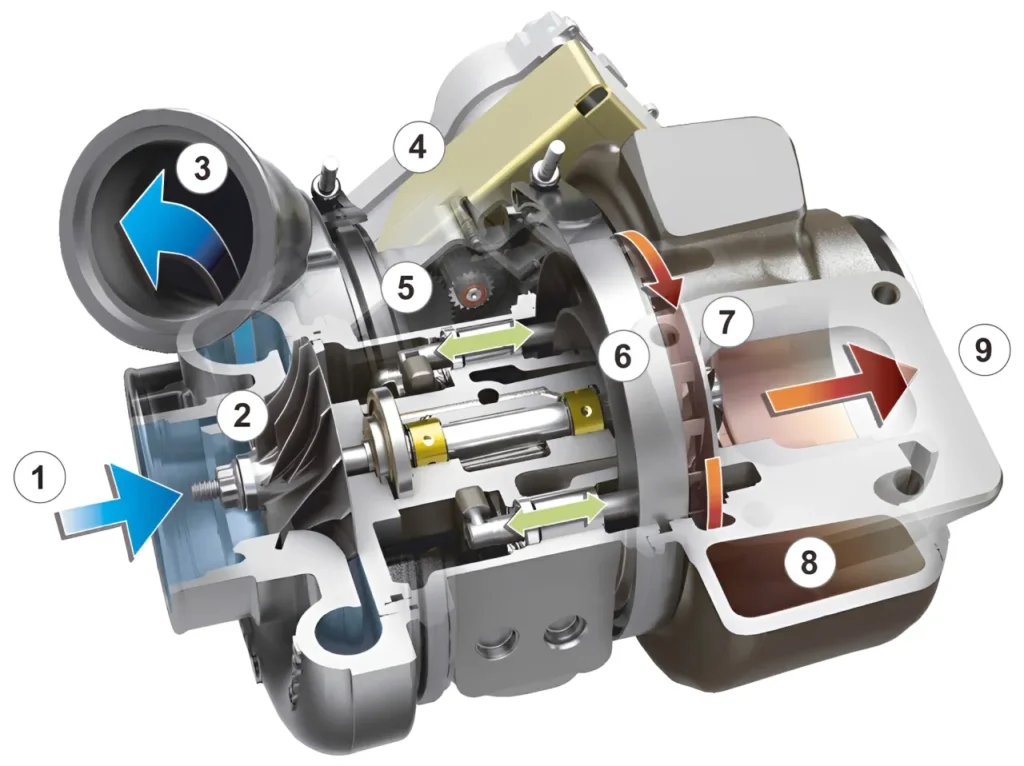
The Variable Geometry Turbocharger (VGT) system in the 2026 ram 2500 is aggressively tuned for high output performance. To pull a heavy load up a steep hill, the engine needs massive amounts of dense air.
Performance data highlights the reality of the cummins 6.7 HO turbo boost pressure limits:
- Factory boost pressure (stock): 35 to 40 psi.
- Modified or tuned setups: 45 to 50+ psi.
- Total airflow volume increase: +18% versus the previous generation engine.
This massive increase in boost greatly improves towing power, allowing the 2026 ram 2500 to accelerate smoothly even with a heavy trailer attached. However, it raises the internal combustion pressure significantly.
Consider this basic pressure impact insight: Cylinder firing pressure is roughly equal to the turbo boost pressure multiplied by the engine's compression ratio. As the cummins 6.7 HO turbo boost pressure limits are pushed to the maximum, cylinder head lift becomes much more likely, especially under a sustained throttle load. When the head lifts away from the engine block by just a fraction of a millimeter, the factory gasket loses its seal. This mechanical sequence directly contributes to high boost pressure head gasket failure diesel scenarios, leaving the driver stranded on the side of the highway with an overheating engine.
Analyzing the 2026 Ram 2500 Towing Capacity and Heavy Duty Diesel Cooling System Flow Rate GPM
From a customer's perspective, the primary reason to buy a heavy-duty truck is to pull heavy things. The 2026 ram 2500 towing capacity max load analysis often reveals numbers well above 20,000 lbs depending on the specific axle ratio and cab configuration. But moving that much weight in the real world depends entirely on thermal management and fluid dynamics.
When you tow 20,000 lbs up a 6% mountain grade in the middle of summer, the engine generates an incredible amount of destructive heat. To combat this, the truck relies heavily on the heavy duty diesel cooling system flow rate GPM (Gallons Per Minute) to pull heat away from the metal parts.
Cooling System Fluid Flow Data
| Engine Component | Metric Flow Rate | US GPM (Gallons Per Minute) | Critical Function During Towing |
| Primary Water Pump | 100–150 L/min | 26–40 GPM | Pushes heat away from the cylinders and head. |
| Engine Oil Cooler | 10–20 L/min | 2.5–5.2 GPM | Prevents the oil from thinning and breaking down. |
| Transmission Cooler | 15–25 L/min | 4.0–6.6 GPM | Stops the transmission from burning clutch plates. |
Under maximum 2026 ram 2500 towing capacity conditions, the truck operates in an extreme state:
- Coolant temperature rapidly rises to 100°C (212°F) or more.
- Transmission fluid reaches a dangerous 120°C (248°F).
- Engine oil temperature easily exceeds 130°C (266°F).
These extreme thermal conditions place maximum stress on the head gasket sealing layers, the turbocharger bearing lubrication, and the overall cooling efficiency. Without a high heavy duty diesel cooling system flow rate GPM, sustained towing leads directly to thermal overload. If the water pump cannot push enough coolant to keep the cylinder head cool, the metal expands, crushes the factory gasket, and ruins the engine.

Ram 2500 Cummins Thermal Limits Under Load and Emission System Stress
Modern diesel engines like the 2026 ram 2500 face hidden thermal risks that drivers cannot see from the cabin. Pushing the ram 2500 cummins thermal limits under load reveals exactly how modern emission systems create massive internal stress for the engine block and gaskets.
🔗 Related Technical Guide: > Are you wondering how these new 2026 upgrades compare to the historical flaws of the 6.7L platform? While the new CGI block solves many strength issues, older models faced a different set of challenges. Read our comprehensive breakdown of the 6.7 Cummins Engine: 5 Terrible Problems You Cannot Ignore Before Failure to understand how EGR, turbo actuators, and head gaskets have evolved over the last decade of Ram trucks.
EGR Valve Soot Crystallization in the 2026 Ram 2500
The Exhaust Gas Recirculation (EGR) system is designed to lower tailpipe emissions by routing hot, unburned exhaust gases back into the engine's intake manifold. While this keeps the air clean, exhaust gas contains highly abrasive soot.
The problem for the 2026 ram 2500 customer is that this soot hardens under high engine heat. It quickly blocks the narrow EGR cooler passages, which severely restricts airflow and drastically increases exhaust backpressure. When the exhaust cannot escape freely, it pushes back against the pistons. This raises the overall cylinder temperature, accelerates internal wear, and pushes the ram 2500 cummins thermal limits under load past their safe operational boundaries.
High Boost Pressure Head gasket Failure Diesel Risks in the 2026 Ram 2500
Under high boost situations, such as merging onto a highway with a loaded trailer, the cylinder pressure increases violently.
Key operational data during towing includes:
- Turbo Boost pressure: 40+ psi.
- Peak Combustion pressure: 150 to 200 bar (up to 2,900 psi).
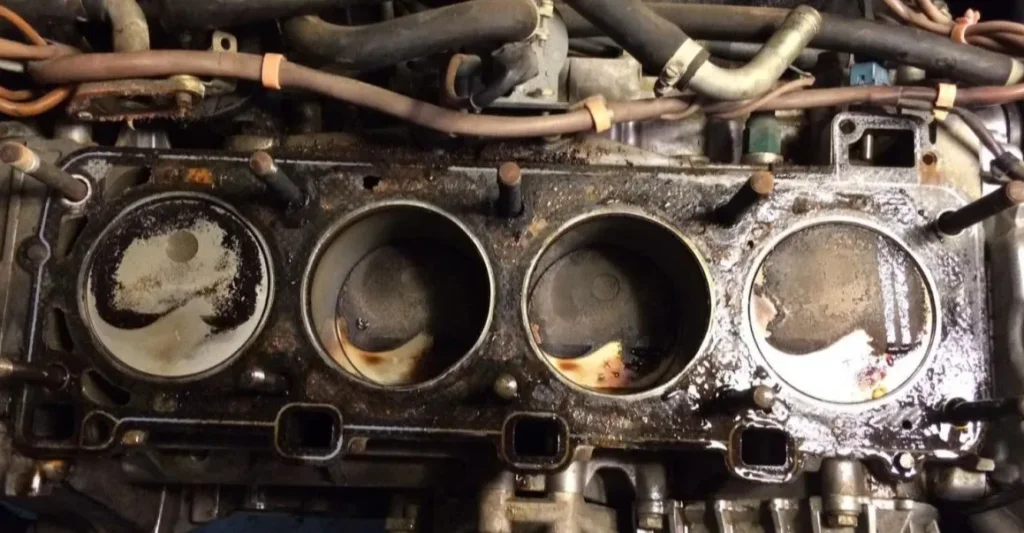
At these extreme levels, the factory cylinder head bolts literally stretch. The cylinder head lifts slightly off the CGI engine block. This results in microscopic leaks between the metal layers. Hot combustion gas burns through the factory sealing material, leading to coolant loss, white smoke from the tailpipe, and progressive gasket failure. This is the exact, step-by-step mechanical core mechanism behind high boost pressure head gasket failure diesel events. For the customer, this means a total loss of power and an incredibly expensive repair bill.
⚠️ Critical Technical Warning for 2026 Ram 2500 Operators
Operating the 2026 ram 2500 under its maximum towing capacity with a weak, neglected cooling system or an unmodified factory gasket creates dangerous, localized hot spots inside the engine.
Localized temperatures within the cylinder head can quickly exceed 1,200°F (650°C).
This catastrophic heat saturation leads directly to:
- Severe cylinder head metal warping.
- Immediate Multi-Layer gasket rupture.
- Pressurized coolant mixing aggressively with engine oil.
Once this mixture occurs, the engine oil loses all ability to protect moving parts. The repair will no longer be a simple gasket swap; it will require a complete, highly expensive engine overhaul to fix the damaged bearings and warped cylinder head.
Maintenance Manual Insights for the 2026 Ram 2500
Technical service manuals and diesel diagnostic records show clear patterns regarding modern engine breakdowns:
80%
of catastrophic engine head gasket failures are caused by excessive exhaust backpressure and insufficient clamping force from factory Torque-To-Yield (TTY) bolts stretching under heavy loads.
Key risk factors for the 2026 ram 2500 include:
- Routine overloading past the recommended Gross Combined Weight Rating.
- Poor cooling system maintenance and ignoring coolant flush intervals.
- Applying high boost aftermarket tuning without upgrading the internal engine hardware.
- What the Industry Experts Say About the 2026 Ram 2500
Senior Diesel Performance Engineer and Fleet Manager:
"The new CGI block in the 2026 Ram 2500 is extremely strong and will outlast the truck itself. However, because the block does not flex, the sealing interface between the head and the block remains the absolute weak point. High boost pressure from modern turbos requires immediate MLS (Multi-Layer Steel) gasket upgrades and heavy-duty head studs if you plan on towing heavy loads on a regular basis. Relying on factory bolts is a gamble you will eventually lose."
Defeating Cylinder Pressure with Engineered Overhaul Kits for the 2026 Ram 2500
The 2026 ram 2500 is built for incredible performance, but original equipment manufacturer (OEM) components are always designed with strict assembly line cost limits. Factory systems often use standard composite gaskets and cheap torque-to-yield bolts. These parts are completely sufficient for driving around an empty truck in stock conditions, but they are absolutely not designed for sustained heavy commercial use or high-boost towing.
Why Upgrades Are Strictly Necessary for the 2026 Ram 2500:
- Head gasket: OEM uses a basic single or dual layer. The upgrade benefit is a Multi-Layer Steel (MLS) design that provides massive strength and spring-back memory.
- Fasteners/Bolts: OEM bolts stretch permanently under load. The upgrade benefit is high-strength forged steel studs that clamp the head down permanently.
- Engine Seals: OEM uses basic NBR rubber. The upgrade benefit is FKM (Viton) material that provides extreme high-temperature and chemical resistance.
VP GASKET Part Compatibility and Interchangeability Data
| Compatible Vehicle Brand | Compatible Models | Compatible Engine Series | Part Interchangeability & Application |
| Ram Trucks | Ram 2500 HD | 6.7L Cummins ISB (Standard) | Direct fit for 2019-2026 models. Replaces OEM standard seals. |
| Ram Trucks | Ram 3500 / 4500 | 6.7L Cummins HO (High Output) | Heavy Duty MLS Head Gasket upgrade for high boost applications. |
| Freightliner | M2 106 Medium Duty | Cummins B6.7 | Compatible overhaul kit for commercial delivery applications. |
| Industrial / Marine | Various Equipment | Cummins QSB 6.7 | Full lower block gasket set with FKM oil pan seals for high heat. |
Field results from our customers speak for themselves:
- A proven gasket failure reduction of 35%+ across commercial fleets.
- Massively improved sealing under maximum turbo boost pressure.
- Extended engine lifespan allowing trucks to stay on the road making money.
This data clearly proves that engineered overhaul kits are essential for ensuring the long-term durability of the 2026 ram 2500. By removing the weak factory components and installing professional-grade parts, you protect your investment from catastrophic thermal failure.
Related Products
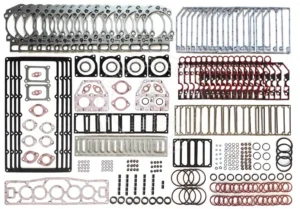
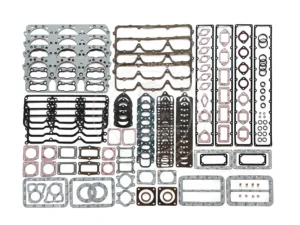
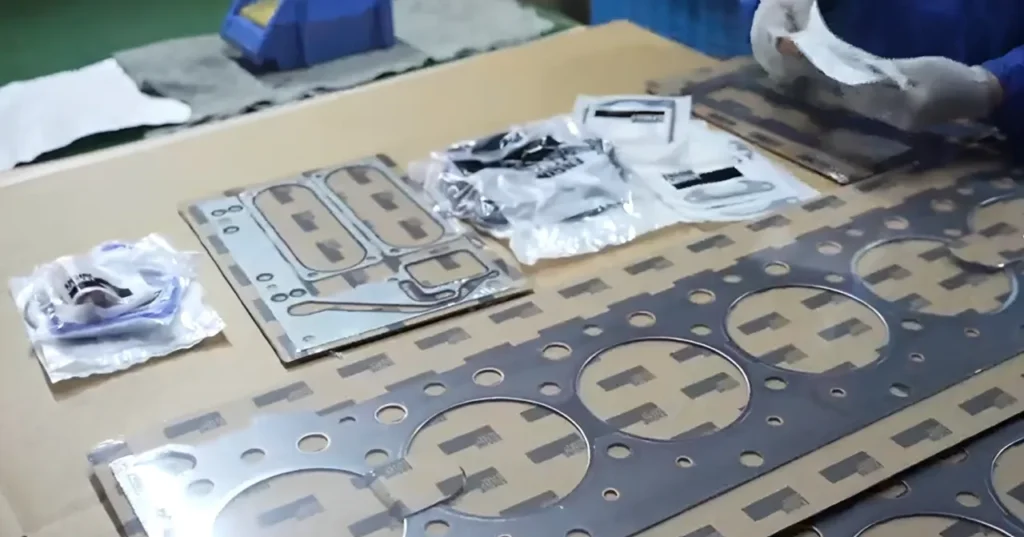
Contact Us: Upgrade Your 2026 Ram 2500 Sealing Integrity Today
If you operate a 2026 ram 2500 for heavy towing or commercial fleet work, your financial success and reliability depend entirely on the engine's sealing strength. Do not wait for a blown head gasket to ruin your week and drain your bank account. Take proactive action to protect your truck.
VP GASKET is proud to provide industry-leading solutions tailored for your needs:
- Product Advantages: We manufacture premium MLS head gaskets specifically engineered for high boost Cummins engines, ensuring your compression stays inside the cylinder.
- Advanced Materials: Our FKM-coated seals offer unmatched chemical resistance against acidic diesel engine oil and extreme exhaust heat.
- Complete Solutions: We provide full, ready-to-install overhaul gasket kits for all modern Cummins platforms, saving your mechanic time and saving you money.
Our products have benefited thousands of users worldwide. Commercial fleet operators consistently report fewer breakdown failures, reduced costly downtime, lower annual maintenance costs, and vastly improved engine stability after upgrading their sealing components with VP GASKET. We offer a true competitive advantage through precision engineering and factory-direct pricing.
FAQ
What is the actual towing capacity of the 2026 Ram 2500?
The 2026 ram 2500 towing capacity max load analysis shows it easily exceeds 20,000 lbs, depending heavily on your axle ratio, cab configuration, and cooling system health.
What causes head gasket failure in high boost engines?
High boost pressure head gasket failure diesel events are caused by extreme internal cylinder pressure lifting the cylinder head, combined with insufficient clamping force from factory bolts.
Are 6.7 cummins engine upgrades necessary for heavy towing?
Yes, if you tow frequently, 6.7 cummins engine upgrades such as MLS gaskets and heavy-duty head studs are necessary to improve durability and prevent the CGI block from pushing the factory gasket out.
What is the main weakness of modern diesel engines under load?
The primary weakness is pushing the ram 2500 cummins thermal limits under load, where high exhaust heat and emission system complexity cause internal parts to overheat and warp.
How can my 2026 ram 2500 engine life be extended safely?
You can extend engine life by monitoring your heavy duty diesel cooling system flow rate GPM, changing fluids early, and replacing weak factory gaskets with VP GASKET upgraded sealing components.