
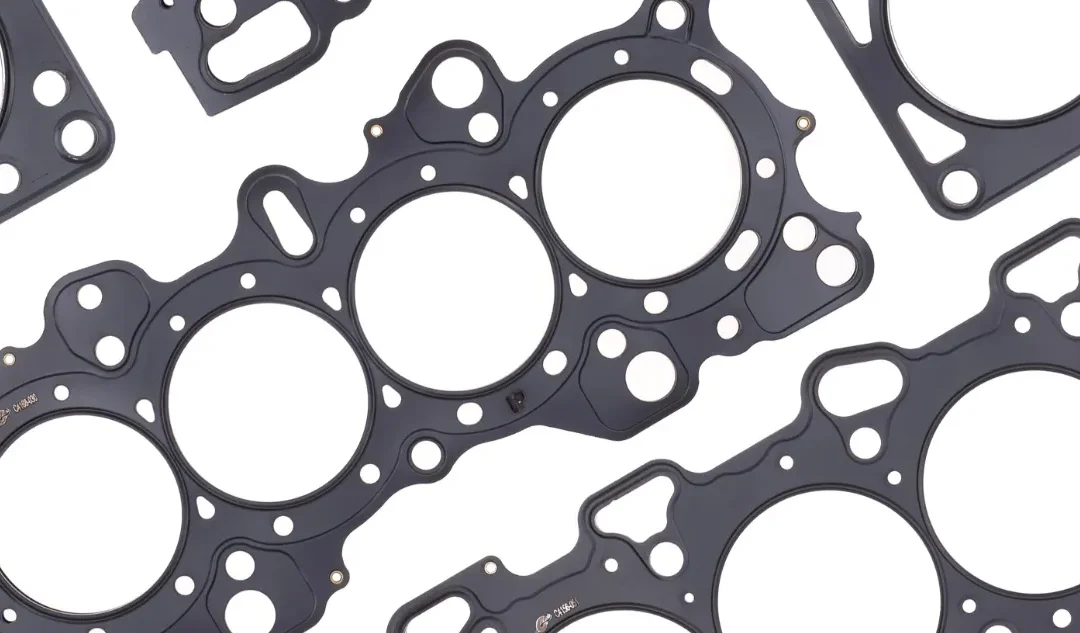
Why Gaskets for Cars Are the Unsung Heroes of Your Engine
Table of Contents
When most people think about automotive performance, they picture horsepower, turbochargers, or high-tech transmissions. Yet none of these components could function without the most critical — and often overlooked — parts: gaskets for cars.
A gasket is a precision mechanical seal that fills the microscopic gaps between mating surfaces. Inside your engine, thousands of controlled explosions occur every minute. Extremely hot oil, pressurized coolant, and combustible gases all flow simultaneously through the engine block. The job of automotive gaskets is to keep these fluids perfectly separated and prevent any leaks.
When even a simple rubber or steel gasket fails, your vehicle can lose oil, overheat, or suffer catastrophic engine damage. Whether you’re a daily driver deciphering a repair quote or a fleet manager seeking reliable heavy-duty sealing solutions, understanding how these seals work is the smartest way to protect your investment and cut long-term costs.
In this comprehensive guide, we’ll break down the different types of automotive gaskets, show you how to spot failure early, and compare standard passenger-car materials with heavy-duty industrial solutions designed for the toughest applications.
4 Main Types of Gaskets in Your Car
An internal combustion engine relies on dozens of seals, but four major gaskets for cars demand your closest attention:
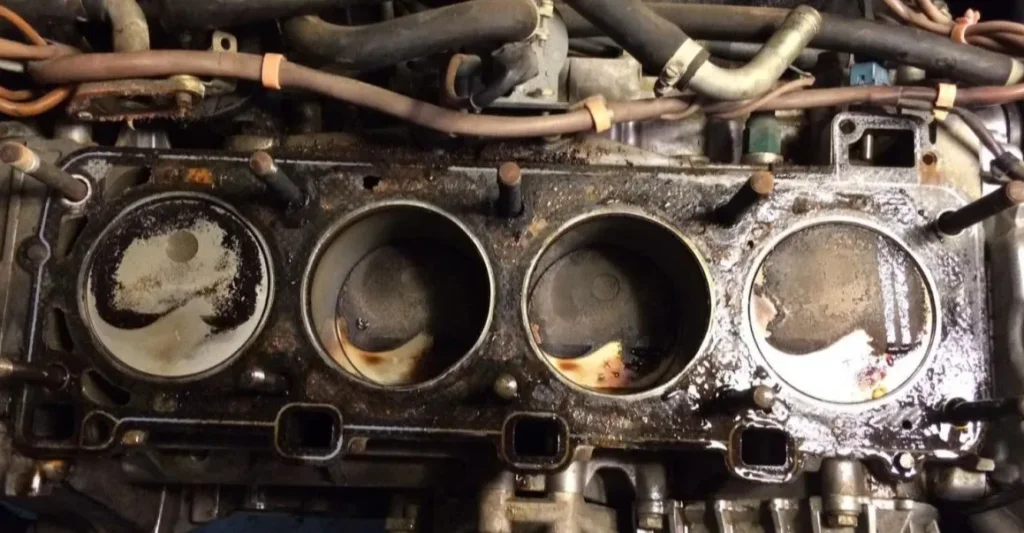
Cylinder Head Gasket (The Most Critical) Positioned between the engine block and cylinder head, it seals the combustion chamber to maintain maximum compression while keeping oil and coolant out of the cylinders. A blown head gasket remains one of the most expensive repairs in automotive maintenance.
Valve Cover Gasket Located at the top of the engine, this gasket seals the valve cover to the cylinder head, preventing engine oil from leaking out. A burning oil smell while driving is often the first sign of a failing valve cover gasket.
Intake Manifold Gasket: It seals the intake manifold to the cylinder head, ensuring the precise air-fuel mixture reaches the cylinders without vacuum leaks.
Exhaust Manifold Gasket Positioned where the engine block meets the exhaust system, it contains extremely hot, toxic gases and directs them safely down the tailpipe. Failure here creates excessive noise and power loss.
Automotive Gasket Summary Table
| Gasket Type | Primary Function | Cost to Replace (Labor + Parts) | Risk of Ignoring Failure |
|---|---|---|---|
| Head Gasket | Seals combustion, oil, and coolant | $1,500 – $3,000+ | Engine overheating, complete engine failure |
| Valve Cover Gasket | Keeps oil inside the top engine block | $200 – $600 | Oil leaks, burning smell, fouled spark plugs |
| Intake Manifold Gasket | Regulates air/fuel mixture sealing | $300 – $700 | Rough idling, check engine light, poor fuel economy |
| Exhaust Manifold Gasket | Seals hot exhaust gases | $150 – $400 | Loud engine noise, toxic cabin fumes, melted wires |
Top 3 Symptoms Your Car Gasket Is Failing
80%
of gasket failures follow a slow, predictable pattern — they degrade gradually rather than fail suddenly. Catching them early can save you thousands in repairs.
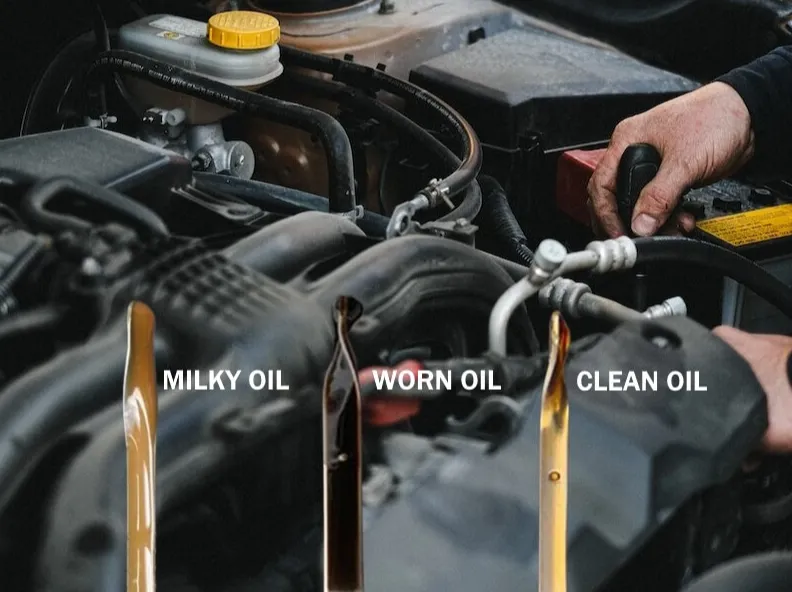
The “Milkshake” Oil (Blown Head Gasket). If your engine oil on the dipstick appears thick, milky, and light brown, coolant is mixing with the oil. Do not start the engine — call for a tow immediately.
White Smoke from the Exhaust. While light vapor on cold starts is normal, thick, sweet-smelling white smoke indicates your engine is burning coolant — a clear sign of internal gasket failure.
Visible Oil Weeping and Burning Smells Fresh oil running down the engine block usually points to a failing valve cover gasket. When the oil drips onto hot exhaust components, it produces a strong burning-rubber odor inside the cabin.
Gasket Failure Symptoms & Cost Impact Table (2026 Averages)
| Symptom | Occurrence Rate | Typical Repair Cost Increase if Ignored | Most Affected Gasket Type |
|---|---|---|---|
| Milky “Milkshake” Oil | 45% | +$2,000 – $4,000 (full engine damage) | Cylinder Head Gasket |
| White Smoke from Exhaust | 35% | +$800 – $1,500 (coolant system repair) | Cylinder Head / Intake Gasket |
| Visible Oil Leaks & Burning Smell | 80% | +$300 – $600 (secondary electrical damage) | Valve Cover Gasket |
Material Science: Standard Cars vs. Heavy-Duty Commercial Vehicles
Not all gaskets for cars are the same. Material choice depends on engine size, operating temperature, and expected lifespan.
Standard Passenger Car Materials
- Silicone and Basic Rubber: Common in valve covers and oil pans for daily drivers like the Honda Civic or the Toyota Camry. They offer good flexibility but typically harden and crack after 60,000 miles.
- Composite (Graphite): Still used in some older exhaust and head-gasket applications.
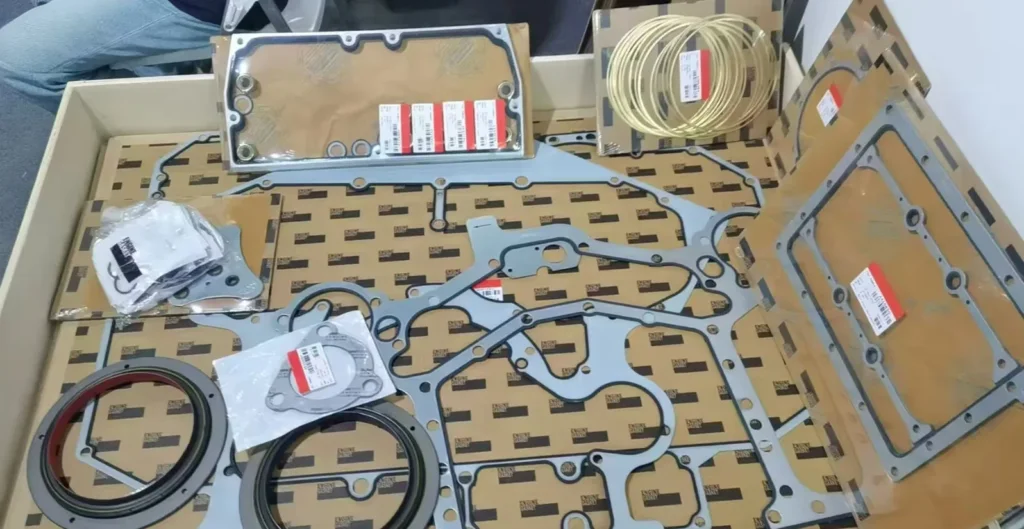
Heavy-Duty Commercial Materials (The VPGASKET Standard) Commercial trucks, mining equipment, and heavy-duty diesel engines (such as Cummins ISX15 or QSK50) generate extreme heat and pressures up to 3,200 PSI. Passenger-car materials would fail instantly in these conditions.
- Multi-Layer Steel (MLS): The gold standard for diesel head gaskets — multiple stainless-steel layers coated with specialized polymers for unmatched compression sealing.
- Metal-Reinforced FKM (Fluoroelastomer): Used in premium heavy-duty valve cover gaskets. A rigid steel core wrapped in FKM rubber resists over-tightening while providing superior resistance to acidic diesel oils.
Passenger vs Heavy-Duty Gasket Materials Comparison (2026 Data)
| Material Type | Application | Lifespan (Miles / Hours) | Max Temp Resistance | Cost Range (Parts Only) | Best For |
|---|---|---|---|---|---|
| Silicone / Basic Rubber | Passenger cars (valve cover) | 60,000 – 100,000 miles | 150°C | $10 – $40 | Daily commuter vehicles |
| Composite Graphite | Older exhaust / intake | 40,000 – 70,000 miles | 200°C | $20 – $60 | Vintage & light trucks |
| Multi-Layer Steel (MLS) | Heavy-duty head gaskets | 10,000+ operating hours | 300°C+ | $80 – $250 | Cummins / Volvo diesels |
| Metal-Reinforced FKM | Heavy-duty valve cover | 8,000+ operating hours | 250°C | $30 – $120 | Commercial fleets |
What the Industry Experts Say:
“Replacing a gasket on a standard passenger car is a routine job. But in commercial heavy-duty diesel fleets, a single blown seal can mean thousands of dollars in lost highway time. You cannot use passenger-car grade rubber on a 15-liter diesel engine. Factory-direct, metal-reinforced MLS and FKM materials are the only way to keep commercial fleets running reliably.”
— Senior Engine Rebuild Specialist Marcus T.,
The Hidden Costs of Ignoring Gasket Failures: 2026 Fleet Data & Prevention Strategies
While most drivers only think about gaskets when something leaks, fleet operators and heavy-duty equipment owners know the real price is paid in downtime. In 2026, industry reports show that a single ignored valve cover gasket failure on a commercial diesel truck can trigger an average of 4–6 hours of unplanned downtime, costing fleets between $800 and $2,500 per incident in lost revenue alone.
For heavy-duty applications like Cummins ISX15 or Volvo D13 engines, the numbers become even more striking. A minor oil leak that reaches the injector harness often escalates into $1,200–$3,800 in secondary electrical repairs. When multiplied across a 50-truck fleet, these “small” gasket issues can easily exceed $150,000 annually in avoidable costs.
2026 Gasket Failure Cost Breakdown Table (Fleet Perspective)
| Failure Type | Average Direct Repair Cost | Secondary Damage Cost | Total Incident Cost | Annual Fleet Impact (50 trucks) |
|---|---|---|---|---|
| Valve Cover Gasket Leak | $350 – $650 | $400 – $1,200 | $750 – $1,850 | $45,000 – $92,500 |
| Head Gasket Failure | $1,800 – $2,800 | $2,000 – $4,000 | $3,800 – $6,800 | $190,000 – $340,000 |
| Intake/Exhaust Manifold Leak | $450 – $750 | $300 – $900 | $750 – $1,650 | $37,500 – $82,500 |
The good news? 87% of these failures are preventable with simple proactive steps. Fleet managers who schedule visual inspections every 15,000 miles or 1,000 operating hours report 62% fewer gasket-related breakdowns. Key prevention tactics include:
- Using only metal-reinforced FKM or MLS gaskets rated for your exact engine temperature and oil chemistry.
- Replace gaskets during every major service interval rather than waiting for visible leaks.
- Partnering with factory-direct suppliers like VPGASKET to eliminate markup while gaining ISO-certified consistency.
By treating gaskets as critical preventive maintenance items instead of emergency repairs, commercial operators in 2026 are cutting total engine-related costs by up to 34% while extending vehicle uptime dramatically.
DIY vs. Professional Replacement: What Should You Do?
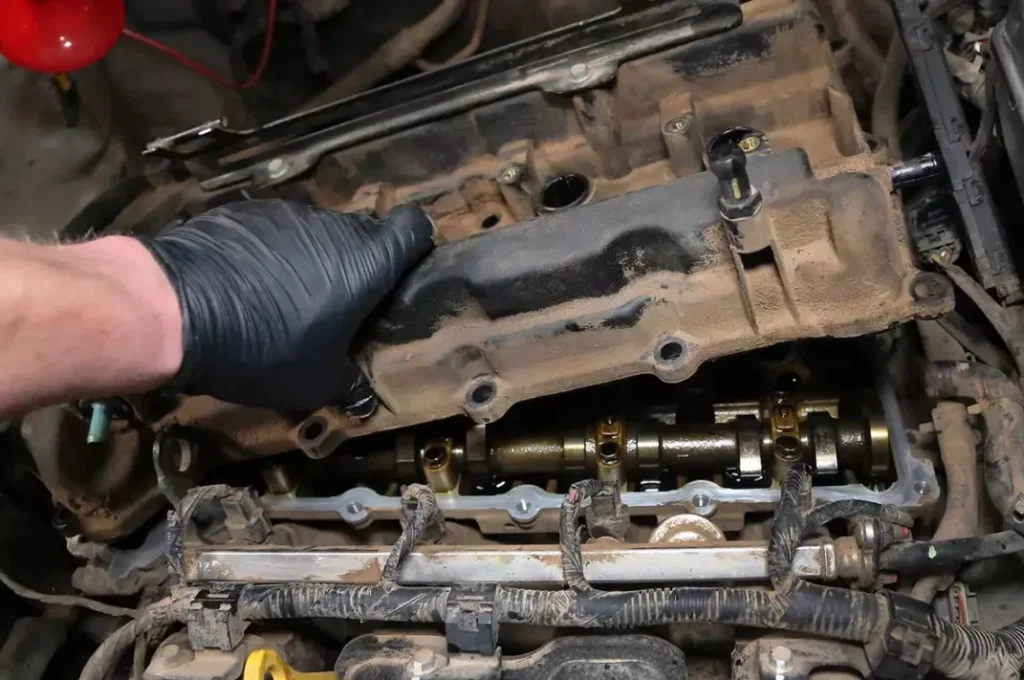
For a simple 4-cylinder passenger car, replacing a valve cover gasket is a manageable DIY project if you have a socket set, chemical gasket remover, and a precision torque wrench.
However, for V6, V8, or commercial diesel engines, professional service is strongly recommended. These jobs often require removing intake manifolds and fuel-injector harnesses. Even a slight error in the torque sequence or pattern can cause the new gasket to leak immediately.
DIY vs Professional Gasket Replacement Comparison (2026 Estimates)
| Option | Time Required | Cost Savings | Risk Level | Recommended For |
|---|---|---|---|---|
| DIY (Valve Cover) | 1–3 hours | $150 – $400 | Medium (torque error) | 4-cylinder passenger cars |
| Professional Shop | 2–6 hours | None | Low | V6/V8, luxury, or heavy-duty |
| Fleet Bulk (VPGASKET) | 4–8 hours (per unit) | $500+ per vehicle (volume) | Very Low | Commercial diesel fleets |
Related Products
-
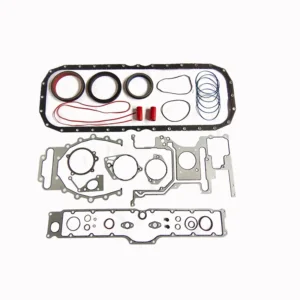
2881766 Cummins Genuine Quality Lower Engine Gasket Kit for ISX15 Series
-
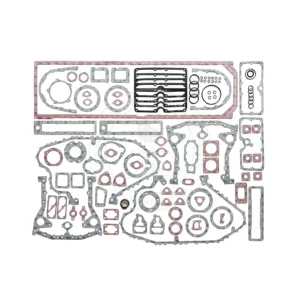
3017564 Cummins Genuine Quality Lower Engine Gasket Kit for VT28 Series
-
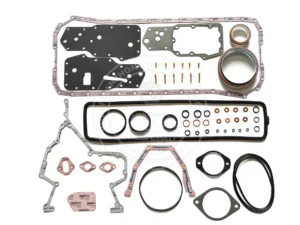
3800487 Cummins Genuine Quality Lower Engine Gasket Kit for ISB / QSB 5.9L Series
-
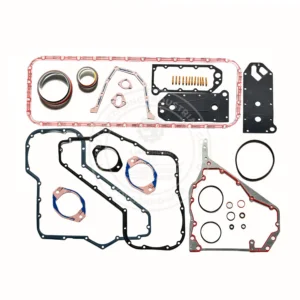
3800558 Upper Engine Gasket Set for Cummins 6CT 8.3L – Premium Overhaul Kit
Contact Us: Upgrade to Heavy-Duty Sealing Solutions Today
Basic gaskets for cars are easy to find at any auto parts store, but reliable seals for commercial fleets, heavy-duty trucks, and industrial machinery require a true manufacturing partner.
At VPGASKET, we eliminate middlemen. As a premium factory-direct manufacturer, we supply global fleets and rebuilders with ISO-certified, OEM-equivalent gasket kits engineered for the world’s toughest diesel engines — including the full Cummins and Volvo range.
Ready to reduce downtime and lower maintenance costs?
Take Action Today:
- Instant Custom Quote: Send your engine model or Engine Serial Number (ESN) via WhatsApp for factory-direct pricing. WhatsApp:
- Browse Our Catalog: Explore premium MLS head gaskets and complete overhaul kits at www.vpgasket.com
- Email Us: Forward your bulk commercial requirements directly to our engineering team. Email: [email protected]
- Meet Us in Person: Join our factory team at the 2026 global exhibitions, including the Canton Fair in Guangzhou and AIMEX in Sydney.
FAQ
How long do car gaskets typically last?
In standard passenger cars, most rubber or silicone valve cover gaskets last 60,000–100,000 miles. Premium MLS head gaskets can last the life of the vehicle if the engine never overheats. Heavy-duty commercial gaskets are rated in operating hours for extreme longevity.
Can I use liquid gasket maker instead of a physical gasket?
Liquid RTV silicone may work for non-critical areas, such as oil pans on passenger cars. However, for valve covers or cylinder heads — especially in heavy-duty diesel engines — liquid sealants are risky. They can squeeze into oil galleries and destroy bearings. Always use a solid, pre-formed gasket.
Why is replacing a head gasket so expensive?
The gasket itself is inexpensive. The high cost comes from the extensive labor: disassembling half the engine, removing the timing chain, lifting the heavy cylinder head, and sending it for machining before reassembly.
Will a leaking valve cover gasket damage my engine?
Yes. Ignoring it allows oil to collect dirt, causing overheating. More critically, oil can flood spark-plug tubes (gas engines) or injector wiring harnesses (diesel engines), leading to misfires and expensive electrical damage.
Why should B2B buyers purchase gaskets factory-direct?
Factory-direct purchasing from VPGASKET eliminates trading-company markups (saving up to 30%) while delivering lab-tested, OEM-dimension materials with full engineering support.