
Why Choosing the Right Lubrication is Critical
Heavy-duty diesel engines operate in a fundamentally different universe from passenger-car gasoline engines. They produce massive cylinder pressures, generate high levels of abrasive soot, and endure extreme thermal loads. This makes selecting the best oil for diesel engines not just a maintenance task but a critical financial decision for fleet survival.
Extreme Operating Data in Modern Diesels:
- Cylinder Firing Pressure: Frequently exceeds 200 bar (2,900 psi) in modern engines like the Cummins X15.
- Soot Contamination: Exhaust Gas Recirculation (EGR) systems force soot back into the block, comprising 1% to 5% of the oil volume.
- Thermal Load: Oil temperatures in the turbocharger bearing housing can easily exceed 260°C (500°F) immediately after a heavy pull.
Under these punishing conditions, finding the best oil for diesel engines ensures the fluid can perform four simultaneous roles: lubricating high-friction zones, cooling piston crowns, suspending abrasive soot particles, and chemically protecting rubber gaskets from acid degradation.
Table of Contents
Demystifying diesel engine oil types and API Specs
Understanding the chemical engineering behind diesel engine oil types is the first step toward preventing premature engine teardowns.
Understanding CK-4 vs. FA-4 API Standards
In 2016, the American Petroleum Institute (API) split heavy-duty diesel oil into two distinct categories to meet stricter EPA emissions and fuel economy standards.
- API CK-4 (The Industry Standard): Designed with a High-Temperature High-Shear (HTHS) viscosity minimum of 3.5 cP. This high film strength physically prevents metal-to-metal contact under extreme bearing loads. It is fully backward compatible with older engines like the 5.9L and early Cummins ISX.
- API FA-4 (Fuel Economy Focus): Formulated with a lower HTHS viscosity (2.9 to 3.2 cP) to reduce fluid friction and save fuel. However, it is not backward compatible and should only be used in specific 2017+ engines designed for thinner oils.
Synthetic vs. Conventional Base Blends
The base stock dictates how well the oil resists thermal breakdown. While conventional oil is cheaper upfront, full synthetic oil resists oxidation at temperatures where conventional oil turns into sludge. For fleets operating in extreme heat or hauling maximum GCWR (Gross Combined Weight Rating), full synthetic is unanimously considered the best oil for diesel engines.
Viscosity Matters: 15W-40 vs. 5W-40 in Extreme Climates
Viscosity dictates flow rate. During a cold start, engine bearings run completely dry until the oil pump pushes fluid to the top end.
- 15W-40 (Standard Duty): Thickens significantly below -15°C (5°F), causing delayed lubrication and increased starter motor wear.
- 5W-40 (Cold Climate/Synthetic): Features a pour point down to -30°C (-22°F), ensuring instant flow to the VGT turbocharger and valvetrain during freezing mornings.
The 6 Top-Rated Oils on the Market
Selecting the best oil for diesel engines requires evaluating Total Base Number (TBN) retention—the oil's ability to neutralize sulfuric acids created by combustion. Here are the proven industry leaders:
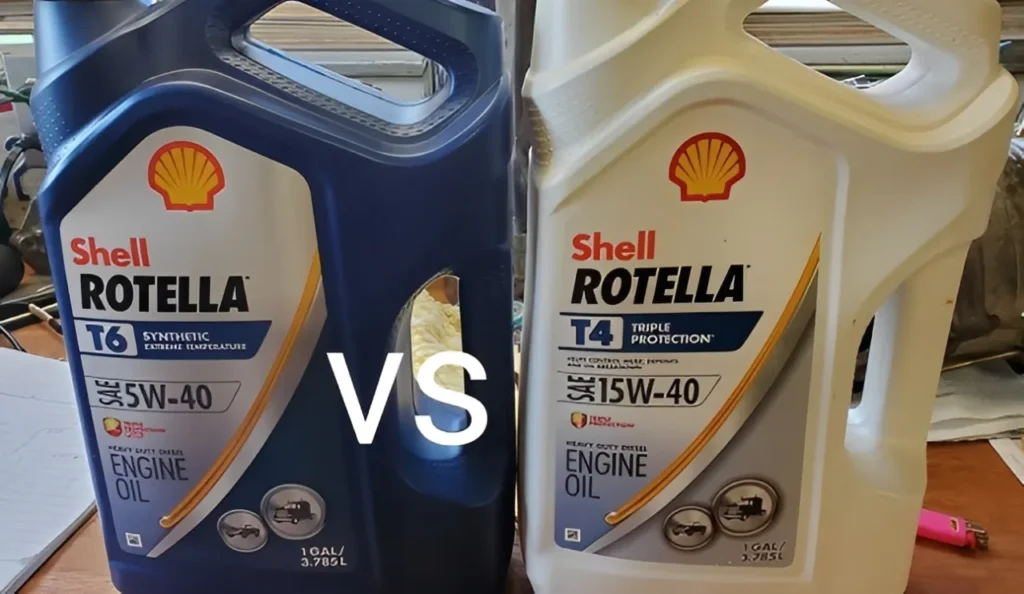
- Shell Rotella T6 Full Synthetic (5W-40): Features exceptional soot-suspension additives. Widely considered the gold standard for heavy-duty pickup trucks.
- Mobil Delvac 1300 Super (15W-40): A premium conventional/synthetic blend with incredibly strong oxidation stability, making it a favorite for massive commercial fleets.
- Chevron Delo 400 SDE: Utilizes ISOSYN Advanced Technology for superior deposit control and proven long drain intervals.
- Valvoline Premium Blue Extreme: When searching for the best oil for Cummins 6.7 recommendations, this oil is literally endorsed and validated by Cummins engineering directly on the bottle.
- Castrol Vecton: Features System Pro Technology, specifically engineered to fight oil degradation in severe-duty mining and agricultural equipment.
- Total Rubia Optima: Delivers a high initial TBN (usually around 11.0 to 13.0), providing massive chemical reserves to neutralize EGR acids in mixed fleets.
Calculating the Perfect Diesel Oil Change Interval
A rigid 10,000-mile rule is obsolete. The true diesel oil change interval depends entirely on the engine's duty cycle.
Typical Baselines:
- Light-Duty Diesel (Daily Driving): 7,500 – 10,000 miles
- Medium-Duty (Hotshot Towing): 15,000 – 20,000 miles
- Heavy-Duty (Over-the-Road Class 8): 25,000 – 40,000 miles
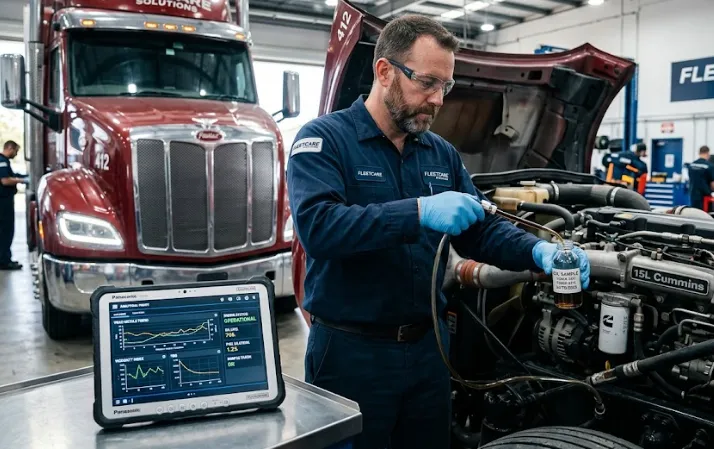
The only scientific way to safely extend your diesel oil change interval is through Used Oil Analysis (UOA). Laboratories test the fluid for iron parts per million (ppm), fuel dilution percentages, and remaining TBN. Fleets utilizing oil analysis routinely reduce annual oil expenditure by up to 20% while catching failing injectors before they destroy pistons.
🔗 Related Fleet Strategy Guide: > Are you running a mixed fleet and wondering how maintenance impacts engine lifespan? Read our deep dive into [Cummins X15 vs Volvo D13: 7 Critical Differences Impacting Fleet Reliability] to see how oil quality and engine architecture dictate your true fleet uptime.
⚠️ Critical Technical Warning
Using standard passenger car motor oil (like an API SN/SP rating) in a heavy-duty diesel engine will result in catastrophic failure. Gasoline oils lack the massive detergent packages required for diesel engine oil soot control performance. Without these dispersants, diesel soot clumps together, creating an abrasive paste that rapidly destroys camshaft lobes, scuffs cylinder walls, and wipes out main bearings.
Maintenance Manual Insights
80%
of premature camshaft and main bearing wear in commercial applications is caused by incorrect oil viscosity selection or severely extended oil change intervals
—based on heavy-duty engine lubrication manuals.
Critical Rejection Limits for Oil Analysis:
- Maximum allowable soot level: 5% by volume.
- Minimum acceptable TBN: Must not drop below 3.0.
- Viscosity degradation: Discard if viscosity drops by more than 15% out of grade (usually due to fuel dilution).
What the Industry Experts Say
"High-quality CK-4 oil protects metal surfaces, but it also chemically preserves rubber seals. Cheap oil, or oil left in the pan too long, becomes highly acidic. This acid physically bakes and hardens front main seals and oil pan gaskets, leading to massive, expensive oil leaks."
– Fleet Lubrication Engineer
The Hidden Link Between Oil Quality and Gasket Life
Engine oil does far more than reduce friction; its chemical makeup directly interacts with the elastomers (rubber/silicone) in your engine's sealing system.
When you fail to use the best oil for diesel engines, the high acid levels and unsuspended soot particles attack the molecular structure of the gaskets. Over time, this leads to:
- Rapid seal hardening (loss of elasticity).
- Gasket shrinkage and cracking.
- Pressurized oil blowing past the degraded timing cover and oil pan seals.
The Critical Role of Total Base Number (TBN) in Gasket Longevity
When evaluating the best oil for diesel engines, professional fleet managers must look beyond simple lubrication and focus on the Total Base Number (TBN). TBN is a measure of the oil’s chemical reserve used to neutralize acidic combustion byproducts, particularly sulfuric acid formed from diesel fuel sulfur and high-temperature oxidation. In high-output engines like the Cummins ISX or 6.7L, soot accumulation quickly depletes these basic additives. Once the TBN drops below a critical threshold (typically 3.0 or 50% of its original value), the oil becomes increasingly acidic.
This acidity does not just wear down metal bearings; it chemically attacks the molecular structure of your engine's sealing system. Most standard gaskets rely on specific elastomer compounds that lose their elasticity when exposed to high-acid environments. This leads to "seal hardening," where the gasket becomes brittle and develops micro-cracks, eventually resulting in high-pressure oil leaks.
By selecting the best oil for diesel engines with a high initial TBN (10.0+) and excellent TBN retention, you are directly investing in the lifespan of your engine overhaul kit components. Premium oils act as a chemical shield, ensuring that FKM (Viton) and silicone seals remain pliable and leak-free even under the most punishing commercial duty cycles. Protecting your engine’s internal chemistry is the only way to guarantee that a high-quality gasket installation delivers its full million-mile potential.
Fix Oil Leaks Permanently with Professional Sealing Kits
Related Products
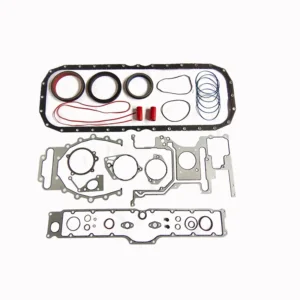
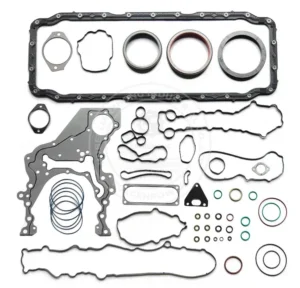
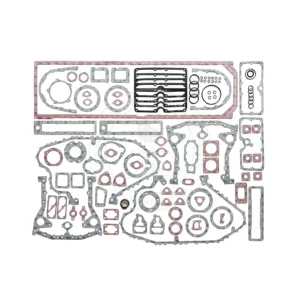
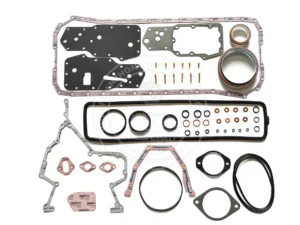
If acidic, degraded oil has already hardened your engine seals, simply switching to the best oil for diesel engines will not reverse the damage. Once a gasket tears or hardens, the sealing system must be mechanically replaced to prevent catastrophic pressure loss.
VPGASKET Provides Advanced Sealing Solutions:
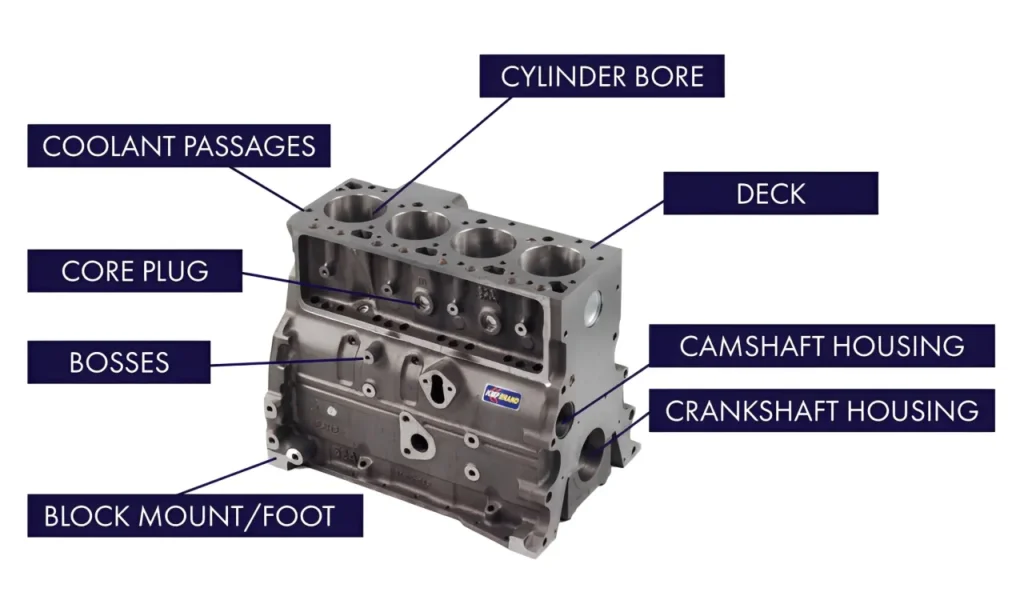
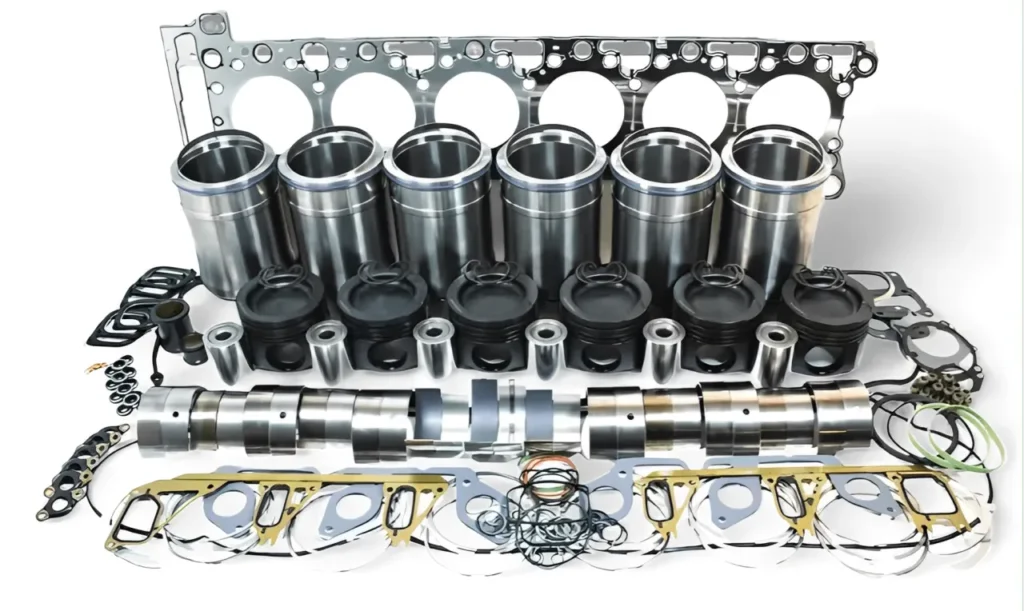
- Chemical Resistance: Our Lower Block gasket kits utilize premium FKM (Viton) and high-grade silicone blends, explicitly engineered to resist the corrosive acids found in high-soot diesel oil.
- High-Temperature Durability: Multi-Layer Steel (MLS) construction ensures perfect clamping force even under the massive thermal load of modern EGR engines.
- Complete Overhaul Coverage: Exact-fit engineering for Cummins 6.7L, ISX, QSK series, and major commercial diesel platforms.
Contact Our Technical Sales Team
Are you rebuilding an engine damaged by poor lubrication, or looking to supply your fleet with gaskets that actually outlast the oil? Ensure your commercial engines run clean, efficient, and leak-free.
FAQ
Q1: What is the best oil for diesel engines in commercial trucks?
High-quality API CK-4 full synthetic oils, such as Shell Rotella T6, Mobil Delvac 1300, and Valvoline Premium Blue, are widely recommended for maximum wear protection and soot control.
Should I use 15W-40 or 5W-40 in my diesel engine?
15W-40 is the standard for moderate to hot climates and heavy hauling. 5W-40 full synthetic is superior for cold climates (below freezing) as it flows instantly to the turbocharger upon startup.
Is FA-4 oil better than CK-4?
FA-4 offers slightly better fuel economy due to lower viscosity, but it provides less high-temperature shear protection than CK-4. Only use FA-4 if your engine manufacturer (2017 or newer) explicitly requires it.
How often should heavy-duty diesel oil be changed?
Depending on the duty cycle, intervals range from 15,000 to 40,000 miles. However, the safest and most cost-effective method is establishing your interval through professional Used Oil Analysis (UOA).
Does poor oil quality actually cause gasket leaks?
Yes. When oil breaks down, it becomes highly acidic. This acid attacks the elastomers in oil pan gaskets, main seals, and valve cover gaskets, causing them to harden, shrink, and leak.