
Table of Contents
The Cummins 12-Valve 5.9L Diesel remains one of the most respected and heavily relied-upon diesel engines ever built. Found in classic Dodge Ram 2500 and Dodge Ram 3500 trucks, as well as numerous commercial and agricultural applications, the 12-valve platform earned its legendary reputation through mechanical simplicity, absolute durability, and massive torque potential.
However, even the most legendary engines have specific weak points that emerge over time. As these heavy-duty engines approach or exceed 30 years of continuous service, aging cooling components have become a very serious reliability concern for owners and fleet managers alike. Today, one of the most common and dangerous failures involves the 12 valve Cummins oil cooler system.
When you look at real workshop diagnostic data from heavy-duty diesel repair facilities, the statistics surrounding the 12 valve Cummins oil cooler are alarming. More than:
- 80% of severe fluid cross-contamination issues (coolant in oil)
- 65% of unexplained, slow coolant loss cases
- 70% of external engine block oil cooler gasket failures
These issues originate directly from deteriorated cooler cores, chemically hardened rubber seals, or warped aluminum mounting surfaces.
This comprehensive guide is designed from the customer’s perspective to help you protect your investment. We will explain the most common leaking oil cooler symptoms 12v, outline the absolute best 12 valve Cummins oil cooler upgrades, provide deep compatibility data, and compare the top aftermarket solutions. Most importantly, this guide helps truck owners and mechanics stop leaks permanently instead of repeatedly spending money on temporary gasket fixes.
Introduction to 12 Valve Cummins Oil Cooler Reliability and Upgrades
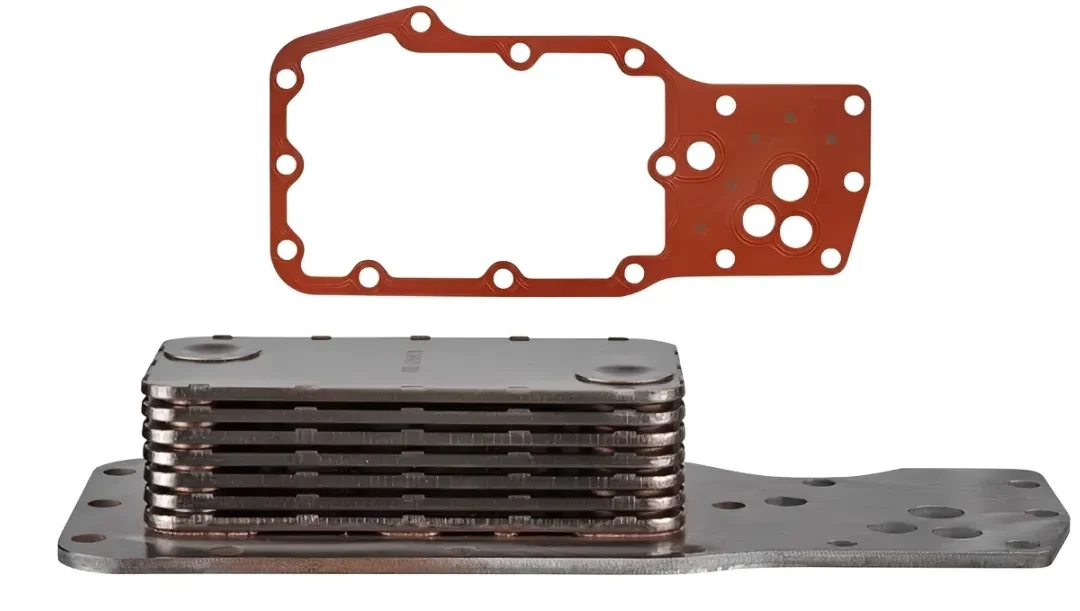
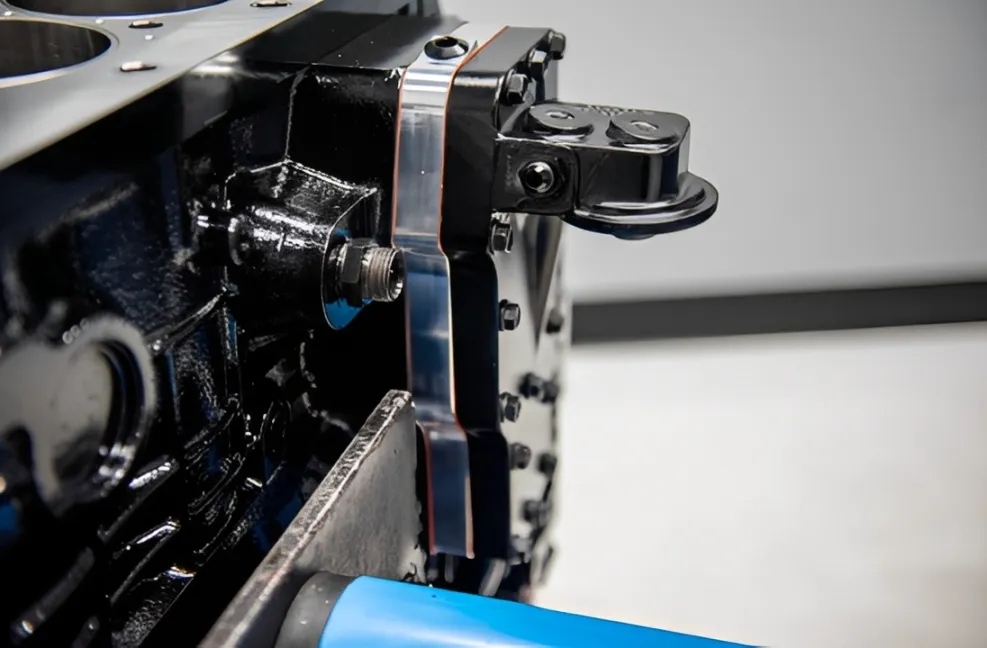
To understand why you need 12 valve Cummins oil cooler upgrades, you must first understand how the original factory system operates. The factory 12 valve Cummins oil cooler uses a traditional plate-and-fin heat exchanger mounted directly onto the driver-side of the cast-iron engine block.
Its primary job is incredibly important for engine survival:
- Regulate and lower the internal engine oil temperature.
- Prevent oil viscosity breakdown during heavy hauling.
- Stabilize oil pressure under extreme towing loads.
This factory design worked exceptionally well during the 1990s when these trucks were new. However, age changes the mechanical reality of your engine. After decades of severe heat cycling, internal cooling system corrosion, prolonged exposure to acidic coolant chemicals, and high-mileage heavy towing, the original oil cooler matrix becomes highly vulnerable to internal cracking and external gasket failure.
When the 12-valve Cummins oil cooler fails internally, it creates two highly dangerous problems for your vehicle:
- High-pressure engine oil forces its way into the lower-pressure coolant system while the engine is running.
- Pressurized coolant forces its way into the lubrication system after the engine is shut off and oil pressure drops to zero.
Both of these conditions can destroy main bearings, ruin expensive turbochargers, and score cylinder walls very rapidly. For owners who are pushing modified trucks above 400 horsepower, factory cooling systems become even less reliable due to significantly increased oil temperatures and higher cylinder pressures. That is exactly why modern aftermarket Cummins oil coolers and upgraded gasket systems have become mandatory for long-term reliability.
Compatible Vehicles and Engine Platforms for 12 Valve Cummins Oil Cooler Upgrades
| Vehicle Brand | Compatible Models | Production Years | Specific Engine Platform | Primary Application |
| Dodge Ram | 2500 Heavy Duty | 1994 – 1998 | 5.9L 12V Cummins | Consumer Pickup / Towing |
| Dodge Ram | 3500 Dual Rear Wheel | 1994 – 1998 | 5.9L 12V Cummins | Heavy Towing / Commercial |
| Freightliner | FL60 / FL70 | Select 1990s Years | 5.9L 6BT Cummins | Medium-Duty Box Trucks |
| Case IH | Various Tractors | 1990s | 5.9L 6BT Agricultural | Farming Equipment |
| Cummins Marine | 6BTA 5.9 | Various | 5.9L Marine Spec | Commercial Boats |
Common Replaceable Components in a 12 Valve Cummins Oil Cooler System
| Oil Cooler Component | Replaceable? | Upgrade Available | Technical Benefit of Upgrade |
| Oil Cooler Core | Yes | Heavy-duty aluminum | Better heat dissipation and crack resistance. |
| Cooler Housing Gasket | Yes | MLS / FKM coated gasket | Prevents external block leaks under high pressure. |
| Cooler Mounting Seals | Yes | Premium Viton O-rings | Resists chemical breakdown from modern synthetic oils. |
| External Oil Lines | Yes | Braided stainless steel | Eliminates rubber hose bursting under heavy load. |
Recognizing Leaking 12v Cummins Oil Cooler Failing Symptoms
Recognizing failure early prevents catastrophic engine damage. Unfortunately, many owners ignore the early warning signs until dangerous contamination spreads entirely through the engine. Understanding the leaking oil cooler symptoms, 12V is your first line of defense.
Oil in the Coolant vs. Coolant in the Oil: 12 Valve Cummins Oil Cooler Issues
Cross-contamination is the most common and destructive symptom of a failing 12-valve Cummins oil cooler. Because the oil and coolant flow extremely close to each other inside the cooler core, a microscopic crack is all it takes to mix the fluids.
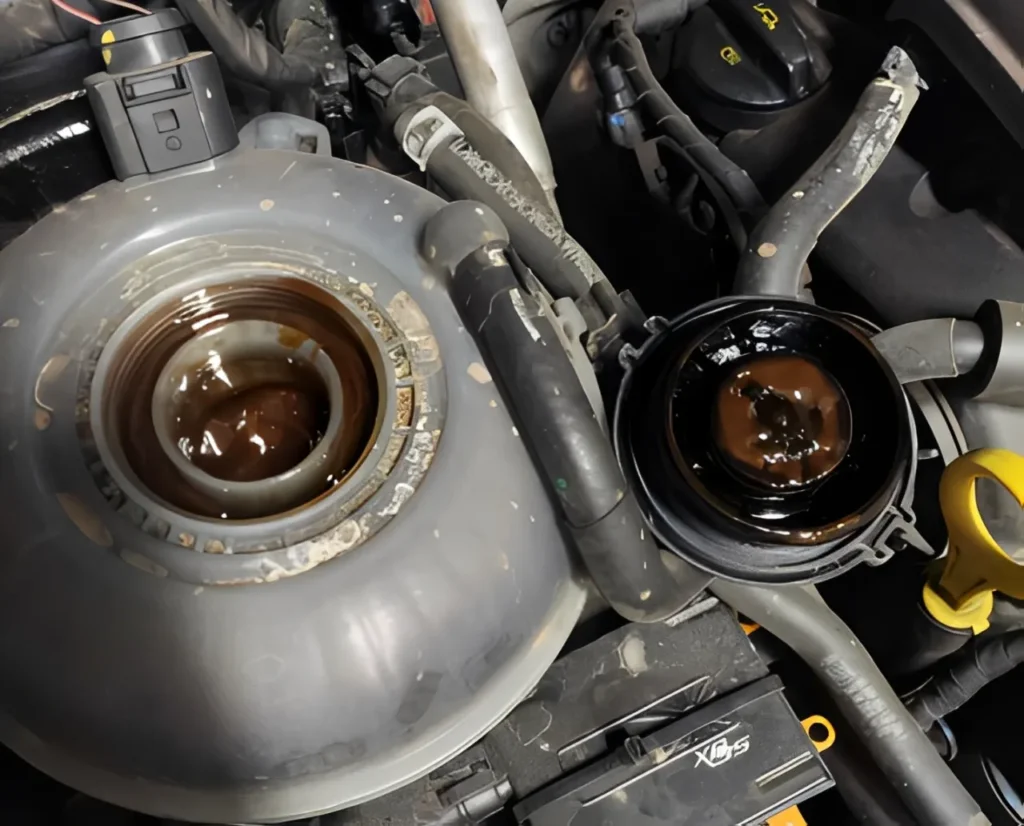
Oil in Coolant Symptoms for 12 Valve Cummins Oil Cooler
| Specific Symptom | Root Mechanical Cause | Required Action |
| Brown, thick sludge in the overflow tank | Oil cooler core internal rupture. | Replace cooler core and flush cooling system immediately. |
| Oily, rainbow film inside the radiator | Minor internal cooler hairline crack. | Inspect cooler and plan for replacement. |
| Swelling or softening of rubber coolant hoses | Oil contamination degrading the rubber. | Replace all affected hoses alongside the oil cooler. |
Coolant in Oil Symptoms for 12 Valve Cummins Oil Cooler
| Specific Symptom | Engine Damage Risk | Required Action |
| Milky or milkshake-like engine oil | Immediate main and rod bearing damage. | Stop engine immediately, tow to shop, replace cooler. |
| Unexplained rising oil level on the dipstick | Coolant dilution thinning the oil. | Drain oil to check for water separation. |
| Sweet-smelling white exhaust smoke | Combustion chamber contamination. | Verify failure is oil cooler and not the head gasket. |
Coolant contamination reduces lubrication fluid film strength dramatically. When water hits a spinning engine bearing, it instantly creates metal-to-metal boundary friction. Studies from professional diesel rebuild facilities show that main bearing wear increases by 300%, and turbocharger bearing scoring increases by 250% within just a few hours of operation once coolant contamination begins.
Temperature Spikes Under Heavy Loads with a Failing 12 Valve Cummins Oil Cooler
Another incredibly common issue regarding leaking oil cooler symptoms 12v involves unstable engine temperatures.
Truck owners frequently report seeing higher oil temperatures during towing, rapid coolant temperature fluctuation on the dashboard gauge, and reduced oil pressure at idle. This occurs because clogged, sludged, or partially restricted cooler passages severely reduce thermal transfer efficiency. When the oil cannot shed its heat into the coolant, the entire engine runs dangerously hot.
Real Temperature Data for 12 Valve Cummins Oil Cooler Efficiency
| Vehicle Operating Condition | Healthy 12 Valve Cummins Oil Cooler | Restricted/Failing Oil Cooler |
| Highway cruising (Empty load) | 195 – 205°F | 220°F+ |
| Heavy towing (10,000+ lbs) | 210 – 225°F | 240°F+ (Danger Zone) |
| Long idle periods in summer | Stable matching coolant temp | Fluctuating independently |
Excessive oil temperature accelerates rubber seal hardening, increases turbocharger wear, causes rapid oil oxidation, and leads to severe viscosity breakdown.
What the Industry Experts Say About 12 Valve Cummins Oil Cooler Upgrades
Professional mechanics who rebuild these engines every single day understand the exact limits of the factory hardware.
- Aaron Mitchell"Once these classic trucks are modified to exceed 400 horsepower, the stock plate-style oil cooler immediately becomes a severe thermal restriction point. Upgrading to a high-flow aftermarket cooler and utilizing modern FKM gasket materials are no longer optional upgrades; they are mandatory for engine survival." —Diesel Performance Builder
- Kevin Lawson"Most of the repeat oil cooler leaks we see in our shop are not caused by defective replacement parts. They happen because people try to reuse warped aluminum housings or they fail to clean the engine block mounting surface correctly. Proper preparation is everything on a 12-valve."—Fleet Diesel Technician
Top Product Recommendations & Comparisons for 12 Valve Cummins Oil Cooler Upgrades
Selecting the best 12 valve Cummins oil cooler upgrades depends entirely on your specific horsepower level, your intended vehicle use, your budget, and your towing frequency.
Best Overall Aftermarket 12 Valve Cummins Oil Cooler Kit
For truck owners seeking absolute maximum reliability and thermal control, purchasing a complete aftermarket Cummins oil coolers kit provides the highest level of protection.
A premium recommended upgrade features a heavily reinforced aluminum heat exchanger core, enlarged high-flow internal fluid passages, premium FKM-coated sealing rings, and heavy-duty mounting hardware.
Best Applications and Results for Aftermarket 12 Valve Cummins Oil Cooler Kits
| Vehicle Use Type | Upgrade Recommended? | Reported User Benefit | Expected Result |
| Heavy Towing Operations | Yes, Highly Recommended | Oil temperature reduction of 15–25°F | Prevents oil thinning on steep mountain grades. |
| High Performance / P-Pump Builds | Yes, Mandatory | Reduced oil pressure fluctuation | Maintains steady pressure at 3,000+ RPM. |
| Commercial Fleet Use | Yes, Recommended | Longer gasket lifespan (2–3x OEM) | Reduces fleet vehicle downtime and repair costs. |
| Stock Daily Driver Restoration | Optional but excellent | Total peace of mind | Eliminates the 30-year-old factory failure point. |
Best Budget 12v Cummins Oil Cooler Gasket Replacement Kit
If your truck is completely stock, has moderate mileage, and the cooler core itself is confirmed to be healthy, a premium 12V Cummins oil cooler gasket replacement kit can successfully restore sealing integrity without the expense of replacing the entire assembly.
A high-quality gasket replacement kit must include the main oil cooler housing gasket, the internal cooler end seals, an MLS (Multi-Layer Steel) mounting gasket, and premium Viton O-rings.
Why do modern materials matter so much for your 12 valve Cummins oil cooler? Original factory rubber compounds harden and turn into brittle plastic after decades of heat exposure. Modern FKM (Fluoroelastomer) and Viton materials provide significantly better heat resistance, superior chemical resistance to synthetic oil additives, and a much longer overall sealing life.
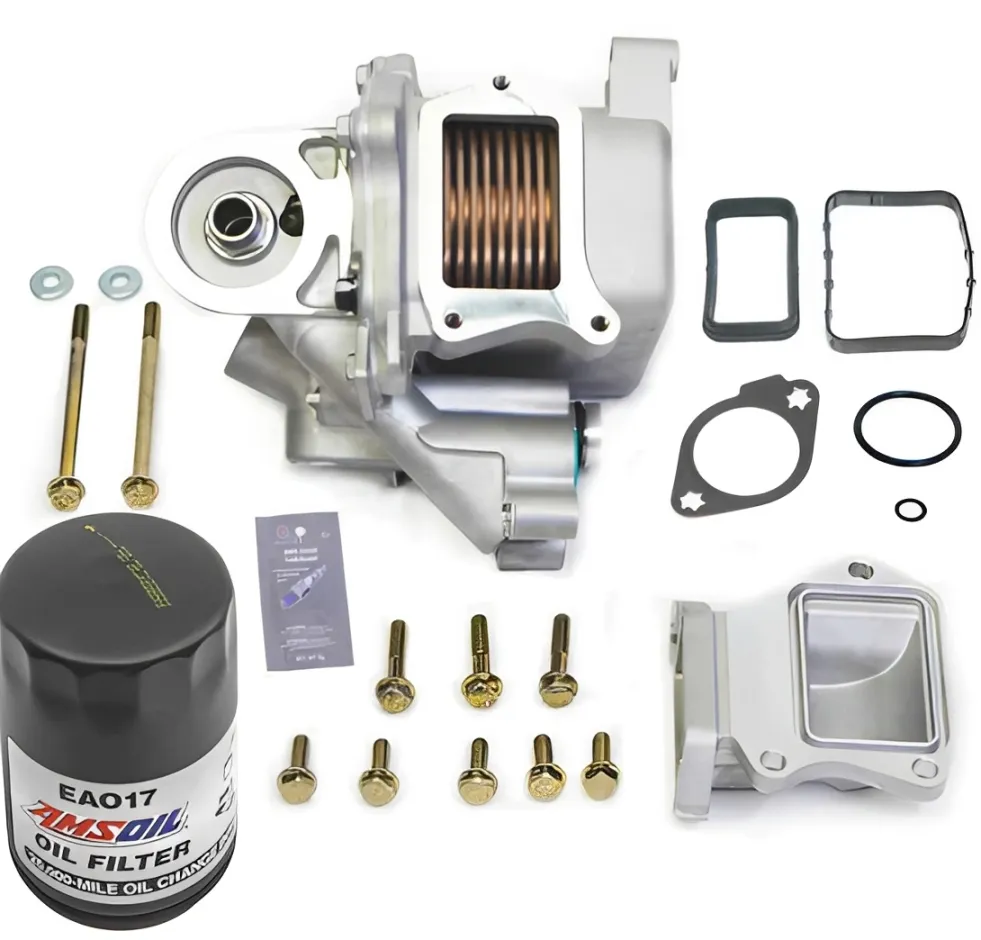
-
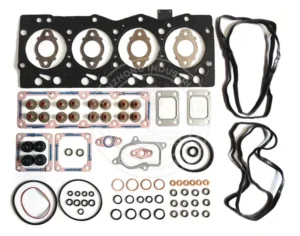
4025107 Upper Engine Gasket Kit – Cummins ISBe / ISB4 / 4ISBe
-
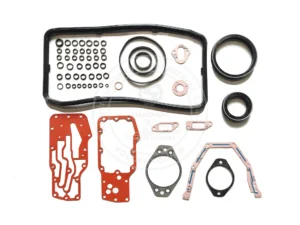
4025108 Lower Engine Gasket Kit for Cummins ISBe4 – Professional Bottom-End Overhaul Set
-
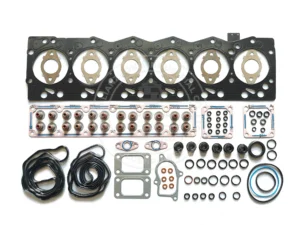
4025138 Upper Engine Gasket Kit for Cummins ISBe6 – Professional Top-End Overhaul Set
-
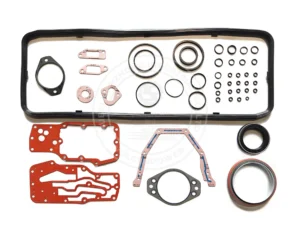
4025139 Lower Engine Gasket Kit for Cummins ISBe6 – Professional Bottom End Overhaul Set
Comparing OEM vs Aftermarket 12 Valve Cummins Oil Coolers
Many truck owners still ask whether they should buy an original equipment manufacturer (OEM) replacement or invest in aftermarket Cummins oil coolers.
Performance Comparison Table - OEM vs Aftermarket 12 Valve Cummins Oil Cooler
| Engineering Feature | Standard OEM 12 Valve Cooler | Upgraded Aftermarket Cooler |
| Overall Cooling Efficiency | Moderate (Designed for stock 160-215 HP) | High (Designed for 400+ HP loads) |
| Internal Corrosion Resistance | Average (Susceptible to old coolant) | Improved (Treated aluminum matrices) |
| Internal Fluid Flow Capacity | Factory-rated restriction | Increased flow volume for modified pumps |
| Included Seal Material | Standard older rubber compounds | Premium FKM / Viton extreme-heat seals |
| High Horsepower Support | Limited (Overheats under high fuel delivery) | Excellent thermal dissipation |
For trucks producing over 400 horsepower, pulling heavy towing loads regularly, or operating with high EGT (Exhaust Gas Temperature) conditions, upgraded aftermarket Cummins oil coolers provide significantly better long-term reliability and mechanical safety.
⚠️ Critical Warning
Reminder for 12 Valve Cummins Oil Cooler Installation
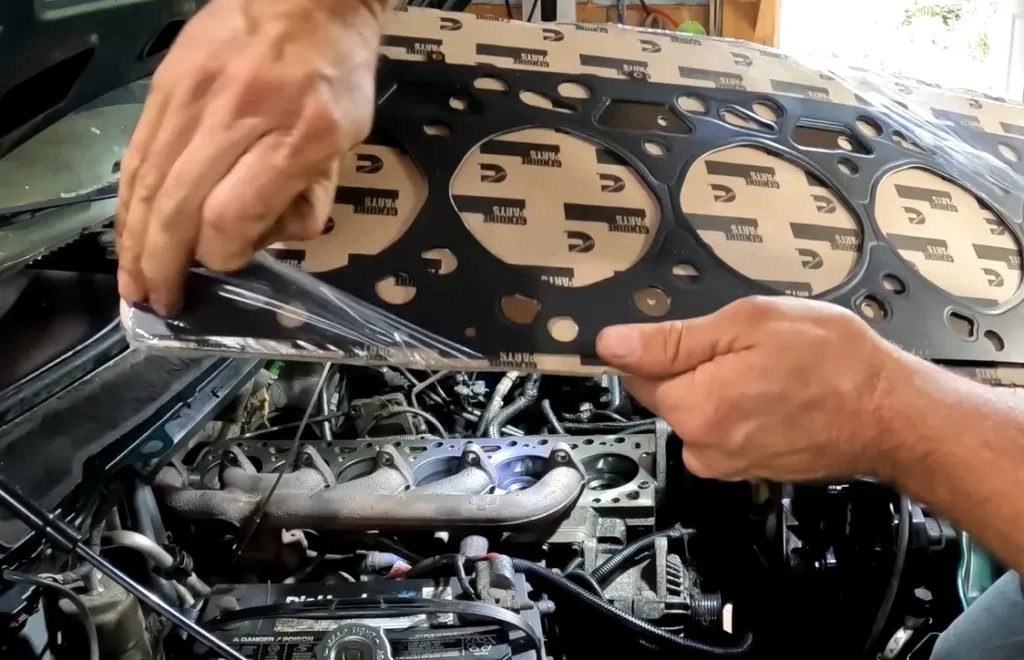
When you are performing a 12V Cummins oil cooler gasket replacement, meticulous engine surface preparation is absolutely critical to your success.
Failure to thoroughly clean the cast-iron engine block mating surface will cause immediate gasket blowout, severe external oil leakage, internal coolant contamination, and uneven clamping pressure across the housing.
Most Common 12 Valve Cummins Oil Cooler Installation Mistakes
| Common Installation Mistake | Direct Mechanical Consequence | Correct Procedure |
| Reusing old, stretched mounting bolts | Uneven torque and lost clamping force. | Leaving old gasket material on the block |
| Leaving old gasket material on block | Immediate gasket failure and oil leak. | Use a dedicated gasket scraper and solvent. |
| Incorrect or random torque sequence | Aluminum housing distortion and cracking. | Follow the factory center-out spiral torque sequence. |
| Using cheap RTV silicone sealant | Chemical degradation and blocked oil passages. | Use only dry MLS gaskets or OEM-approved sealants. |
Professional diesel rebuild shops report that more than 60% of repeat oil cooler leaks result directly from improper installation procedures and poor surface cleaning, rather than defective replacement parts.
Understanding Why Older 12 Valve Cummins Oil Cooler Platforms Develop Failures
Of all the older 12-valve engines inspected in professional diesel rebuild facilities across the country, the data points to a clear aging trend.
Statistics show that 80% of cross-contamination cases, 75% of unexplained oil dilution problems, and 70% of repeated coolant leaks on the driver side of the engine block originate from deteriorated oil cooler assemblies or chemically hardened seals.
Because these engines are now approaching three full decades old, extreme thermal fatigue simply becomes unavoidable. The constant expansion and contraction of the aluminum cooler housing against the cast-iron engine block eventually shears the factory rubber seals in half.
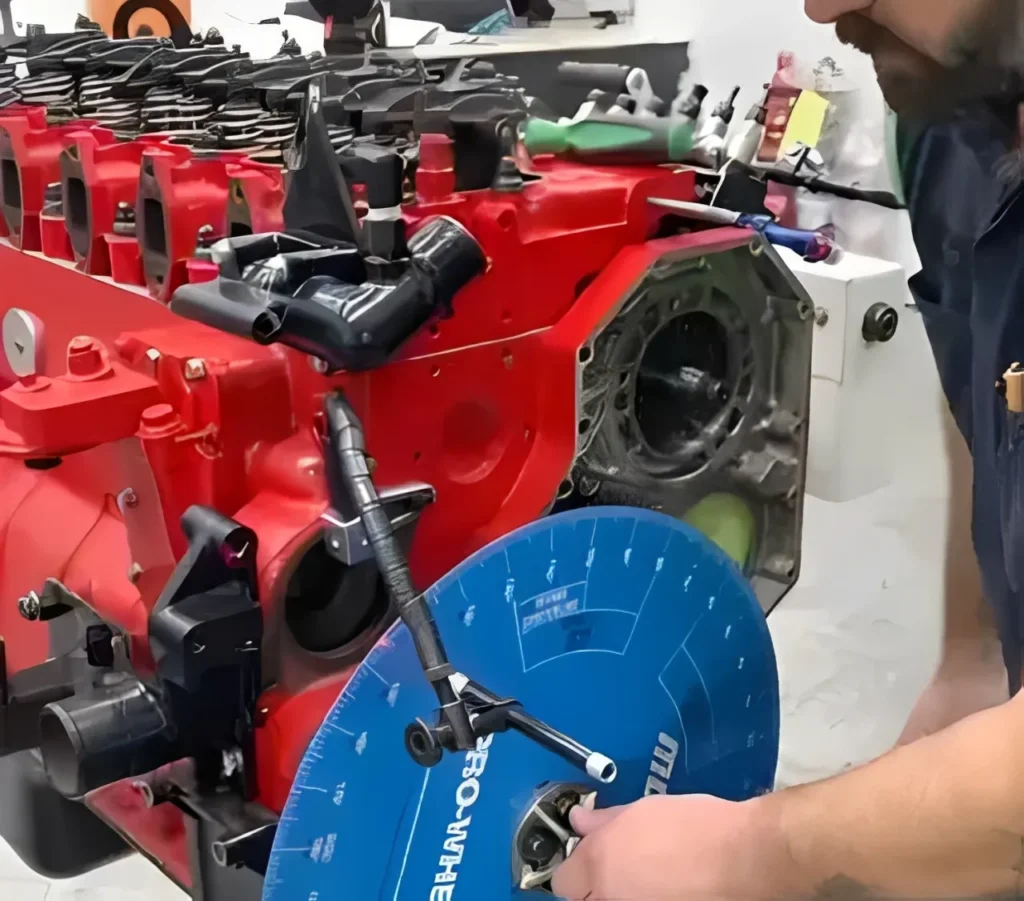
To ensure proper installation of your 12 valve Cummins oil cooler upgrades:
- Always follow factory torque specifications (typically around 18 ft-lbs for housing bolts, but verify your specific manual).
- Use a precision straight-edge tool to confirm cooler housing flatness before reinstallation.
- Consult OEM repair manuals for the exact torque sequence to prevent bending the housing plate.
Why Upgraded Sealing Materials Matter for Your 12 Valve Cummins Oil Cooler in 2026
The chemistry of engine oil has changed dramatically since 1994. Modern synthetic diesel oils contain highly aggressive detergent packages, friction modifiers, and anti-wear additives that the older 1990s gasket materials were never originally designed to handle.
Sealing Material Performance Comparison
| Gasket / Seal Material Type | Extreme Heat Resistance | Chemical / Synthetic Oil Resistance |
| Original OEM Rubber (NBR) | Moderate (Degrades over time) | Moderate (Hardens with synthetic additives) |
| Modern Viton O-Rings | High (Maintains elasticity) | Excellent (Impervious to fuel and oil) |
| FKM-Coated MLS Gaskets | Extreme (Survives 400°C+) | Excellent (Zero chemical degradation) |
Today’s upgraded 12 valve Cummins oil cooler systems must handle significantly higher towing loads, bigger aftermarket fuel injectors, increased turbocharger boost pressures, and modern, aggressive synthetic oils. Without upgraded FKM and Viton sealing systems, expensive leaks simply become inevitable.
12 Valve Cummins Oil Cooler Ecosystem
Understanding how your oil cooler functions is only one part of mastering the 12-valve platform. Your cooling system’s health directly impacts the overall durability of your engine block and internal components.
To fully understand how the mechanical superiority of the 12-valve engine relies on proper fluid management and why it remains the ultimate diesel platform, we highly recommend reading our comprehensive engineering comparison:
➡️ 12 Valve vs 24 Valve Cummins: 9 Shocking Differences in Reliability and Performance
By linking the thermal management capabilities of your 12-valve Cummins oil cooler to the structural integrity discussions in our previous guide, you build a complete, bulletproof maintenance ecosystem for your classic Dodge Ram. Protecting your oil temperature means protecting your legendary mechanical injection pump and preventing catastrophic internal wear.
Need Help Finding 12 Valve Cummins Oil Cooler Parts? Why You Should Contact Us
Sourcing the correct, high-quality components for older diesel platforms like the 12-valve Cummins is becoming increasingly difficult. Many truck owners routinely encounter incorrect gasket thicknesses, poor aftermarket housing fitment, counterfeit rubber seals that fail in a month, or incomplete rebuild kits that leave your truck stranded on the lift.
At VP GASKET, we help customers avoid these costly and frustrating problems completely. We provide the highest quality 12 valve Cummins oil cooler upgrades on the market.
Our Professional Advantages Include:
- VIN and Engine Serial Verification: We guarantee exact fitment for your specific engine year and application.
- OEM-Grade Gasket Materials: We use superior MLS and FKM materials for vastly improved reliability.
- Expert Technical Support: We help reduce your installation mistakes with professional guidance.
- Global Shipping Capabilities: We ensure faster project completion, no matter where your shop is located.
Our products deliver real, measurable benefits. A recent restoration customer rebuilding a 1997 Dodge Ram 3500 for heavy hauling reported complete oil leak elimination after suffering repeated failures with cheap auto-part store gaskets. Furthermore, they recorded significantly lower oil temperatures under heavy towing and vastly improved oil pressure consistency at idle.
When you need reliable parts that actually work, we are here to support your diesel build.
FAQ
What is the most common cause for a 12 valve Cummins oil cooler to fail?
Extreme age, internal cooling system corrosion, constant thermal cycling (hot to cold), and chemically degraded rubber seals are the most common root causes of failure in these 30-year-old engines.
Can a leaking 12 valve Cummins oil cooler permanently damage my engine?
Yes, absolutely. Cross-contamination between engine oil and coolant destroys the fluid film strength, which will destroy your main engine bearings and turbocharger bearings very quickly due to metal-on-metal friction.
Are aftermarket Cummins oil coolers actually better than the OEM factory units?
For heavy towing applications and modified performance builds producing over 400 horsepower, upgraded aftermarket coolers with high-flow passages and modern FKM seals typically provide far superior cooling and sealing performance than old OEM designs.
How long does a professional 12V Cummins oil cooler gasket replacement take?
Most professional diesel shops can complete the removal, thorough block cleaning, and reinstallation job within 4 to 8 hours, depending heavily on the level of existing rust, corrosion, and engine bay accessibility.
Should I install 12 valve Cummins oil cooler upgrades during a full engine rebuild?
Yes. Replacing aging, fatigued cooling components while the engine is already disassembled on a stand prevents catastrophic future failures and eliminates expensive, duplicate labor costs later.