
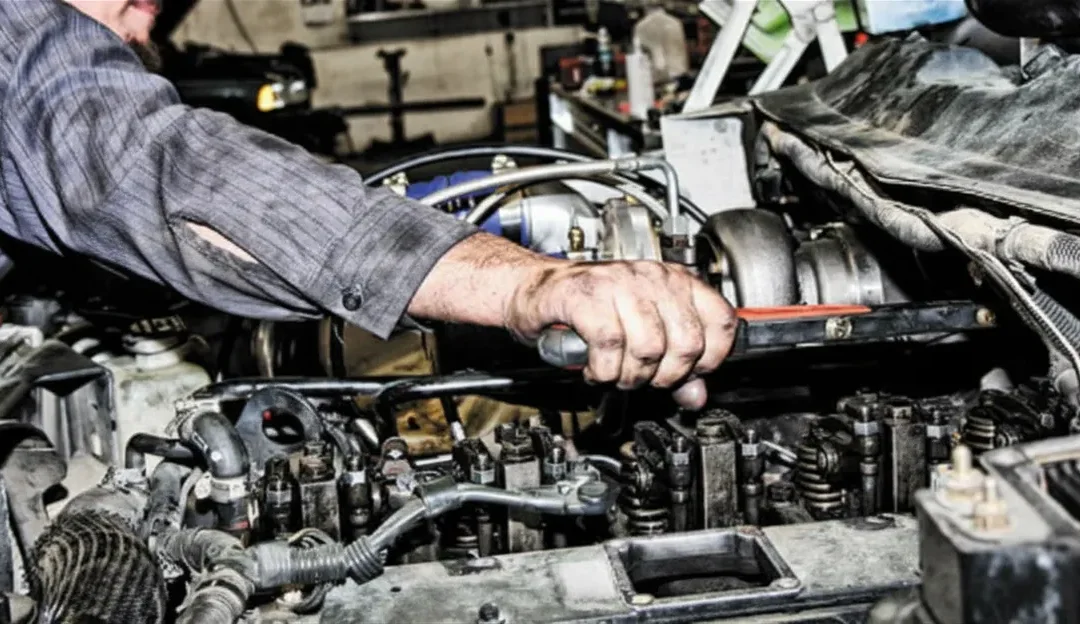
The Problem: The 6.7L engine is a powerhouse, but the factory grid heater assembly carries a fatal, structural vulnerability. Over time, the internal power terminal nut degrades, vibrates loose, and drops directly into cylinder #5 or #6, instantly destroying the engine block. This has led thousands of owners to consider a full 6.7 Cummins grid heater delete.
The Value Preview: However, deleting this component outright creates a massive dilemma: you gain peace of mind against mechanical failure, but you lose critical cold-weather starting capability and risk noncompliance with emissions regulations. This guide breaks down the exact failure symptoms, the pros and cons of complete removal, and the most reliable alternative solutions available today.
The Reader Benefits: By reading this guide, you will learn how to diagnose terminal degradation before catastrophe strikes, evaluate the safest replacement parts, and discover how utilizing commercial-grade sealing technology ensures your engine rebuild remains totally leak-free under high boost pressures.
Table of Contents
Estimated Reading Time: 6 minutes
Understanding the "Nut Drop" Issue: Why a 6.7 Cummins grid heater delete is Trending
The factory intake manifold design features a heater element powered by a bolted terminal connection. Due to continuous electrochemical degradation and intense heavy-duty engine vibrations, the nut holding this terminal arcs, melts, and eventually detaches. When it drops, it is sucked straight into the engine's intake tract.
Ignoring this underlying threat is essentially playing Russian Roulette with a $15,000+ engine replacement. For fleet managers and independent operators, finding a resolution is non-negotiable, which is exactly why performing a 6.7 Cummins grid heater delete has become one of the most trending modifications in the diesel aftermarket.
Factory Grid Heater Failure & Impact Data
| Failure Stage | Technical Cause | Immediate Symptom | Financial Risk Impact |
| Stage 1: Arcing | Dissimilar metal corrosion + soot | Voltage drops during pre-heat | Minimal (Early Warning) |
| Stage 2: Melting | Extreme electrical resistance | Plastic housing degradation | Moderate (Requires Manifold Pull) |
| Stage 3: Nut Drop | Complete thread failure from vibration | Sudden engine knock/stall | Severe ($15,000+ Engine Rebuild) |
How to Spot Trouble: 6.7 Cummins grid heater bolt failure symptoms & 6.7 Cummins grid heater delete Urgency
Before you pull the intake horn, you must rely on specific visual inspection metrics and electrical red flags. If you notice any of these three vital signs, the urgency for a 6.7 Cummins grid heater delete (or an upgraded alternative) is immediate.
- Fluctuating Voltmeter Readings: Watch your dash during the pre-heating cycle. If the voltage drops erratically or fails to pull standard amps, the terminal connection is likely melting.
- Stored Diagnostic Trouble Codes (DTCs): Your Engine Control Module (ECM) will often flag intake air heater performance issues before the mechanical failure occurs.
- Rough Cold Starts: Subtle engine ticks, sudden rough idling, or excessive white smoke during morning start-ups.
For a deeper dive into diagnosing premature upper engine wear, refer to our [Heavy-Duty Head Gasket Kit Selection: Components, Specs & Sourcing].
Common Diagnostic Trouble Codes (DTCs) for Grid Heater Failure
| DTC Code | EPA/OBD-II Definition | Required Action |
| P0541 | Intake Air Heater A Circuit Low | Inspect the terminal for melting immediately. |
| P0542 | Intake Air Heater A Circuit High | Check relay and main power cable connection. |
| P2609 | Intake Air Heater System Performance | Strong indicator of internal element failure. |
| P0380 | Glow Plug/Heater Circuit "A" | Test continuity; prepare for intake removal. |
The DIY Route: 6.7 Cummins grid heater delete kit installation
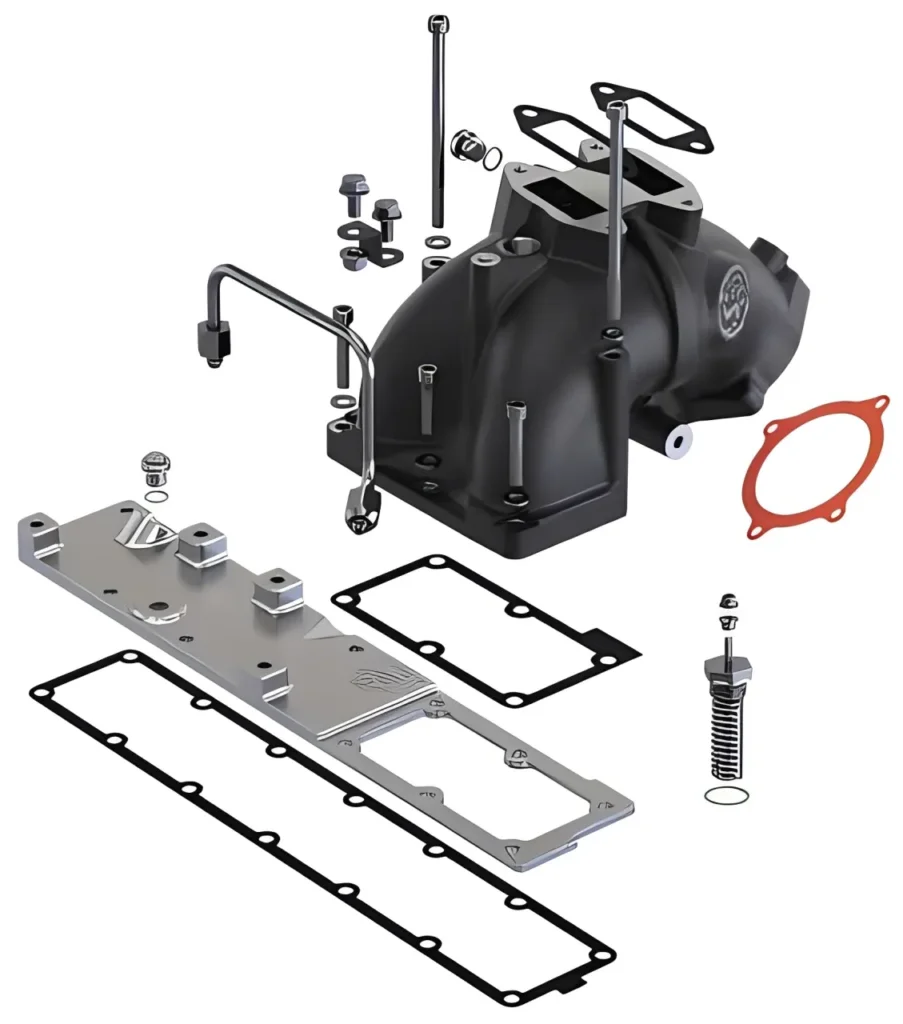
If you operate exclusively in warm climates and decide to proceed with removal, preparation is key. A successful 6.7 Cummins grid heater delete kit installation requires baseline mechanical competency, the right shop tools, and premium replacement gaskets.
Step-by-Step Overview:
- Step 1: Disconnect both batteries entirely to prevent electrical shorts.
- Step 2: Remove the high-pressure fuel lines, the dipstick tube bracket, and the intake horn.
- Step 3: Disconnect the factory grid heater power cable and isolate it safely.
- Step 4: Unbolt and remove the factory heater block entirely.
- Step 5: Install the new delete plate using heavy-duty replacement sealing components, torquing all bolts to factory OEM specifications.
Installation Tools & Parts Replaceability Checklist
| Required Tool / Part | Specification | Replaceability Note |
| Socket Set | 10mm, 13mm, 19mm deep sockets | Standard shop tools required. |
| Torque Wrench | 10-50 lb-ft range | Critical for even gasket compression (18 lb-ft). |
| Delete Plate | CNC Machined Billet Aluminum | Directly replaces factory 2.5-inch heater block. |
| Intake Gaskets (2x) | VPGASKET High-Boost Spec | Must replace old gaskets; never reuse. |
Critical Usage Warnings After a 6.7 Cummins grid heater delete
Eliminating the heater element carries real-world compromises. Cold-weather vulnerability becomes a serious issue in climates dropping below 32°F (0°C). Without pre-heated air, the engine experiences excessive cranking and blows heavy white smoke. More dangerously, unburnt fuel can wash down the cylinder walls, accelerating piston ring wear.
Furthermore, a straight 6.7 Cummins grid heater delete impacts your street-legal registration. Removing factory emission devices tracks down compliance issues in strict states, meaning this modification is often legally restricted to off-road or competition use only.
Real Truck Owners Speak: Genuine 6.7 Cummins Grid Heater Delete Reviews
Understanding the real-world impact requires listening to the operators behind the wheel. The reviews on a 6.7 Cummins grid heater delete are sharply divided based on geography.
The "Peace of Mind" Perspective:
"I operate mainly out of Texas, so I don't need winter pre-heating. Doing a full 6.7 Cummins grid heater delete was the only way I could sleep at night without worrying about a dropped nut ruining my block. The truck runs flawlessly, and the turbo spools up slightly faster with the unrestricted airflow." — Marcus D., Owner-Operator
The "Winter Regret" Perspective:
"Did a full delete plate last winter in Ohio. Now the truck blows blinding white smoke on cold starts and struggles to catch. I need a real heated solution that won't drop parts into my motor. A straight delete is a nightmare in the snow." — David R., Fleet Manager
The Smart Middle Ground: Best alternative to 6.7 Cummins grid heater delete
For those who want to eliminate the risk of a dropped nut but still need reliable winter starting, innovation has provided the perfect answer. Upgrading to a redesigned side-terminal or ring-terminal heater block is the best alternative to the 6.7 Cummins grid heater delete. These billet upgrades eliminate the failure-prone internal nut while retaining 100% of the OEM cold-start heating capabilities.
The VPGASKET Strategic Edge
Whether you are installing a delete plate or a high-performance alternative heater block, sealing that manifold is the most critical step. High-boost diesel engines will instantly blow out cheap, substandard paper gaskets.
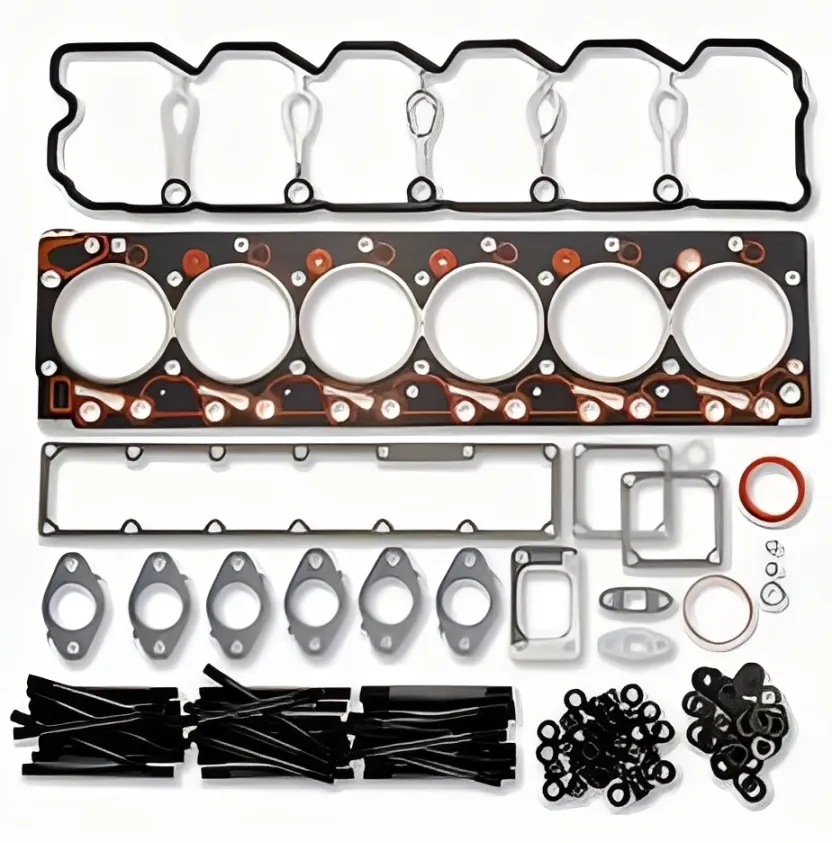
At VPGASKET, we specialize in advanced heavy-duty diesel sealing technology. Our intake and manifold gaskets are engineered to precise OEM dimensions and are heavily utilized across the Cummins ISF, 6CT, ISX15, and QSK heavy-duty industrial lines. Our proprietary sealing products resist the intense thermal cycles of heavy-duty intake assemblies without degrading, ensuring perfect combustion sealing and industrial-tier reliability for B2B fleets worldwide.
VPGASKET Cummins Engine Compatibility Matrix
| Engine Series | Displacement / Application | VPGASKET Compatibility | Sealing Focus |
| ISB / 6.7L | Light/Medium Commercial | Fully Compatible | High-boost intake manifold sealing. |
| ISF (2.8/3.8) | Light Commercial Delivery | Fully Compatible | Thermal cycle resistance. |
| 6CT (8.3L) | Heavy-Duty Construction | Fully Compatible | Extreme vibration isolation. |
| ISX15 / QSX15 | Class 8 Long-Haul | Fully Compatible | Multi-Layer Steel (MLS) pressure containment. |
VPGASKET Material Specifications for Intake Assemblies
| Gasket Material Type | Peak Temperature Resistance | Boost Pressure Tolerance | VPGASKET Advantage |
| High-Density Graphite | Up to 800°F (426°C) | > 60 PSI | Conforms to micro-imperfections on aftermarket billet plates. |
| FKM (Fluoroelastomer) | Up to 400°F (204°C) | > 80 PSI | Unmatched resistance to diesel fuel wash and oil blow-by. |
| Multi-Layer Steel (MLS) | Up to 1000°F (538°C) | > 100 PSI | Maximum durability for commercial freight applications. |
6.7 Cummins grid heater delete FAQs
Will a 6.7 Cummins grid heater delete cause a Check Engine Light (CEL)?
Yes, completely removing the factory heater without electrical tuning or installing a specialized standalone resistor pack will throw a code (usually P0541 or P2609). The ECM constantly monitors this circuit and detects the open relay.
Can I just clean or retorque the factory grid heater nut instead of doing a 6.7 Cummins grid heater delete?
While visually checking the nut with a borescope offers a brief status update, it does not fix the root cause. The ongoing electrochemical corrosion will continue. Diesel specialists highly recommend a permanent replacement block or a reliable, safe alternative rather than just re-tightening a doomed part.

Conclusion: Safeguarding Your Engine After a 6.7 Cummins Grid Heater Delete
Balancing engine safety with cold-weather driveability is the ultimate challenge for today's diesel operators. Whether you choose to perform a full 6.7 Cummins grid heater delete for off-road reliability or opt for a high-performance billet heater block to survive northern winters, the quality of your installation parts dictates your success.
Take Action Today: Do not wait for a sudden engine knock to check your intake. Inspect your electrical terminals immediately. When it's time to upgrade, trust in professional-grade replacement hardware and partner with VPGASKET to ensure your heavy-duty manifold is sealed with uncompromising, commercial-tier precision. Keep your rig running securely, shift after shift.