
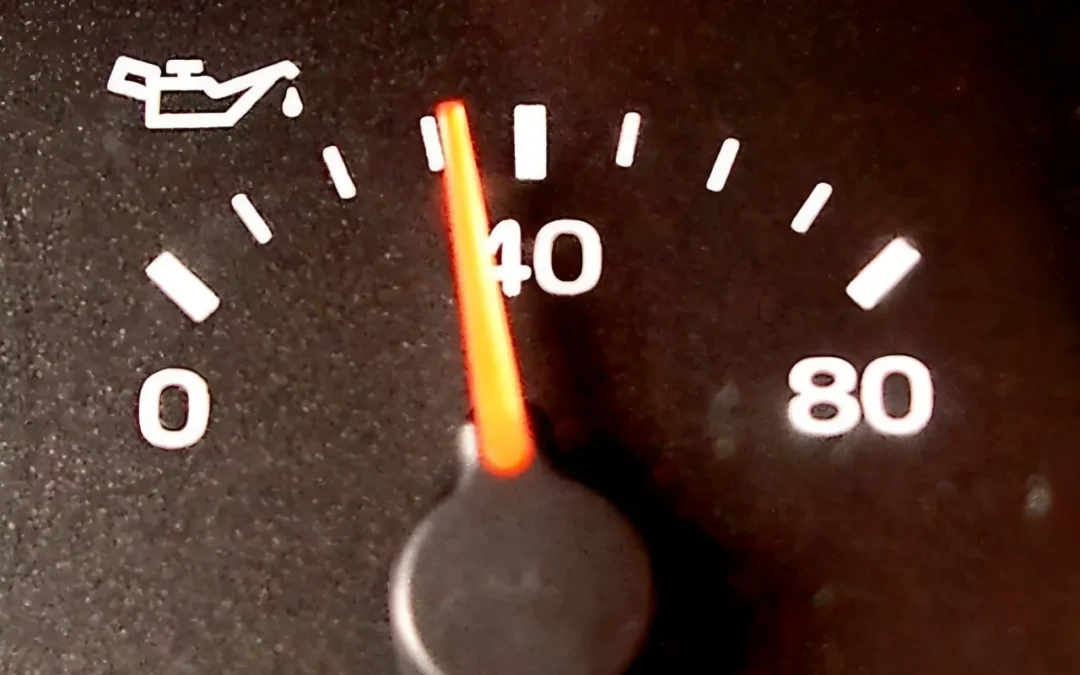
Picture this: you are cruising down the highway, the radio is playing, and suddenly, a bright red oil can illuminates on your dashboard. Panic sets in. That low oil pressure warning light is not just a gentle reminder—it is an engine’s cry for immediate help. In this guide, we will break down exactly what this warning means and walk you through the top seven causes that trigger it. By reading on, you will learn how to diagnose the issue like a seasoned professional, avoid thousands of dollars in unnecessary engine replacements, and understand how premium sealing components keep your vehicle running smoothly.
(Estimated Reading Time: 8 minutes)
Table of Contents
What Is Low Oil Pressure and Why Does It Matter for Engine Health
Let’s talk mechanic-to-mechanic for a second. Oil is the lifeblood of your engine, and oil pressure is its blood pressure. When you have low oil pressure, it means the vital fluid is not reaching the top end of your motor or pushing through the tight clearances of your bearings.
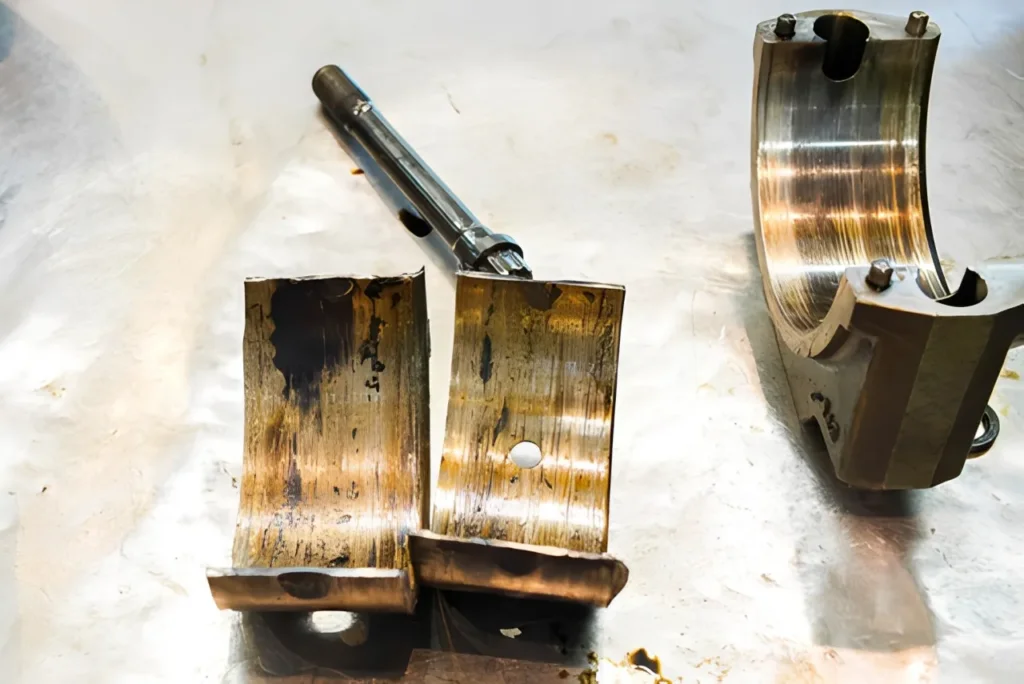
Without adequate pressure, the thin protective film of oil between moving metal parts vanishes. Friction skyrockets, heat builds up rapidly, and bearings get chewed to pieces. A severe low oil pressure event can destroy a healthy engine in a matter of minutes.
VPGasket Tech Tip:
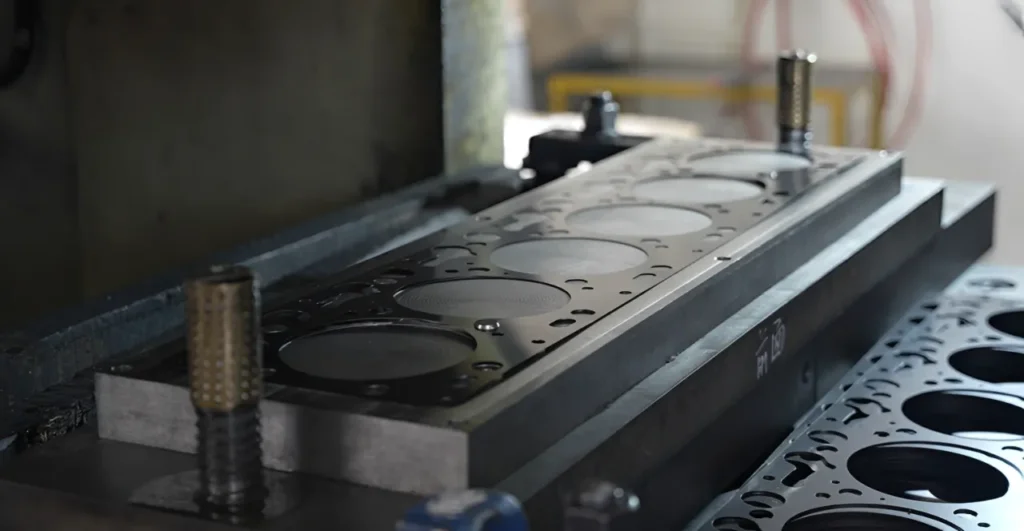
While we often blame the pump or the fluid, engine sealing failures—like a blown oil pump gasket or a degraded rear main seal—can cause hidden internal leaks that directly destabilize your entire low-oil-pressure system.
Standard Operating Oil Pressures for Common Commercial/Light Truck Engines
| Engine Platform | Normal Idle Pressure (Hot) | Normal Highway RPM Pressure | Danger Zone (Low Oil Pressure) |
| Cummins 6.7L Diesel | 15 - 20 PSI | 40 - 65 PSI | Under 10 PSI |
| Chevy/GMC 5.3L V8 | 22 - 25 PSI | 45 - 55 PSI | Under 15 PSI |
| Ford 6.7L Powerstroke | 15 - 20 PSI | 45 - 60 PSI | Under 12 PSI |
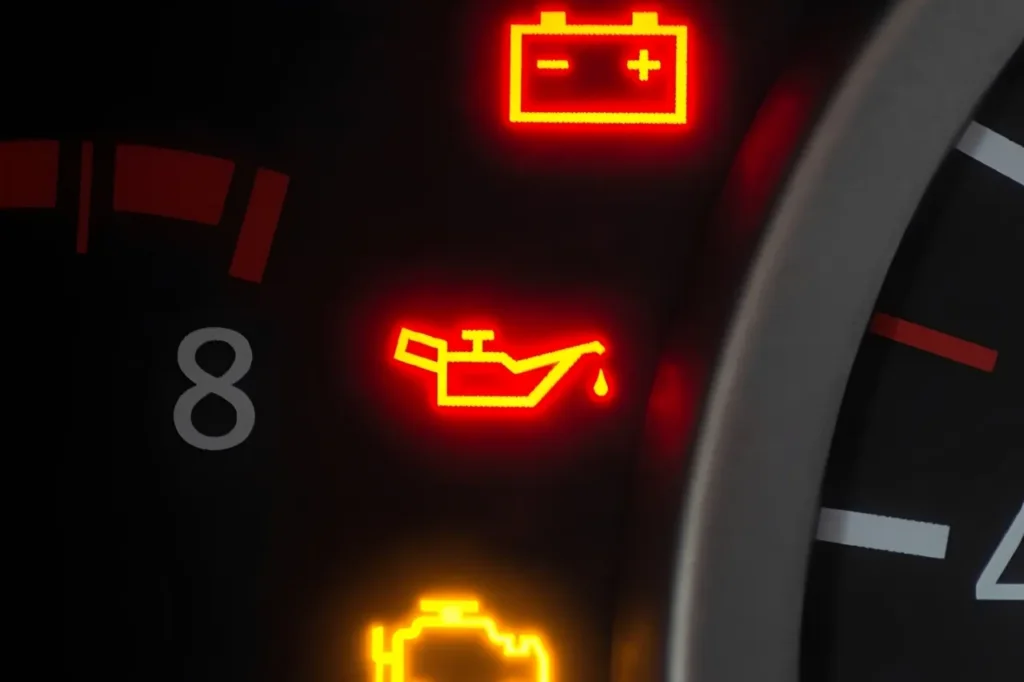
Diagnosing Low Oil Pressure at Idle but Normal While Driving
One of the most confusing things a driver can experience is low oil pressure at idle but normal while driving. You pull up to a red light, the gauge drops, and the warning bell chimes. You step on the gas, the RPMs climb, and the pressure goes right back to normal. What is really going on here?
When engine speed increases, the oil pump spins faster, moving a higher volume of fluid. If the pressure improves with RPM, it tells us a few specific things:
- The oil pump is wearing out: It can no longer generate enough volume at low speeds.
- Internal bearing clearances are too wide: Worn bearings let oil slip out faster than the pump can supply it at idle.
- The oil is thinning out: Extreme heat or fuel dilution has made the oil too thin to hold pressure at low RPMs.
Low Oil Pressure Behavior Diagnosis
| Symptom | Most Likely Cause | Severity Level |
| Drops at idle, recovers on acceleration | Worn oil pump / Worn main bearings | Moderate to High |
| Drops suddenly while driving at speed | Total pump failure / Massive fluid leak | Extreme (Stop Immediately) |
| Fluctuates randomly at any speed | Faulty oil pressure sensor / Wiring issue | Low to Moderate |
The Hidden Causes of Low Oil Pressure After an Oil Change
You just tried to do a good thing for your truck by changing the oil, but now you have a warning light. Experiencing low oil pressure after an oil change is incredibly common and often misdiagnosed.
Here is what usually happens in the shop:
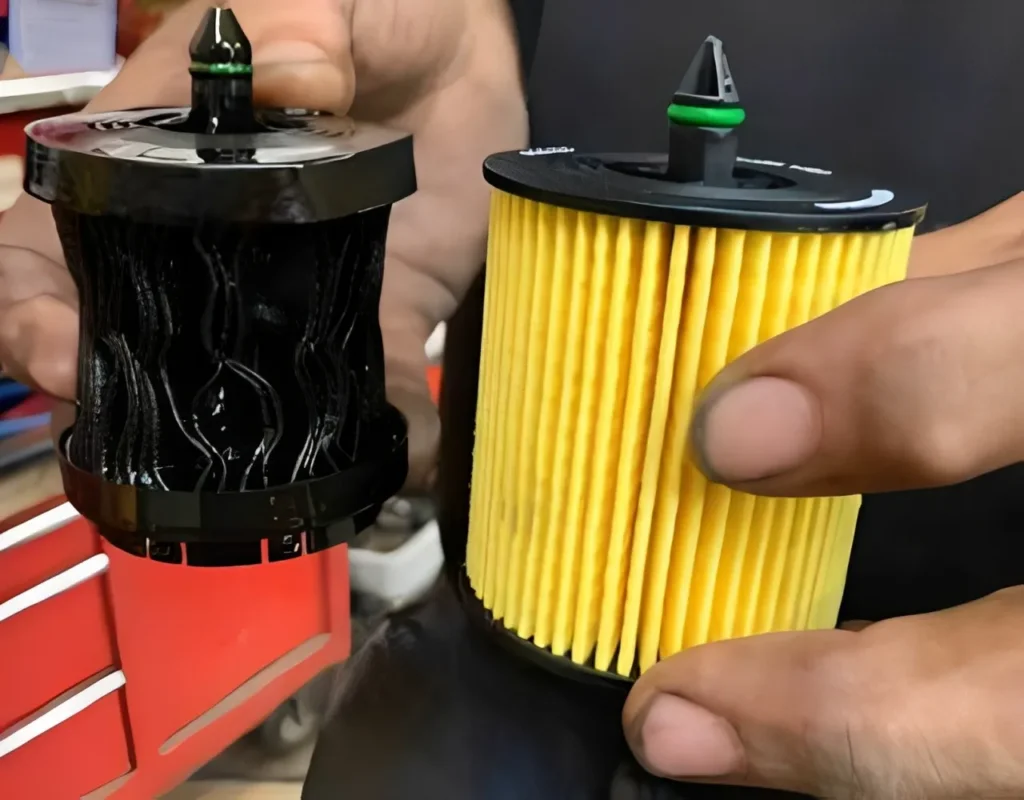
- Filter Collapse or Wrong Part: Using a cheap, restrictive oil filter—or the wrong part number entirely—blocks fluid flow.
- The Double O-Ring Seal: The rubber gasket from the old oil filter stuck to the engine block, and the new filter was screwed on top of it. This creates a massive leak and an instant low oil pressure.
- Incorrect Viscosity: Pouring 0W-20 into an older heavy-duty engine designed for 15W-40 will thin out the fluid dynamics, triggering the sensor.
Top 7 Dangerous Causes of Low Oil Pressure
Let's cut right to the chase. If your gauge is dropping, it is almost certainly one of these seven culprits:
1. Low Engine Oil Level (The #1 Cause of Low Oil Pressure)
If there isn't enough oil in the oil pan, the pickup tube sucks in air. This causes sudden pressure drops, ticking valvetrains, and major friction.
2. A Failing Oil Pump Causing Low Oil Pressure
Oil pumps are tough, but they aren't immortal. Internal gear wear reduces the ability to build pressure, especially at operating temperature.
3. Worn Engine Bearings Decreasing Low Oil Pressure
High mileage takes a toll. When crankshaft and connecting rod bearings wear down, the gap between the metal widens. Oil flows out of these gaps too easily, killing system pressure.
4. Clogged Oil Filter Leading to Low Oil Pressure
If dirt and sludge block the filter media, the bypass valve has to open. If that valve fails or the filter collapses, oil stops flowing to the top of your engine.
5. Faulty Sensor Faking Low Oil Pressure
Sometimes, the engine is perfectly healthy, but the sensor is lying to you. Sensors can crack, leak oil internally, and send a false red alert to your dashboard.
6. Blocked Oil Pickup Tube Creating Low Oil Pressure
Think of a clogged drinking straw. Sludge, carbon, or even broken timing chain guides can fall into the oil pan and block the screen that sucks up the oil.
Note for Cummins Owners: Just like broken timing guides can drop into your oil pan and block fluid pressure, failing intake components can drop straight into your cylinders. If you run a 6.7L, don't miss our guide on the [6.7 Cummins Grid Heater Delete: 3 Vital Warning Signs & The Best Fix] to catch the notorious "nut drop" issue before it destroys your motor.
7. Internal Gasket and Seal Leaks Dropping Low Oil Pressure
A blown oil pump O-ring or a leaking gallery gasket bleeds pressure internally before it ever reaches the sensors or bearings.
VPGasket Compatibility & Oil System Sealing Solutions
| Engine Family | Common Leak Points Affecting Pressure | VPGasket Engineered Solution |
| Cummins ISX / QSX | Oil pump mounting flange, pickup tube | High-density elastomer O-rings |
| Detroit Diesel | Oil cooler housing gaskets | MLS (Multi-Layer Steel) gaskets |
| Caterpillar S60 | Rear main seal, internal gallery plates | PTFE-coated specialized seals |
How to Fix Low Oil Pressure Warning Light Engine Issues
When that light comes on, you need a solid game plan. Here is exactly how to fix low oil pressure warning light engine issues step-by-step.
Step 1: Check the Fluid Level
Pull the dipstick immediately. If it is bone dry, look for external leaks. Top it off and see if the pressure returns.
Step 2: Inspect the Filter and Sensor
Check the area around the oil filter for leaks (the dreaded double O-ring). Next, look at the oil pressure sending unit. Is it covered in oil? If it is leaking externally, it is likely failing internally.
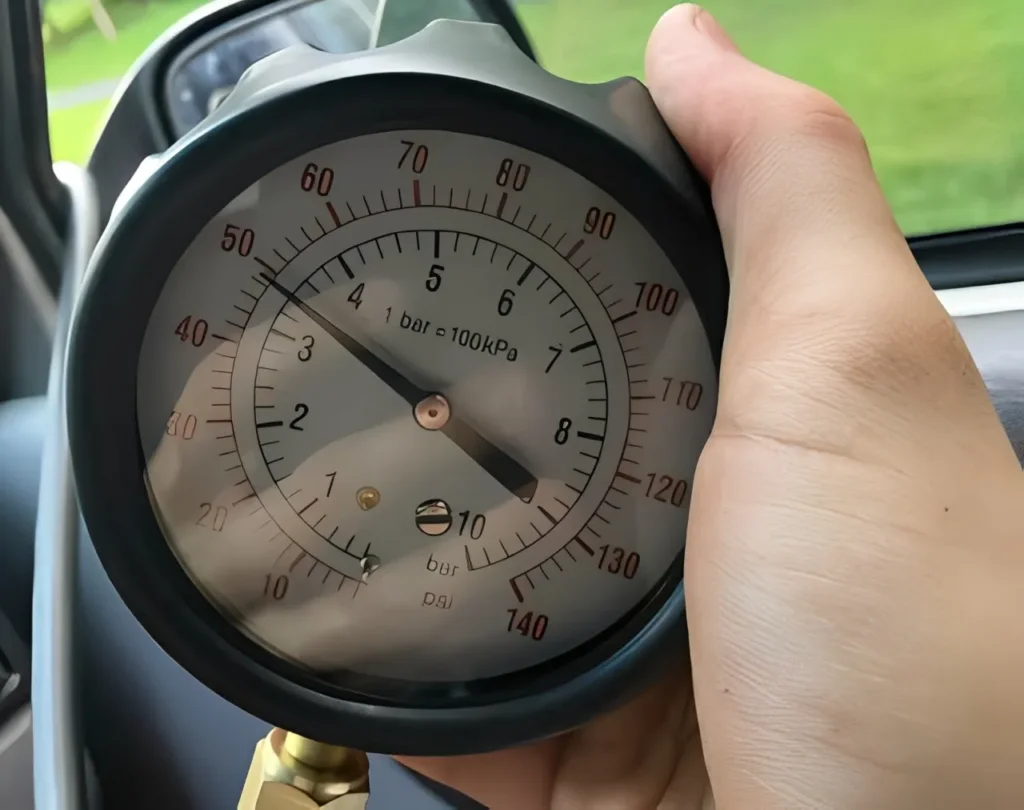
Step 3: Verify with a Mechanical Gauge
Never condemn an engine based solely on an electronic dashboard gauge. A seasoned professional will unscrew the electronic sensor and thread in an analog, mechanical fluid gauge to read the true physical low oil pressure of the block.
Step 4: Check Air and Fluid Systems
An engine needs to breathe and seal properly to run right. Just as internal oil gaskets maintain fluid pressure, intake seals maintain vacuum pressure. If you are doing a deep engine diagnostic, be sure to check out our comprehensive guide on [Throttle Body Gasket Replacement and Symptoms: Maximizing Engine Airflow] to ensure your motor is breathing as well as it is lubricating.
⚠️ Critical Safety Warning:
Listen carefully: if the red oil can light turns on while you are driving, stop the vehicle immediately in a safe location and shut off the engine.
Do not try to "make it to the next exit." Driving an engine with genuine low oil pressure for even 5 to 10 minutes will result in:
- Scored cylinder walls.
- Spun crankshaft bearings.
- Seized camshafts.
- A complete, catastrophic engine block failure.
A $150 tow truck ride is always cheaper than a $15,000 commercial engine replacement.
Expert Opinion: What Professional Mechanics Say About Low Oil Pressure
If you walk into any professional diesel or automotive shop, the master mechanics will all tell you the same thing: "90% of the time, the first step is to verify the low oil pressure with a mechanical gauge."
Experts know that the line between a $25 faulty sensor and a $5,000 engine rebuild is razor-thin. They never rely solely on a dashboard light. Furthermore, expert builders emphasize that when rebuilding an engine to fix oiling issues, utilizing commercial-grade sealing components—like those from VPGasket—is non-negotiable to prevent internal bleeding and maintain stable pressure for the long haul.
Real User Experiences with Low Oil Pressure
We see these scenarios play out in the shop every single day. Here are a few real-world experiences from drivers and mechanics dealing with a low oil pressure warning:
- The Sensor Scare: "My Chevy 5.3 dropped to zero oil pressure on the highway. I nearly had a heart attack and pulled over immediately. Towed it to the shop, and it turned out to be a $30 pressure sensor that had cracked. The engine was completely fine!"
- The Oil Change Disaster: "Got my oil changed at a quick-lube place. Five miles down the road, the low oil pressure light came on. They had left the old filter gasket stuck to the housing. It blew three quarts of oil all over the highway."
- VPGasket Reliability: "When we rebuild Cummins blocks for our fleet, we only use VPGasket seals for the oil pumps and coolers. Before, we had micro-leaks dropping our idle pressure. Since switching, our low oil pressure problems at idle have completely vanished." — Mark T., Fleet Manager
FAQ – Low Oil Pressure Questions
Can I drive with a low oil pressure warning light on?
Absolutely not. Because you cannot differentiate between a faulty sensor and genuine oil starvation from the driver's seat, continuing to drive risks irreversible, catastrophic engine damage. Pull over and shut the engine off immediately.
Why does my oil pressure drop when the engine gets hot?
As engine oil heats up, it naturally thins out (viscosity decreases). If your oil pump is worn out or if your internal engine bearings have excessive clearance, the hot, thin oil slips through those gaps too easily, resulting in a drop in low oil pressure on your gauge.
Final Thoughts – Preventing Low Oil Pressure Damage
A low oil pressure warning is not something you "wait and see" about. It is arguably the most critical alert your vehicle can generate. By understanding the root causes—whether it is a simple faulty sensor, a collapsed filter, or serious internal pump wear—you empower yourself to make smart, cost-saving repair decisions.
To keep your engine healthy for the long haul, change your oil regularly, always use the correct viscosity, and never compromise on the quality of your filters or engine seals. A well-sealed engine is a happy engine, and relying on top-tier components like VPGasket ensures your oil stays exactly where it belongs: protecting your engine.