
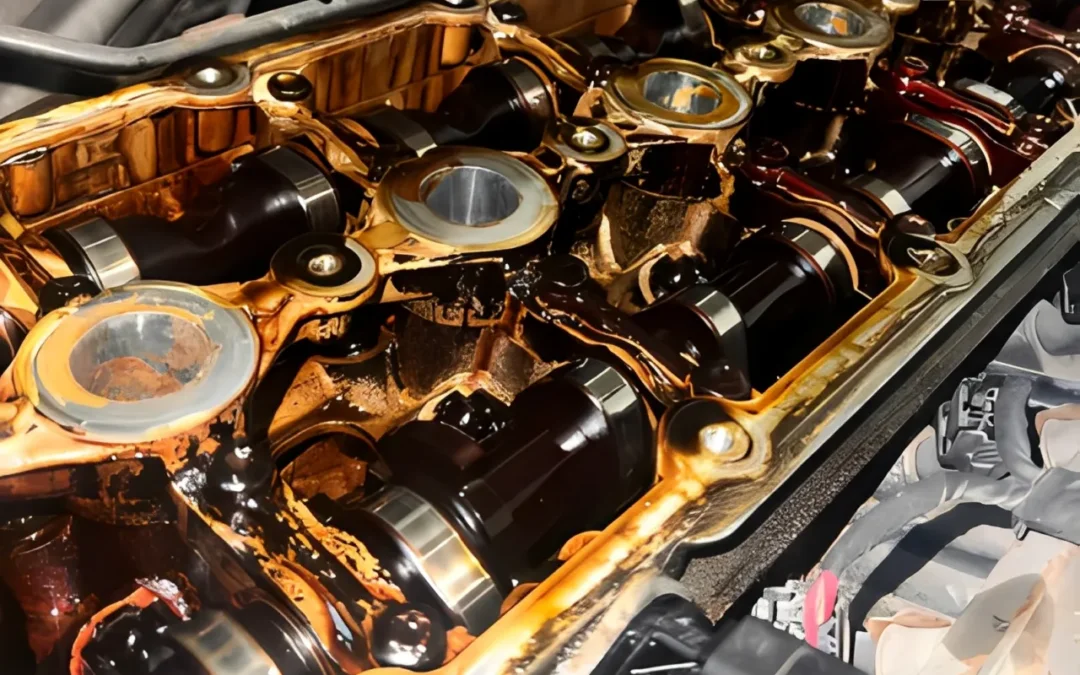
Problem Introduction: Engine oil leaking from the upper valvetrain is one of the most persistent and frustrating issues encountered by fleet operators and heavy equipment mechanics. When oil escapes from the top of the engine, it drips down onto hot exhaust manifolds, creating dangerous smoke, foul odors, and severe fire risks, while also shorting out sensitive electrical components.
Value Teaser: Fortunately, you do not have to put up with messy engines and constant top-offs. Upgrading to a high-quality sealing solution can eliminate these vulnerabilities, locking in internal crankcase pressures and preventing costly unscheduled downtime.
Benefits of Reading: By reading this technical guide, you will master the material science of elite rubber polymers, understand exactly why your seals are failing, learn how to prevent installation mistakes that ruin new gaskets, and review exact compatibility data to ensure you pick the perfect replacement for your specific engine.
Estimated Reading Time: 9 minutes.
Table of Contents
What is a Camshaft Cover Gasket Kit, and Why Do O-Rings Fail?
In modern engines, the upper valvetrain enclosure must be completely sealed to prevent lubricating oil from escaping and dirt from entering. Rather than just buying a single rubber perimeter strip, purchasing a complete Camshaft Cover Gasket Kit provides a comprehensive overhaul solution that replaces all the aging seals at the top of your engine at the same time.
The Anatomy of a Complete Camshaft Cover Gasket Kit
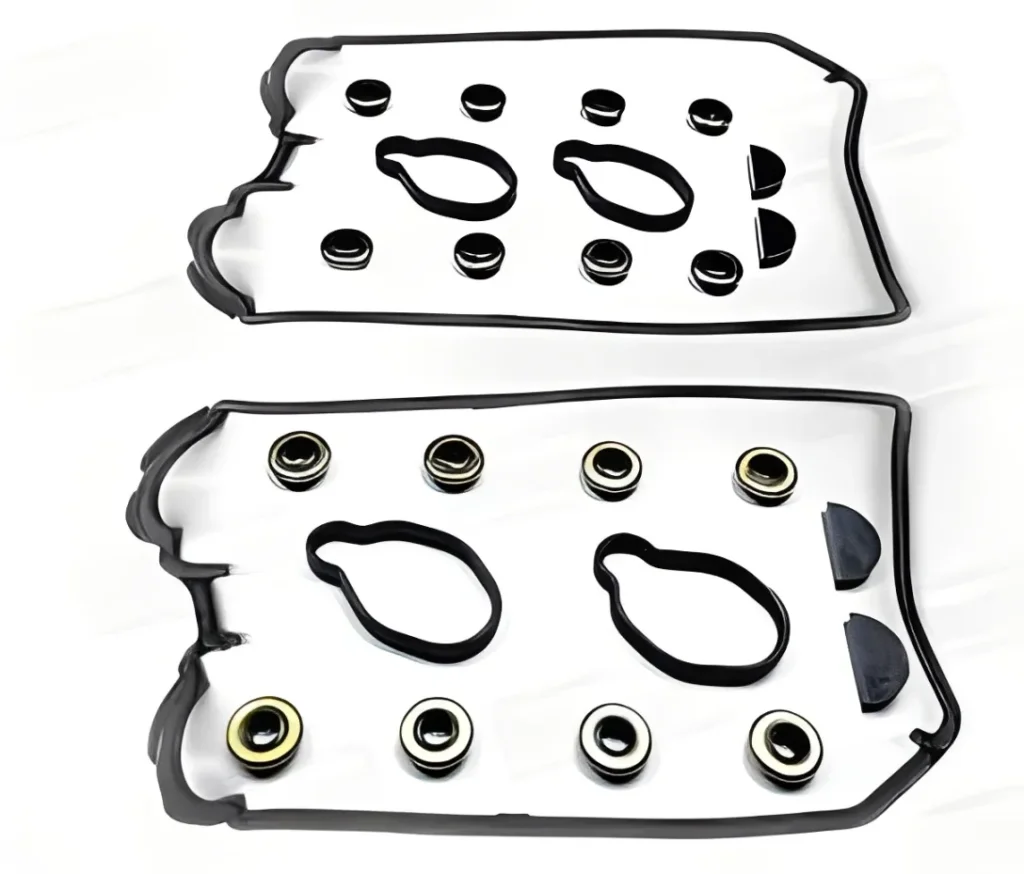
An industrial-grade Camshaft Cover Gasket Kit contains multiple specialized components tailored to distinct sealing jobs on your cylinder head:
- Main Perimeter Gasket: The primary rubber seal that sits between the cylinder head and the cover housing.
- Injector / Spark Tube Seals: Internal press-fit rings that stop oil from flooding the fuel injector bodies (in diesels) or spark plug wells (in gas engines).
- Bolt Grommets: Rubber washers that sit beneath the mounting bolts, acting as springs to provide even downward clamping force.
- Half-Moon Seals: Formed rubber inserts used to fill sharp 90-degree corners in the engine casting.
High-Frequency Valve and Camshaft Cover Gasket Kit Leak Locations
| Primary Leakage Zone | Failed Element Within the Kit | Mechanical Root Cause | Resulting Engine Impact |
| Perimeter Flange Joint | Main Gasket | Rubber hardening from cyclic heat. | External oil is weeping down the engine block. |
| Fastener Mount Holes | Bolt Grommets | Overtightening or thermal collapse. | Top-side oil pooling; oil creeping into threads. |
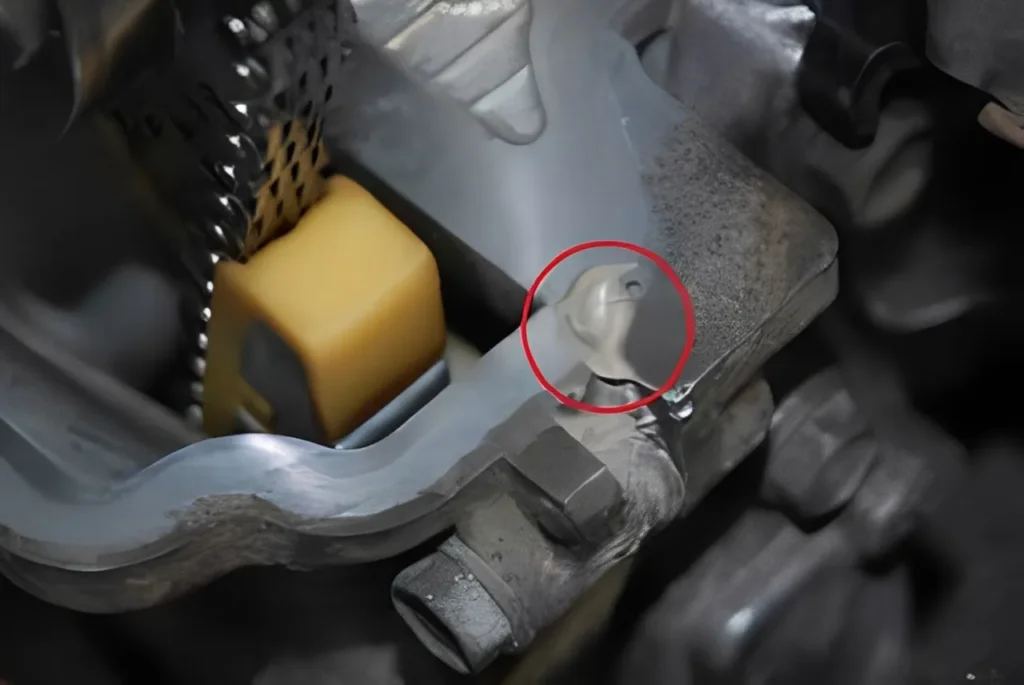
| Cylinder Head Steps | Half-Moon Seals | Missing RTV silicone at corners. | High-volume oil loss near the rear flywheel. |
| Injector Passages | Injector Seals | Chemical swelling from fuel additives. | Oil pooling in combustion wells; severe misfires. |
Thermodynamic Failure Inside a Camshaft Cover Gasket Kit
Rubber seals within a Camshaft Cover Gasket Kit fail due to predictable chemical changes. The primary killer is thermal hardening. Engine oil temperatures routinely range from 90°C to 120°C (194°F to 248°F). Over time, the constant baking heat causes the rubber to undergo what engineers call "compression set."
Simply put, compression set means the rubber loses its elasticity. Instead of bouncing back like a fresh rubber band, it flattens out into hard plastic. When a gasket reaches a high compression set percentage (e.g., 60% or more), it can no longer push back against the metal surfaces to maintain a fluid seal, allowing pressurized oil to easily slip past.
How to Choose a Camshaft Cover Gasket Kit: 4 Materials Explained
Selecting the right material compound is the most critical step when learning how to choose a camshaft cover gasket kit. The chosen rubber must directly match the operating temperatures and chemical exposure of your specific engine.
Material Limitations
Standard economy engines often use basic Nitrile rubber (NBR), which is affordable but prone to rapid thermal hardening. For heavy-duty operations, you must upgrade your materials to prevent repeat failures.
Material Comparison Matrix for a Camshaft Cover Gasket Kit
| Material Type | Temperature Range | Oil & Chemical Resistance | Best Performance Application |
| NBR (Nitrile Rubber) | -40°C to +120°C | Moderate; degrades with modern synthetic additives. | Economy passenger cars, legacy machinery. |
| ACM (Polyacrylate) | -30°C to +150°C | Very Good; enhanced protection against hot synthetics. | Modern automotive fleet platforms. |
| VMQ (Silicone) | -60°C to +200°C | Excellent thermal limits; can soften in some oils. | Extreme cold-weather machinery. |
| FKM (Viton) | -20°C to +220°C | Outstanding; elite resistance to bio-diesel and soot. | Heavy-duty commercial diesel engines. |
VPGASKET Material Advantages
When choosing components for high-stress applications, VPGASKET relies heavily on advanced FKM (Fluoroelastomer/Viton) and ACM compounds. By upgrading your Camshaft Cover Gasket Kit to these premium materials, VPGASKET ensures your engine gains elite resistance to synthetic fuels, heavy soot, and extreme turbocharger heat, eliminating the risk of early compression set failures.
What the Experts Say
Commercial transport vehicles and heavy industrial equipment place brutal mechanical stresses on valvetrain seals. When sourcing a camshaft cover gasket kit for diesel engines, you must account for intense vibration and massive crankcase pressures that gas engines simply do not experience.
OEM Engine Compatibility
Below is a cross-reference matrix detailing how modern commercial platforms utilize these complex sealing systems.
OEM Engine Compatibility
| Target Engine Architecture | Common Equipment Applications | Kit Component Profile | Target Service Interval |
| Cummins ISX15 / QSX15 | Class 8 Freight Trucks | Integrated perimeter FKM seal, pass-through boots. | 250,000 Miles |
| Caterpillar C15 ACERT | Heavy Excavators, Earthmovers | Multi-piece molded layout, structural rear half-moons. | 200,000 Miles |
| Detroit Diesel DD15 | Over-The-Road Logistics | Precision-molded frame-anchored rubber matrix. | 300,000 Miles |
| Ford Powerstroke 6.7L | F-250 / F-550 Commercial Trucks | Edge-bonded composite carrier, integrated glow-plug boots. | 150,000 Miles |
| John Deere 6090 | Agricultural Harvesters | Heavy-duty valve rocker isolation grommets. | 4,500 Hours |
Heavy-Duty Fleet Diagnostics
In commercial fleets, a failed cover seal leads to incredibly expensive secondary damage.
"In heavy-duty diesel operations, the camshaft cover seal helps maintain the slight negative pressure required by the crankcase ventilation (CCV) system. If a low-quality Camshaft Cover Gasket Kit hardens prematurely, high-pressure blow-by gases push oil mist into the CCV system, heavily contaminating the Diesel Particulate Filter (DPF). This escalates a simple gasket repair into a multi-thousand-dollar emissions system overhaul."
— Senior Diesel Fleet Diagnostics Engineer
Step-by-Step
To achieve an absolute fluid seal that lasts for the entire service life of the engine, mechanics must follow a precise, structured installation process when deploying a camshaft cover gasket kit replacement guide.
Surface Preparation for a Camshaft Cover Gasket Kit
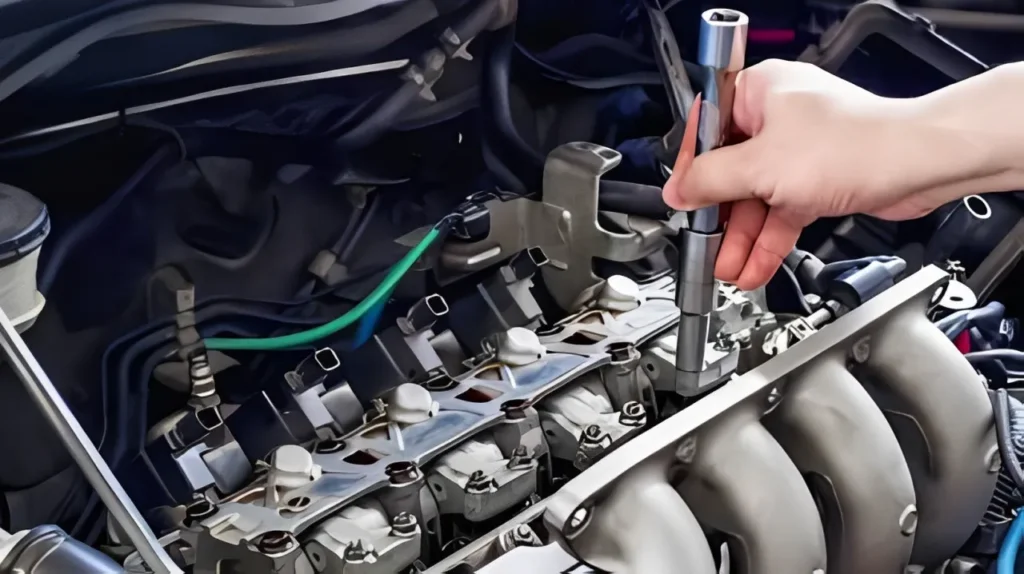
- Decontaminate the Surface: Strip away all traces of the old rubber. Use an approved solvent degreaser to clean the cylinder head mating surface. It must be completely clean and dry before the new gasket touches it.
- Verify Flatness: Modern plastic or stamped steel covers can warp. Use a precision straightedge to inspect the cover's sealing rail. If it is warped, the cover housing itself must be replaced; otherwise, the new gasket will not compress evenly.
Torque Sequences Required for Camshaft Cover Gasket Kit Success
- Apply Strategic RTV: The main run of the rubber profile should be installed dry. However, apply a very small (2-3 mm) dot of RTV silicone strictly at sharp corner transitions or step joints.
- Install Fresh Grommets: Replace all old bolt grommets with the new pieces included in your Camshaft Cover Gasket Kit.
- Execute the Torque Sequence: Thread all fasteners by hand first. Using a torque wrench, tighten the bolts starting from the center and working outward in a criss-cross pattern to prevent pinching.
Torque Specifications
| Engine Architecture | Typical Fastener Metric | Installation Torque Range | Tightening Sequence Protocol |
| Light-Duty Automotive | M6 × 1.0 Steel | 5 to 12 Nm (44 - 106 in-lbs) | Multi-stage spiral sequence from center out. |
| Medium-Duty Commercial | M8 × 1.25 High-Tensile | 12 to 20 Nm (106 - 177 in-lbs) | Alternating cross-pattern sequence. |
| Heavy-Duty Diesel | M10 × 1.5 Class 10.9 | 20 to 30 Nm (177 - 265 in-lbs) | Three-stage progressive torque via star pattern. |
3 Fatal Mistakes During Camshaft Cover Gasket Kit Installation
Even the highest quality Camshaft Cover Gasket Kit will leak immediately if installed incorrectly. Avoid these massive technician errors:
- Warning 1: Overtightening Fasteners. Exceeding torque specifications will over-compress the rubber, causing it to split. It can also instantly crack modern plastic covers.
- Warning 2: Drowning the Gasket in RTV. Never apply silicone along the entire length of the gasket. Excess silicone acts like grease, causing the rubber to slip out of its channel. It can also break off internally and clog your oil pickup tube, starving the engine of oil.
- Warning 3: Reusing Old Grommets. The rubber bolt grommets act as springs, pushing down on the cover. If you reuse old, flattened grommets, there will be no downward clamping force, and the new perimeter gasket will weep oil.
Real User Reviews
Professional feedback demonstrates the immense value of buying a comprehensive component set rather than piecing parts together.
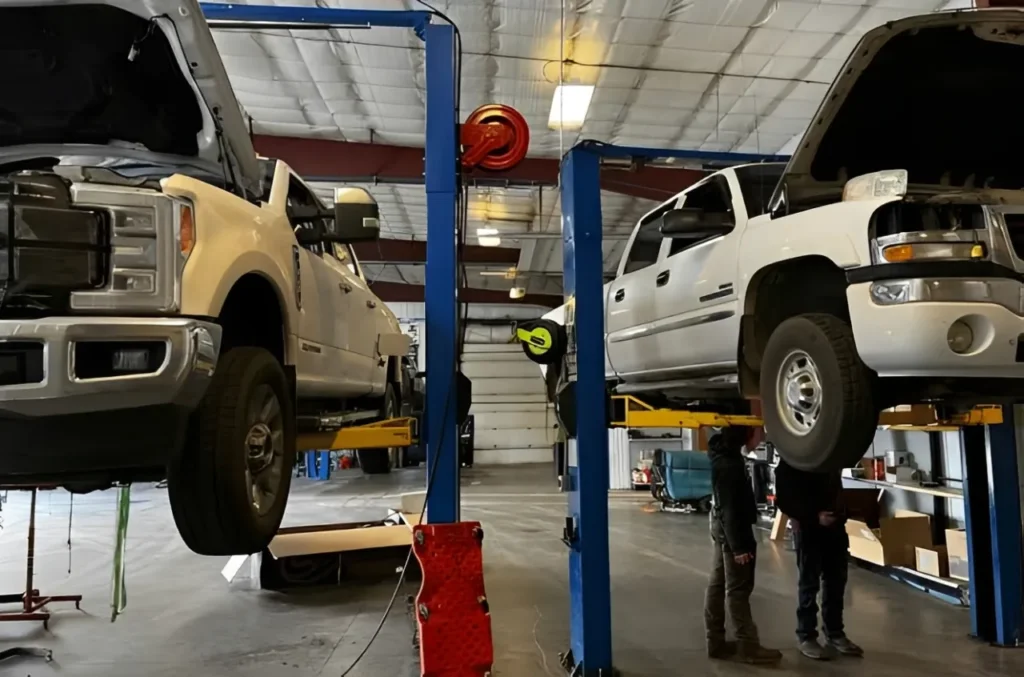
"We used to order valve cover gaskets individually, only to find out mid-assembly that the bolt grommets or spark plug tube seals were also shot, leaving vehicles taking up a lift. Switching to a complete Camshaft Cover Gasket Kit eliminated component matching issues and ensured we complete the job reliably with zero comebacks."
— Independent Repair Shop Owner
Elevating Fleet Reliability with a VPGASKET Camshaft Cover Gasket Kit
High-performance fleet operation requires components built to withstand intense thermal stress. VPGASKET specializes in manufacturing precision-engineered sealing solutions for the most demanding commercial environments.
VPGASKET Camshaft Cover Gasket Kit Component Matrix
| VPGASKET Solution Focus | Core Material Upgrade | Operational Benefit for Fleets |
| Perimeter Cover Seals | High-Grade FKM & ACM | Rejects heat-induced compression set; outlasts OEM rubber. |
| Injector Pass-Through Boots | Swell-Resistant Polymers | Stops aggressive synthetic oil and fuel additive degradation. |
| Load-Retaining Grommets | High-Tensile Elastomer | Maintains permanent downward clamp force despite engine vibration. |
By optimizing rubber formulations for incredibly low compression set rates, a VPGASKET Camshaft Cover Gasket Kit maintains its structural integrity and positive sealing force through extended operational cycles, keeping your trucks out of the shop and reliably on the road.
Frequently Asked Questions
Can I reuse the main rubber seal from my camshaft cover gasket kit if it still looks intact?
No, reusing a compressed gasket is highly discouraged. Over extended operating hours, rubber compounds experience thermal hardening and compression set, losing the elasticity needed to maintain a reliable seal. Even if it shows no visible cracking, reinstalling an old seal will almost always result in an immediate oil leak.
Why does my new camshaft cover gasket kit still leak after I just installed it?
Post-installation leaks are typically caused by three things: a warped cover housing that prevents even pressure, improper fastener torque that pinches the rubber profile, or failure to apply a small dab of RTV silicone at critical corner joints (like where the timing cover meets the cylinder head). Always verify component flatness and strictly follow the recommended center-out torque sequence to ensure a leak-free seal.