
Fleet maintenance directors balance equipment availability against inventory carrying costs. Procuring diesel gasket kits requires a documented stocking strategy rather than relying on generic ordering habits. This guide outlines eight essential stocking rules to help fleets evaluate actual consumption, calculate accurate reorder points, and maintain appropriate inventory positions without overstocking unnecessary components.
Estimated reading time: 7–9 minutes.
Table of Contents
Before qualifying a stocking reference, use gasket kit supplier approval checks to organize the evidence. Inventory availability does not establish compatibility.
1. Map Diesel Gasket Kits to the Active Fleet
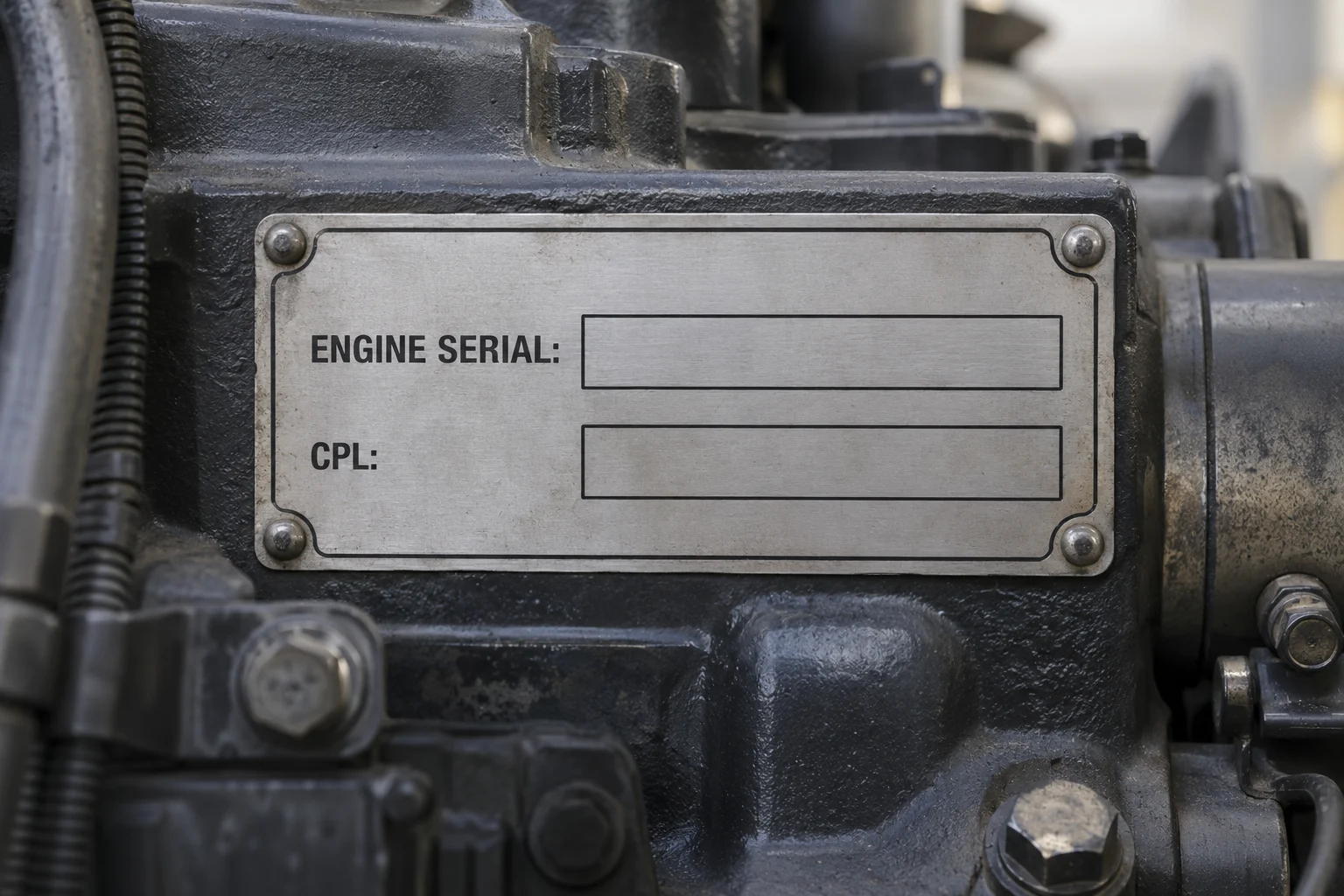
Fleet purchasing begins by mapping the active vehicle roster to precise engine applications. Grouping assets by a general series name masks important technical differences, as emission updates and accessory variations demand different sealing packages. Procurement must document the exact engine serial numbers operating within the yard. Cummins parts information is a starting resource for applicable engine records.
Connect the asset register to reviewed kit references, repair scopes and any relevant installed changes. Record CPL information where available as supporting identification, not an independent compatibility rule. Several engines may share an approved reference, but that grouping should be supported by evidence rather than inferred from a familiar family name.
Repair History Demand vs Vehicle Count
Operating fifty trucks of the same model does not translate to stocking fifty identical sealing packages. Purchasing decisions must rely on documented repair history and actual consumption rates rather than total vehicle count. Evaluating past work orders identifies which specific repairs recur frequently across the fleet.
Use issue records and work orders together: a warehouse issue can represent a repair, a transfer, a returned item or an unconsumed job allocation. Adjust the demand view for planned fleet changes and known upcoming work. Historical consumption is a planning input, not a reason to perform unnecessary repairs or ignore rare but consequential events.
| Metric | Generic Assumption | Evidence-Based Strategy |
|---|---|---|
| Vehicle Count | Stock one kit per fleet vehicle | Use repair demand, supply lead time and consequence of shortage |
| Component Wear | Replace based on arbitrary mileage | Follow the applicable maintenance and condition-assessment requirements |
| Order Volume | Bulk order for bulk discounts | Order based on calculated consumption trends |
Separate Planned Service and Emergency Criticality
Fleet managers should carefully separate inventory intended for scheduled overhauls from stock held for emergency breakdowns. Planned service components can be ordered with standard lead times, minimizing the need for long-term warehouse storage. This separation clarifies which items require immediate shelf space.
Emergency stock covers critical failures that would immediately sideline a high-value asset. By categorizing diesel gasket kits based on their criticality and planned usage, fleets optimize their working capital. Buyers avoid tying up funds in parts that are not urgently needed for daily operations.
| Demand category | Planning question | Stock implication |
|---|---|---|
| Known upcoming repair | When is the job and what is confirmed? | Reserve or order against the approved scope |
| Unplanned critical repair | What is the consequence and realistic supply delay? | Evaluate a justified contingency holding |
| Recurring service | What does the work-order history show? | Review replenishment against observed demand |
Stocking Qualified References Not Family Alone
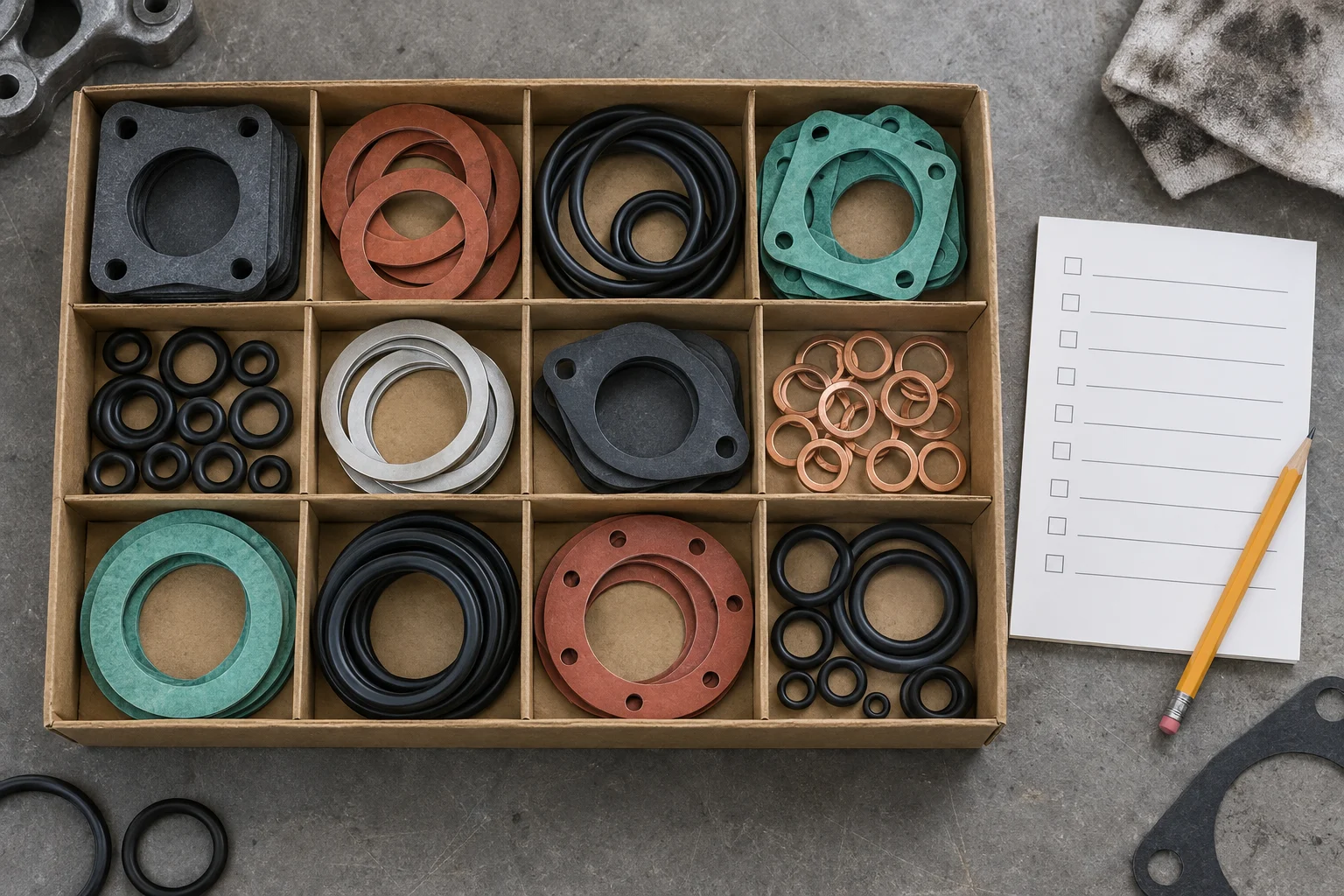
Use a controlled stock reference that identifies the supplier item, revision and approved application scope, with OE references where relevant and available. Keep visually similar but unqualified alternatives separate. The storekeeper should be able to distinguish a reviewed part from a candidate still awaiting technical confirmation.
When a supplier offers a superseded part number, the fleet must document the cross-reference trail. Maintaining qualified references for all stocked diesel gasket kits helps the workshop locate the correct components instantly. This administrative discipline reduces delays and improves overall repair efficiency.

Reorder Policy Using Lead Time Demand and Justified Buffer
A starting reorder-point model is expected demand during replenishment lead time plus a justified buffer. Document the demand period, delivery assumptions and review method. Intermittent repair demand, scheduled jobs and variable supply may need scenario planning rather than a simple average; no universal buffer prevents every shortage.
Define inventory position consistently: usable physical on-hand quantity plus confirmed outstanding order quantity, less the committed or backordered demand counted in your model. If on-hand has already been reduced by reservations, do not subtract them again. Exclude quarantined or expired items, consider expected receipt dates, and avoid counting planned jobs both in the forecast and again as extra demand.
| Formula Variable | Definition | Role in Calculation |
|---|---|---|
| Usable physical on-hand | Accepted stock before any separately counted reservations | Exclude unavailable items; state whether reservations are already deducted |
| Confirmed on-order | Outstanding supply with reviewed quantities and dates | Not all on-order supply is already in transit or available today |
| Committed Demand | Stock reserved for planned jobs | Count each commitment once under the chosen planning convention |
Storage, Shelf Life, and FEFO vs FIFO
Obtain the supplier’s storage, packaging, inspection and shelf-life requirements for the specific components. A polymer family name does not establish one universal expiration period for an assembled kit. Preserve identification and protection from conditions prohibited by the relevant guidance, including harmful exposure, contamination or deformation. Parker’s elastomer storage guidance provides general handling context; obtain requirements for the actual supplied kit.
Where an expiry or review date applies, use earliest-expiry-first-out while respecting acceptance status and job suitability. FIFO can support rotation where appropriate, but receipt date alone does not prove fitness for use. Do not install a questionable part merely to consume old inventory; document the required review or disposition.
| Storage Factor | Risk of Neglect | Proper Handling |
|---|---|---|
| Elastomer Expiry | Material hardening over time | Implement First-Expired-First-Out rotation |
| Humidity Control | Corrosion of metallic cores | Follow specified environmental and protective-packaging requirements |
| Physical Stacking | Crushing of delicate beads | Store flat without heavy items on top |

Lead Time Contingency Without Unapproved Substitutes
Supply chain disruptions require contingency planning, but fleets should not accept unapproved aftermarket substitutes to bypass a backorder. Utilizing a substitute part without verifying its material construction introduces reliability risks to the engine. Contingency plans should prioritize qualified alternative suppliers instead.
Secondary suppliers must provide components that meet the exact original specifications. This sourcing discipline maintains fleet standardization and prevents untested diesel gasket kits from entering the maintenance workflow. Waiting for the correct specification is safer than rushing an unverified component into a heavy-duty engine.
Phase Out, Returns, and Inventory Metrics
As fleets upgrade their equipment, older sealing components gradually become obsolete. Purchasing managers must monitor inventory metrics such as turnover rates and aging stock to identify items that no longer support the active vehicle population. Regular auditing keeps the warehouse aligned with current operational requirements.
Establishing a clear phase-out plan and negotiating return policies with suppliers helps recover capital from obsolete parts. Removing outdated diesel gasket kits clears valuable shelf space for modern replacements. Tracking these inventory metrics continuously improves the efficiency of the entire fleet procurement cycle.
| Metric Name | What It Measures | Procurement Action |
|---|---|---|
| Inventory Turnover | How frequently stock is consumed | Adjust reorder points based on speed |
| Aging Stock Report | Items sitting unused for long periods | Initiate phase-out or return procedures |
| Stockout Frequency | Instances of missing critical parts | Investigate demand, lead-time and record causes before changing buffers |

Fleet Stock Policy Evidence Review
Fleet Stock Policy Evidence Review
This checklist does not calculate a universal stocking quantity or failure rate.
Frequently Asked Questions
Should I stock a diesel gasket kit for every vehicle in my fleet?
No. Stocking quantities should be based on historical repair demand and lead times rather than matching your total vehicle count to avoid unnecessary carrying costs.
How do I calculate my current inventory position accurately?
Use a documented convention: usable physical on-hand plus confirmed outstanding supply minus the committed or backordered demand included in the model. Do not subtract reservations twice or count the same planned demand twice. Review receipt dates and exclude unusable stock.
Do all sealing materials have the same storage shelf life?
No. Shelf life varies significantly depending on the specific elastomer compound and manufacturer guidelines. Always verify the manufacturer rules for your specific components.
Can I use a generic replacement if my qualified reference is backordered?
Accepting unapproved substitutes poses reliability risks. Your contingency plan should rely on secondary suppliers who can provide components matching your exact qualified specifications.
Make the Next Decision on Evidence
Managing fleet inventory effectively requires separating hard data from purchasing assumptions. By mapping precise applications, utilizing accurate inventory position formulas, and enforcing strict storage policies, procurement teams can maintain the right level of readiness. Implementing these eight stocking rules supports having the correct sealing components available when needed, optimizing both capital investment and workshop productivity.
Explore the engine gasket range and Cummins gasket options, then send the application and proposed evidence requirements for an inquiry.
Watch the VPGASKET factory overview for general context. A factory video does not replace product-specific inspection and validation records.