
Restoring the pneumatic integrity of a commercial vehicle requires accurate diagnostics and careful component selection. When pressure drops or leaks occur, heavy-duty fleets must make informed decisions before initiating a teardown. Procuring the correct air compressor gasket kit is only one part of a comprehensive maintenance strategy. This guide outlines six critical decisions, focusing on safety protocols, component identification, and strict adherence to serviceability limits to ensure that safety-critical brake air systems are properly restored.
Estimated reading time: 7–9 minutes.
Table of Contents
Before purchasing, use our gasket supplier approval checks to organize the proposed scope and evidence. Supplier approval does not replace compressor diagnosis.
Gathering Diagnostic Evidence Before Disassembly
A slow air build or excessive oil carryover has several root causes. Technicians should not assume that every pneumatic fault requires a rebuild or that all oil carryover indicates worn piston rings. Assess the entire air system with qualified personnel to separate governor, unloader, or discharge line faults from internal failures.
Before choosing between a simple sealing repair, an approved rebuild, or complete component replacement, evaluate specific diagnostic evidence. A new sealing package cannot fix cracked cylinder heads or damaged valve plates. Document the exact leak paths and performance symptoms before initiating any teardown procedures on the commercial vehicle. Consult Bendix service and support resources for applicable equipment guidance.
| Observed condition | Possible areas to investigate—not a diagnosis | Evidence needed |
|---|---|---|
| Excessive oil in tanks | Intake restriction or duty cycle | Assess air system before rebuild |
| Slow pressure build | System leakage, control faults, restrictions or compressor condition | Model-specific diagnostic results |
| External air hiss | Loose fitting or damaged seal | Locate leak path safely |
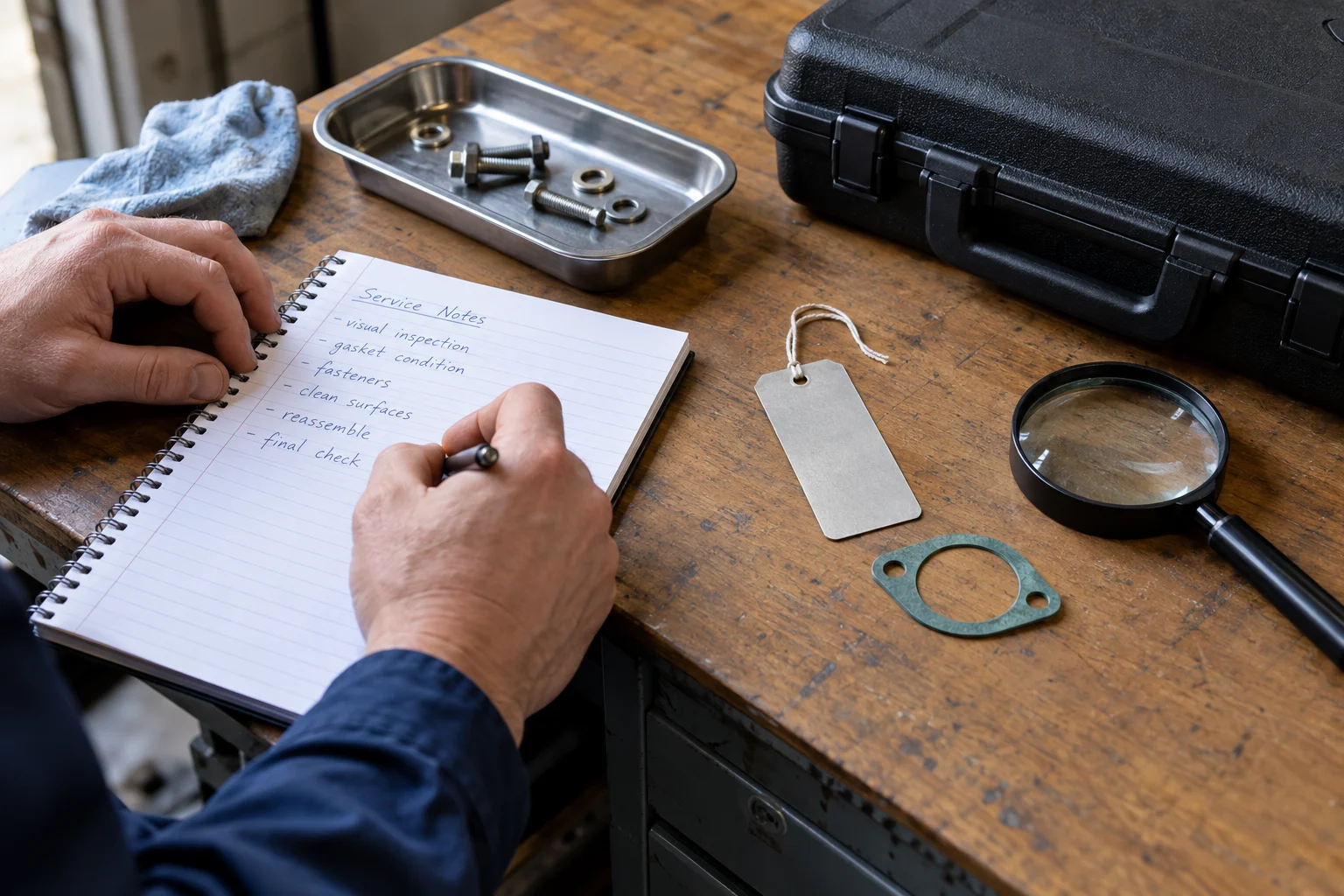
Safely Preparing the Commercial Vehicle for Service
Heavy-duty pneumatic systems store immense energy. Before servicing any compressor, qualified personnel must allow the unit to cool, isolate the engine power, chock the wheels, and completely depressurize all applicable air circuits. Attempting to loosen cylinder head bolts on a pressurized system poses severe safety hazards to workshop personnel.
Safety-critical brake air faults require immediate correction before the commercial vehicle can return to the road. Technicians must strictly follow the equipment manufacturer instructions during isolation. Never install temporary bypasses or alter safety valves to mask an underlying leak while waiting for an air compressor gasket kit to arrive.
| Safety Procedure | Execution Standard | Hazard Prevented |
|---|---|---|
| System Isolation | Chock wheels and lock out power | Accidental vehicle movement |
| Depressurization | Drain all applicable air circuits | Explosive release of components |
| Thermal Cooling | Cool and handle according to service instructions | Severe burns from coolant or metal |
Identifying the Actual Compressor Identification Tag
A compressor may have been replaced during the engine’s service life. The engine serial number can support an inquiry but does not, on its own, confirm the unit currently installed. Record the compressor manufacturer, model, assembly number and serial or revision information where provided. Use the manufacturer’s identification guidance if a tag is missing or unreadable.
The specific compressor model and assembly number dictate the exact internal sealing requirements. Without this data, procuring the correct air compressor gasket kit becomes a high-risk guessing game. Always cross-reference the physical compressor tag against current OEM parts catalogs to accommodate any supersessions or subsequent aftermarket modifications previously installed.
| Identification Source | Information Provided | Fitment Limitation |
|---|---|---|
| Engine Serial Number | Identifies original base engine | Does not confirm current compressor |
| Compressor Tag | Exact model and assembly data | Required for correct parts lookup |
| Visual Comparison | Confirms port alignment and shape | Cannot verify internal material specs |
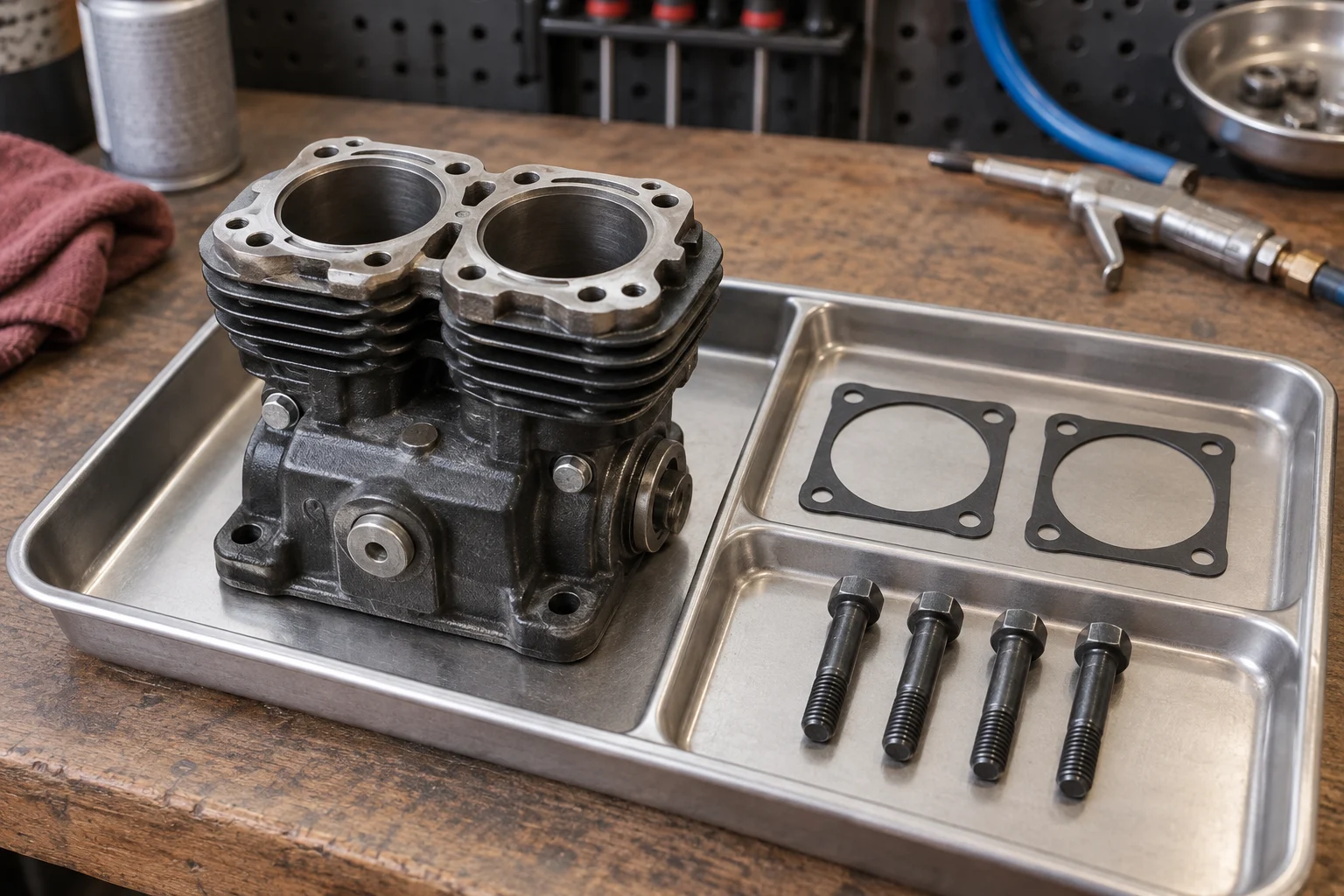
Define the Air Compressor Gasket Kit Contents
An air compressor gasket kit is a defined package, not a promise to cover every repair. Distinguish a mounting seal, head sealing package and valve or service assembly. Different suppliers may use similar names for different scopes. Compare the exact kit reference and revision with the approved repair operation before evaluating price.
Request a dated kit packing list and explicitly identify excluded parts before finalizing the purchase. An initial evidence checklist is not an automatic approval of fitment. Verify that the proposed sealing package covers the exact required interfaces, especially if the compressor utilizes complex water-cooled passages or specialized unloader seals.
| Component Category | Typical Function | Procurement Check |
|---|---|---|
| Mounting Flange Seal | Seals compressor to engine housing | Check gear drive compatibility |
| Cylinder Head Seal | Maintains compression and coolant | Verify thickness and port layout |
| Valve Service Assembly | Regulates intake and discharge air | Confirm inclusions on dated BOM |
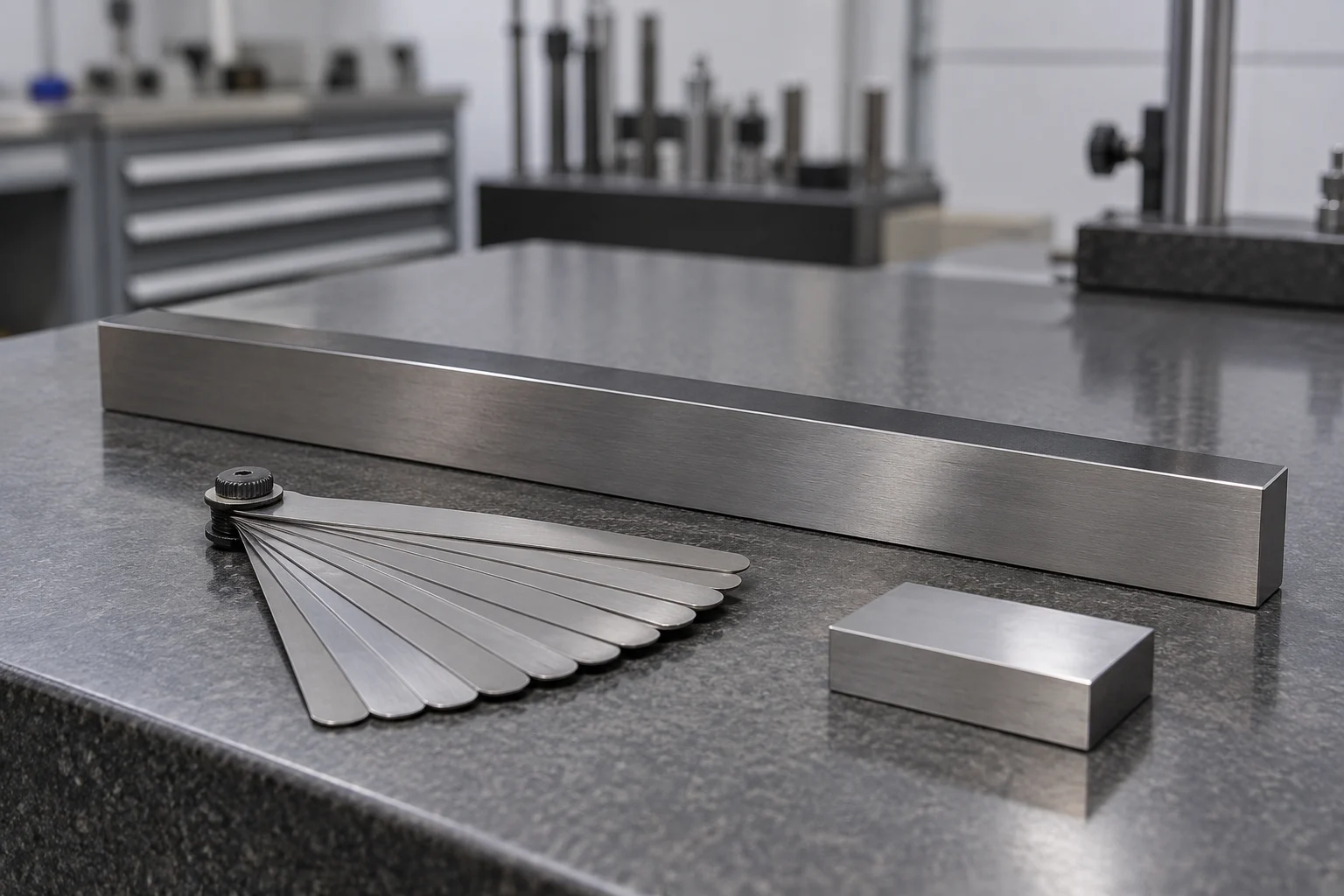
Understanding Current Model Serviceability Limits
An air compressor gasket kit cannot restore a damaged component that is outside its approved service limits. Establish whether the specific model permits the planned service operation, and inspect affected components using the prescribed methods. Some damage requires an approved component repair or replacement; other models may require replacement of the assembly.
Do not choose a rebuild from a symptom alone or machine a surface merely because it appears uneven. Compare recorded findings with current manufacturer limits and permitted repair methods. If the evidence is incomplete or the proposed work is not authorized by the applicable instructions, hold the repair decision for technical review.
| Finding | Evidence to obtain | Decision |
|---|---|---|
| Surface damage | Condition and specified measurements | Use only a permitted repair or replacement |
| Suspected cylinder wear | Required inspection and measurements | Compare with model-specific limits |
| Suspected structural defect | Prescribed inspection method | Resolve before assembly; a gasket is not a structural repair |
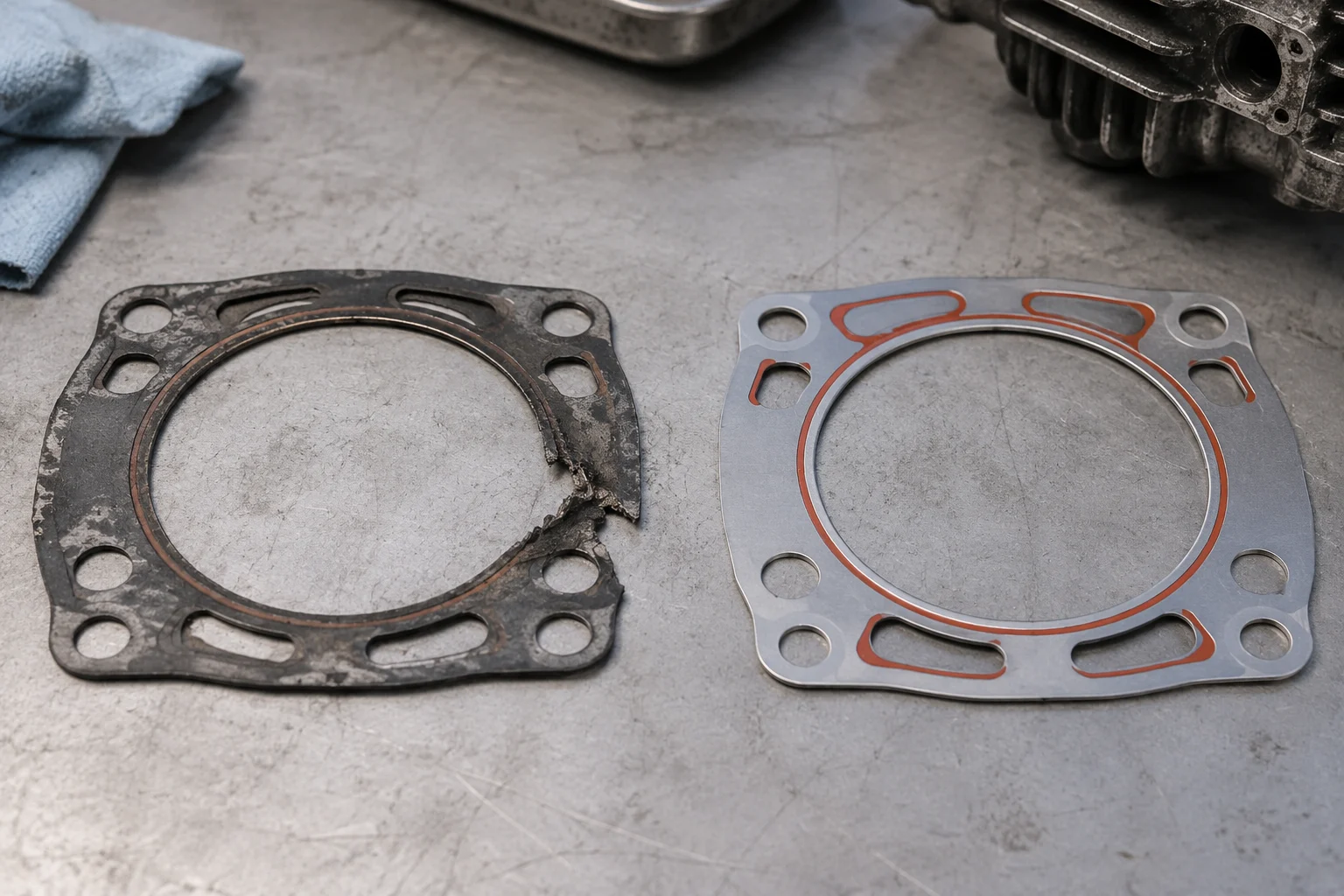
Controlled Installation and Commissioning Procedures
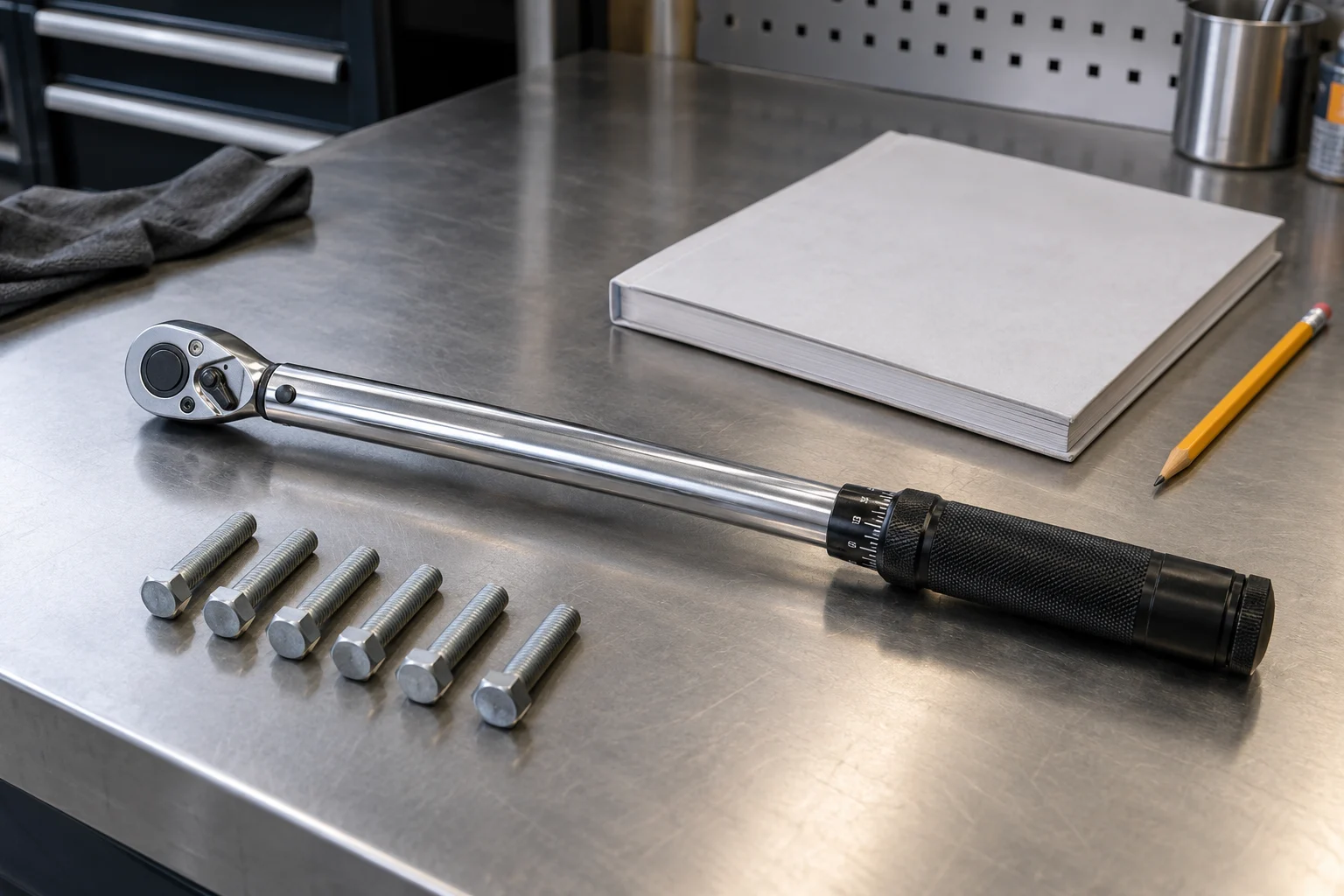
A successful repair depends on a controlled installation executed by qualified personnel. The mating surfaces must be meticulously cleaned without removing base metal. When installing the air compressor gasket kit, technicians must strictly follow the specified fastening sequence and torque procedures published in the applicable OEM service manual. The Bendix compressor and governor overview provides system context, not substitute repair specifications.
After assembly, perform the applicable commissioning and vehicle checks using the manufacturer’s procedures. Record required leak, air-build and control-operation results as specified for that system. Compressor checks alone do not approve the entire braking system. Qualified personnel must resolve safety-critical faults and complete the applicable return-to-service requirements before road use.
Compressor Repair Evidence Check
Compressor Repair Evidence Check
This is a record-completeness check, not a diagnosis or permission to return a vehicle to service.
Frequently Asked Questions
Can I order an air compressor gasket kit using only the engine serial number?
The ESN alone is not enough to confirm a replacement compressor already fitted to the engine. Obtain current compressor identification or resolve missing identification through the manufacturer’s parts and service resources.
Does oil in the air tanks always mean the compressor rings are worn?
Not always. Oil carryover has several causes, including restricted air intakes, high crankcase pressure, or excessively long duty cycles. You must evaluate the entire air system with qualified personnel before assuming internal compressor failure.
Will replacing the head gasket fix all external air leaks?
No. External air leaks can also originate from cracked cylinder heads, warped valve plates, damaged unloader assemblies, or faulty discharge lines. Technicians must assess the specific diagnostic evidence and component condition before attempting a repair.
What should I do if the compressor mating surfaces are severely damaged?
Do not rely on a gasket to compensate for damage beyond the specified limits. Follow the model-specific approved repair or replacement decision; do not assume resurfacing or a rebuild is permitted.
Make the Next Decision on Evidence
A sound air compressor gasket kit decision starts with evidence: a defined fault, verified current compressor identification, an agreed repair scope and a matching contents list. Keep diagnosis, parts selection and return-to-service approval as distinct checks. This helps prevent an attractive kit price from obscuring unresolved component damage or a safety-critical air-system fault.
Use the gasket product range for general sourcing context, then send the compressor identification, failed-part photographs and required sealing scope to discuss a specific inquiry. Confirm availability and application in writing.
Watch Bendix Tech Talk: Air Compressor Diagnosis for commercial-vehicle air-system context. This older training video supplements, but does not replace, current service data for your compressor.