
The Engineering of Engine Sealing Dynamics
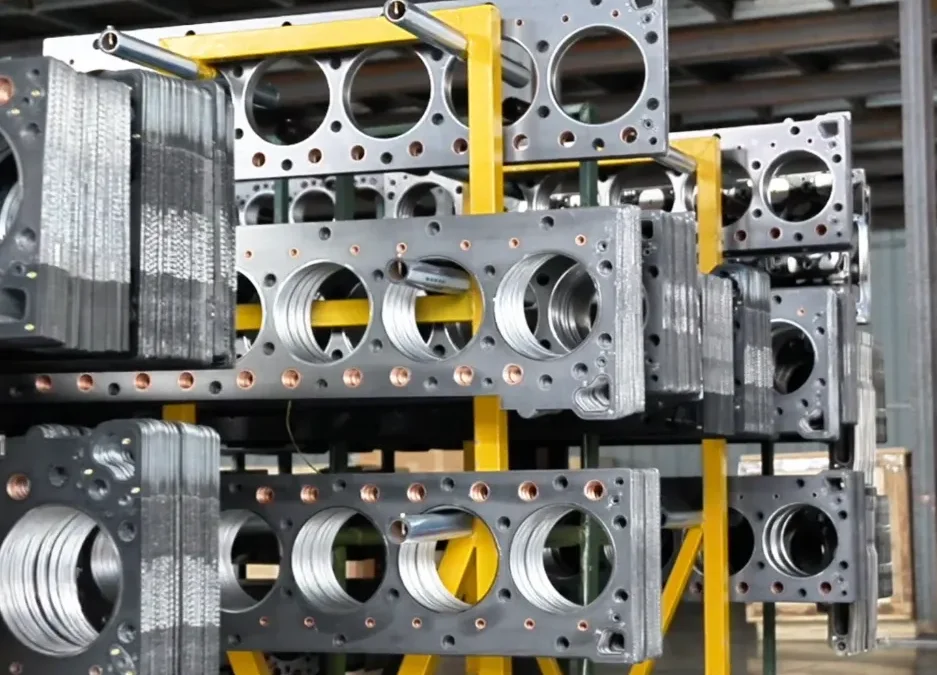
In modern high-load diesel and turbocharged engines, the automobile engine gasket is no longer just a basic rubber or composite seal—it is a highly engineered structural component. In a heavy-duty commercial diesel block, combustion chamber pressures routinely exceed 150 bar, with localized exhaust temperatures spiking to 300°C.
Industry data reveals a harsh reality: over 60% of catastrophic engine sealing failures originate from incorrect gasket material selection, particularly in high-compression platforms. Choosing the wrong material leads to cylinder head warping, coolant-to-oil cross-contamination, and massive fleet downtime.
🔗 Pillar Content Context: Understanding material science is the first step to a successful rebuild. This technical guide serves as the foundation for our core pillar resource: The Complete B2B Guide to Engine Overhaul Gasket Kits: Components & Material Tech. We highly recommend reading both to optimize your complete engine overhaul strategy.
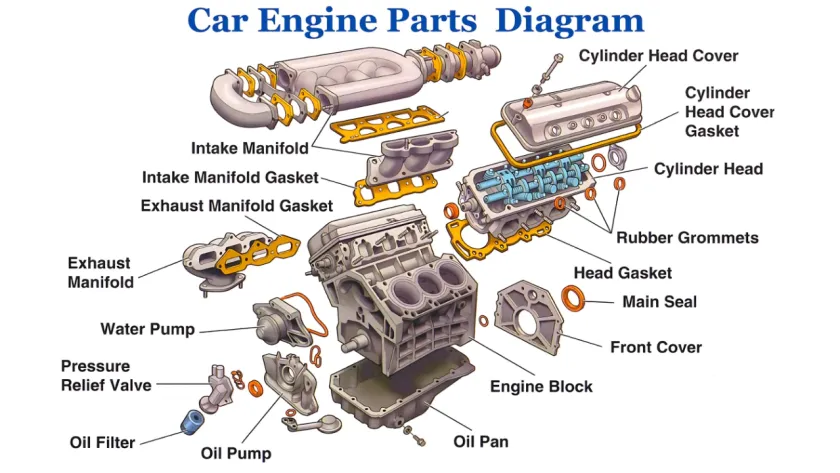
Table of Contents
Analyzing Automobile Engine Gasket Types and Materials
The selection of your automobile engine gasket dictates the lifespan of the engine rebuild. Let's bypass the basic definitions and look directly at how different materials perform under extreme industrial stress.
Multi-Layer Steel (MLS) Gaskets: The Heavy-Duty Standard
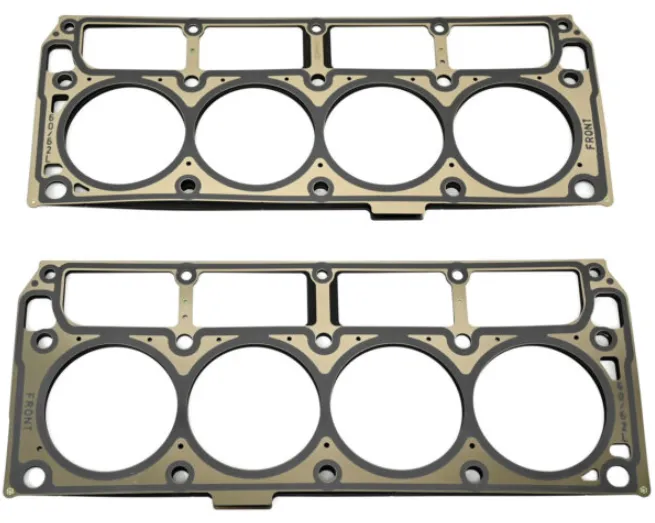
The MLS head gasket is the undisputed dominant technology in modern turbocharged gasoline and heavy-duty diesel engines. Constructed from 2 to 5 layers of hard stainless steel and coated with high-temperature FKM (fluoroelastomer), MLS provides unmatched mechanical resilience.
Hard Data on MLS Performance:
- Elastic Recovery Rate: >95% after one million compression cycles.
- Temperature Resistance: Sustained continuous operation at 300°C.
- Peak Pressure Tolerance: Engineered to withstand >200 bar combustion pressure.
The FKM elastomer coating is critical. Most machined aluminum cylinder heads possess a surface roughness (Ra) between 0.8 and 1.6 µm. The FKM micro-seals these microscopic imperfections, preventing gas blow-by.
OEM Compatibility & Real Part Data:
| Engine Platform | Displacement & Application | OEM Gasket Type | Example OEM Part No. | VPGASKET Material Tech |
| Cummins ISB | 5.9L / 6.7L (Medium-Duty) | MLS | 4932210 / 3943366 | 3-Layer Steel + FKM Coating |
| Cummins ISX15 | 15.0L (Heavy-Duty Trucks) | MLS | 4299098 / 4376104 | 4-Layer Reinforced Steel |
| Ford EcoBoost | 2.3L / 3.5L (Turbo Gasoline) | MLS | HL3Z-6051-A | Steel Layered + Micro-Seal |
| Cummins KTA19 | 19.0L (Marine / Genset) | MLS / Steel Core | 3802077 (Kit) | Extreme Heat MLS |
Graphite vs. Steel Gasket Comparison
The graphite vs steel gasket debate is highly relevant for rebuilding older generation engines or operating in cost-sensitive markets.
Graphite gaskets excel in conformability. If an engine block has pitting or a rough surface finish (Ra up to 3.2 µm) that cannot be perfectly machined, graphite fills the gaps effectively. It can also withstand short-term temperature spikes up to 450°C.
However, graphite suffers from "compression set"—meaning it permanently flattens over time and loses its rebound, making it highly unsuitable for modern turbocharged engines with high cylinder lift forces.
Material Comparison Matrix:
| Performance Metric | MLS (Multi-Layer Steel) | Graphite / Composite |
| Peak Pressure Resistance | Very High (>200 bar) | Medium (<120 bar) |
| Surface Adaptability | Low (Requires Ra 0.8–1.6 µm) | High (Forgives up to Ra 3.2 µm) |
| Torque Retention | Excellent (Minimal decay) | Poor (Requires re-torquing) |
| Ideal Application | Modern Turbo Diesels (ISX, QSK) | Older Naturally Aspirated (6BT) |
Managing Thermal Expansion in Engine Blocks
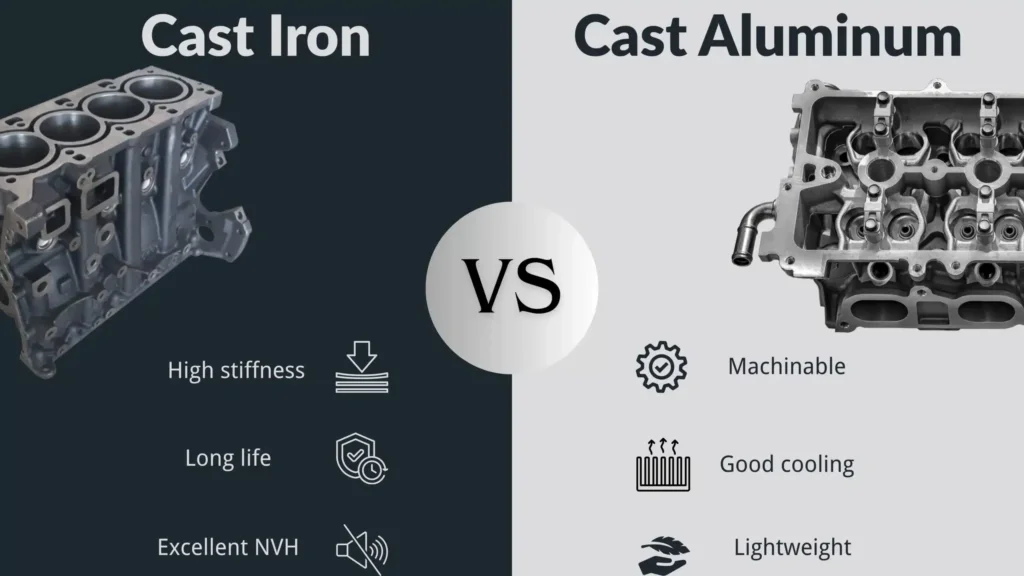
One of the most overlooked causes of automobile engine gasket failure is bi-metal thermal expansion.
Consider a heavy-duty engine with a cast-iron block and an aluminum cylinder head. Aluminum expands at roughly 22 µm/m·°C, while cast iron expands at only 11 µm/m·°C. As the engine heats up, the aluminum head literally "slides" across the iron block.
The Lab Data: In a 1,000-hour thermal shock laboratory test cycling coolant temperatures from -20°C to 120°C, standard composite gaskets suffered a 40% torque decay due to the shearing stress of this expansion mismatch. In contrast, VPGASKET's FKM-coated MLS gaskets allowed micro-movement between their internal steel layers, retaining 96% of their initial clamping force.
This ability to absorb horizontal shear stress without breaking the vertical seal is exactly why MLS has become the mandatory standard.
Advanced Elastomer Technology: Beyond the Steel Core
While the metallic core of an automobile engine gasket provides the necessary structural rigidity and peak pressure resistance, the actual micro-sealing is entirely dependent on the microscopic elastomer coating applied to the outer steel layers. In the heavy-duty sector, the engineering debate between utilizing standard NBR (Nitrile Butadiene Rubber) versus advanced FKM (Fluoroelastomer) is a critical factor in determining long-term engine survival.
Many aftermarket suppliers attempt to cut production costs by applying basic NBR coatings to their steel gaskets. While NBR is adequate for older, low-stress, naturally aspirated engines, it is highly vulnerable to the harsh chemistry of modern turbocharged diesel platforms. NBR has a thermal ceiling of approximately 120°C. When exposed to modern synthetic oils, aggressive coolant anti-freeze additives, and highly acidic soot from Exhaust Gas Recirculation (EGR) systems, NBR experiences rapid chemical degradation. The material undergoes "volume swell" before ultimately vulcanizing, hardening, and cracking under thermal cycling.
In stark contrast, premium automobile engine gasket solutions engineered for commercial fleets mandate the exclusive use of FKM.
The FKM Engineering Advantage:
- Extreme Thermal Stability: FKM maintains its flexible elastomeric properties at continuous operating temperatures up to 250°C, easily withstanding severe localized heat spikes generated around exhaust valves and turbocharger oil feed lines.
- Superior Chemical Resistance: Unlike NBR, FKM is virtually impervious to the acidic byproducts of heavy diesel combustion and the aggressive friction-modifying detergents found in modern synthetic heavy-duty engine oils.
- Zero Compression Set Retention: FKM exhibits strong resistance to flattening under constant clamping loads. This ensures that the critical micro-seal against the machined aluminum cylinder head remains intact for tens of thousands of operating hours.
For fleet procurement directors, upgrading from NBR-coated gaskets to FKM-coated MLS solutions transforms a high-risk maintenance vulnerability into a lifetime seal. This precise material upgrade is a primary reason why VPGASKET components consistently outlast standard aftermarket alternatives in brutal applications like open-pit mining and long-haul logistics.
What the Industry Experts Say
"A premium automobile engine gasket is not a static seal; it is a dynamic suspension system for the cylinder head. It must absorb massive thermal shear stress while maintaining structural integrity. Using outdated materials on a modern high-pressure block is guaranteeing an early breakdown."
– Senior Mechanical Engineer Dr. Michael Anders
"In the heavy-duty sector, high-temperature sealing solutions like MLS with FKM coating are no longer optional upgrades—they are baseline requirements. Field data shows MLS adoption has displaced composite materials by over 70% in commercial OEM rebuilds since 2015."
– Materials Science Specialist Lisa Chen
80%
of premature gasket failures are not caused by the gasket material, but by improper surface preparation.
If you read our recent breakdown on [Valve Cover Gasket Replacement Costs], you know that labor is the most expensive part of engine sealing. Do not waste a $800 labor job by ignoring these specifications:
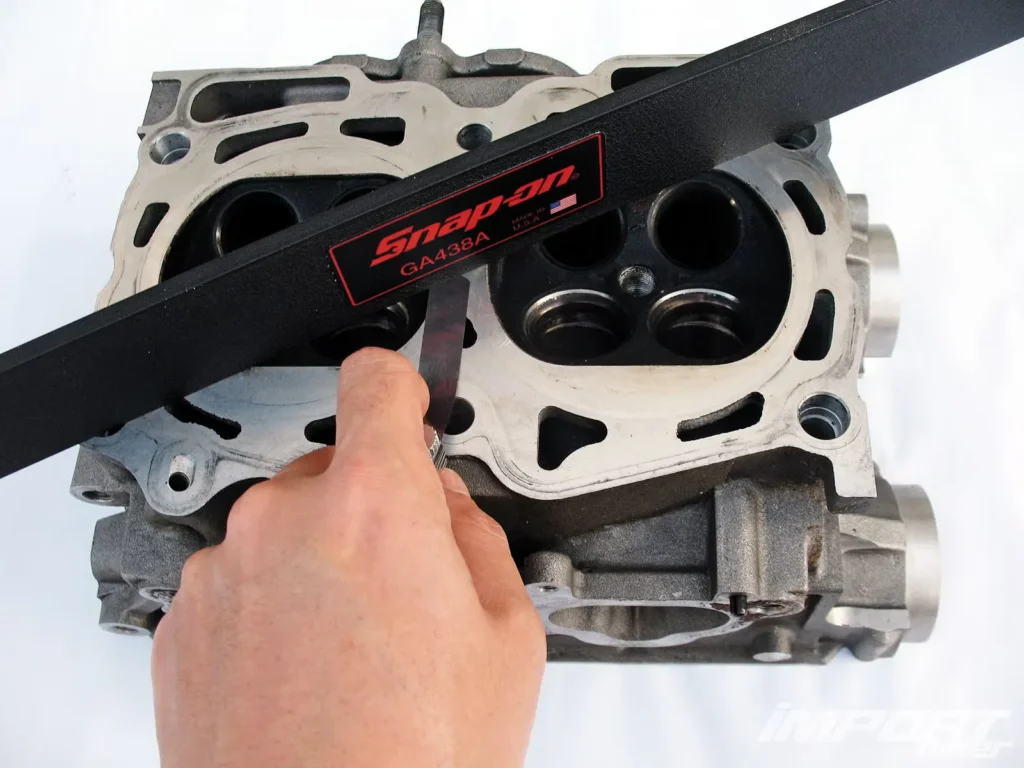
- Surface Roughness: MLS requires a mirror-like Ra of 0.8–1.6 µm.
- Torque Accuracy: Must be within ±5% tolerance using a calibrated digital wrench.
Critical Warning
The Single-Use Rule: Never reuse a crushed metal automobile engine gasket. During the initial factory torque sequence, the embossed ridges on an MLS gasket are permanently crushed to create the micro-seal. Once the yield point is exceeded, the steel permanently loses its elasticity.
Why Choose VP GASKET for Your Fleet or Wholesale Network?
For global parts distributors and commercial fleet operators, your choice of an automobile engine gasket supplier directly dictates your operational uptime and profit margins.
Real-World Fleet Case Study: Minimizing Downtime
A major cross-border logistics fleet operating 50 Cummins ISX15 trucks in the Middle East was experiencing frequent head gasket blowouts due to extreme ambient desert heat and heavy cargo loads. They were using generic aftermarket graphite-blend gaskets that suffered severe compression set.
Upon consulting with our engineering team, the fleet upgraded to VPGASKET’s OEM-equivalent 4-Layer MLS Head Gaskets. The Result: The fleet reduced gasket-related downtime by 30%, eliminated coolant-to-oil cross-contamination, and safely extended their heavy-maintenance intervals by over 150,000 miles.
Related Products
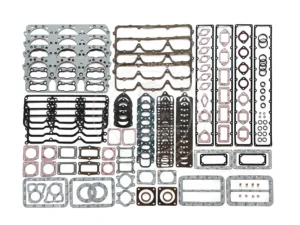
The VPGASKET Manufacturing Advantage
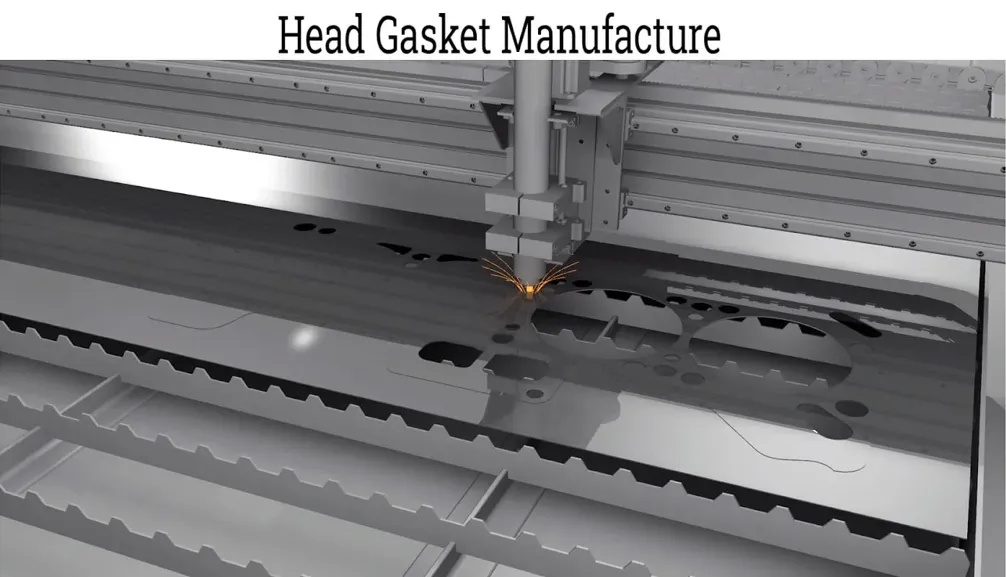
- Precision Stamping: CNC-controlled stamping tolerances to ±0.02 mm, ensuring perfect alignment with coolant and oil galleries.
- Automated FKM Coating: Proprietary bonding lines guarantee uniform elastomer thickness, eliminating the weak points found in hand-sprayed aftermarket gaskets.
- Global Support: From full OEM cross-reference catalogs to fast international shipping for bulk distributor orders.
Contact Our Technical Sales Team
Are you ready to stop repairing leaks and start engineering permanent seals? Our team is ready to support your B2B supply chain.
Upgrade your inventory with high-performance automobile engine gasket products designed for absolute precision and durability.
FAQ
How do I choose between an MLS head gasket and a graphite gasket?
An MLS head gasket is mandatory for modern, high-pressure, turbocharged engines (like Cummins ISX or Ford EcoBoost). Graphite is highly conformable and is better suited for older, naturally aspirated engines with rougher block surfaces where machining to an Ra of 1.6 µm is impossible.
Which heavy-duty engines are compatible with VPGASKET MLS technology?
Our MLS automobile engine gasket lines are engineered to OEM specs for top-tier platforms, including the Cummins ISB, ISL, ISX, and QSK series, as well as commercial Volvo and Caterpillar platforms.
Can an automobile engine gasket be reused if it looks undamaged?
Absolutely not. The metal ridges inside an MLS gasket are designed to crush and deform permanently under the torque yield. Reusing it guarantees an immediate loss of compression and fluid leaks.
What causes the majority of automobile engine gasket failures?
Field data proves that 80% of failures stem from improper installation—specifically, failing to clean and machine the block surface to the correct roughness (Ra), or failing to follow the OEM torque sequence, which leads to uneven clamping force.
How does thermal expansion destroy cheap gaskets?
Aluminum cylinder heads expand twice as fast as cast-iron engine blocks. This creates aggressive horizontal shear stress. Cheap composite gaskets tear under this stress, while premium MLS gaskets allow micro-slip between their layers, preserving the vertical seal.