
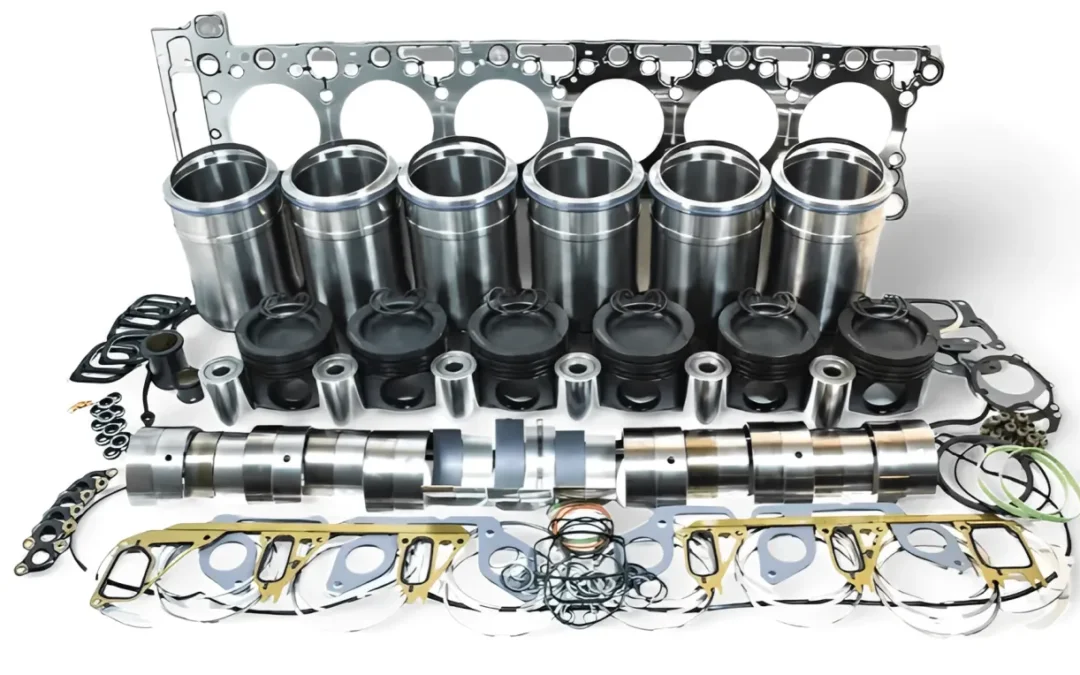
Select an engine overhaul gasket kit by engine identification and repair scope. This guide explains how to compare upper, lower and ancillary sealing requirements, check materials and prepare an itemized order.
Define the repair boundary before choosing a kit
An engine overhaul gasket kit contains sealing components for a defined repair scope. It is not automatically a mechanical rebuild package containing pistons, liners, bearings or pumps. Upper, lower and full-set labels vary between catalogues, so use an itemized packing list rather than the kit name to establish what will arrive.
Match the engine and part revision
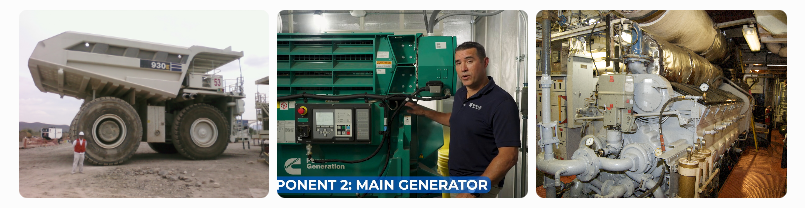
Send the engine serial number, model, CPL where applicable, equipment application and existing part numbers. Check supersessions and component revisions against the applicable parts information. Displacement, vehicle brand or emissions level alone is not enough to confirm fitment. Do not assume two similar kit references have the same contents.
Upper-engine sealing components
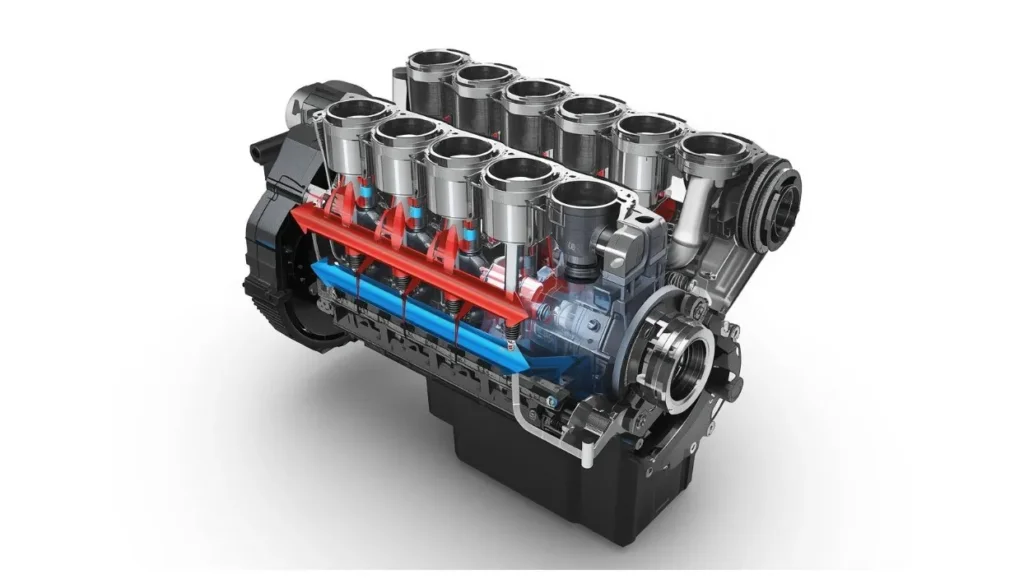
Depending on the engine and kit reference, the repair may require the head gasket, valve cover gasket, manifold gaskets, valve stem seals and other upper-engine seals. Confirm each item and quantity. A head gasket can be supplied separately from an upper set; its construction and thickness must follow the exact engine application and service procedure.
Lower-engine sealing components
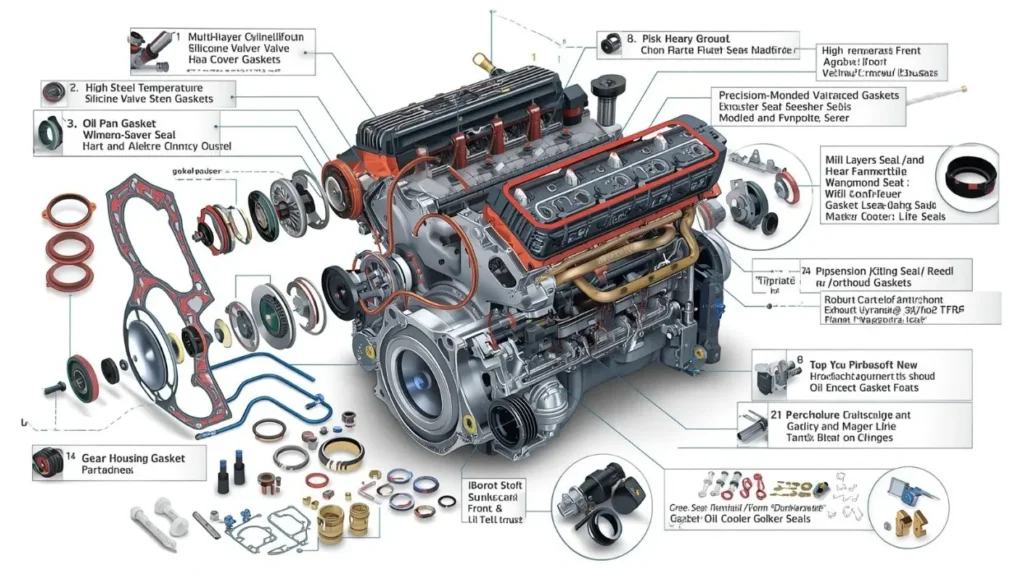
Oil pan, gear housing and crankshaft sealing work requires a separate scope check. Front and rear crankshaft seals, installation sleeves and sealants may be included or sold separately. Confirm the supplied seal design and its installation instructions; different seal materials can require different handling.
Ancillary systems need separate confirmation
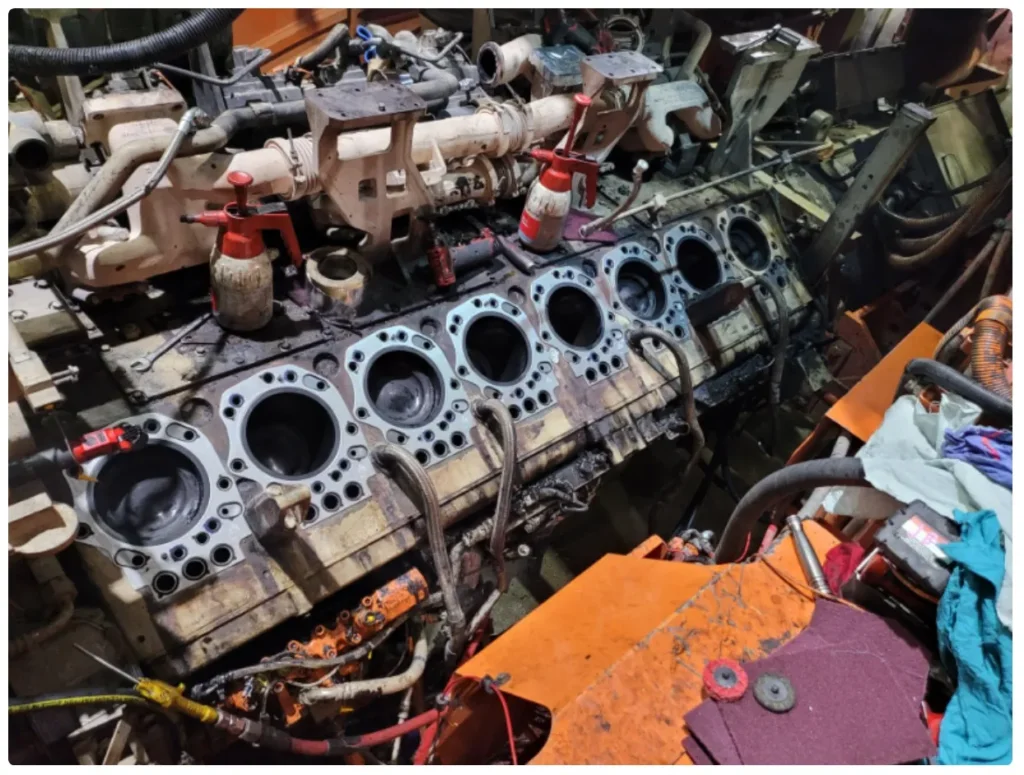
Turbocharger, air compressor, oil cooler, aftercooler, water pump and thermostat seals are not automatically part of a full engine gasket set. Identify each component and part reference. For example, the 5580010 ISZ air compressor gasket set and 6380741 ISZ upper gasket kit address different repair scopes and must not be treated as substitutes.
Select materials by the application specification
MLS, graphite composites, elastomers and PTFE serve different joint designs. A material name alone does not establish suitability. Verify dimensions, coating, fluid compatibility, temperature range and clamping requirements against the component specification. Do not apply a universal surface-roughness or machining limit across engines. See the gasket materials guide for selection questions.
Build a comparable quotation
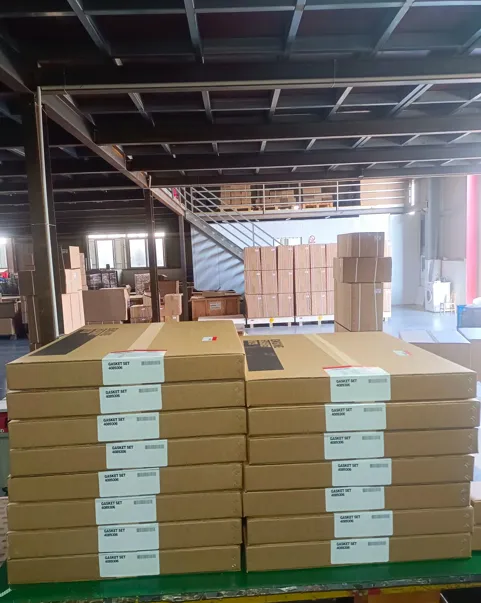
Ask each supplier to quote the same references, revision, quantities and packing list. Confirm which seals, fasteners, sleeves and installation materials are excluded. Compare delivered cost, inspection documents, traceability, lead time and written warranty terms. Availability, dispatch dates and custom development schedules should be confirmed for the order.
Check packaging and receiving condition
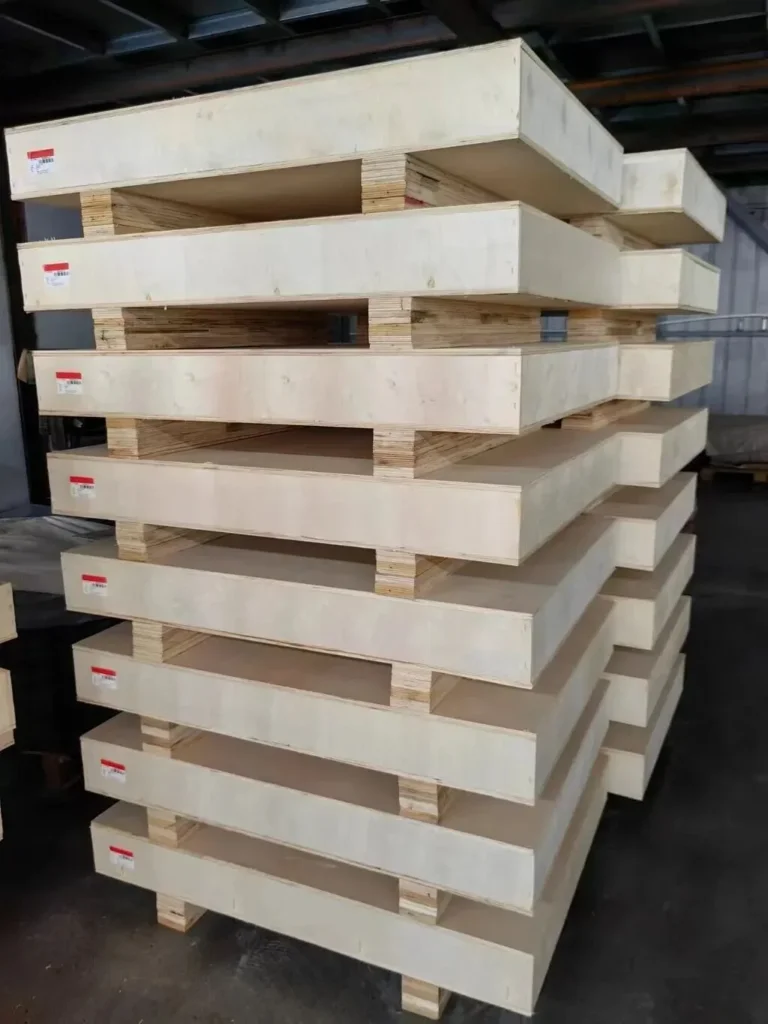
Keep large gaskets flat and supported, protect coatings and sealing lips, and maintain identification by kit and batch. On arrival, compare the order, label and packing list; inspect for damage and quarantine discrepancies before assembly. Use the nine receiving checks to organize the handover.
Examples of distinct kit scopes
The 4955356 ISF 2.8 upper set, 4955824 QSK50 lower kit, 5406188 ISX15 lower kit and 4089316 QSK45 lower kit are separate application references. Verify the exact engine and current packing list on each enquiry.
Request a matched kit
Send your engine identification, part references, required repair scope and quantity through the VPGASKET contact page. For a 12-valve rebuild, also review the 6BT rebuild selection checks. For an ISB lower-engine enquiry, see the 3800487 product page.