
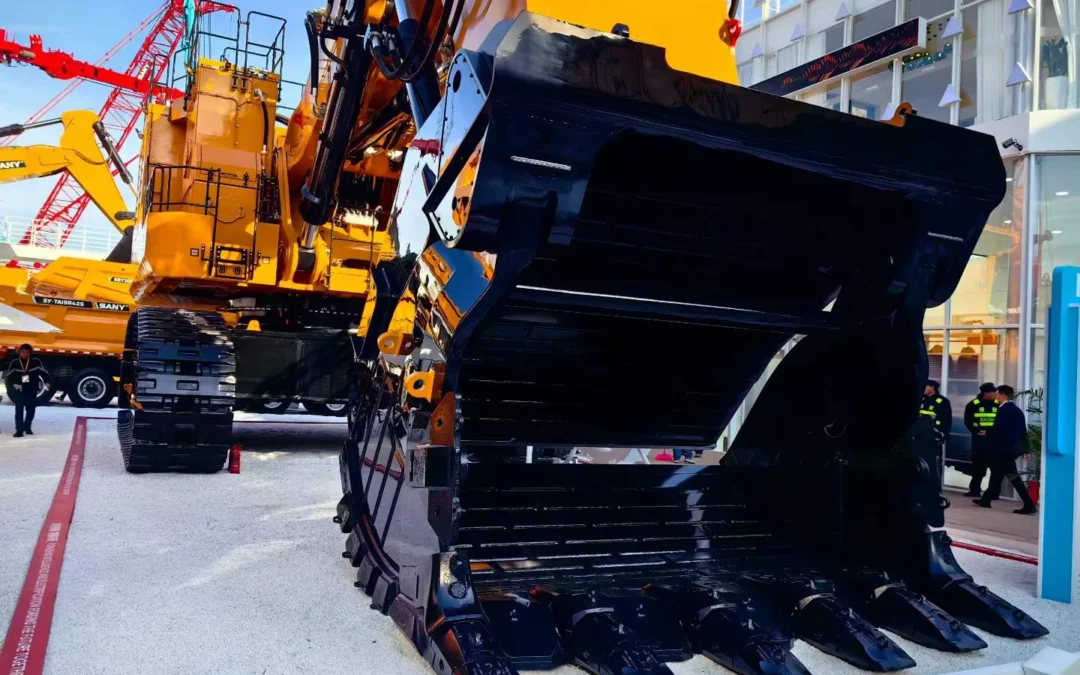
Shanghai, 24 November 2026 — In the opening photograph of our bauma CHINA field notes, the teeth of an excavator bucket stretch almost across the frame. In another, two visitors beside a yellow SANY haul truck barely reach the tops of its tires. Both photographs capture the scale of bauma CHINA. Neither tells a parts buyer what engine gasket to order.
That distinction matters when a workshop sends a picture of a machine and asks, “Can you quote the repair kit?” The official bauma CHINA website is a useful starting point for show information. Back in the workshop, a different record matters: a photograph that ties the part to the machine being repaired.
Contents
bauma CHINA field notes: two haul trucks, two separate records
| Visible detail | What still needs checking |
|---|---|
| SANY lettering above the cab | Engine fitted to the customer’s truck |
| XCMG marking on the green body | Machine serial and fleet record |
| XC9750 on the machine behind the blade | Which machine the workshop is servicing |
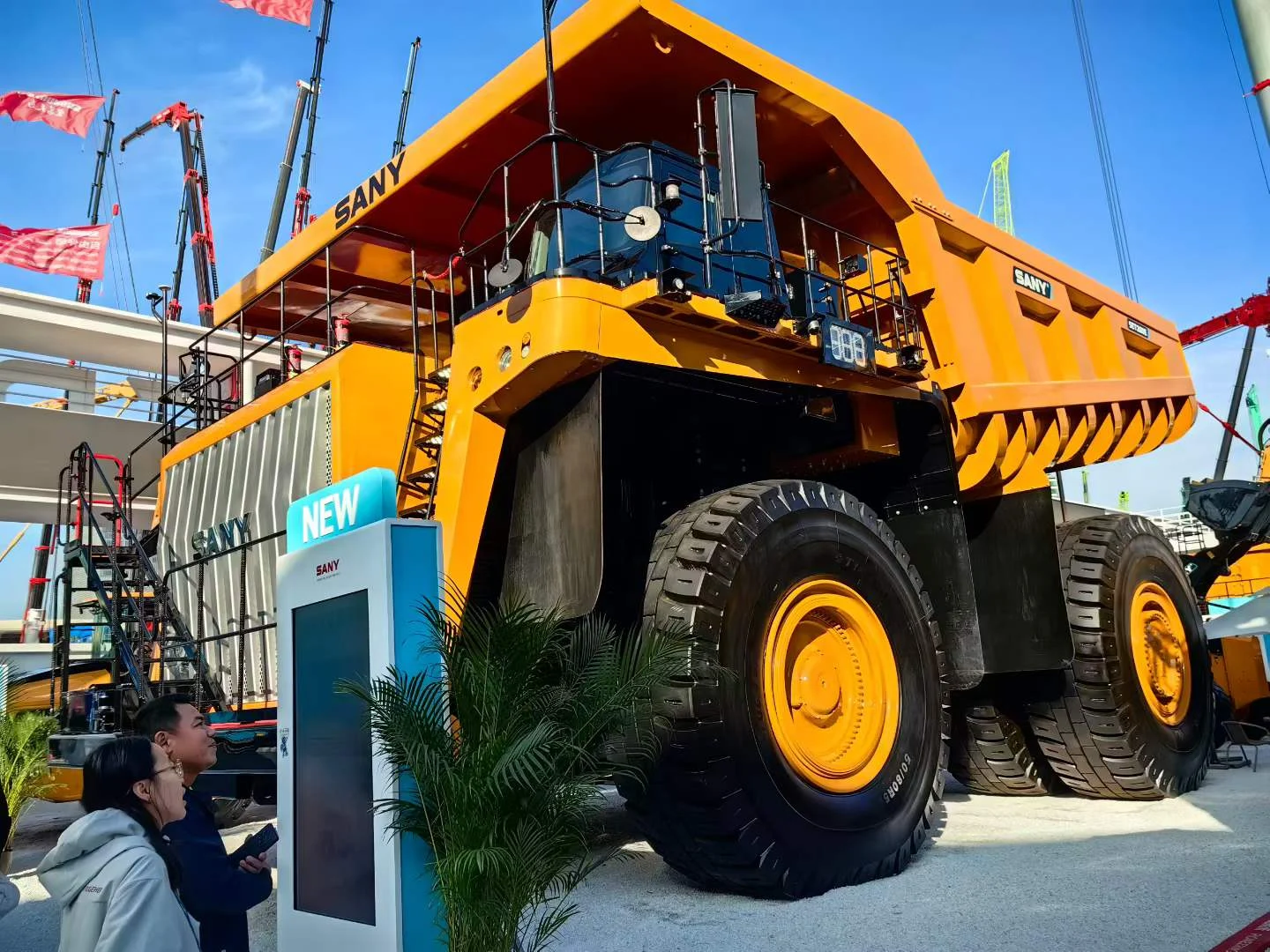
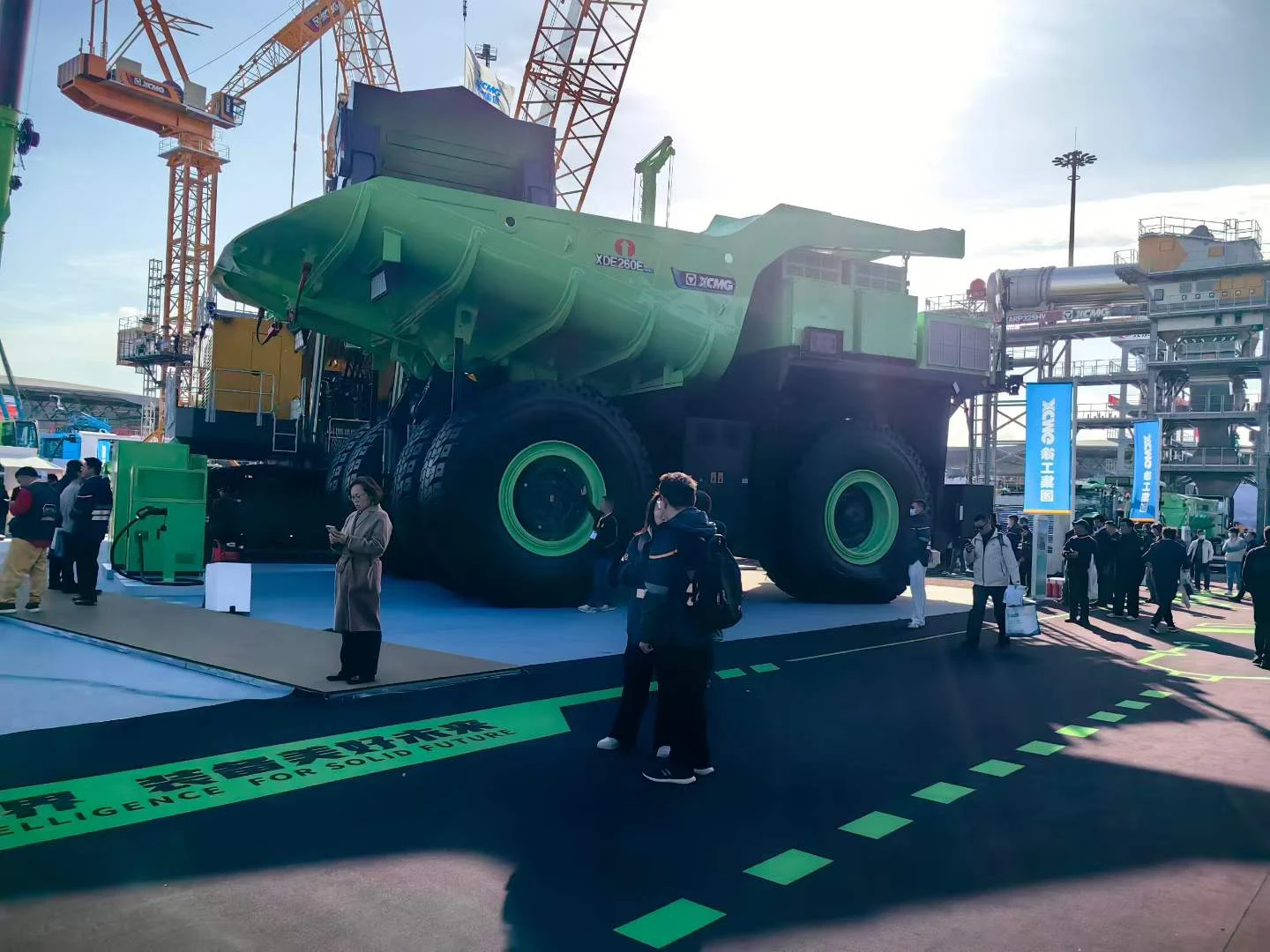
On the yellow truck, SANY is easy to read above the cab. Across the exhibition, the green haul truck carries XCMG lettering on its body. A wide shot is useful for telling those two visits apart when the images reach a colleague’s inbox. It is less useful for identifying the equipment back at the job site. Save the exhibition image as a reference, not as the identification photo for a customer’s machine.
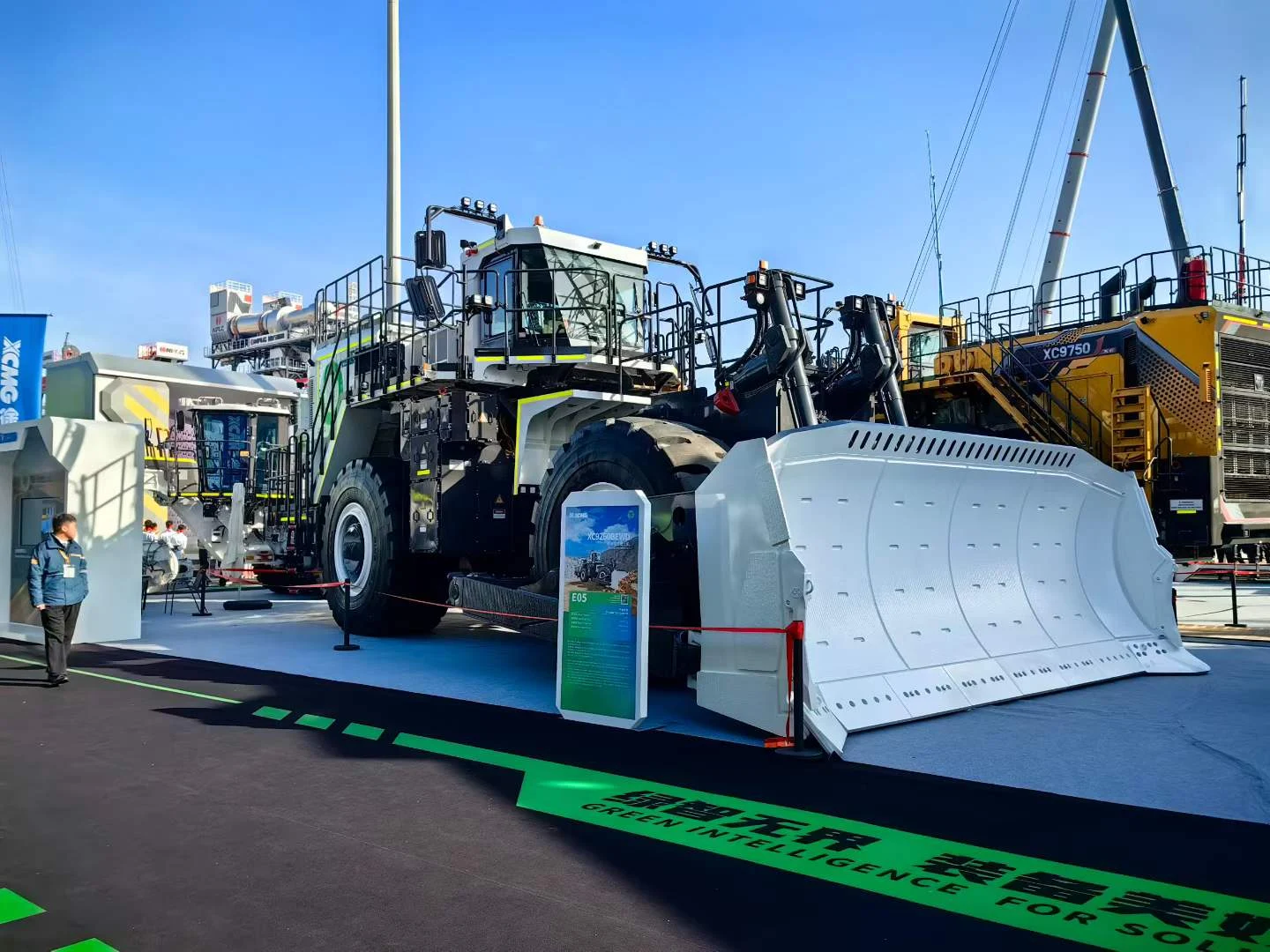
The broad white blade in another photograph makes the same point. It dominates the foreground; the yellow machine carrying the XC9750 marking is behind it. Cropping the picture carelessly could attach a perfectly legible number to the wrong machine.
bauma CHINA field notes from the engine stands: look for a second label
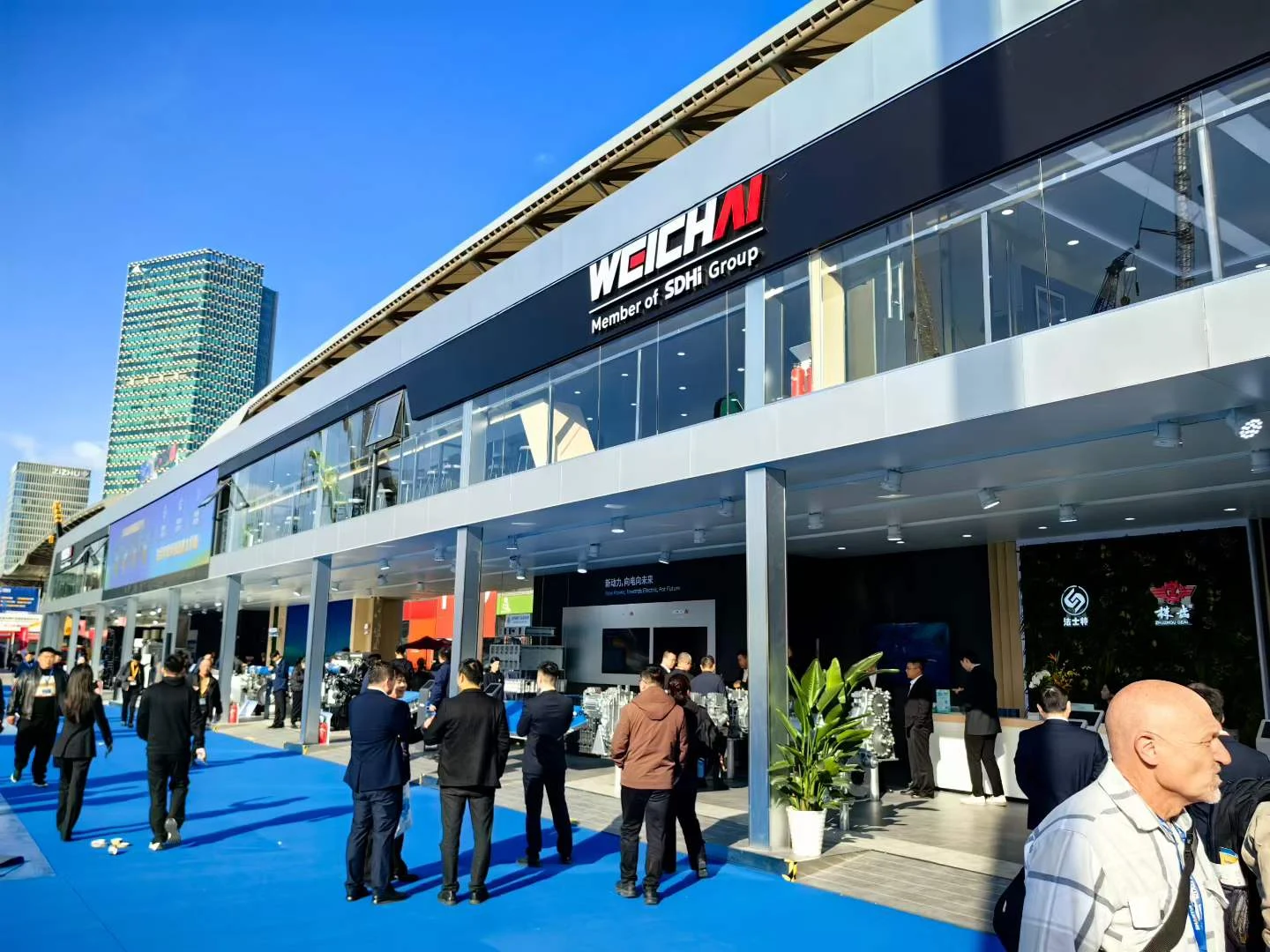
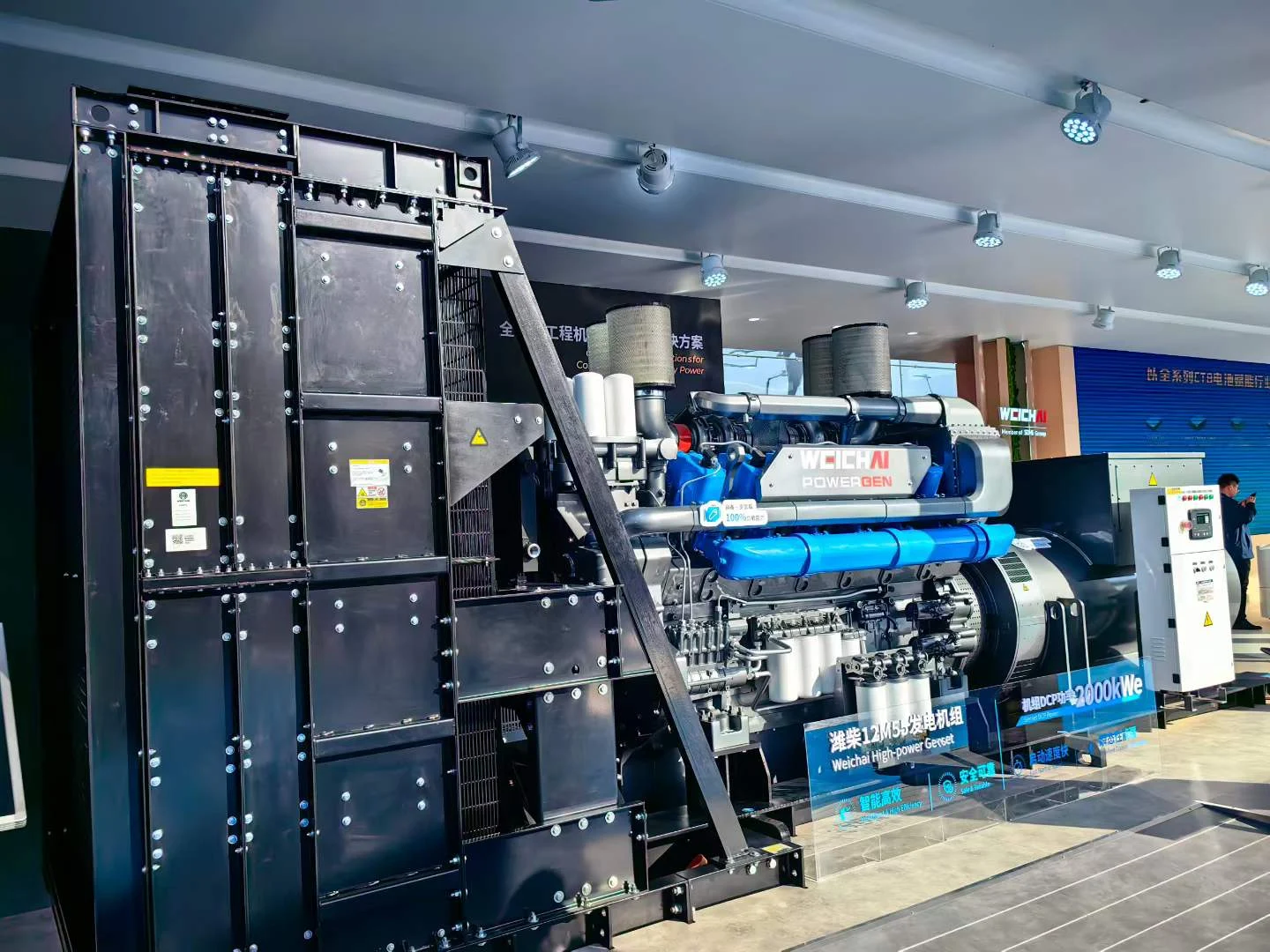
At the Weichai pavilion, the overhead sign identifies the exhibitor. Inside, the blue POWERGEN display is a more useful photograph for someone interested in generator sets: the engine, radiator and control cabinet are visible together. But the name on the generating set and the serial number on its engine answer different questions. Ask the site technician for both, with each photo labelled so the two records stay together.
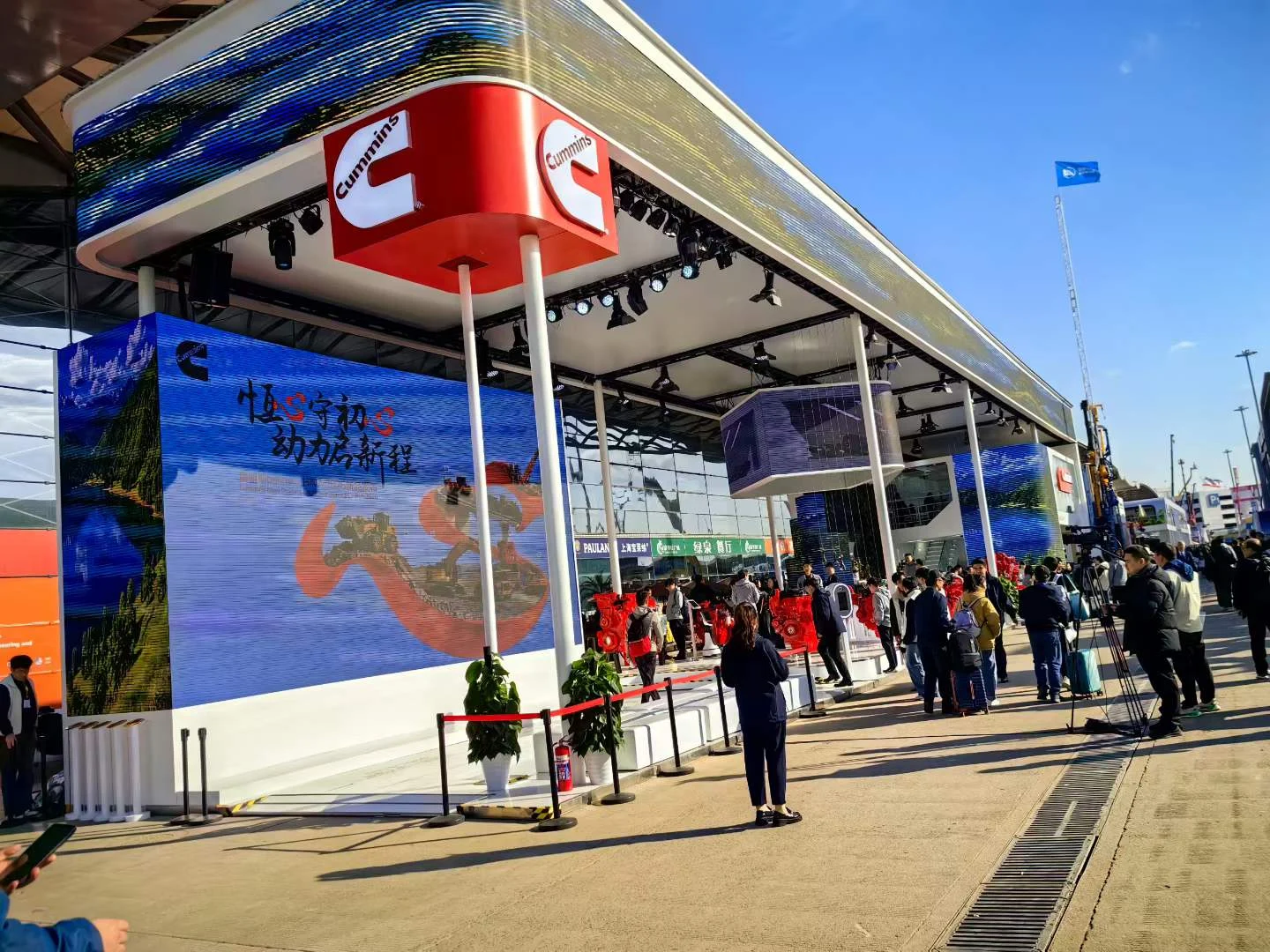
The red Cummins sign is similarly easy to recognize from the aisle. It identifies the stand, not the engine in a customer’s excavator. For a Cummins inquiry, our engine serial number and CPL identification guide explains which details are worth recording before comparing references.
Not every power display leads to an engine gasket
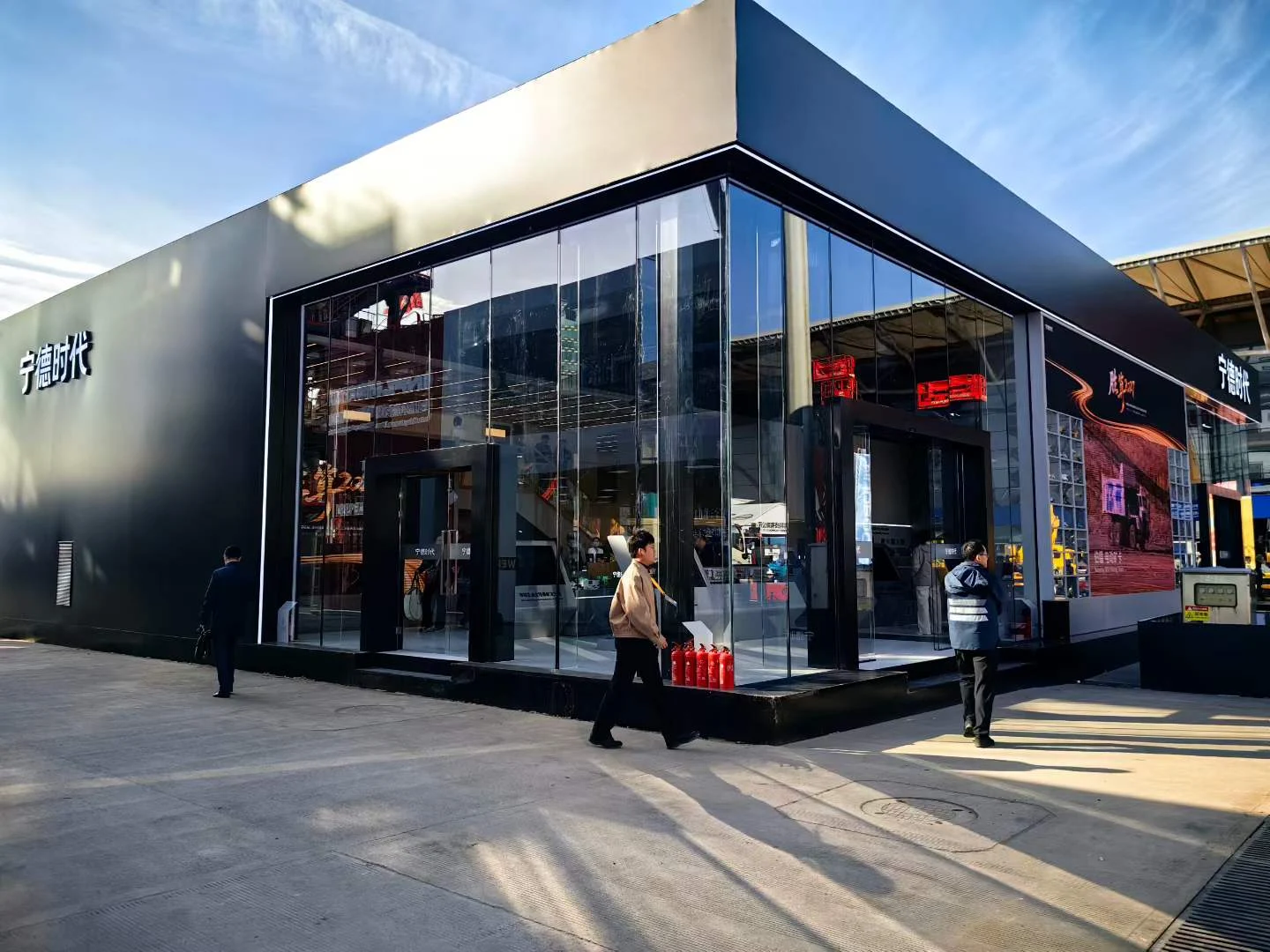
Our bauma CHINA field notes end at the glass-fronted CATL pavilion, where the question shifts from “which engine?” to “which assembly?” If a customer uses the broad description “power unit,” first ask which assembly is being serviced. A battery enclosure, a cooling connection and a cylinder head are three different inquiries. A familiar machine silhouette is no substitute for that distinction.
How to photograph a plate someone else can actually read
| Photograph | What to keep in frame |
|---|---|
| Plate in position | Mounting location and surrounding assembly |
| Plate close-up | All lines, separators and suffixes |
| Second angle | Characters obscured by glare in the first view |
A nameplate photograph has two jobs: it must be readable, and the person reading it must know where it came from. Take a view that shows the plate in position before taking the close-up. If the plate is on a generator frame, call it the generator plate. If it is on the engine, label it accordingly. A clear picture of the wrong plate is often harder to catch than a blurred picture of the right one.
Review the image at full size before leaving the machine. Can a colleague distinguish a zero from the letter O? Is the first character cut off by the edge of the frame? If light is reflecting off the plate, take a second photograph from a slightly different angle. Keep the original file as well as any cropped copy. A tightly cropped image may be easier to read in an email, but its surroundings can help resolve a later question about which component it identifies.
When transcribing a reference, preserve its separators and any suffix. Put a question mark beside an uncertain character rather than silently choosing the closest-looking digit. If the plate is missing, say so and ask which alternative record the supplier can check. A service invoice may offer a lead, but first establish whether it belongs to this engine or to an earlier engine installed in the same machine.
What will the workshop actually open?
| Workshop decision | How to request it |
|---|---|
| Joint will be opened | Include the required seal in the base quotation |
| Joint may be opened | Price separately as an option |
| Assembly stays intact | Exclude unless a specific need is identified |
Back at the workshop, the bauma CHINA field notes lead to a question the photos cannot answer. The most useful question after identification is not “Do you have a full kit?” It is “Which joints will the technician disturb on this job?” Imagine a workshop that plans to remove a cylinder head but leave the oil pan in place. The buyer needs to know which seals are needed for the head work and which connections will be opened for access. A package described as complete may still leave that second question unanswered.
Ask the technician to divide the work into three groups: joints that will definitely be opened, joints that may need to be opened after inspection, and assemblies that will remain untouched. Put the first group in the main inquiry. List the second group as separately priced options. Leave the third group out unless the supplier identifies a specific reason to consider it. This makes it easier to change the order if the repair expands without treating every optional item as mandatory.
For a distributor collecting requests from several branches, keep the machine identifier beside each repair description. Two branches asking for a head set may be describing different jobs on different engines. Combine quantities only after the reference, contents and customer requirements have been checked. Otherwise a seemingly efficient bulk order can hide a difference that matters when the workshop opens the box.
Read the quotation as a parts list, not a package name
| Quotation field | Buyer’s check |
|---|---|
| Item and reference | Match each line to the agreed repair |
| Unit and quantity | Convert packs or pairs into pieces |
| Alternative reference | Keep pending until the supplier documents the match |
Suppose one offer lists a head gasket and several named seals while another gives a single line for an upper set. The second offer is not necessarily incomplete, and the first is not necessarily the better buy. What is missing is a common basis for comparison. Ask for the reference and quantity of each required item, or a contents sheet tied to the exact kit being offered. A photograph of an open box can help identify a question but cannot settle the count.
Watch the unit of sale. A price beside a seal may mean one piece, one pair or one pack. Write down how many individual pieces the job needs and how many the quoted package supplies. When two packages overlap, identify the duplicated items before adding another set. The useful total is the price of covering the agreed repair, including any separately required parts, not simply the price printed next to the largest box.
If the supplier proposes an alternative number, keep both references on the inquiry. Ask what supports the substitution for the identified engine and whether the contents change. Record an unresolved alternative as pending instead of copying it into the approved column. That small distinction lets the next buyer pick up the file without mistaking a suggestion for a confirmed match.
A practical handoff from the show floor to the receiving bench
| At the bench | Record for the workshop |
|---|---|
| Read the package label | Reference and order line |
| Count the delivered pieces | Expected versus received quantity |
| Isolate a discrepancy | Photo and description of the affected line |
The lesson of the bauma CHINA field notes carries over to receiving: a photo needs a label and a purpose. Before opening a delivery, photograph the package label with the order line visible beside it. Compare the supplied reference and package count with the accepted quotation. A familiar logo or a box that looks like the one in a catalog is not a substitute for checking those two details.
If the label agrees but a listed component appears to be missing, retain the packaging and check whether smaller pieces are packed together. Document the difference against one specific line of the contents sheet. For example, report the item description, the quantity expected and the quantity found, with a photograph that shows the group being counted. This gives the supplier a precise discrepancy to investigate and avoids confusing a packing question with a fitment question.
Finally, send the workshop the same approved list that purchasing used. Mark any optional parts that were not ordered and any open question that still needs an answer. The technician should not have to reconstruct an email negotiation to discover why a seal is absent. Keep the engine identification, agreed repair scope and receiving record together so a future repeat order starts from evidence rather than a similar-looking photograph.
Turn the workshop’s next photo into a useful inquiry
One practical lesson from these bauma CHINA field notes is to keep each machine’s photos together. If two trucks are in the shop, start each sequence with the fleet number before moving in for a close-up. That way, a clear engine plate from truck A does not accidentally become the basis for ordering parts for truck B.
Ask for one wide photo of the actual machine, one readable engine plate and one view showing where the removed seal belongs. Add the old part reference if it is legible, the quantity needed and a short note about what the technician plans to open. Keep anything uncertain labelled as such; an unreadable digit is easier to resolve than a confidently transcribed wrong one.
For an engine sealing job, send those details to VPGASKET and ask for an itemized gasket kit proposal against the engine and repair scope. That gives your workshop a list it can check before placing the order.