
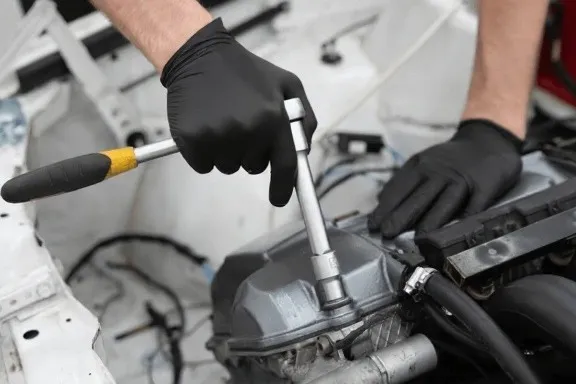
In the realm of continuous-duty industrial power, the "run-to-failure" mindset is a recipe for disaster. The valve pan gasket (frequently referred to as the rocker cover or valve cover gasket in heavy-duty applications) serves as the primary shield at the top of your engine block.
While amateur mechanics might view an oil seep as a minor annoyance, in megawatt-class power generation or ultra-class mining operations, a degraded valve pan gasket leads to oil starvation, electrical harness fouling, and catastrophic thermal events. This comprehensive guide breaks down the material science of valve pan gaskets, provides exact OEM compatibility data for top-tier diesel engines, and explains why sourcing factory-direct is the only way to ensure 100% operational uptime.
Table of Contents
What is a Valve Pan Gasket?
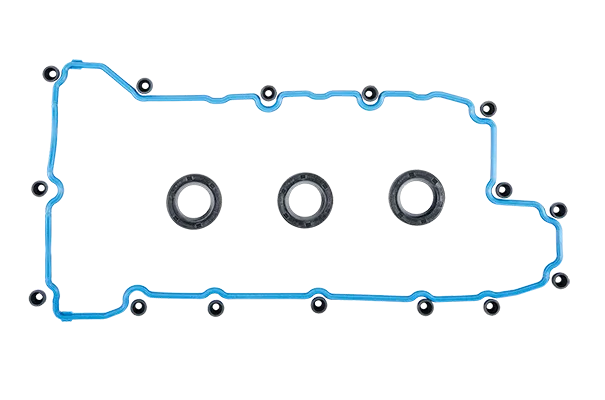
A valve pan gasket is an engineered elastomer or composite seal that sits between the engine's cylinder head and the upper valve cover. In high-horsepower diesel engines, this area houses the camshafts, rocker arms, and fuel injector wiring harnesses.
The gasket must contain high-pressure, high-temperature lubricating oil splashing violently against the cover, while simultaneously preventing highly abrasive environmental dust (common in mining and construction) from entering the valvetrain.
3 Critical Symptoms of a Failing Valve Pan Gasket
80%
of mysterious engine oil loss and localized electrical misfires in industrial diesel engines are traced back to a degraded top-end seal. Monitor your equipment for these critical signs:
- Active Oil Weeping and Grime Accumulation: The most obvious visual cue. Oil seeping from the valve pan acts as a magnet for industrial dust, creating a thick, insulating layer of abrasive sludge that traps heat against the cylinder head.
- Fouled Injector Wiring Harnesses: In modern heavy-duty engines (like the Cummins ISX or QSK series), fuel injectors are electronically controlled via pass-through connectors in the valve pan. A failing gasket allows pressurized oil to flood these connectors, causing erratic engine misfires and sudden shutdowns.
- The Odor of Vaporized Synthetic Oil: If the rear of the valve pan gasket fails, oil drops directly onto the super-heated exhaust manifold or turbocharger housing. This not only creates a pungent burning smell but poses a severe, immediate fire hazard in enclosed generator rooms.
The Hidden Economics of Valve Pan Leaks in Heavy Industry
For procurement directors, the true cost of a valve pan gasket is never just the price of the rubber. It is the cost of the labor and the catastrophic financial impact of equipment downtime.
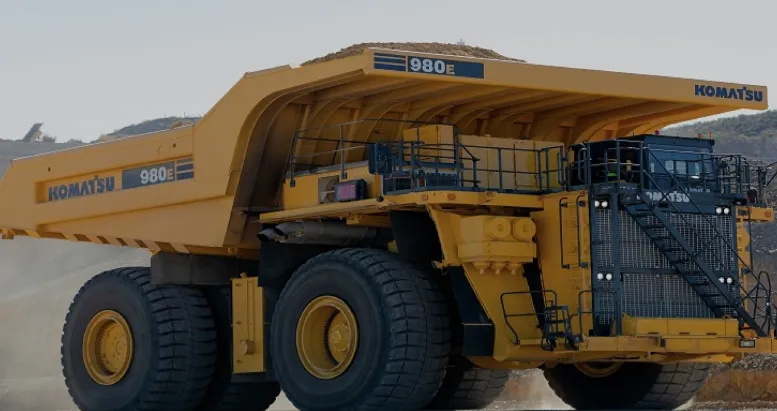
Consider a 300-ton mining haul truck powered by a Cummins QSK60. The initial purchase price of a generic, non-reinforced aftermarket gasket might save the purchasing department $50. However, when that substandard NBR rubber vulcanizes and fails under continuous 24/7 operation, the math changes drastically:
- Direct Labor Costs: Replacing a valve pan gasket on a massive V16 industrial engine takes approximately 4 to 6 hours. At standard heavy-duty mechanic rates ($150/hour), labor alone can cost up to $900.
- Collateral Component Damage: If leaking oil fouls the integrated fuel injector wiring harnesses, replacing the melted electrical components can add $800 to $1,500 in parts costs.
- Operational Downtime (The Silent Killer): In large-scale mining or earth-moving operations, a sidelined haul truck can cost the company upwards of $3,000 per hour in lost productivity.
Buying an unverified, cheap gasket to save $50 ultimately creates a $15,000+ financial liability. This is why top-tier fleets mandate OEM-grade, metal-reinforced seals for top-end rebuilds.
What the Industry Experts Say
"In ultra-class mining and continuous power generation, a valve pan gasket isn't just a rubber seal; it's the only thing protecting a $30,000 top-end valvetrain from abrasive silica dust and catastrophic oil starvation. I've seen procurement teams try to save $50 on generic NBR seals, only to lose $15,000 in engine downtime and melted injector harnesses a month later. In heavy industry, you either buy metal-reinforced FKM, or you pay the ultimate price in downtime."
— Marcus T., Chief Maintenance Engineer, Global Mining Operations
Material Science: Choosing the Right Valve Pan Gasket
Not all rubber is created equal. The material you select dictates the lifespan of your engine rebuild.
- Standard NBR (Nitrile Rubber): Suitable only for older, naturally aspirated engines operating in low-heat environments. NBR hardens quickly under the intense heat of modern turbocharged diesels.
- Cork/Composite: An obsolete technology rarely used in modern heavy machinery due to its tendency to shrink and fracture under torque.
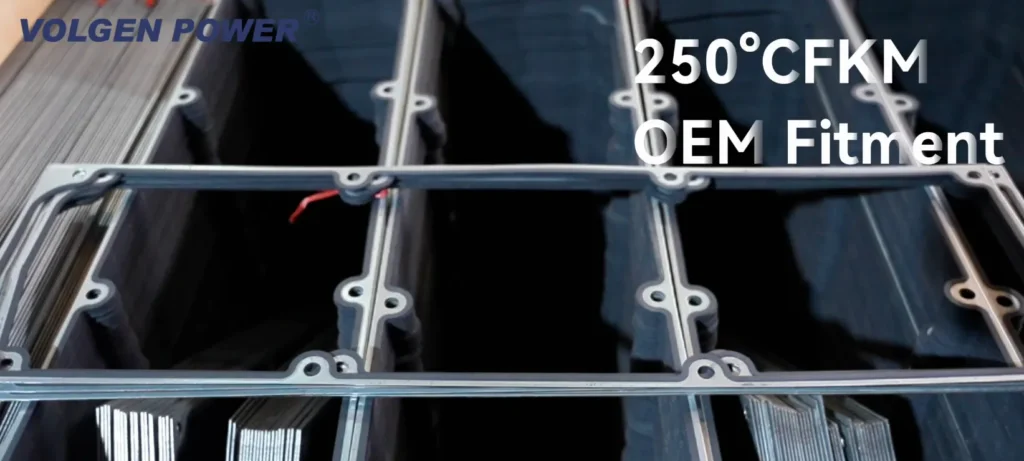
- Metal-Reinforced FKM (Fluoroelastomer): The gold standard for commercial B2B applications. These gaskets feature a rigid steel carrier core coated with extreme-temperature FKM. They prevent the mechanic from "over-crushing" the seal and resist chemical degradation from acidic, aged diesel oil.
VPGASKET Compatibility Matrix: Hard Data for OEM Replacements
Relying on guesswork for heavy-duty procurement is expensive. VPGASKET engineers OEM-equivalent valve pan gaskets mapped precisely to top-tier industrial platforms. Below is our verified compatibility data for heavy machinery and continuous-duty generators:
| Engine Platform | Typical Industrial Application | Compatible Equipment Brands | Valve Pan Gasket / Rocker Seal OEM No. | Material Technology |
| Cummins ISF 2.8 / 3.8 | Urban Logistics, Light Construction | Foton, GAZ, JAC | 5255312, 5262697 | High-Temp Molded Elastomer |
| Cummins QSM11 / ISM11 | Heavy-Haul Trucks, Mid-Range Marine | Freightliner, Kenworth, Marine Aux | 3089966, 4089998 (Kit) | Reinforced Silicone Blend |
| Cummins KTA19 / KTA38 | Prime Power Gensets, Large Excavators | Komatsu, Cummins Power Gen | 3065961, 3065931 | Heavy-Duty Composite/Metal Core |
| Cummins QSK50 / QSK60 | 300-Ton Haul Trucks, Mega Data Centers | Liebherr, Hitachi, BelAZ | 4089715, 3086161 | Extreme-Heat FKM / MLS |
| Cummins ISZ 14 / ISG | Severe-Duty Tractors, Construction | Dongfeng, XCMG | D4376141 (Upper Kit) | Steel-Carrier + Elastomer Bead |
Note: For V-block engines like the QSK and KTA series, individual rocker box seals are required for each cylinder head. Always verify your Engine Serial Number (ESN) with our engineering team before bulk ordering to ensure 100% fitment.
Real-World ROI: Securing 100% Uptime for a Mega Data Center
A major cloud computing data center in Southeast Asia relies on a backup array of 12 Cummins KTA50 generator sets. During routine test runs, maintenance engineers noticed severe oil weeping from the valve pans. The substandard aftermarket gaskets they previously installed had vulcanized (hardened) due to the ambient heat of the generator hall.
A catastrophic oil leak during a real grid failure would lead to a genset shutdown and massive data loss. The facility's procurement director upgraded their entire array to VPGASKET’s Metal-Reinforced FKM Valve Pan Kits. The Benefit: Our rigid steel-carrier design provided perfect torque retention. The facility eliminated top-end oil leaks, achieved 100% redundancy uptime during the next local grid failure, and reduced their preventive maintenance labor costs by 40%.
Step-by-Step Valve Pan Gasket Replacement Overview
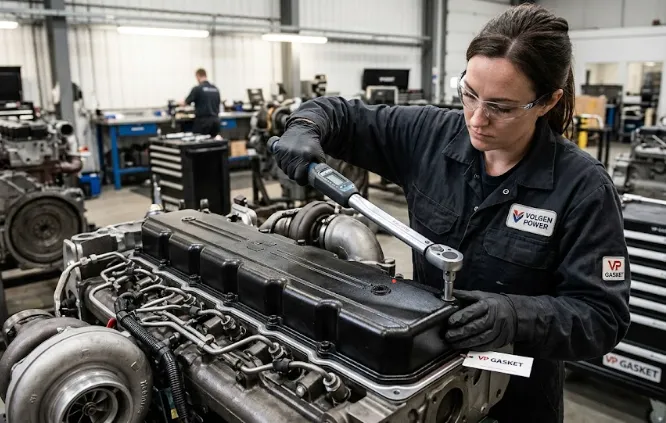
To ensure our premium gaskets perform to their maximum potential, fleet mechanics must adhere strictly to rebuilding standards:
- Surface Machining Inspection: After removing the old gasket, mechanically clean the cylinder head and valve pan mating surfaces. Use a straight-edge to ensure the cover is not warped.
- Chemical Cleaning: Remove all residual oil using an industrial non-residue solvent. FKM elastomer beads require a completely dry, oil-free surface to seat correctly.
- Hardware Assessment: Never reuse stretched mounting bolts or flattened load-spreading grommets. VPGASKET kits supply fresh bolt grommets to ensure uniform clamping force.
- Torque Sequence: Always torque the valve pan bolts from the center outwards in a crisscross pattern, strictly adhering to the OEM torque yields to prevent crushing the new gasket.
⚠️ Safety Warning
Never attempt to remove a valve pan or rocker cover while a high-horsepower industrial engine is hot or immediately after shutdown. The cylinder head retains extreme thermal energy, and pressurized synthetic oil can cause severe scalding. Furthermore, always disconnect the master battery switch before handling integrated fuel injector wiring harnesses to prevent lethal electrical discharges.
The VPGASKET Advantage: Factory-Direct B2B Solutions
When sourcing gaskets for commercial fleet maintenance or global parts distribution, relying on middlemen inflates your costs and threatens your quality control.
As a premier manufacturer in the heavy-duty engine parts industry, VPGASKET delivers unparalleled B2B advantages:
- Zero Compatibility Guesswork: Our gaskets are CNC-cut to exact OEM tolerances, ensuring perfect alignment for Cummins ISF, ISB, KTA, and QSK series engines.
- Global Exhibition Standards: Our manufacturing quality is trusted worldwide. We invite our international partners to inspect our premium sealing technologies in person at the upcoming 2026 Canton Fair (Guangzhou, April) and the AIMEX Asia-Pacific International Mining Exhibition (Sydney, May 2026).
- Wholesale Logistics: We stock massive inventories of heavy-duty repair kits, offering aggressive factory-direct pricing and robust international shipping containers designed to prevent moisture degradation during sea freight.
Related Products
-
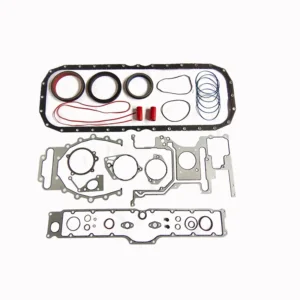
2881766 Cummins Genuine Quality Lower Engine Gasket Kit for ISX15 Series
-
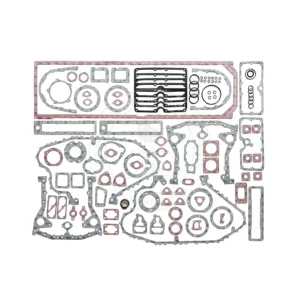
3017564 Cummins Genuine Quality Lower Engine Gasket Kit for VT28 Series
-
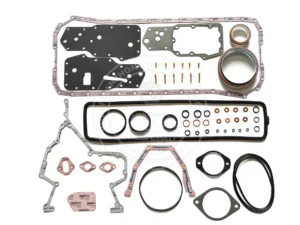
3800487 Cummins Genuine Quality Lower Engine Gasket Kit for ISB / QSB 5.9L Series
-
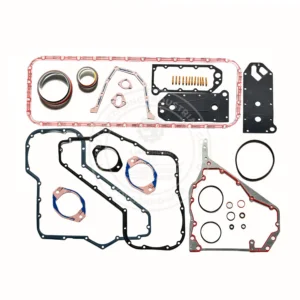
3800558 Upper Engine Gasket Set for Cummins 6CT 8.3L – Premium Overhaul Kit
ISO-Certified Laboratory Testing Metrics
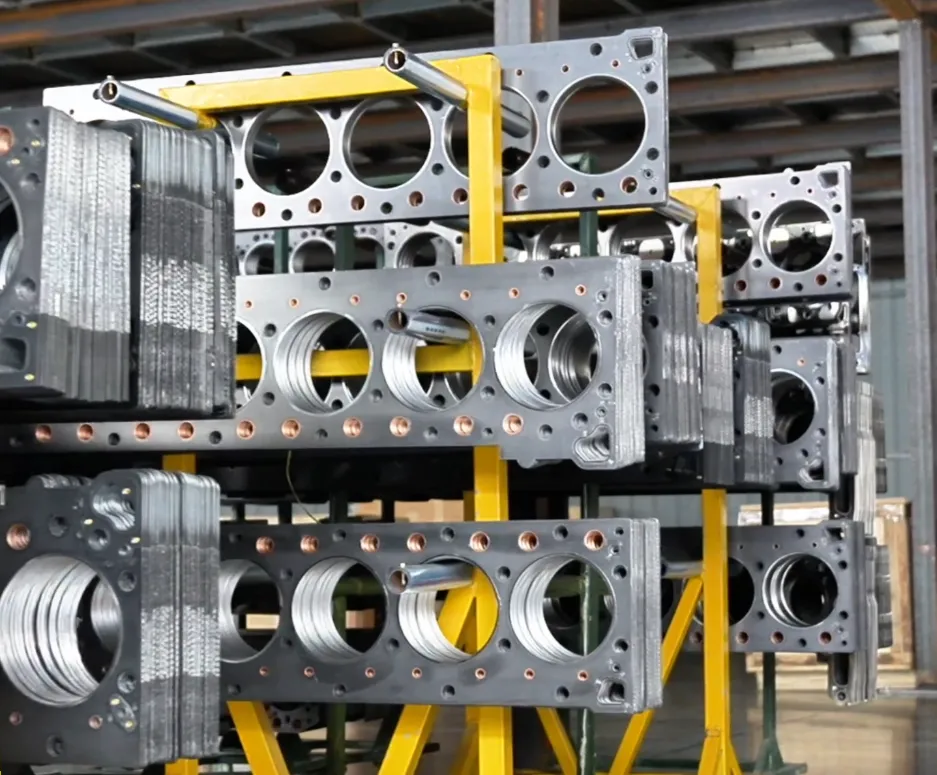
Because we supply directly to global engine rebuilders and industrial fleets, VPGASKET materials are not just "visually inspected"—they are scientifically tortured in our Hubei testing facilities to guarantee OEM compliance:
- Shore A Hardness Retention: Our FKM elastomers maintain a precise 75-80 Shore A hardness rating even after being subjected to a 1,000-hour heat aging test at 250°C (482°F). Cheap rubber hardens to a plastic-like 95 Shore A, leading to immediate cracking.
- Chemical Volume Swell Analysis: Valve pan gaskets are constantly bombarded by hot, soot-filled synthetic diesel oils. In our 500-hour chemical soak tests using modern CK-4 diesel oils, our materials demonstrate a volume swell of less than 2%, ensuring the gasket never stretches or slips out of the rocker box groove.
- Vibration & Torque Decay Tolerances: Heavy-duty engines produce violent harmonic vibrations. Our rigid steel-carrier cores are engineered to absorb a sustained clamping force without yielding. In dynamic compression testing, our gaskets exhibit less than a 5% torque decay after 10,000 simulated engine hours, guaranteeing the valve cover bolts remain tightly secured.
Ensure your engines run smoothly without leaks. Upgrade your supply chain with gaskets built for the world's toughest environments.
FAQ
1. How can I tell if a failing valve pan gasket is damaging my fuel injectors?
In heavy-duty engines, if you experience sudden engine stumbles or diagnostic trouble codes (DTCs) related to injector circuits, pull the valve cover harness connector. If the pins are soaked in engine oil, your gasket has failed internally and allowed oil to compromise the electrical connection.
2. Can I use liquid silicone (RTV) instead of a physical valve pan gasket?
Absolutely not. In commercial diesel engines, vibration and high oil pressure will cause liquid silicone to extrude, crack, and eventually block internal oil galleries. Always use a pre-molded, solid elastomer or metal-reinforced gasket for valve pans.
3. Why do VPGASKET kits include small rubber washers (grommets)?
Those are load-spreading bolt grommets. Over time, the original grommets lose their elasticity and fail to press the valve cover down tightly against the gasket. Replacing the main seal without replacing the bolt grommets guarantees a repeat oil leak.
4. Does VPGASKET supply rocker cover seals for older marine engines?
Yes. We carry an extensive line of specialized gaskets tailored for marine-spec engines, including the Cummins KTA19 and QSM11, utilizing materials designed to resist saltwater corrosion and continuous high-load thermal stress.