
Rebuilding a classic diesel engine requires matching replacement parts to specific service operations. When sourcing a 12 valve Cummins gasket kit, buyers must recognize that the engine underwent numerous revisions during its production life. General naming conventions do not define a precise bill of materials. This guide outlines seven scope checks to help purchasing teams and mechanics align their procurement strategy with the actual repair boundaries and hardware requirements of their equipment.
Estimated reading time: 7–9 minutes.
Table of Contents
See the kit contents and scope guide and supplier approval checks for related purchasing context.
Identity, Exact Engine, and Application
The twelve valve label broadly describes a generation of engines, but it does not identify every distinct variant, emissions profile, or accessory layout. Procurement must begin by capturing the exact engine serial number to identify the original factory build. This data anchors the parts search to specific catalog revisions.
However, the serial number alone only provides the starting context. Because these engines have been in service for decades, buyers must visually confirm the current application and note any differing hardware that diverges from the original factory documentation.
Use Cummins parts information and engine serial identification guidance to support the lookup. Keep the current hardware and repair scope with the reference record.
| Identification Source | Information Provided | Procurement Limitation |
|---|---|---|
| Engine Family Name | General naming context | Cannot identify specific accessory seals |
| Engine Serial Number | Original factory component list | Misses later aftermarket field modifications |
| Visual Inspection | Current installed hardware state | Requires physical access to the equipment |
Top End Reseal Scope
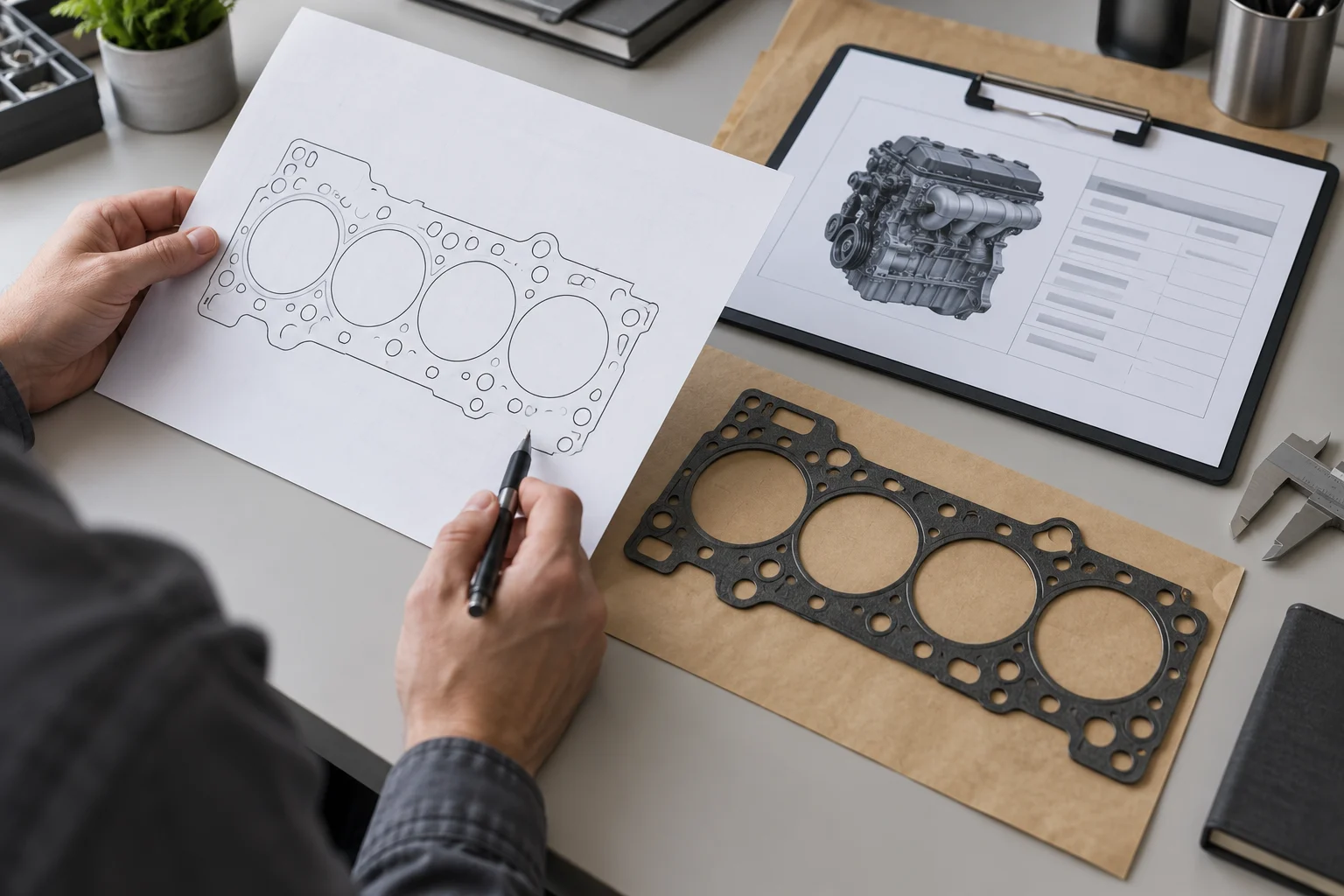
An upper-engine or top-end label does not guarantee inclusion of the cylinder-head gasket or any secondary seal. For a 12 valve Cummins gasket kit, map each component disturbed by the planned repair to an explicitly listed BOM line.
Check the applicable head, intake, exhaust, cover and other interfaces as relevant to the actual operation. Confirm quantities, exclusions and separately supplied items. Do not select a gasket grade, thickness or notch pattern using a generic twelve-valve rule.
| Component Group | Procurement Check | Action if Missing |
|---|---|---|
| Cylinder-head sealing component | Confirm the specified part and whether it is included | Resolve against application-specific parts and service information |
| Valve-related seals | Identify those required for the actual work | Check BOM and order any missing required items |
| Manifold interfaces | Match the installed layout and disturbed joints | Verify references, quantities and exclusions |
In-Frame Work and Disturbed Interfaces
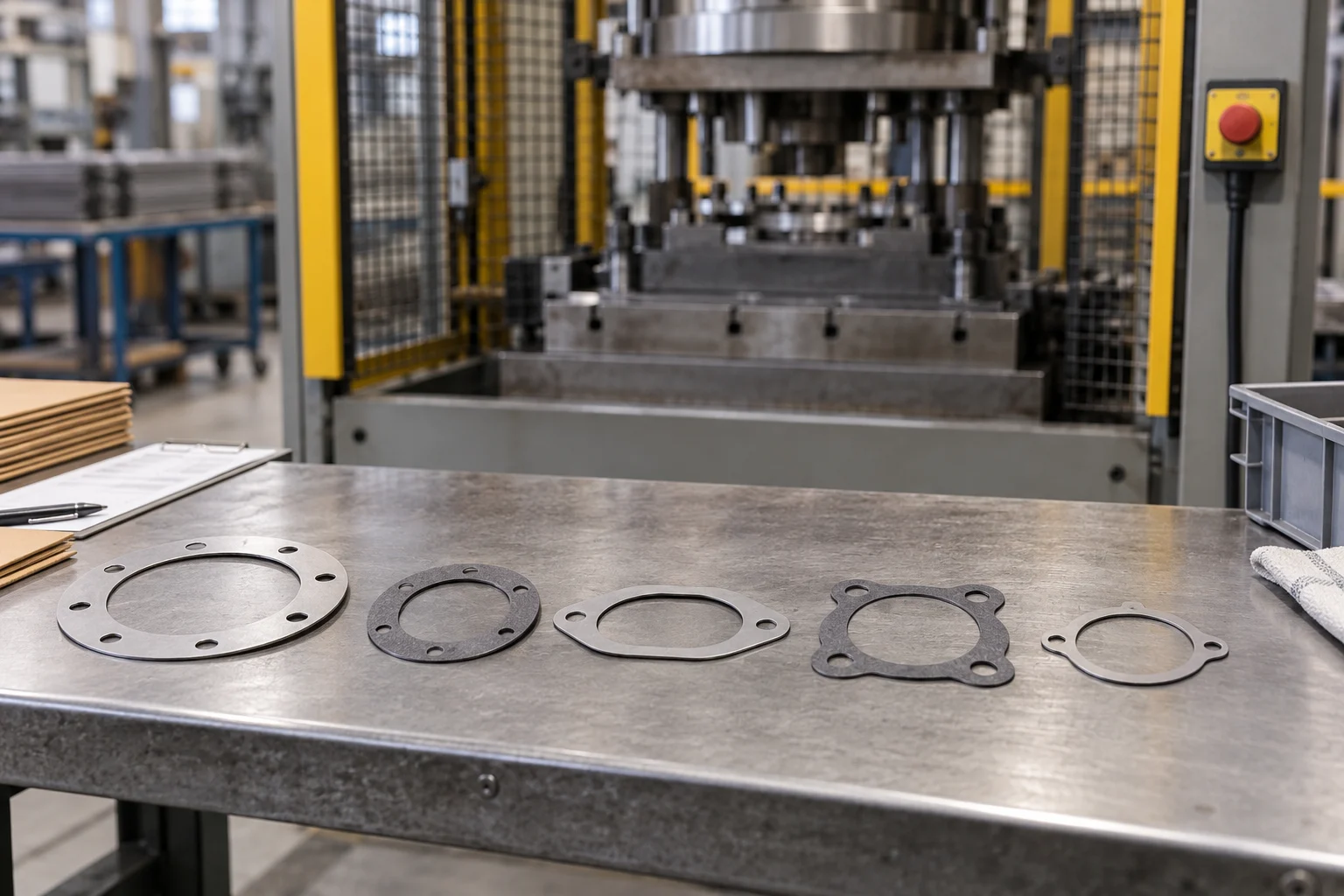
In-frame repairs leave the engine block mounted within the chassis, which restricts access to certain lower components. Purchasing an in-frame package does not automatically mean it includes both a complete upper and lower set. The required parts depend entirely on the actual disturbed interfaces.
If the technician drops the oil pan but leaves the front gear housing intact, the parts order must reflect those specific boundaries. Procurement teams must define exactly which joints the mechanic plans to open before authorizing the purchase order.
| Planned work | Record to create | Avoid this assumption |
|---|---|---|
| Head-related work | List every joint actually opened | Every upper package has identical contents |
| Accessible lower work | Identify the pan and other affected interfaces | In-frame means a complete upper-plus-lower set |
| Accessory service | Record the installed component and affected seals | The engine family identifies every accessory seal |
Full Engine-Out Approved Work
Removing the engine from the chassis provides complete access, but an engine-out procedure does not mandate a full tear-down or the replacement of every internal component. The decision to replace rotating assembly seals or machine the block depends on physical inspection and measurement against approved service limits.
A package described as a full overhaul kit still needs an itemized contents review. For each approved engine-out operation, confirm the required seals, exclusions and separately purchased hardware. Access alone does not determine the necessary work or guarantee coverage by one box.
Installed Changes and Year Context
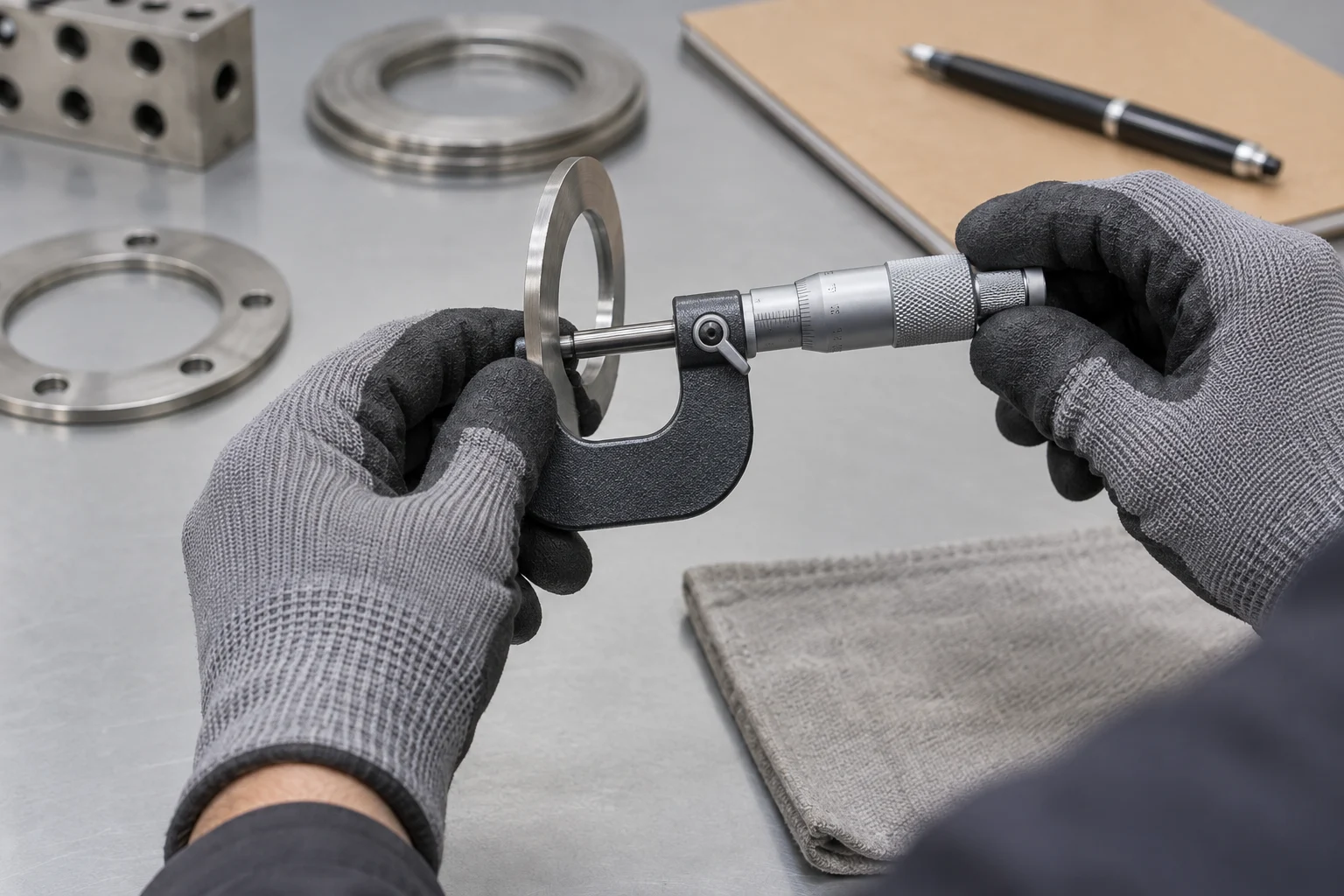
Production year ranges provide helpful context, but they do not serve as a definitive part number lookup tool. Throughout its production run, the engine received different fuel injection pumps and accessory configurations that altered the sealing footprint. Relying on year ranges without verifying the current installed hardware introduces significant fitment risk.
Document the injection-pump mounting and turbocharger connections when they are within the repair scope, along with any other relevant installed changes. Supply these records for qualified application review; photographs help but do not guarantee fitment.
Overlooked Components in a 12 Valve Cummins Gasket Kit
Review the 12 valve Cummins gasket kit BOM for secondary seals, required fasteners and exclusions. Include shaft seals or accessory O-rings when the actual approved operation requires them, rather than treating every possible component as standard contents.
Follow the applicable fastener inspection and reuse or replacement requirements. Do not assume every bolt is torque-to-yield or that a length measurement alone permits reuse. Record required new hardware separately if it is not included in the sealing kit.
| Hardware Element | Evaluation Method | Procurement Decision |
|---|---|---|
| Cylinder-head fasteners | Follow all applicable service inspection and replacement rules | Order replacements wherever the procedure requires them |
| Accessory O-Rings | Determine if component will be removed | Order specifically if disturbing the joint |
| Cover Shaft Seals | Inspect for current operational leakage | Include in order if repair is authorized |
Pre-Order Scope and Receiving Record
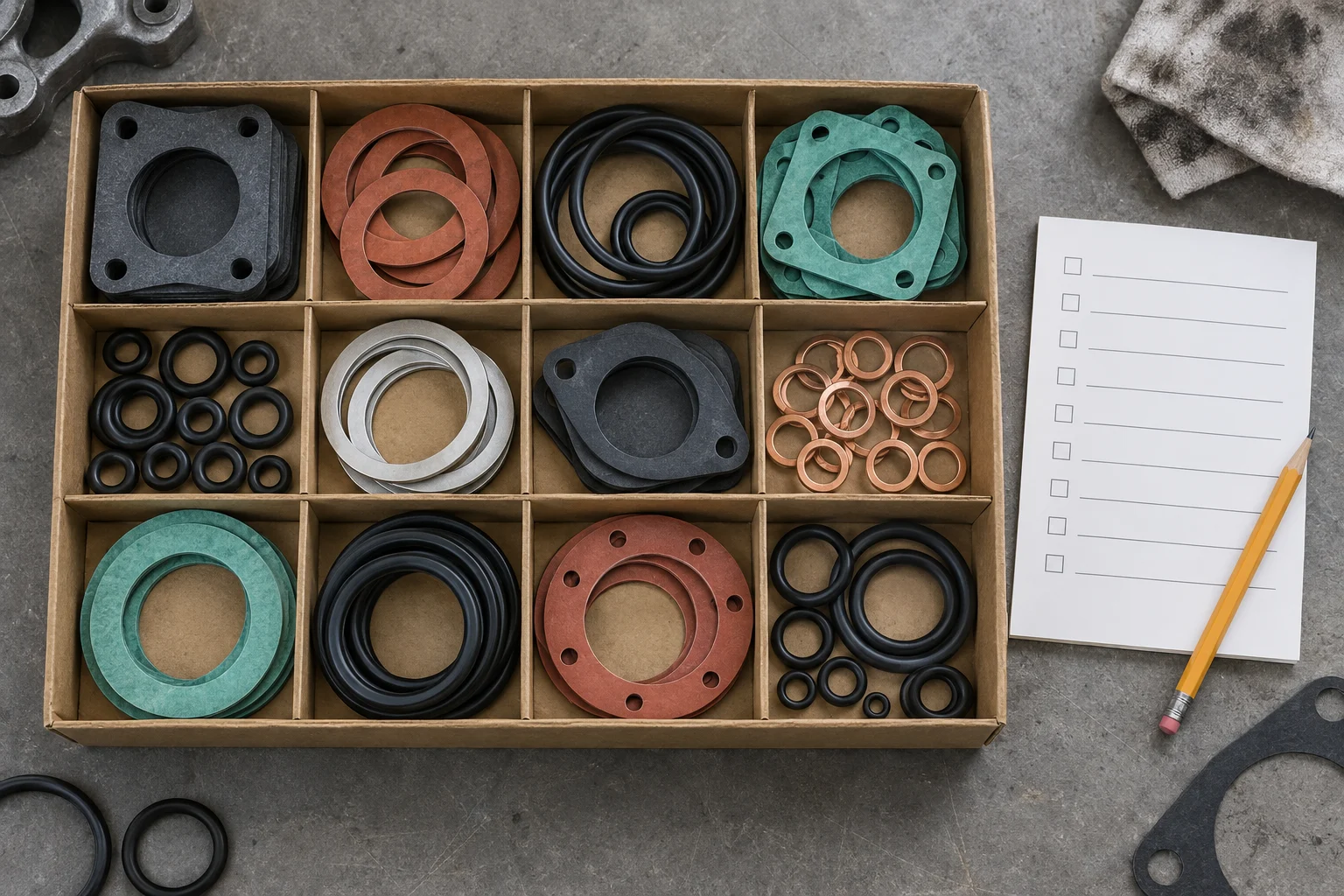
Carry the agreed application, repair scope and BOM revision into the receiving record. A checklist helps document delivery against the order, but cannot independently approve fitment. Resolve application questions before installation and follow the specified installation checks.
Inspecting the shipment upon arrival ensures that any discrepancies in component quantities or part profiles are addressed long before the engine block is prepared for reassembly. Professional receiving practices protect the workshop schedule.
| Control Document | Verification Goal | Process Value |
|---|---|---|
| Purchase Order | Defines agreed price and scope | Establishes commercial transaction baseline |
| Bill of Materials | Itemizes included package seals | Allows verification of delivered quantities |
| Receiving Checklist | Records physical inspection results | Catches missing parts before teardown |
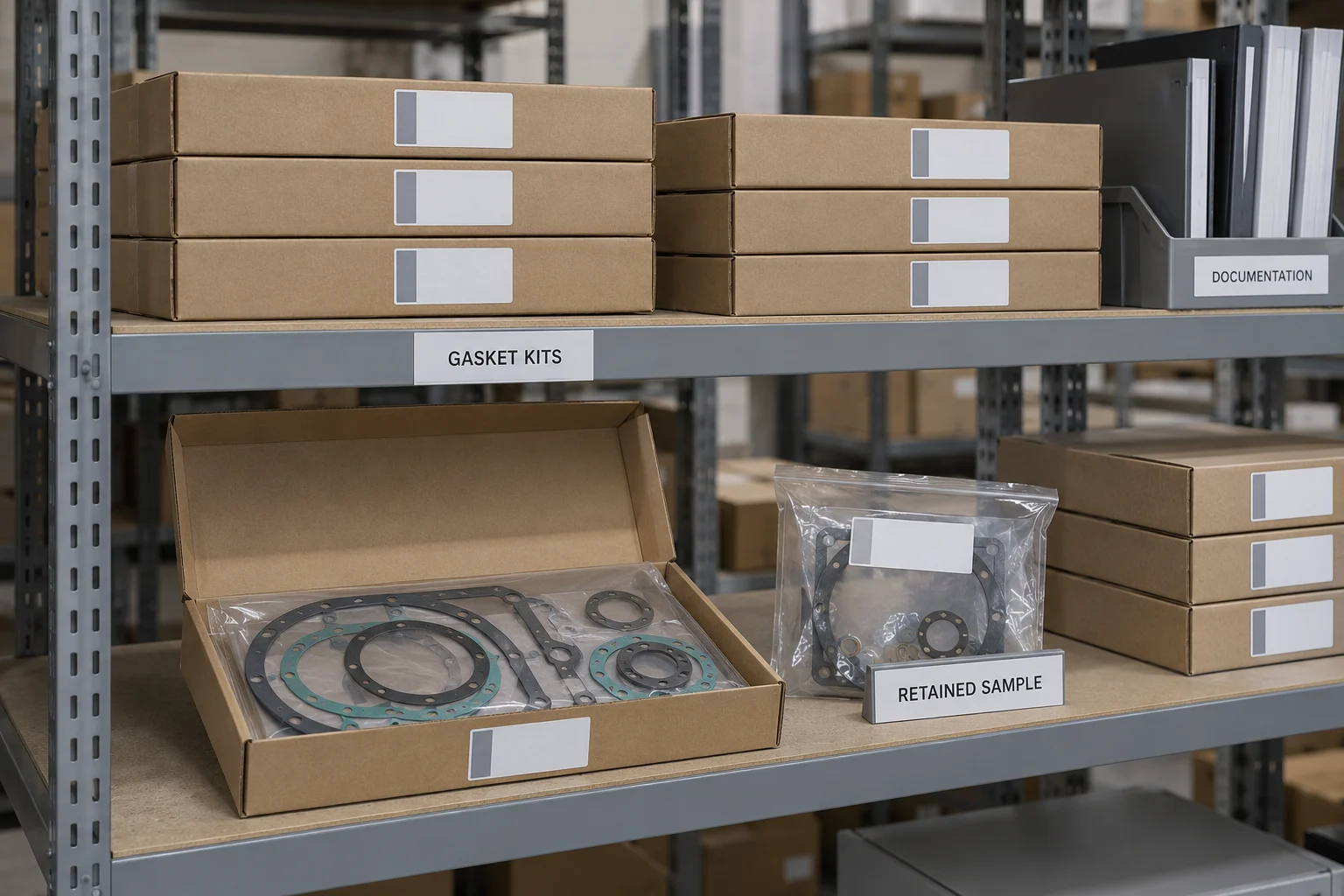
Twelve-Valve Kit Scope Checklist
Twelve-Valve Kit Scope Checklist
This checklist records evidence. It is not a material approval, fitment confirmation or release authorization.
Frequently Asked Questions
Does calling an engine a twelve valve guarantee the kit will fit?
No. The term broadly describes an engine family. You must verify the exact serial number and current installed hardware to ensure proper fitment.
Do all in-frame kits include a complete upper and lower set?
No. Package names and contents vary. Match the exact BOM to the interfaces disturbed by the planned work; do not infer inclusion or exclusion solely from an in-frame label.
Must the cylinder head bolts be replaced every time?
Follow the applicable service procedure for the exact engine and fastener. It may require replacement or multiple reuse checks; a generic rule or length measurement alone is not enough.
Does removing the engine from the vehicle mandate full block machining?
No. Engine removal provides access. The approved repair scope, condition assessment and applicable service limits determine whether any machining is appropriate or allowed.
Make the Next Decision on Evidence
Procuring the correct sealing components relies on defining exact repair boundaries rather than relying on generic package names. By verifying the engine serial number, auditing the specific disturbed interfaces, and reviewing the detailed bill of materials, buyers can source a 12 valve Cummins gasket kit that meets their specific needs. Structured procurement prevents workshop delays and supports a reliable engine rebuild process.
Review the Cummins B-series gasket range as a starting point, not automatic fitment approval. Send the engine identifiers, current hardware and repair scope to clarify the exact BOM and exclusions.
Watch the Cummins parts catalog overview for lookup context. The archived interface may differ from the current site; verify current application information.