
A buyer has an engine model and CPL, but the proposed gasket kit still differs from the parts removed during repair. Cummins overhaul kit fitment needs more than one identifier: combine the ESN, current parts information, repair scope and evidence of the engine as it stands today. These six checks help purchasing teams identify gaps before releasing an order, without assuming that a catalog record captures every later repair or modification.
Estimated reading time: 7–9 minutes.
Table of Contents
Before comparing kit coverage, read Cummins gasket kit contents and scope differences. This related guide helps separate the name of a set from its actual component list.
1. Record the Available Engine Identifiers
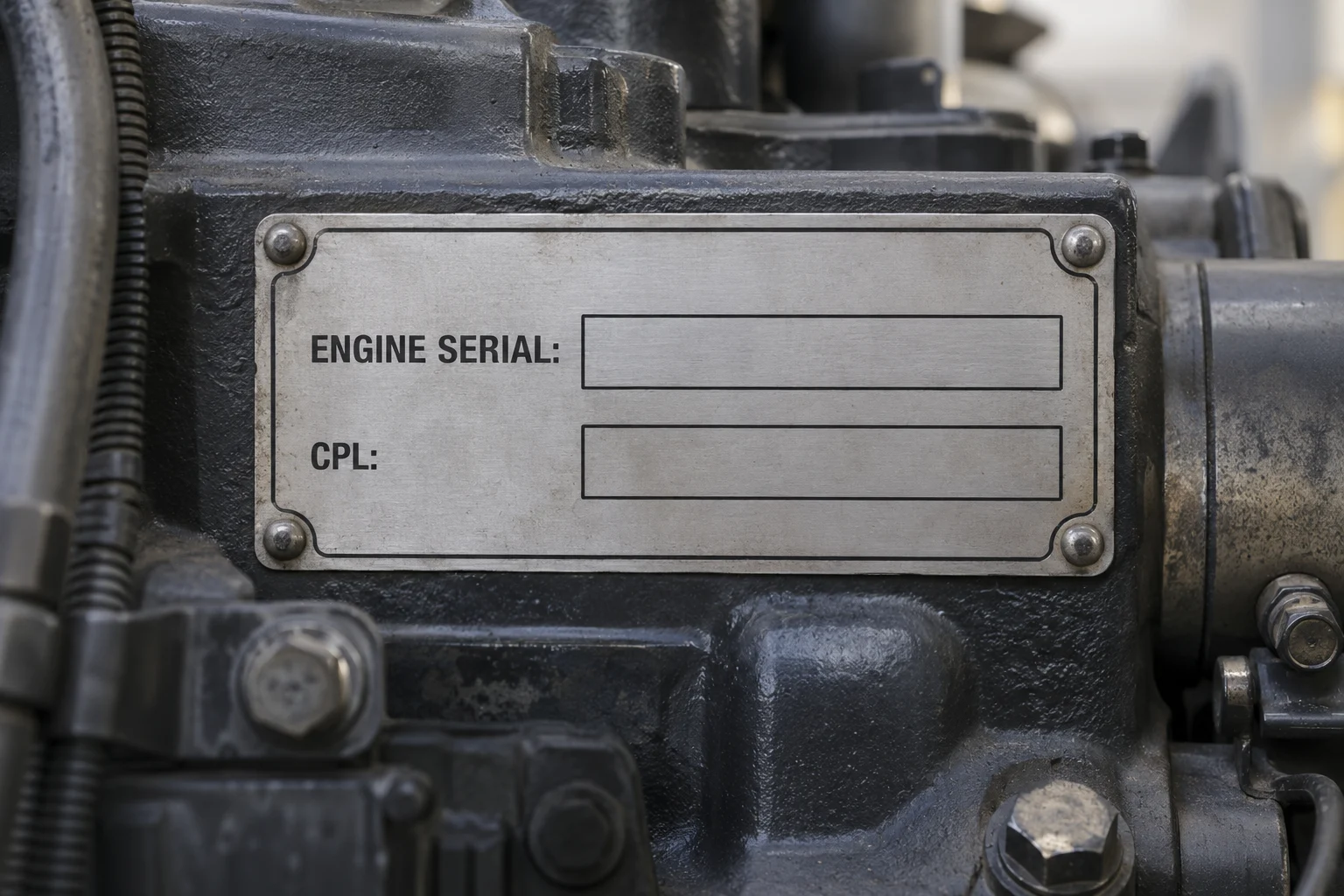
Record the engine model, Engine Serial Number (ESN), CPL when shown, and any available build or repair history. Keep a readable photograph of the dataplate with the inquiry. A shared model or CPL is useful supporting identification, but does not by itself confirm every component in a proposed overhaul gasket package.
For Cummins overhaul kit fitment, treat the CPL as supporting evidence rather than a substitute for engine-specific parts information. Avoid inferring gasket thickness, material or accessory configuration from the CPL alone. Where a record is missing or contradictory, ask for clarification before describing a kit as confirmed.
| Evidence | Useful role | Limit |
|---|---|---|
| Engine model | Establishes the engine family | Does not define every kit component |
| CPL when available | Supports engine identification | Not a stand-alone fitment approval |
| Dataplate photograph | Preserves the recorded identifiers | Must relate to the actual engine |
2. Check ESN-Based Information and Its Limits
Use the ESN to retrieve engine-specific parts information through the appropriate authorized resource. Cummins explains that its parts catalog supports searches using an ESN or part number. Follow the applicable engine manual to locate the identification plate; many ESNs have eight digits, but verify the record rather than relying only on format.
An ESN-based record provides a starting point for Cummins overhaul kit fitment, not proof of every component currently installed. Later repairs, replacement assemblies or modifications may differ from the original configuration. If a remanufactured or replacement engine is involved, establish which identification record applies and request the relevant build or repair documentation.
| Situation | Record to obtain | Follow-up |
|---|---|---|
| Original engine | ESN and engine-specific catalog record | Compare against current service information |
| Replacement or remanufactured engine | Applicable identification and build records | Clarify which engine record governs |
| Known field modification | Repair invoice or assembly identification | Check the actual replacement configuration |
3. Review Current Parts and Service Information
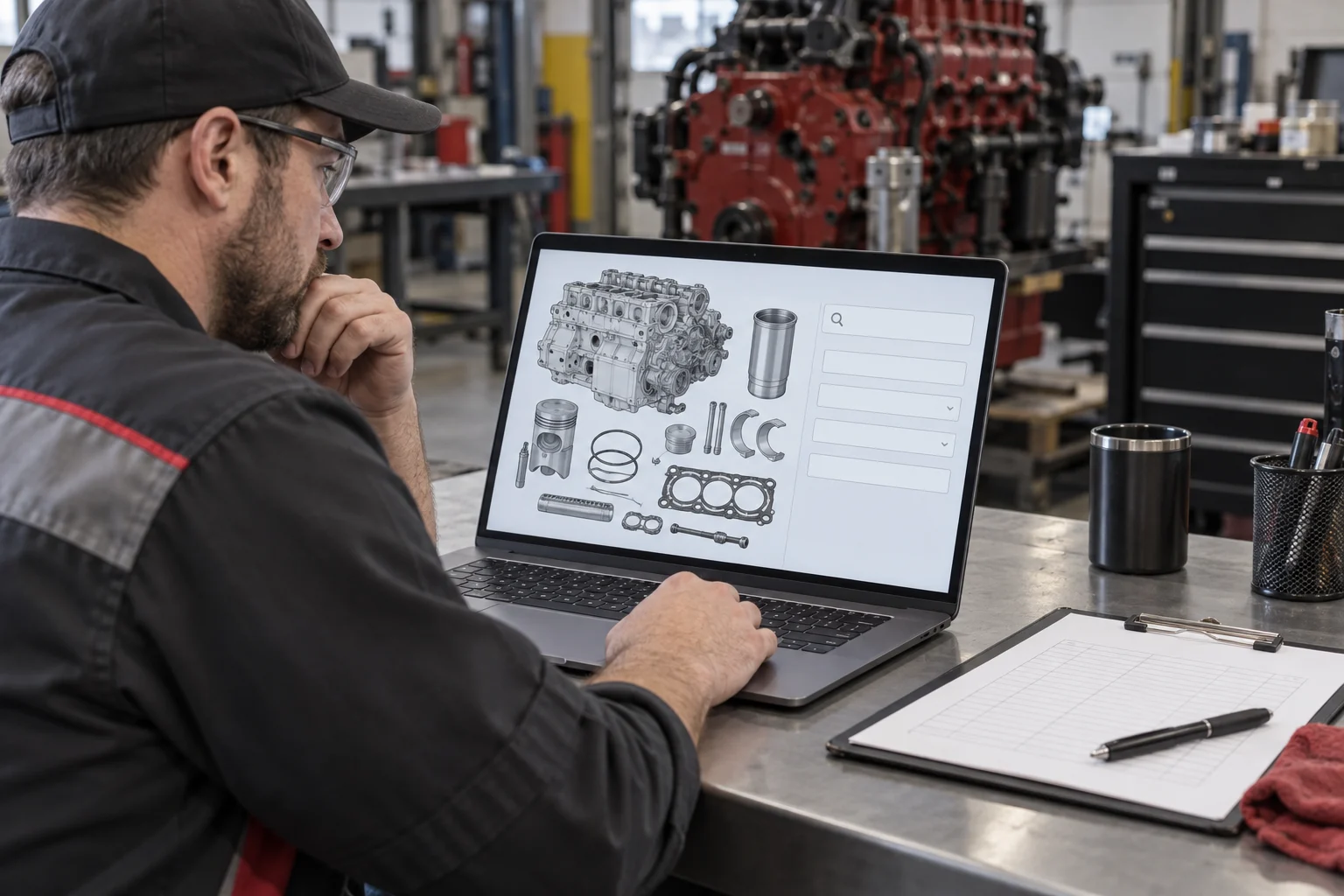
Review Cummins parts information and the current engine-specific catalog before ordering. Record the proposed kit number, source and lookup date. A search result is useful only when its application notes, component coverage and any stated conditions have been checked against the engine and repair scope.
QuickServe Online provides engine-specific parts and service information. Review applicable service procedures and bulletins when a component reference or requirement is unclear. An aftermarket cross-reference still needs supplier confirmation; an OEM catalog link does not certify the contents or performance of a different supplier’s package.
| Resource | Review point | Record to retain |
|---|---|---|
| Parts catalog | Current engine-specific references | Number, application notes and lookup date |
| Applicable service information | Repair requirements and relevant updates | Document identification and revision |
| Supplier packing list | Contents, quantities and exclusions | Approved list and quoted reference |
4. Trace Replacement Numbers and Kit Contents
When an old kit number leads to a different current reference, follow the documented replacement trail instead of assuming the two packages are identical. A replacement may involve changed contents or application conditions. Ask the supplier to explain which reference will appear on the quotation, label and packing list.
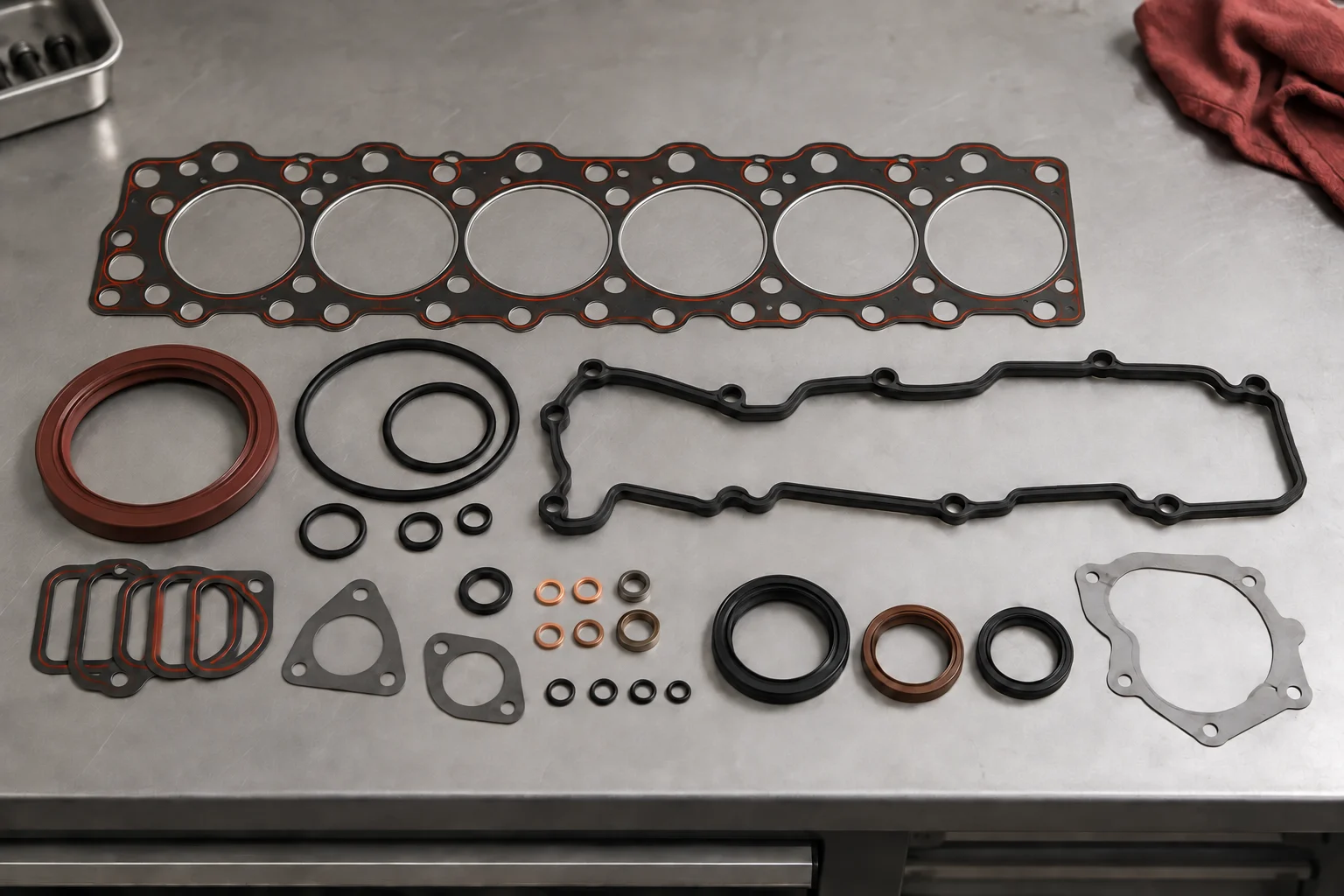
For Cummins overhaul kit fitment, compare the proposed contents with the repair interfaces that will be opened. Record any additional seals required and any unresolved substitutions. A newer number is not automatically a material upgrade, a complete overhaul package or an approval for every engine sharing the earlier model description.
| Number status | Buyer action | Release condition |
|---|---|---|
| Current reference | Confirm application and contents | Evidence matches the intended scope |
| Replacement reference | Trace the documented change | Conditions and component coverage understood |
| Unclear or obsolete | Request a supported alternative | No unresolved fitment assumptions |
5. Compare the Actual Engine Configuration
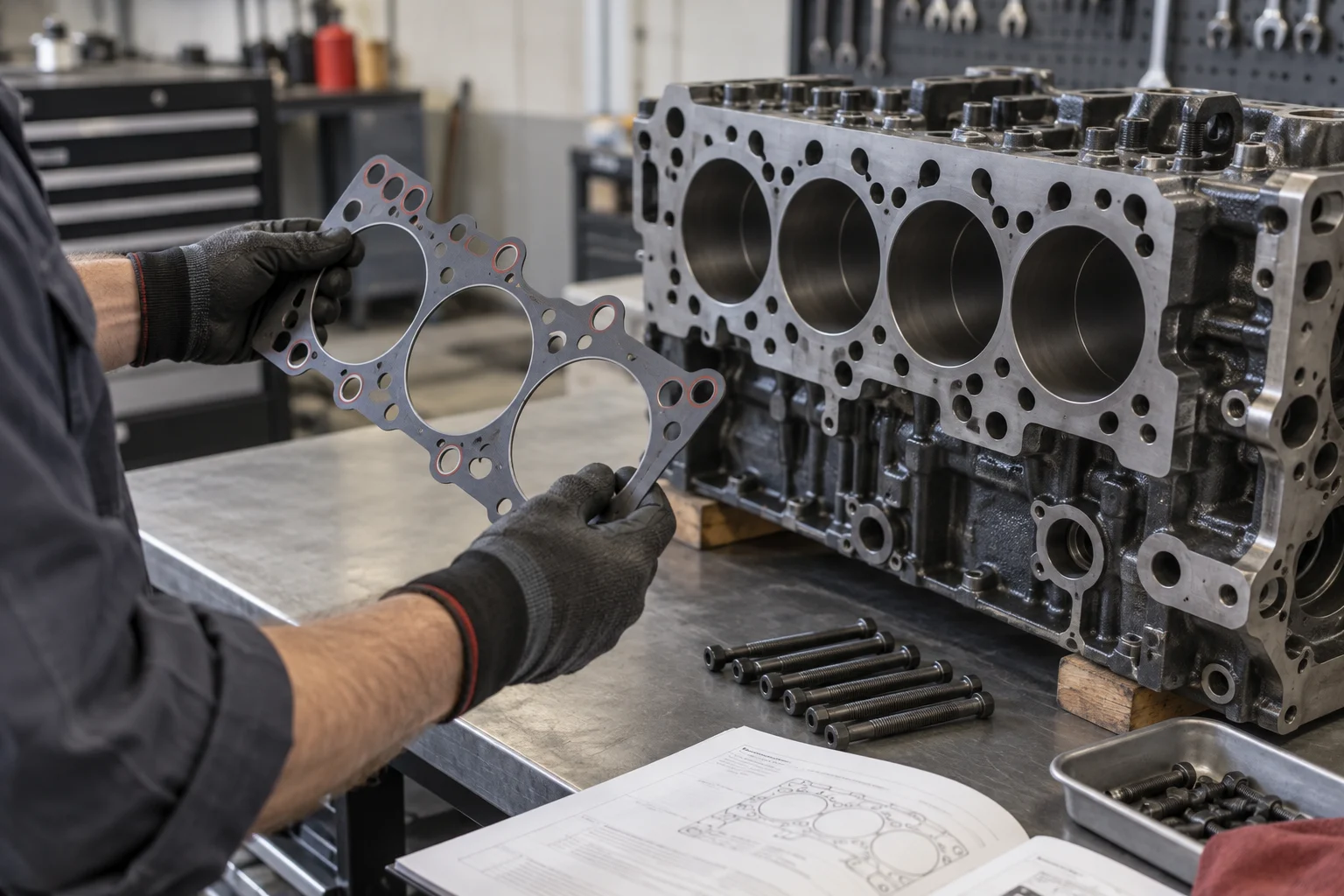
Compare available photographs, assembly identifiers and accessible physical features with the proposed kit. Where disassembly is part of the repair plan, inspect the removed components as well. Physical evidence is especially valuable when service history is incomplete, but a worn or distorted gasket should not become the sole dimensional standard.
Check relevant profiles, hole positions, fluid passages and specified features against approved requirements. Do not infer the required new gasket thickness from a compressed used part alone. If physical evidence disagrees with catalog records, investigate rather than forcing a visual match; the difference may involve an incorrect previous part, a modification or a lookup error.
| Feature | Evidence to compare | If inconsistent |
|---|---|---|
| Gasket profile and ports | Current reference and applicable drawing | Stop and clarify the application |
| Pan or cover configuration | Assembly identity and accessible geometry | Check repair or replacement history |
| Thickness or construction | Specified new-part requirements | Do not rely on used-part measurement alone |
6. Release a Documented Fitment Decision
Bring the identification, current catalog information, repair scope and physical evidence together in one approval record. The purpose is a traceable Cummins overhaul kit fitment decision, not simply a completed checklist. State what is confirmed, what remains unknown and who is responsible for resolving each open item.
Before issuing the order, confirm the supplier reference, dated packing list, quantities, agreed labels and handling of substitutions. On receipt, compare the shipment with that approved record before installation. If a component differs, hold it for review instead of allowing a delivery deadline to become an unsupported fitment decision.
| Verification layer | Primary check | Hold the order when |
|---|---|---|
| Identification | ESN, model and supporting records | The record does not identify the actual engine |
| Current parts information | References and application conditions | The replacement trail remains unclear |
| Physical configuration | Accessible or removed-part evidence | The engine differs without explanation |
| Kit scope | Approved contents and repair boundary | Required components are not accounted for |
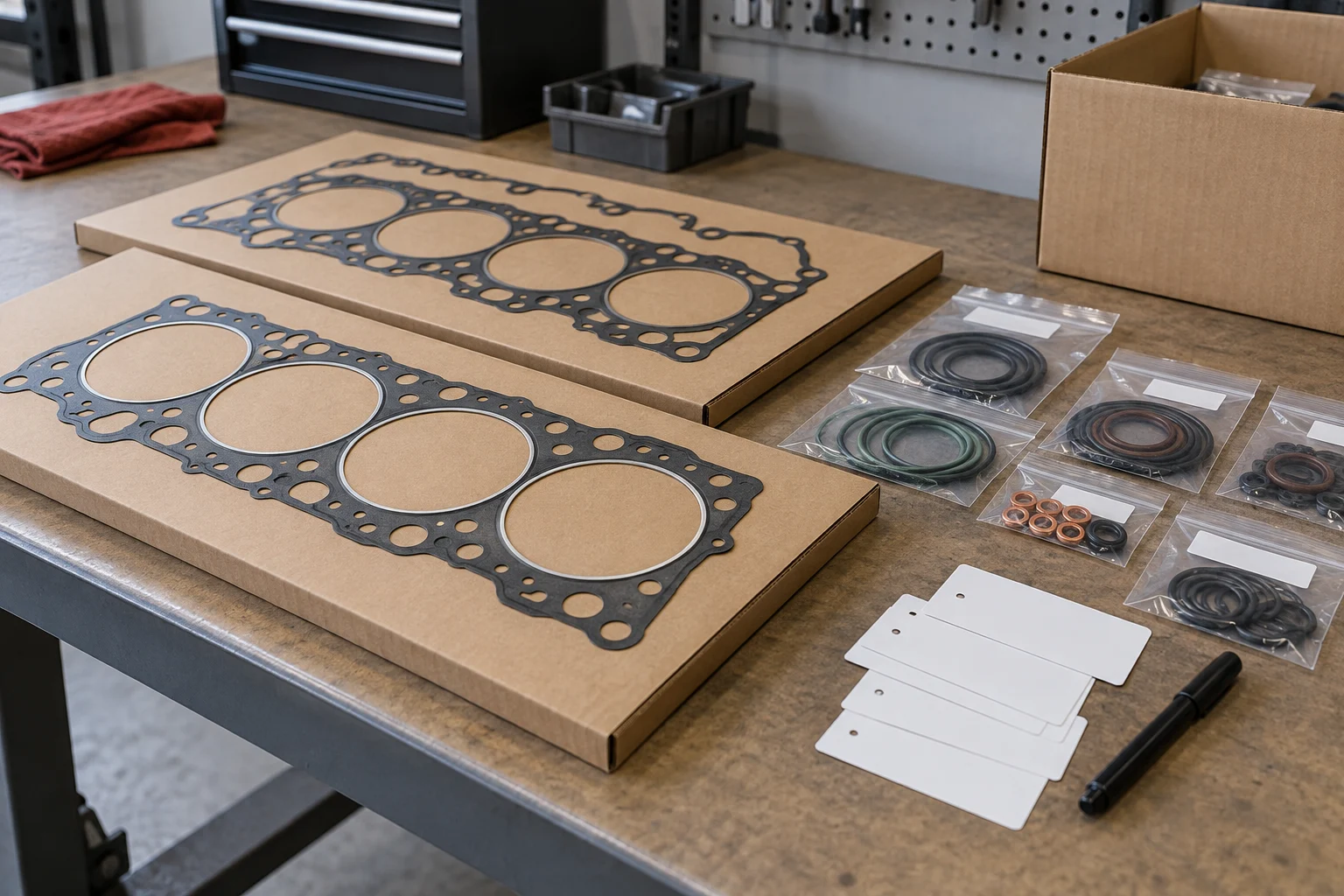
Fitment Evidence Checklist
Review the evidence before ordering
This checklist highlights missing records. It does not approve a part or confirm compatibility.
Frequently Asked Questions
Can a CPL alone confirm every overhaul component?
No. Use the CPL as supporting identification alongside the ESN, current parts information and actual repair scope. It does not independently establish every component needed.
Where is the Engine Serial Number usually found?
The ESN is typically stamped directly onto the official metal data plate attached to the gear housing, rocker cover, or engine block. Location specifics depend on the designated engine manual.
Will the ESN capture all field modifications?
No. The ESN identifies the original factory build configuration. It will not automatically reflect aftermarket substitutions or non-standard repairs performed later in the engine's life.
What should I do if the ESN catalog and old parts disagree?
Hold the affected order or component while the discrepancy is investigated. Check the lookup, replacement trail, repair history and physical configuration with the appropriate technical resource.
Make the Order Traceable
Securing proper Cummins overhaul kit fitment requires more than just reading a dataplate. By moving beyond a simple CPL lookup and implementing a rigorous workflow that includes ESN verification, official catalog cross-referencing, and physical part inspections, procurement teams can significantly reduce order errors. Always base your final purchasing decisions on documented evidence and applicable service manuals rather than broad assumptions.
Review the engine gasket range and Cummins B-series gasket kits as starting points for a controlled inquiry. Send the ESN, available records, photographs and required sealing scope through the VPGASKET contact page; ask for the proposed reference and packing list in writing.
The Cummins video Parts.cummins.com – Looking For Something Genuine? introduces the parts catalog. This is an archived overview; current navigation may differ, and it does not approve an aftermarket kit.