An aftermarket Cummins gasket kit approval should be based on defined requirements and evidence, not a familiar engine name or a certificate cover page. These eight document groups provide a practical review structure. Agree their depth with the supplier according to application risk and customer requirements; not every purchase needs the same submission package.
Estimated reading time: 7–9 minutes.
Table of Contents
See the kit contents and scope guide and supplier approval checks for related purchasing context.
Application Definition and Current Configuration
Define the target engine application, current configuration and exact repair scope. Record available identifiers, relevant operating conditions and any required service-life or validation objectives. Do not invent an extended maintenance interval or assume the supplier’s package name establishes compatibility.
Without a clearly defined application baseline, evaluating an aftermarket Cummins gasket kit becomes a subjective exercise rather than a factual comparison against known hardware requirements. Establishing these parameters early defines the necessary level of evidence required for final approval.
| Definition Element | Information Captured | Approval Value |
|---|---|---|
| Operating Environment | Expected temperatures and fluid exposures | Sets baseline for material selection |
| Engine Configuration | Specific block generation and accessories | Defines physical fitment boundaries |
| Maintenance Interval | Target lifespan of the sealing components | Guides product validation requirements |
Controlled Drawing and Bill of Materials
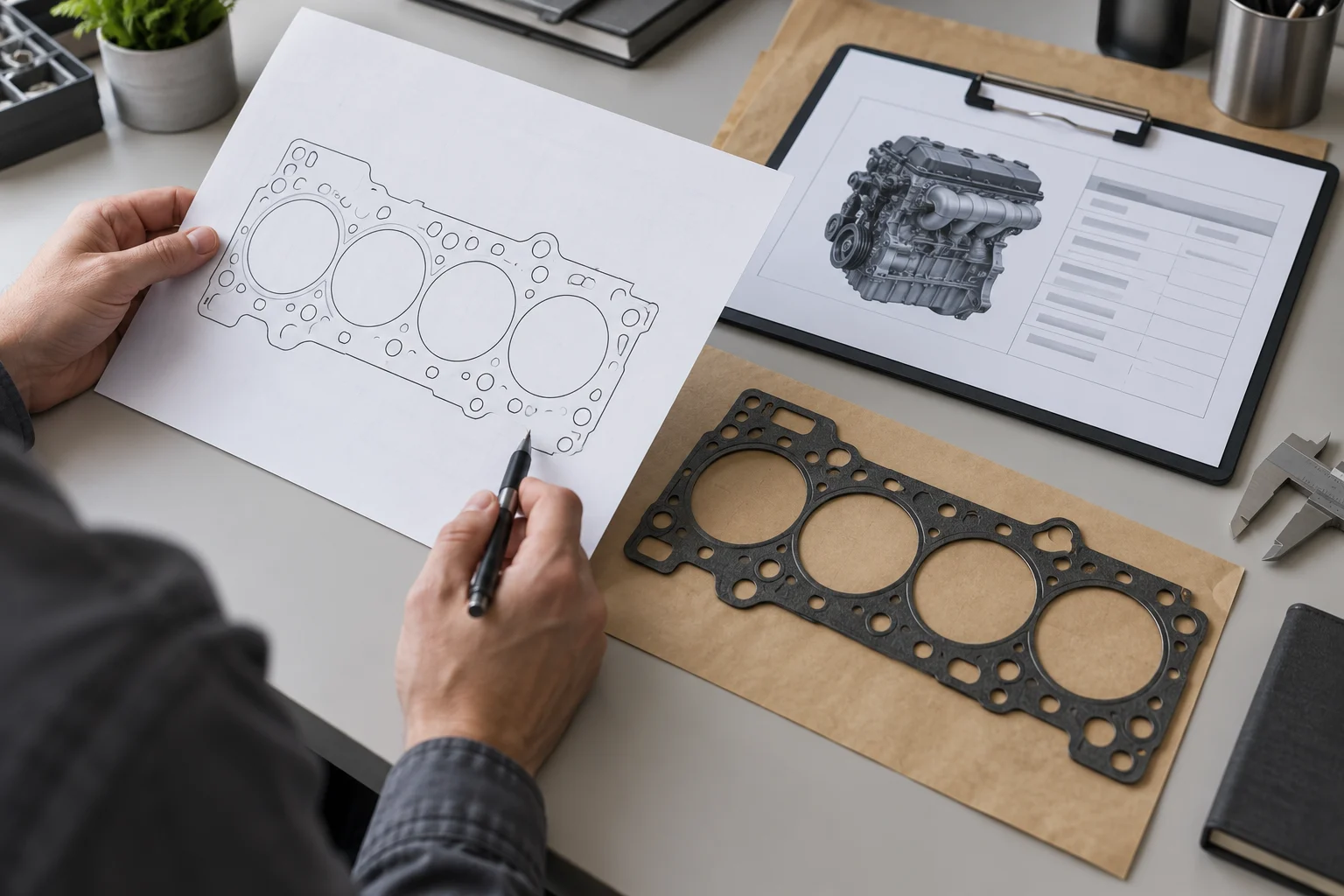
Agree a controlled product specification, relevant drawings and itemized BOM for the proposed supply. Identify revisions, dimensions and characteristics needed for review, component quantities and exclusions. The required drawing detail depends on the product and program; not every purchase uses an identical document package.
An approved reference establishes what was accepted for that scope and revision. It does not physically prevent later changes, so connect it to change control, receiving checks and an accountable release process. Keep any proprietary-data limitations and alternate evidence explicitly agreed.
| Document Detail | Verification Goal | Tolerance Limit Check |
|---|---|---|
| 2D Dimension Profile | Confirms port and fastener alignment | Must match application block geometry |
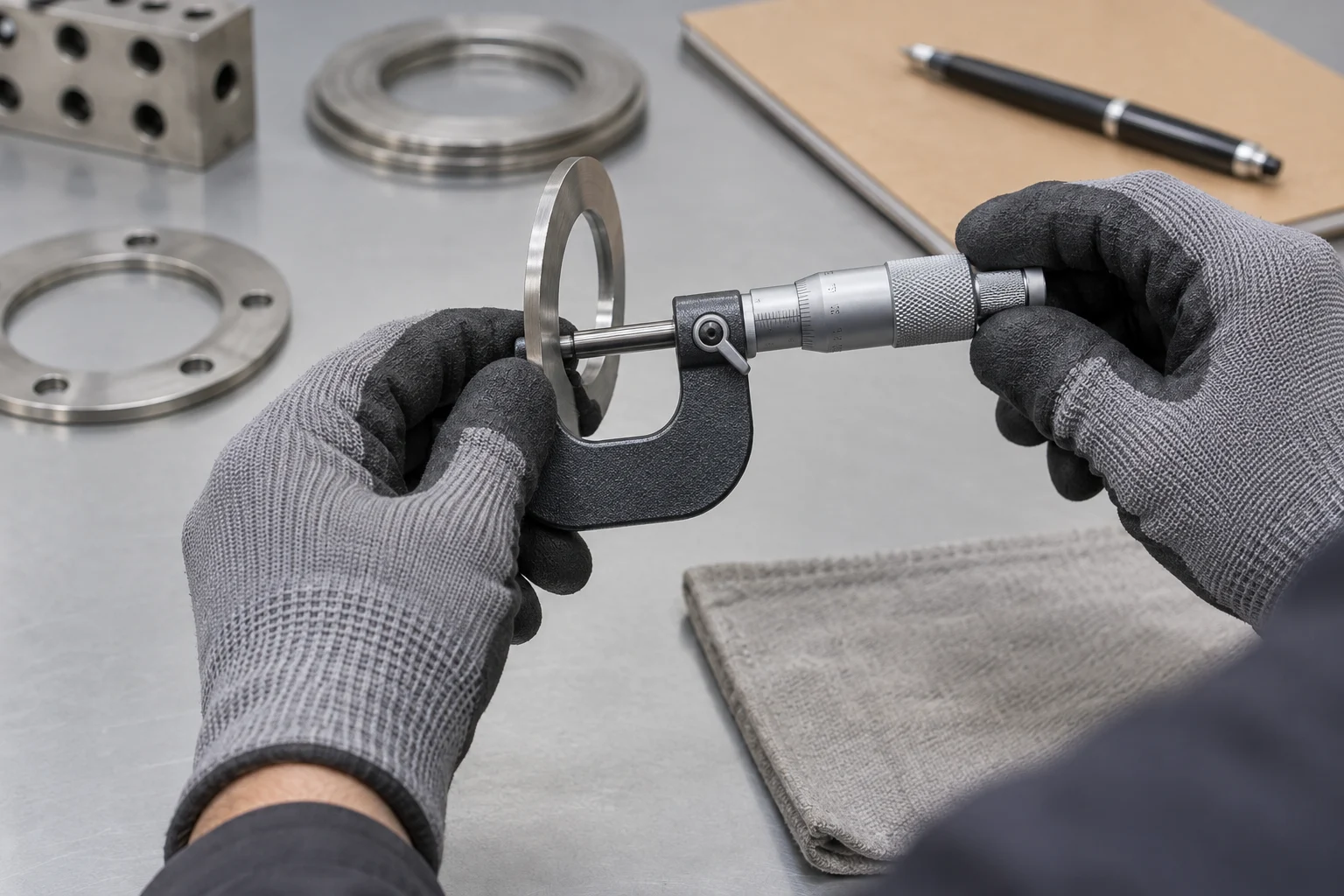
| Specified thickness or construction | Review the relevant measurement method and condition | Use application-specific limits; do not infer piston clearance from raw gauge alone |
| Itemized BOM | Verifies included seal quantities | Prevents missing parts during assembly |
Material and Coating Evidence
Request the material and coating evidence required by the specification. Identify the grade or compound, test or declaration scope, source and link to the relevant material or production lot. A generic data sheet and a lot-specific test report serve different purposes.
Read what was actually measured or declared. A raw-material certificate may support specific properties within its scope; it does not independently establish finished-part performance or whole-kit fitment. Resolve missing traceability or ambiguous acceptance criteria before relying on it.
| Evidence type | Potential support | Important limitation |
|---|---|---|
| Material Certificate | Properties actually declared or tested for the identified material | Does not confirm physical part dimensions |
| Coating Data Sheet | Chemical properties of surface treatment | Cannot verify application adhesion strength |
| Thickness Record | Raw material gauge measurement | Does not confirm finished compressed height |
Identified First Articles Inspection
An identified sample or first-article report should state the sample, drawing revision, inspected characteristics, methods and results. Review the required features against agreed criteria rather than accepting a photograph or summary marked “pass” without supporting data.
A conforming sample does not establish long-term process capability or automatically authorize tooling or production. Record the responsible reviewer’s decision, scope and any further validation required. Later production still needs the agreed controls.
Validating an Aftermarket Cummins Gasket Kit
Validating an aftermarket Cummins gasket kit requires performance testing tailored to the defined application. The buyer and supplier agree on proportional evidence requirements based on project risk. There is no universal temperature or torque test that covers all engine platforms.
Record the test conditions, samples, methods, results and limitations for whatever validation is required. Passing a test supports only conclusions justified by that test’s scope. Do not turn a limited bench test or field observation into a universal durability or OEM-equivalence claim.
Production Control Plan
Agree product-appropriate controls, inspection coverage, measurement resources and reaction plans. The AIAG quality core tools overview provides context for structured quality planning; a complete PPAP submission is not automatically required for every aftermarket purchase.
The product-specific control plan provides the actual roadmap for how the supplier will monitor dimensions and material properties on the factory floor. It defines the practical steps taken to catch manufacturing deviations before parts are shipped.
The ISO 9000 family overview concerns quality management. Verify any certificate’s issuer, validity and scope separately; it does not approve an aftermarket Cummins gasket kit for a particular engine.
| Process Step | Control Method | Output Record |
|---|---|---|
| Material Receiving | Apply the agreed incoming-material identity and evidence checks | Logged material lot receipt |
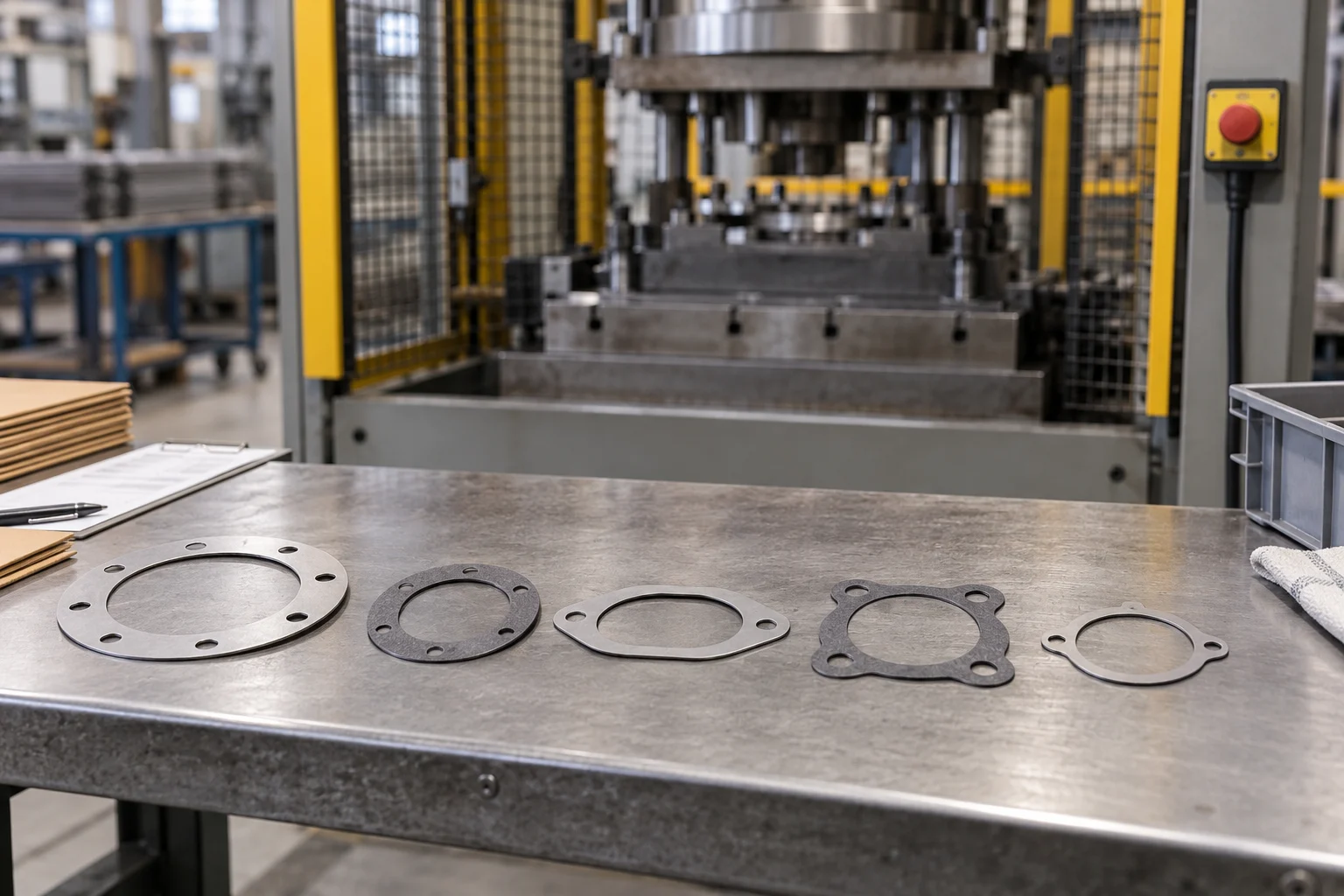
| Stamping / Molding | Measure dimensions at specific intervals | In-process dimensional audit report |
| Final Packaging | Check kit contents against BOM | Completed outbound inspection log |
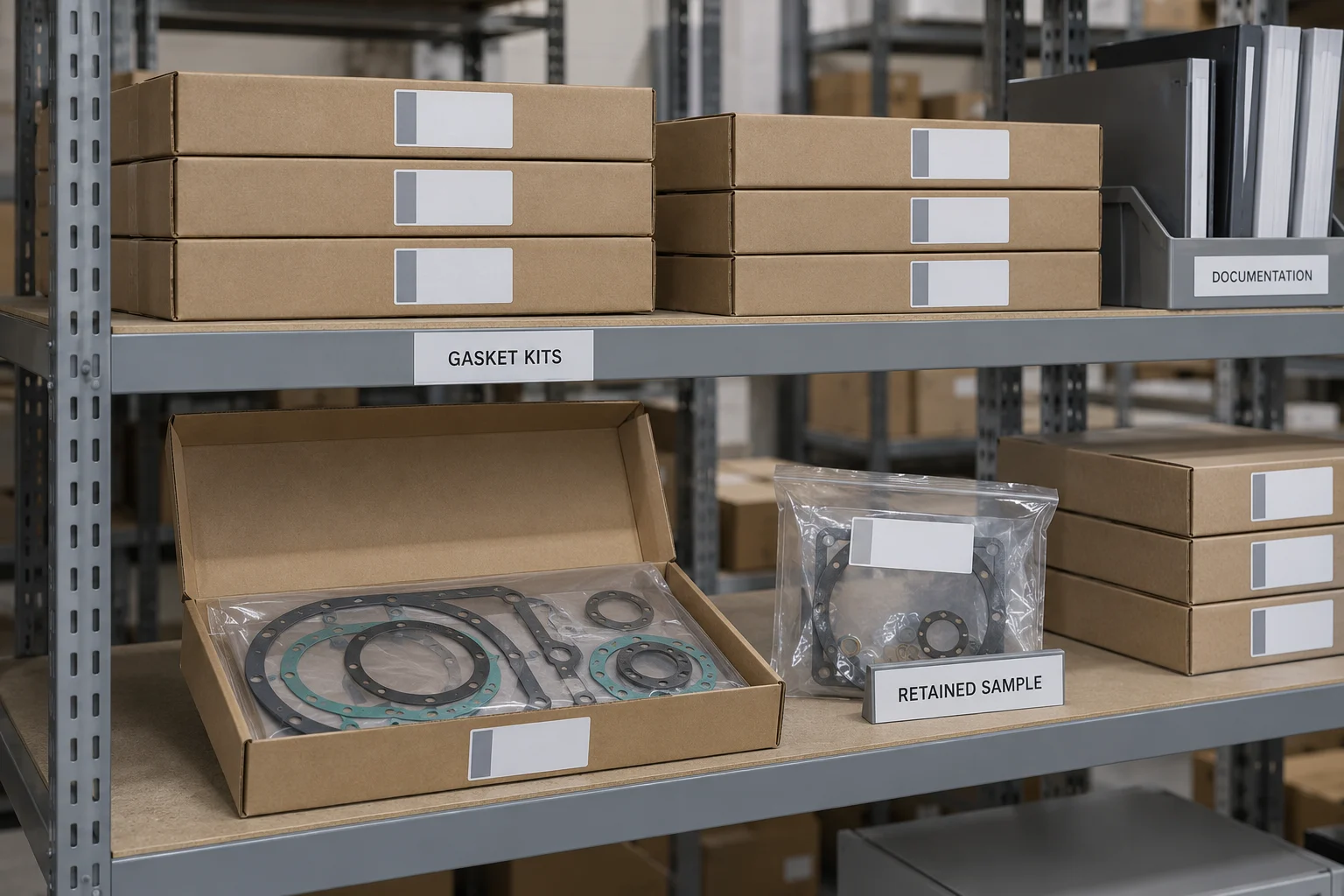
Lot Mapping, Packaging, and Retention
Traceability is a vital component of the approval decision. The supplier must define how individual component batches are mapped to the master kit lot number on the exterior packaging. It is normal for individual components inside the box to carry different batch numbers, provided the supplier maintains a linked traceability record.
The approval documents should also specify the required protective packaging and the retention period for quality inspection records. Defining these parameters upfront protects the components during transit and ensures data is available for future quality audits.
Change, Deviation, and Formal Release
Define which changes require notification, review or prior authorization, including relevant material, process, location and sub-supplier changes. Record temporary deviations with their affected parts or lots, permitted scope, expiry and authorizing person.
Issue a dated decision identifying what is approved and for which stage: sample review, production, shipment or another agreed scope. A conditional release must state its limits and unresolved actions. Supplier approval alone is not an order to ship or a vehicle return-to-service authorization.
| Status Category | Meaning for Supplier | Required Action |
|---|---|---|
| Approved within stated scope | Accepted for the named reference and decision stage | Follow the documented scope and separate order or release requirements |
| Conditional release | Limited by explicitly recorded conditions | Stay within limits and resolve assigned actions |
| Not approved or on hold | Required evidence or acceptance is unresolved | Hold the affected release and obtain an authorized disposition |
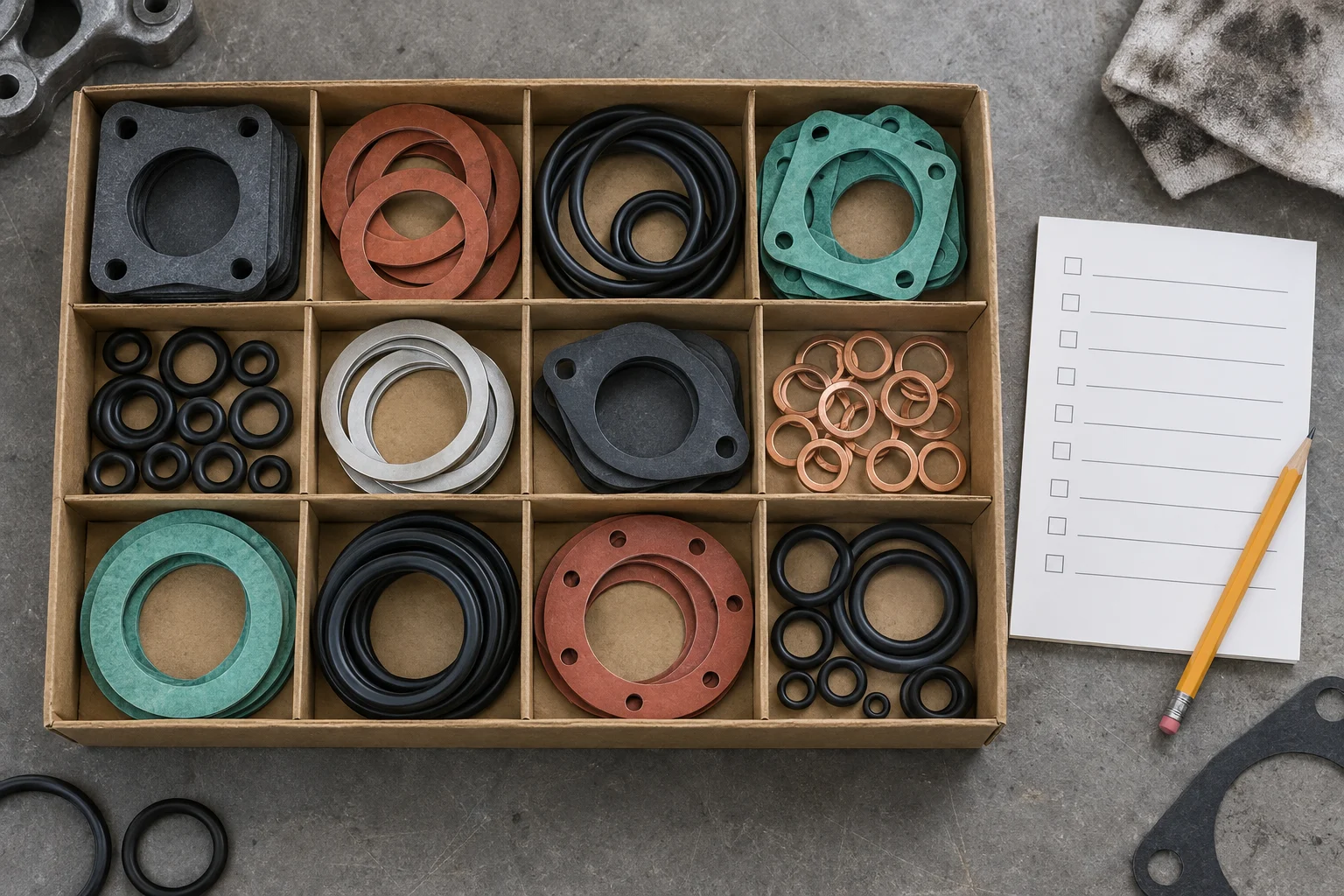
Supplier Approval Evidence Checklist
Supplier Approval Evidence Checklist
This checklist records evidence. It is not a material approval, fitment confirmation or release authorization.
Frequently Asked Questions
Does an ISO certification approve the specific kit for my engine?
No. A quality-management certificate has a defined organizational scope. Check its authenticity and validity, but do not treat it as application or product approval.
Does a raw material certificate confirm the whole kit will fit?
No. It supports only the properties and identified material within its actual scope. Finished-part conformity, application and kit completeness require their own appropriate evidence.
Must every part inside the box share the exact same lot number?
No. It is standard for different components to have different individual batch numbers, as long as the supplier maintains a system mapping those parts to the master kit lot.
Can we automatically assume OEM-equivalent performance from aftermarket parts?
No. Performance equivalence must be demonstrated through specific, comparative testing and documented validation based on the actual application requirements.
Make the Next Decision on Evidence
Evaluate an aftermarket Cummins gasket kit against a controlled application and product baseline. Match each claim to relevant evidence, identify its limitations and document the authorized decision. Proportionate validation, traceability and change control make the approval useful beyond the initial sample review.
Browse engine gasket sets for sourcing context, then send the application, required scope and evidence needs for a written discussion. Product availability and suitability require confirmation.
Watch this VPGASKET factory overview for manufacturing context. A video does not certify a received lot or replace order-specific inspection.